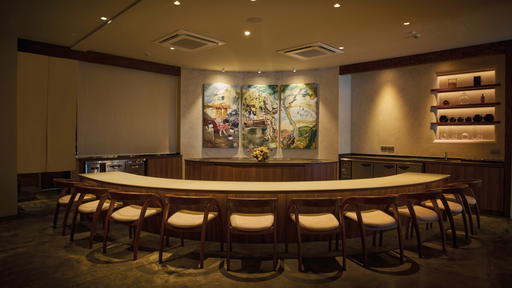

A shiny new plaque takes pride of place at Fiz, a day after the grand reveal of Michelin Guide Singapore 2024. Led by Malaysian chef-owner Hafizzul Hashim, the fine-dining restaurant at Tanjong Pagar was awarded the Michelin Green Star. This accolade recognizes dining establishments that combine culinary excellence with strong sustainability efforts.
“We support small businesses in Singapore and Malaysia by sourcing from them, as well as sharing storage knowledge to reduce produce spoilage. We smoke ingredients with recycled sugarcane fibre collected from hawker centres. In addition, our stocks and seasonings are made with trimmings. We also uphold heirloom recipes and forgotten ingredients,” says Hashim.
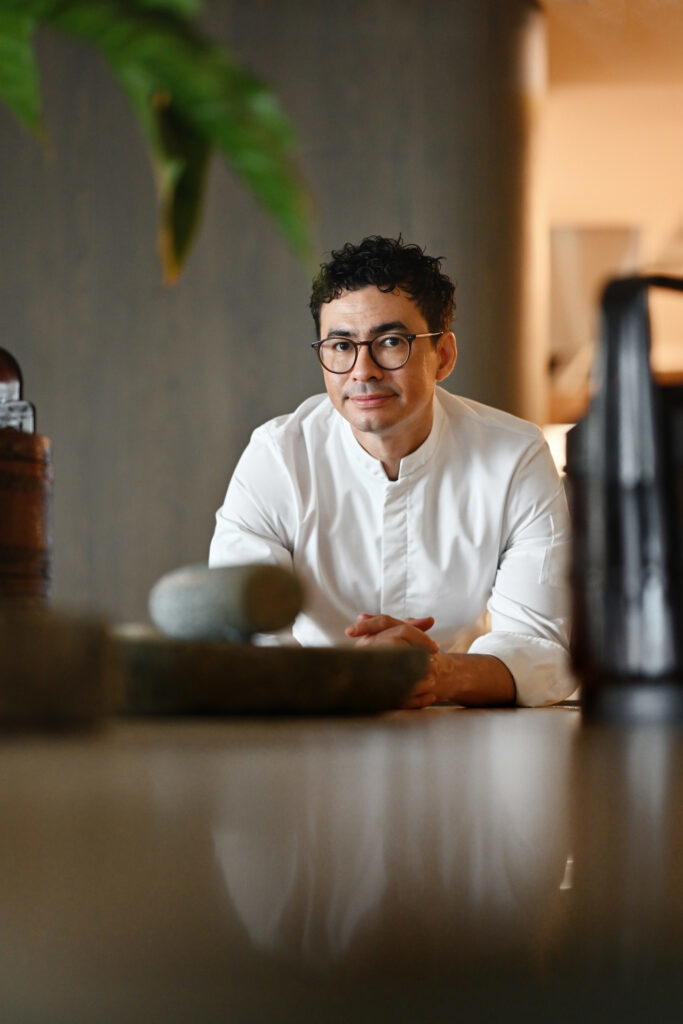
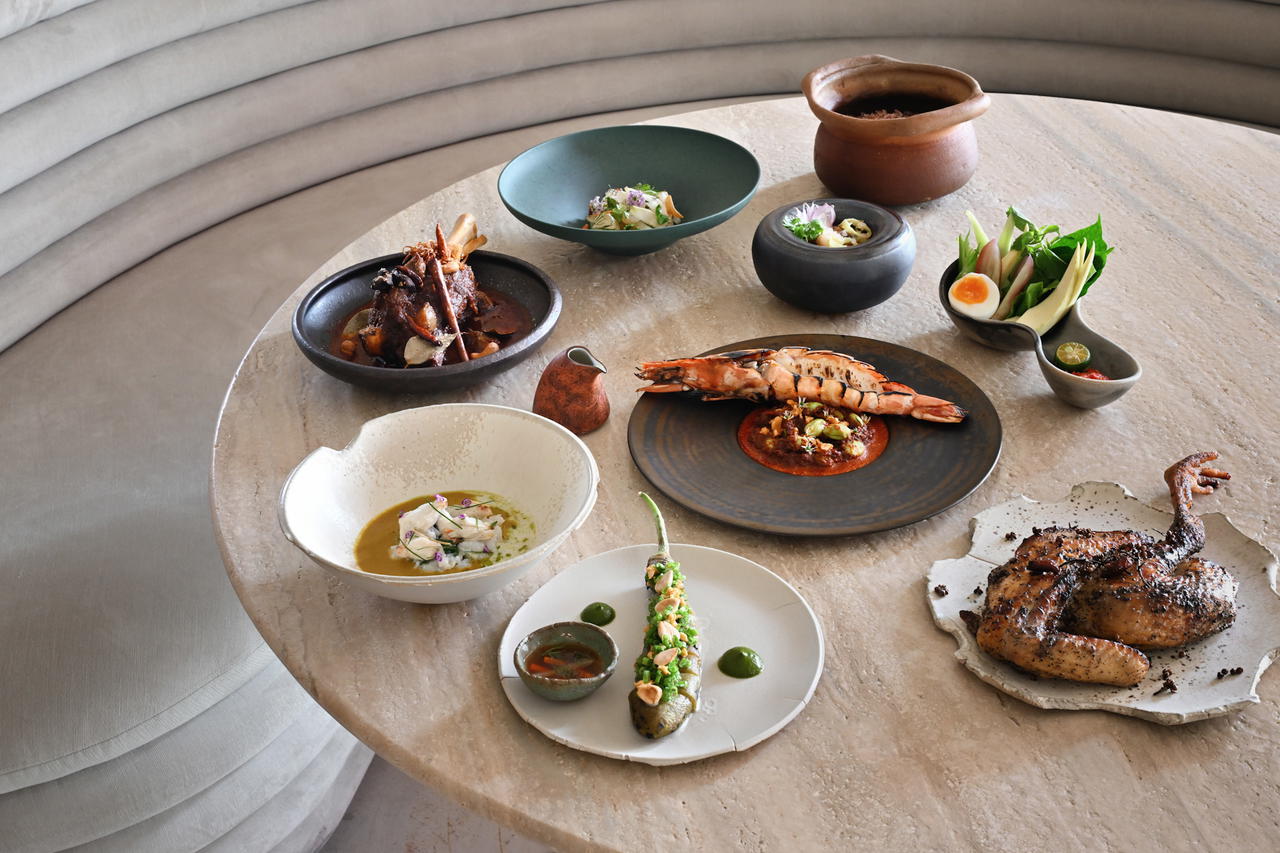
Aside from this milestone, June also marks a year since Fiz opened its doors. With that, Hashim is launching Episode 2.0, a new menu that better aligns with his culinary vision. While he acknowledges that the debut menu is what some diners have come to associate with modern Malay cuisine, he hopes the new dishes can showcase his approach towards contemporary South-east Asian fare.
Episode 2.0 draws inspiration from gastronomic traditions across the region, with roots in ancient history, such as Angkor’s Khmer and Java’s Majapahit empires. Harking back to the 15th century, the menu uses a method where dishes are cooked with open fire lit by mangrove wood. This is a technique that’s taken the team a year to finesse. In addition, forgotten indigenous ingredients and fermenting flavour-building components like garums and sauces are used.
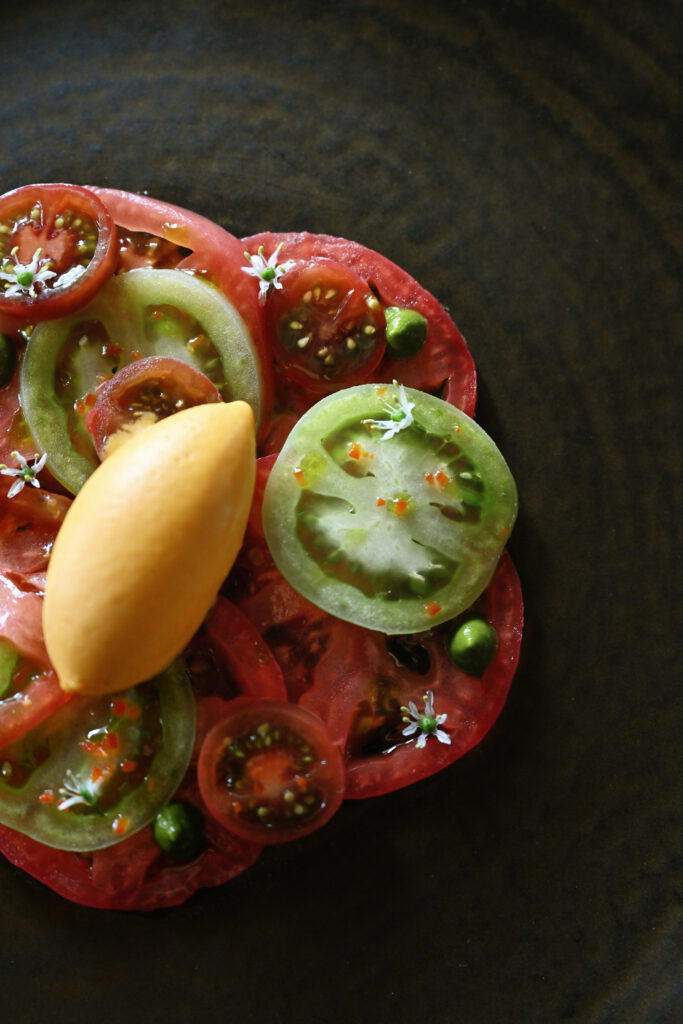
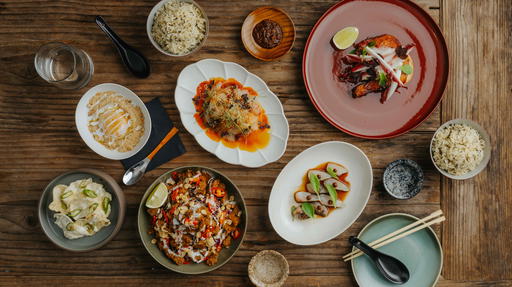
Segmented into Beginnings, Hidang, and Endings, the menu offers a lavish spread of 20 dishes for lunch and 30 for dinner. Starting one’s meal with a sweet treat is par for the course here. The Kaya Toast hits the spot with its sweet and savoury combination of caramelised coconut seri kaya, amur caviar, and century egg. Afterwards, the Heirloom Tomatoes refreshes my palate. Juicy slices of tomato are enlivened with kesum oil and a dollop of assam pedas or chilli pineapple sorbet that adds a spicy-sour counterpoint to the dish.
Communal dining is essential to Southeast Asian cuisine. Likewise, it’s encouraged at Fiz. The Hidang selection of sharing dishes are best paired with Adan or Sia rice. The latter is an heirloom variety grown in Sarawak, Congee. It’s made by cooking rice in a light shima aji or stripe jack fish broth, resulting in a slightly nutty flavour and a fluffy texture. I gravitated towards this rice variety throughout my meal.
“That to me is the essence of South-east Asian cuisine, of bringing people together around the table and creating a bond over the love of food,” says Hashim.
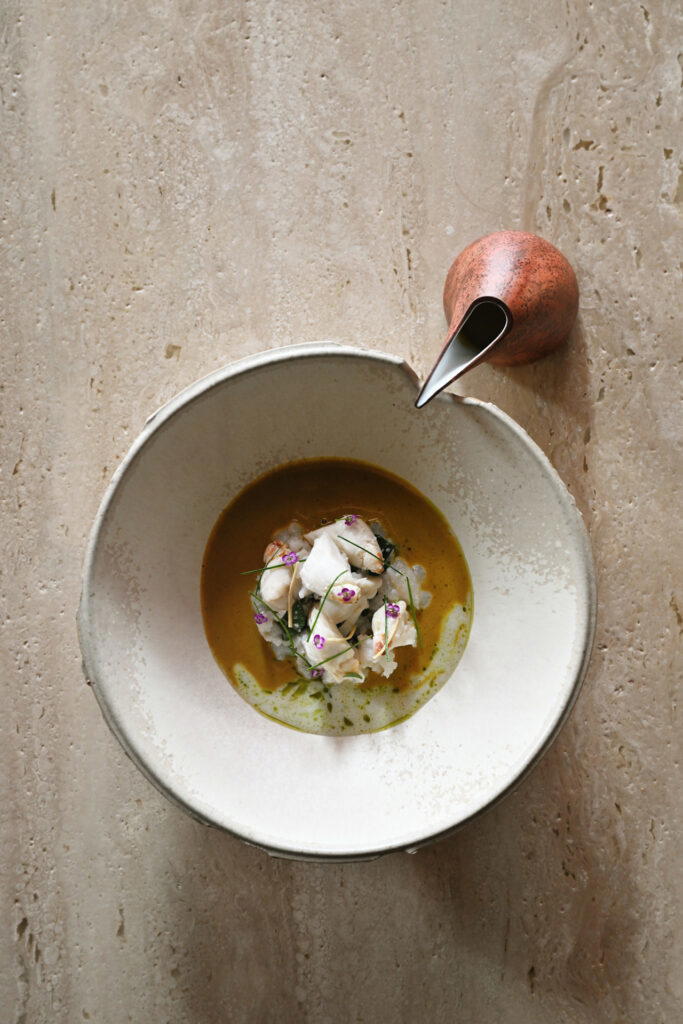
Especially delicious when paired with rice, the Blue Swimmer Crab is prepared in gaeng gati, a sour and spicy yellow fish curry accentuated with fingerroot ginger, kemangi, and kadok leaf. For vegetables, the Cha-Om Acacia Shoots with free range eggs offered complex umami flavours thanks to the fermented mushrooms in the bolete mushroom garum.
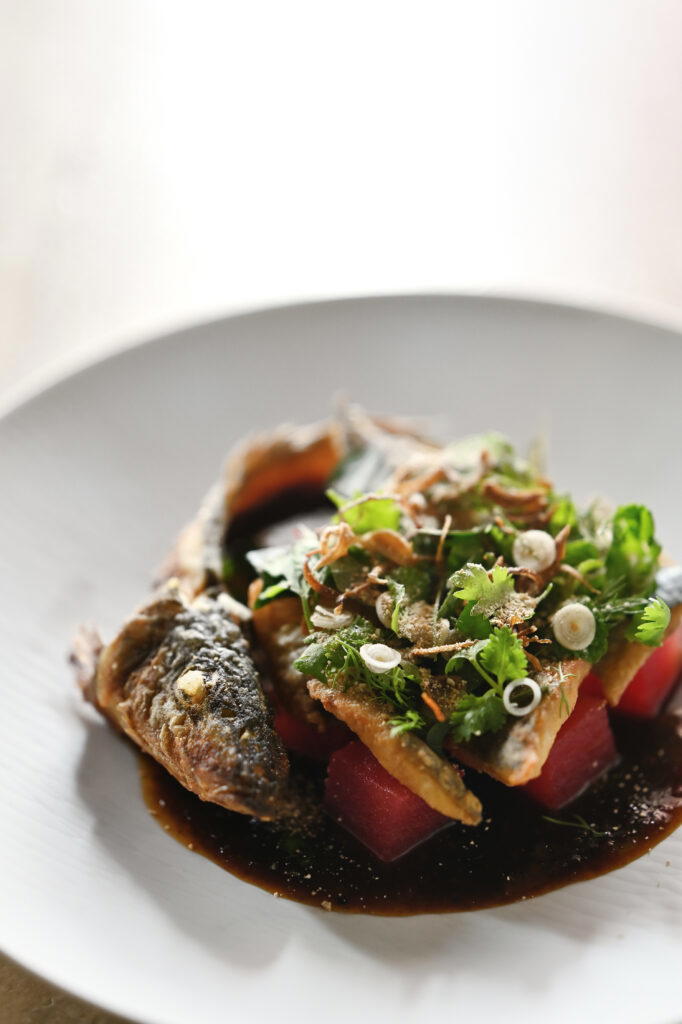
The star of the meal was the Market Fish, which happened to be wild caught snapper that night. It was deboned, filleted, and deep fried before being tossed in a sweet and tangy tawai dressing, along with cubes of watermelon. This dish was the main reason I asked for two helpings of rice.
Full as we were, we couldn’t resist dessert. Light yet tasty, The Cempedak features the puree of the sticky sweet Southeast Asian fruit in the classic French dessert, souffle. Alternatively, Fiz’s Signature Bahulu, served piping hot in its mould, is a traditional favourite that’s truly unforgettable.