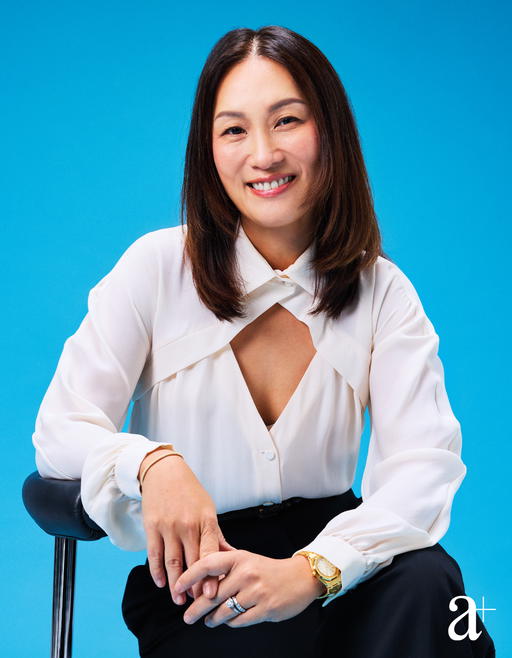
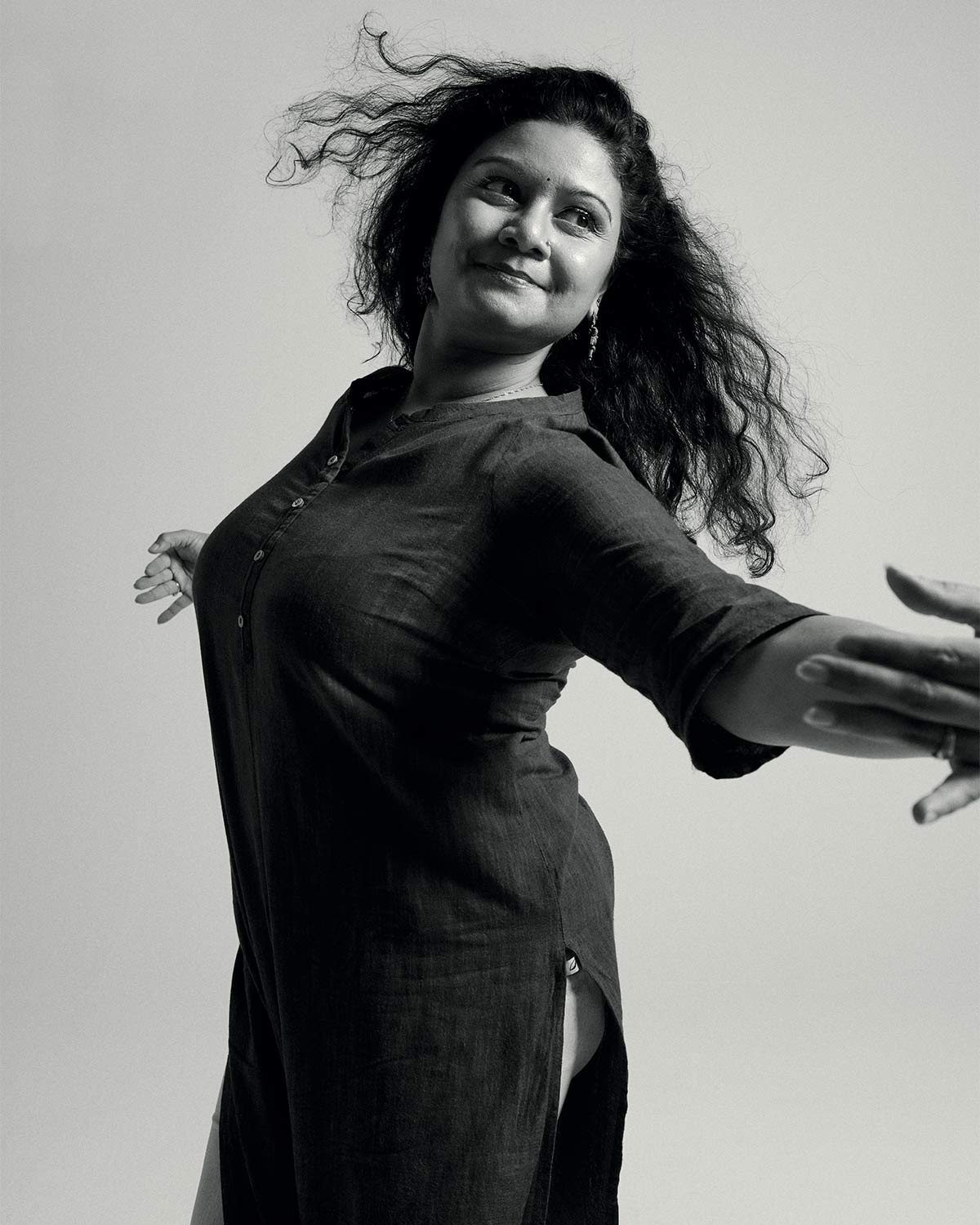
As a young occupational therapist working with the Singapore Association for Mental Health (SAMH), Kavitha Krishnan observed seemingly innocuous behaviour she describes as traumatising.
“The moment passers-by approached our day activity centre they would quickly move five steps away from us, or constantly turn to look behind, as if we were about to reach out, grab them and do whatever we needed to destroy their space,” she recounts.
That laid bare the uncomfortable reality of a stigma-riddled mental health sphere and provoked her to stage a puppet show for the community, performed by her SAMH clients. What can only be characterised as an instinctive fear of the ‘others’ subsequently dissolved, and the same flustered pre-school teachers who once brusquely hoisted their charges away from the centre’s clients began to appear less disconcerted by their presence.
“The arts is a poignant space enabling us to know others and ourselves better because it is non-threatening. As much as it brings us to a place of chaos and confusion it can also bring us to one of light,” she relates.
Two decades on, the 51-year-old veteran dancer continues to champion mutuality through Diverse Abilities Dance Collective (DADC), a semi-professional Bharatanatyam dance team comprising differently abled performers including those with Down Syndrome. Established in 2018, its magnum opus is a 75-minute full-length performance for the Saarang festival in South India in 2020.
“What surprised me what that they committed to five or six costume changes and didn’t have family members to chaperone them. Apart from being responsible for themselves and their peers, they also looked after us; it was beautiful to see how they stepped up as professionals,” she enthuses.
An erstwhile child prodigy, Kavitha’s own artist biography coloured with both rapture and pathos may beggar belief. She began her training in traditional Indian dance as a toddler, and at eight, was the first Singaporean child to deliver a non-stop two-and-a-half-hour dance recital at Victoria Theatre, back by six live musicians.
That same year, the precocious child put up a show that raised $10,000 for The Spastic Children’s Association of Singapore (now Cerebral Palsy Alliance Singapore), whose compound abutted her dance guru’s. “It got stuck with me that my art can be of value to another person, and I don’t have to be possessive over it,” she muses.
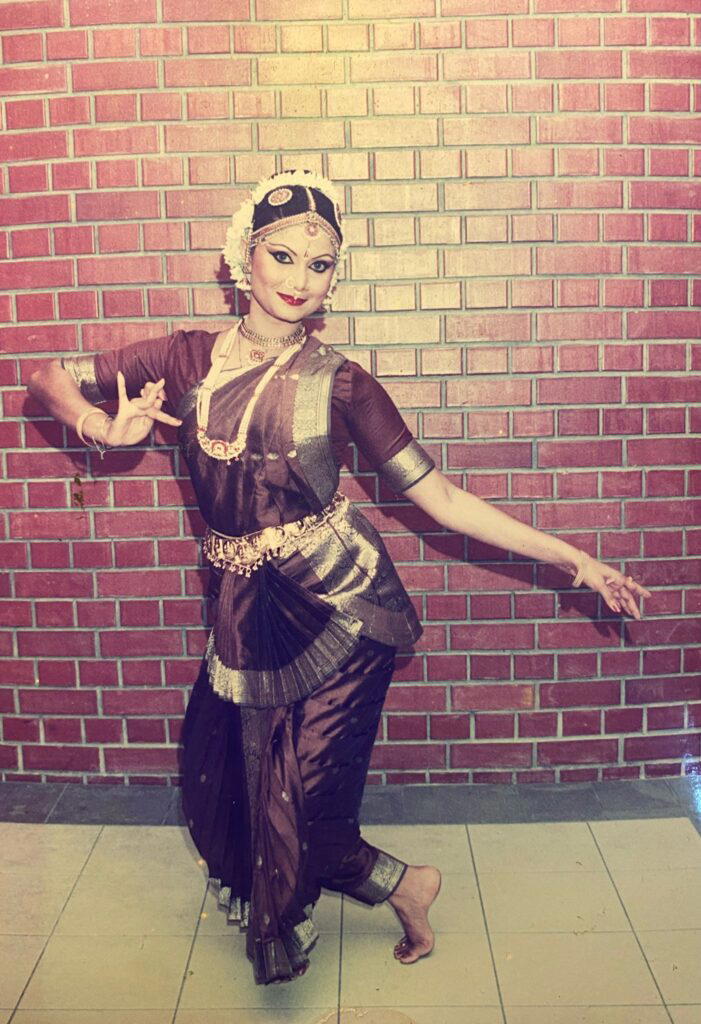
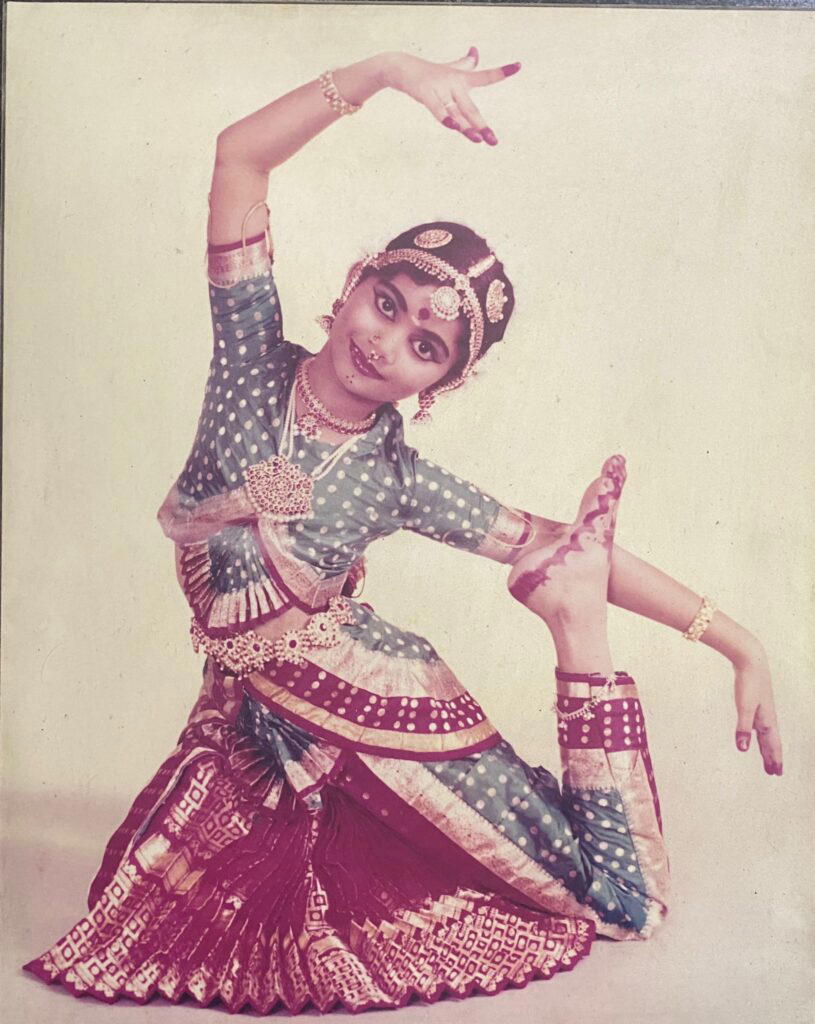
By the age of 16, she’d toured six cities in Italy performing for a Singapore Tourism Board campaign to reinstate Alitalia (now known as Air Italy) flights in Singapore. What looked set to be a career as a decorated performer was scotched by a severe spinal injury sustained while playing hockey. The subsequent surgery — barring which she faced complete paralysis — stopped her heart for several seconds on the operating table.
Doctors enjoined avoiding dance, which carried life-threatening consequences. She however, thumbed her nose at the odds and recuperated sufficiently to found non-profit Asian contemporary dance company Maya Dance Theatre (MDT), on top of becoming an occupational therapist rehabilitating the differently abled through dance.
DADC is the culmination of decades working with individuals with Down Syndrome, an idea initially broached by MDT’s principal dancer Shahrin Johry.
“I was like, no people are buying tickets, how can you put them up there, are you sure they will complete a performance? He said, ‘Kavi, tap your occupational therapist out of that bloody space and talk to me again’,” she admits sheepishly.
The impetus followed years later, from her clients. “June, one of our founding members, came to me and said ‘Look, I can dance very well and am one of the Down Syndrome Association’s best dancers. Why can’t I travel around the world and dance like you? Why do I only get to perform at charity events?”
Since its inception, DADC has grown from a six- to 15-member team. In presentations, their supple movements and whistle-clean choreography bear testament to their artistic director’s fixation with casting them as legitimate professionals.
But why choose Bharatanatyam, revered as one of the most technically challenging classical dance forms, for her diversely abled group? “Through this dance form I’ve built confidence and coordination resilience. I’ve developed fine motor skills through the mudras (finger and hand gestures), as well as balance through the groundedness that it requires,” explains the artistic director, who adds that Bharatanatyam, with its eloquent range of facial expressions, lends well to navigating emotions.
“Persons with Down Syndrome typically express two emotions — happiness and sadness. Today our dancers can show us the nine navarasa (emotions) including disgust, fear and bravery, and it is interesting to see how they comprehend this information; their communication skills have improved and they have become more independent and confident in approaching others,” she shares. Rather than have her dancers infantalised as “cute disabled performers”, Kavitha wants their technical skills to take centrestage.
If anyone can appreciate nuance, it’s the consummate artist, who has tackled hefty social issues from sexual abuse to the patriarchy through MDT productions. Pancha, their five-part series for instance, is a vivisection of female archetypes in relation to the five elements based on Hindu philosophy. Valiantly wincing through tears, Kavitha tells me the final installation, which will pay homage to mothers, is particularly poignant, given that she recently lost hers to cancer.
Another issue that resonates on a deeper level is mental wellness, which she addressed through Anwesha – Beyond the Darkness, a production largely directed from a sofa bed due to a spinal injury relapse. “It was emotionally challenging for me so I could understand the dark space and the monster that visits mental patients on a daily basis,” she reveals, elaborating that former clients from SAMH came onboard to provide visual interpretations of conditions such as depression and bipolar disorder.
Beyond eliciting a deeper sense of empathy in audiences, Kavitha wants to move the needle by promoting greater inclusivity in the arts – a key thrust of National Arts Council’s five-year arts plan starting from 2023. This, she says includes presenting differently-abled performers with a platform at marquee events such as Formula One and the Singapore International Arts Festival, and not shunting them to menial jobs. For instance, her social enterprise Apsara Asia has helped clients gain employment in arts administration, wardrobe management and pre-school dance training.
Their lives, outside of dance, will be placed under the spotlight at Inner Reflections, a photographic exhibition held at SCAPE Orchard (25 October – 25 November) to raise awareness of the untapped potential in the diversely abled.
“I’m more partial to a co-existing space, because while an inclusive space still leaves the power to the able-bodied to include a person with disabilities, the former is one where both have equal ownership to decide if they want to stay,” concludes Kavitha.
Photography: Mun Kong
Styling: Chia Wei Choong
Hair & Makeup: Aung Apichai from Artistry Studio, using Tom Ford and Kevin Murphy