

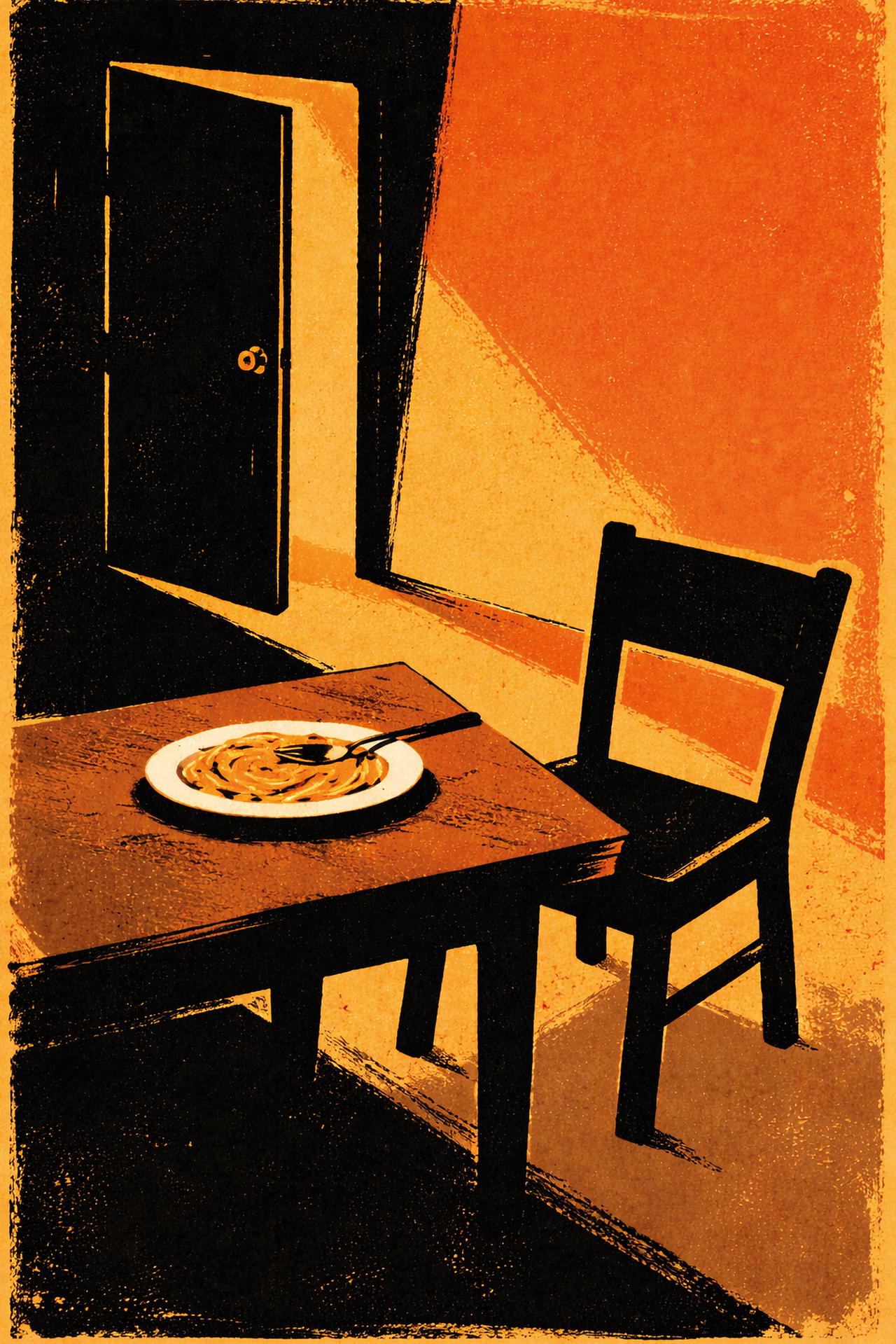
Frank was a teenager when he spiralled into social reclusion. He makes no bones about why. “I was abused by my family and harassed by my peers—I did not have anyone who cared about me. I was also stressed by the national examinations,” recounts the 22-year-old. He uses a pseudonym for this interview.
He’d skip school and hole up in his room, where he largely watched videos and played video games to pass time. His virtual activities were no less solitary. “It wasn’t because I didn’t want to make online friends. I just didn’t meet anyone I could trust,” he explains. “I tried talking to different people across different platforms, but it didn’t work out even after many years.”
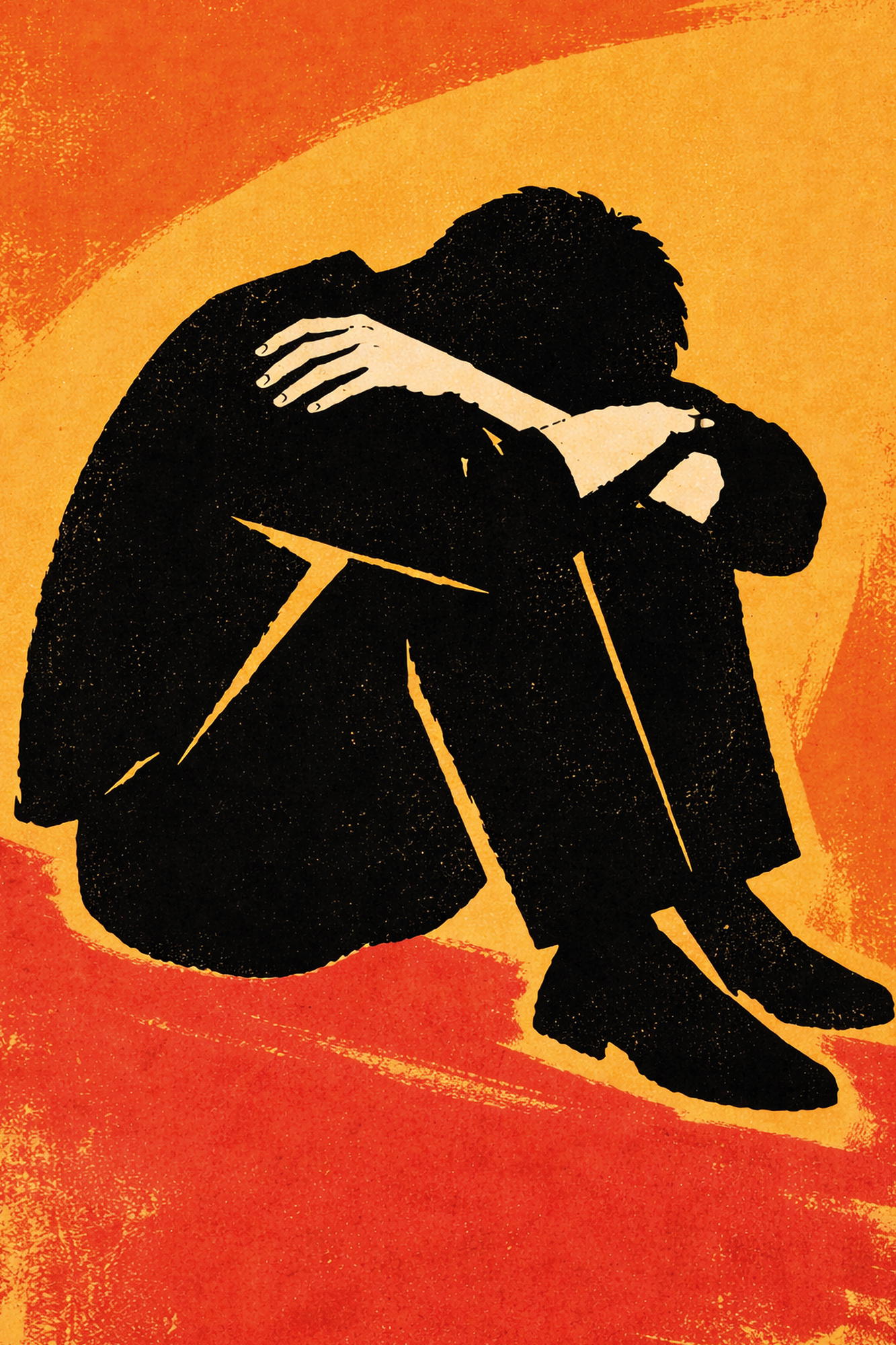
Social reclusion was “a way to survive”. Solitude gave him the will to trudge on whenever he felt like taking his life, he makes plain. His misery was exacerbated by the fact that he was often left to starve; his parents would withhold food from him in a bid to compel him to leave the house. “I felt hopelessly hungry and would feel like I should just die to end the suffering.”
Along the way, he was introduced to social service agencies, but it wasn’t until he connected with Impart, a charity that empowers youth in adversity, that he became receptive to support. “I could tell that someone was trying hard to understand and help me.”
Frank eventually agreed to meet the volunteers for a meal, which progressed into a weekly affair. While he has since graduated from Impart’s care and is working on reintegrating into society, he is currently unemployed.
But Frank isn’t alone in his isolation. Over the past two years, Impart has observed a growing number of socially reclusive youths and has supported some 50 of them. Boys tend to make up the majority because societal pressure imposes rigid standards on what it means to be a man, says its executive director, Narasimman “Narash” s/o Tivasiha Mani. “This includes toxic masculinity, where there are beliefs like boys don’t cry or boys must toughen up.”
Even though some transition out of social reclusion, many don’t last long in the outside world, he adds.
This begs some questions. What are the main causes of social exclusion among adolescents? Does pervasive digital connectivity, whether through online gaming or social media, compound the problem? In terms of supporting these youths, what has proven to be an effective framework or platform?
SYMPTOMS OF DISTRESS
Narash divides the socially reclusive youths he works with into three categories: those who never leave their rooms; those who leave their rooms, but not their homes; and those who leave their homes only to acquire supplies.
Regardless of the type, though, school refusal is part of the equation. It differs from truancy in that students skip school out of distress rather than to engage in delinquent behaviour. Additionally, social reclusion exists on a spectrum and is characterised by persistent avoidance or disengagement rather than transient avoidance.
The reasons for social reclusion in youths vary. A common one is a decline in mental health, which typically leads to the development of social anxiety, fear of negative evaluation, and intolerance of uncertainty. Those who have experienced adverse childhood experiences or some other type of trauma are especially susceptible.
“They may perceive social environments to be unpredictable or unsafe,” explains Dr Raksha Kartik, Impart’s head of mental health care. As it stands, adolescence is a critical period for peer affiliation and identity formation, so any form of bullying, rejection or prolonged isolation can impair social confidence and skill development.
Another cause involves environmental and systemic factors. The Covid-19 pandemic, for instance, has been widely recognised as an accelerant of social exclusion because it burgeoned virtual connections.
“Online engagement became entrenched as a safety behaviour, reducing tolerance for uncertainty and reinforcing avoidance of face-to-face interactions even after restrictions were lifted.”
Dr Raksha Kartik on the effects of digital dependence
Social reclusion in youths can also be attributed to permissive parenting, characterised by few behavioural boundaries and frequent positive reinforcement, as it encourages avoidance behaviours to persist.
“For example, overly permissive parents leave their children’s meals on chairs outside their rooms. I tell them, ‘Leave the food in the kitchen. If they want to eat, they can come out and get it for themselves’. Yet, some of them not only continue leaving their meals outside the rooms, but also heat up the food every hour,” Narash lets on.
A permissive parenting style sets a dangerous precedent because there are no healthy boundaries in place. Narash has met parents who not only quit their jobs to care for their socially reclusive children, but also descend into social reclusion out of shame. “When this happens, parent and child reinforce each other, and it becomes even harder to resolve.”
In his experience, socially reclusive youths tend to have overly permissive mothers and absent fathers.
Then there are excessive academic expectations, which result in stress and perceived social pressure. This prompts youths to retreat from both school and peer interaction.
At the opposite extreme are youths who feel the curriculum is “too boring”, Narash continues. “They are extremely smart. They ace their exams even when they’ve stopped going to school. But they don’t want to conform to society’s expectations, so they lock themselves in to go against the grain.”
COPING MECHANISM
Contrary to popular belief, online gaming and social media are protective factors against social reclusion, Dr Raksha avers. Typically, youths teetering on social reclusion find that online communities provide the buffer they need to survive. Over time, gentle intervention is introduced to meet their needs.
Her sentiments are shared by Kong Meng Liew, a lecturer in social media psychology at New Zealand’s University of Canterbury and an Impart researcher.
“While there is a strong link between gaming disorders and social withdrawal, it doesn’t necessarily mean that gaming excessively causes social withdrawal.”
Kong Meng Liew on a false notion
Because online platforms allow anonymity, Liew adds, individuals with negative self-perception can separate their identities from their in-person social interactions. Online communities as such provide them with a sense of belonging and the opportunity to practise their social skills in a safe environment.
Besides, emerging research indicates that online friendships and offline friendships often have no difference in depth. The fact that these friendships can intersect, like when online friends become real-life friends, helps. “The mechanisms of building friendships online and offline may be slightly different, but the social roles they play in our lives are not.”
For this reason, Impart views social reclusion as a coping mechanism even when it is maladaptive. As it stands, reclusiveness is frequently associated with anxiety, Dr Raksha points out. “This encourages a more empathetic approach, recognising that these youths are attempting to manage distress in the most effective way they know.”
MEETING THEM WHERE THEY ARE
While there are nearly 300 volunteers at Impart, less than 20 work with socially reclusive youths because the job requires a specialised skill set. Most are completing postgraduate psychology programmes, and none of them are older than 30, which helps minimise the age gap.
Impart has found two things to be effective in sustaining engagement with socially reclusive youths. Firstly, the CHIME framework, which includes elements such as connectedness (helping them build relationships with trustworthy, nonjudgemental adults); hope (the belief that personal development is possible even after prolonged withdrawal); identity (facilitating the exploration of their strengths and interests); meaning (encouraging participation in activities like volunteering); and empowerment (giving youths agency to decide when and how to reengage).
Autonomy is a major component of the model as social reclusion may intensify if the youths perceive their autonomy to be threatened, Narash says. “Rather than asking them to go back to school, we befriend them, and when we’ve built rapport, they usually open up about what they’d like to do. We then try to help them make that happen.” Interestingly, many desire going out. “They’re normal kids. They just don’t have the confidence.”
Secondly, a Minecraft community. It takes volunteers an average of six months to build rapport with socially reclusive youths through traditional methods like texting. However, time is a critical factor because early intervention supports smoother reentry into society and prevents escalation of distress, so the Impart team had a crack at expediting the rapport-building process through Minecraft. “We decided to go into their world and managed to connect with them a lot faster. We try to find out what is meaningful to them,” Narash says.

It is an approach Liew advises parents to also take if struggling to engage their socially withdrawn children. “It can be tempting to view video game addiction in isolation, but the issue is often tied to low self-esteem, perceived social rejection, bullying in school or difficulties at home.
“My advice is to meet them on platforms they’re comfortable with. If they play online games, join them, and understand why they go back to them. You can then decide whether limiting game time helps or if there is an underlying issue at hand, in which you should enlist the help of a professional like a clinical psychologist.”
In his opinion, the rise of AI chatbots may complicate outreach efforts. Unlike social media and video games, chatbots facilitate interactions with a language model that can be both enabling and addictive. “While these technologies can benefit mental health and self-esteem, we’ve also seen more destructive outcomes in certain vulnerable youth populations.”
But the bottom line is clear: recovery begins when these youths experience genuine empathy and consistent support. When this happens, they can typically be encouraged to partake in small, low-pressure social interactions, Dr Raksha says. Over time, they cease seeing withdrawal as the default coping strategy and learn to tolerate discomfort.
“The best practice is to combine gradual exposure with choice-driven engagement and relational support. A structured approach to bringing young people into social, educational, or vocational activities should be introduced incrementally, aligned with their comfort levels and developmental needs, and accompanied by strategies to deal with underlying distress.”