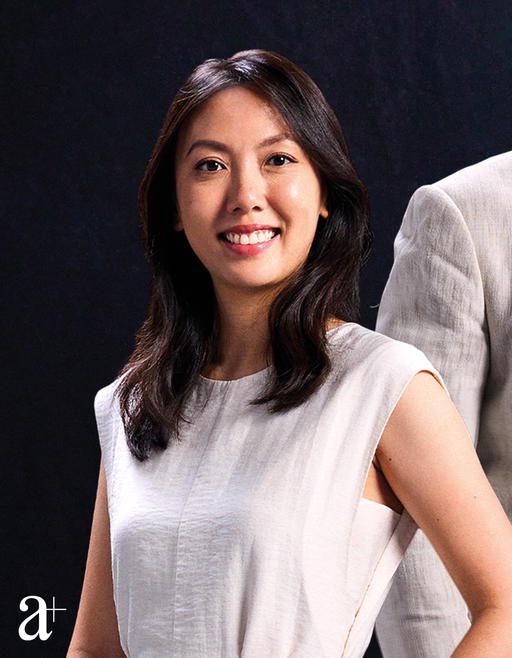
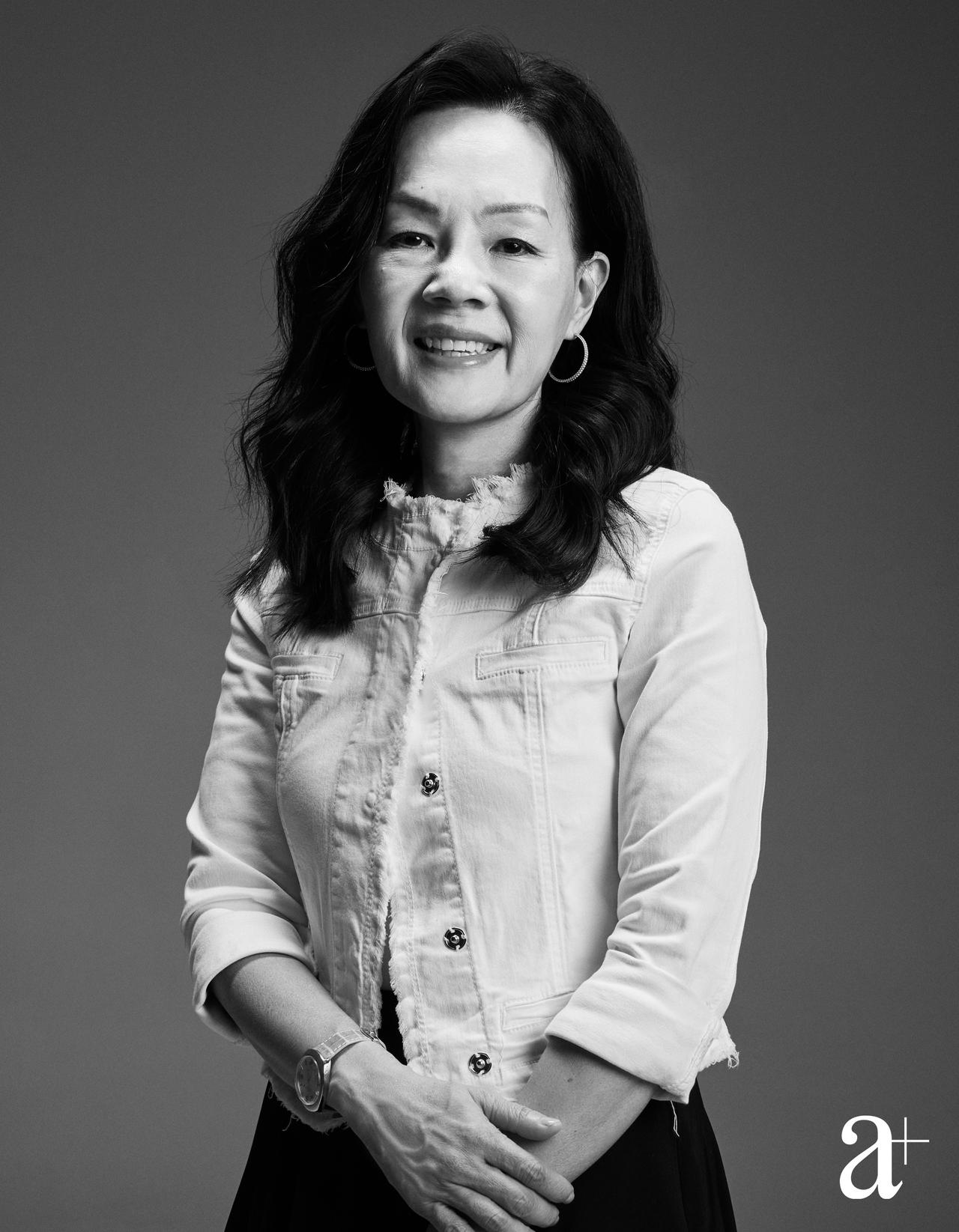
True inclusion cannot happen without shared leadership, says Rachel Ong. It is why The Purple Parade, a charity that raises awareness and celebrates the abilities of persons with disabilities in Singapore, launched its Leadership Development Programme in 2024, the chairman adds.
The initiative equips persons with disabilities (PWDs) with the confidence and skills to lead not only within the disability sector, but also in workplaces, community groups, and civic spaces. “Some are highly intellectual, so the question is, ‘How do we draw them out?’”
Founded in 2013, The Purple Parade welcomed over 15,000 attendees and 120 contingents during last year’s edition of its annual event. But while the event has achieved recognition for celebrating abilities, creativity, and community, equally important is the quiet work carried out throughout the year, Ong notes. This includes conversations in classrooms, workshops in workplaces, and dialogues led by PWDs.
Apart from being a Member of Parliament representing the Telok Blangah division of Tanjong Pagar Group Representation Constituency, Ong also runs Rohei, a learning and consulting firm that specialises in building workplace culture. She assumed her appointment in 2021 at the invitation of Denise Phua, The Purple Parade’s founder and a fellow parliamentarian.
Because grooming beneficiaries into leaders means knowing when to take a backseat, there are moments when the most responsible thing to do is to step back, listen deeply, and allow the disability community to set the pace and direction, Ong makes plain. Moreover, the community lends unique perspective.
“When PWDs are involved in decision-making, the outcomes are not only more inclusive, but also more thoughtful, humane, and sustainable.”
Rachel Ong on equitable structures
Partnerships are something The Purple Parade approaches “with humility” because they often take time to mature, she continues. As it stands, collaboration rarely translates into immediate structural change. “What matters to us is intent—a willingness to engage, ask better questions, and stay in the conversation even when progress feels slow.”
She acknowledges that meaningful partnerships promote visibility and influence how organisations think, design, and act, which allows The Purple Parade to rethink accessibility, create more inclusive workspaces, and involve PWDs more intentionally in decisions. It currently works with over 200 other organisations and has hundreds of volunteers.
A key challenge The Purple Parade is striving to mitigate is caregiver burden. Ong cites an example: “There are PWDs above the age of 18 who aren’t apt to work. So, what do they do at home? How do we help their caregivers find a solution? These gaps still exist in our current structure.”
If Singapore were truly inclusive, Ong says, there would no longer be a need for The Purple Parade. But until that day comes, she’ll continue amplifying voices in this space and urges those looking to create social impact to find their respective niches.
Start by avoiding underestimation. It is a misconception that PWDs are defined by limitation when they are more than capable of demonstrating aspiration, agency, and humanity.
Also, figure out what energises you. “Find your passion because we’re all called to different things, whether animal-, climate-, children- or elderly-related. Let your passion and the needs of society intersect.”
Photography Mun Kong
Art direction Ed Harland
Hair Vic Hwang using Kevin Murphy
Makeup Rina Sim using MAC
Photography assistant Alfred Phang