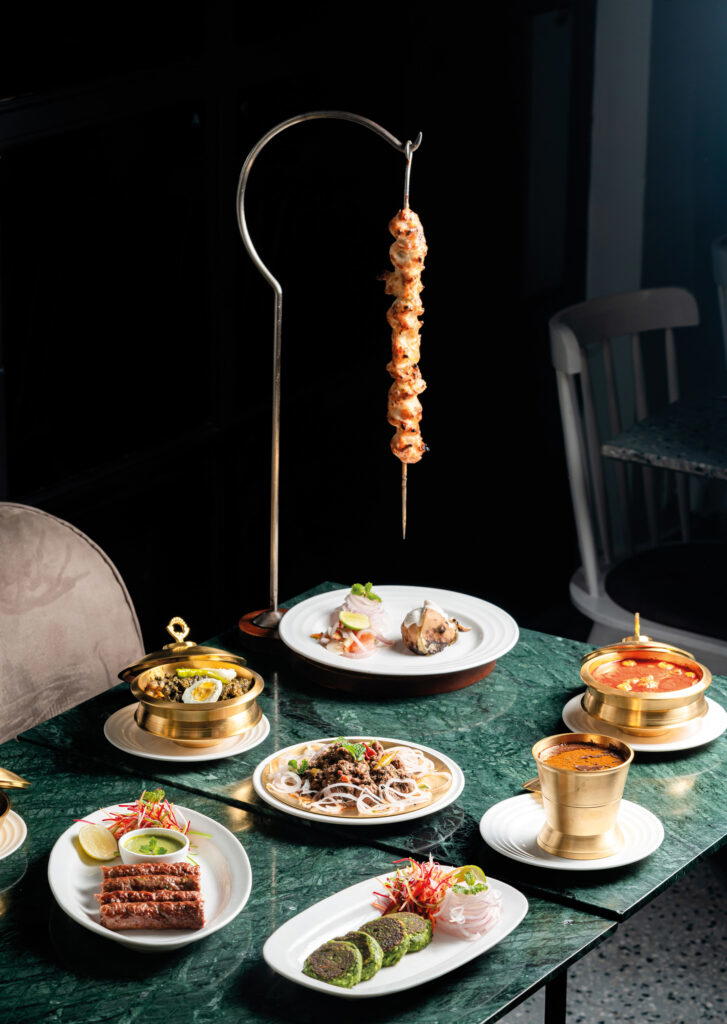
In Bhopal’s Jehan Numa Palace Hotel’s Under The Mango Tree, an exquisite dining tradition is coming back to life. General Obaidullah Khan, the second son of Sultan Jahan (Bhopal’s last begum), who built the colonial-style palace in the 19th century, is the inspiration for the restaurant’s signature experience, General’s Table.
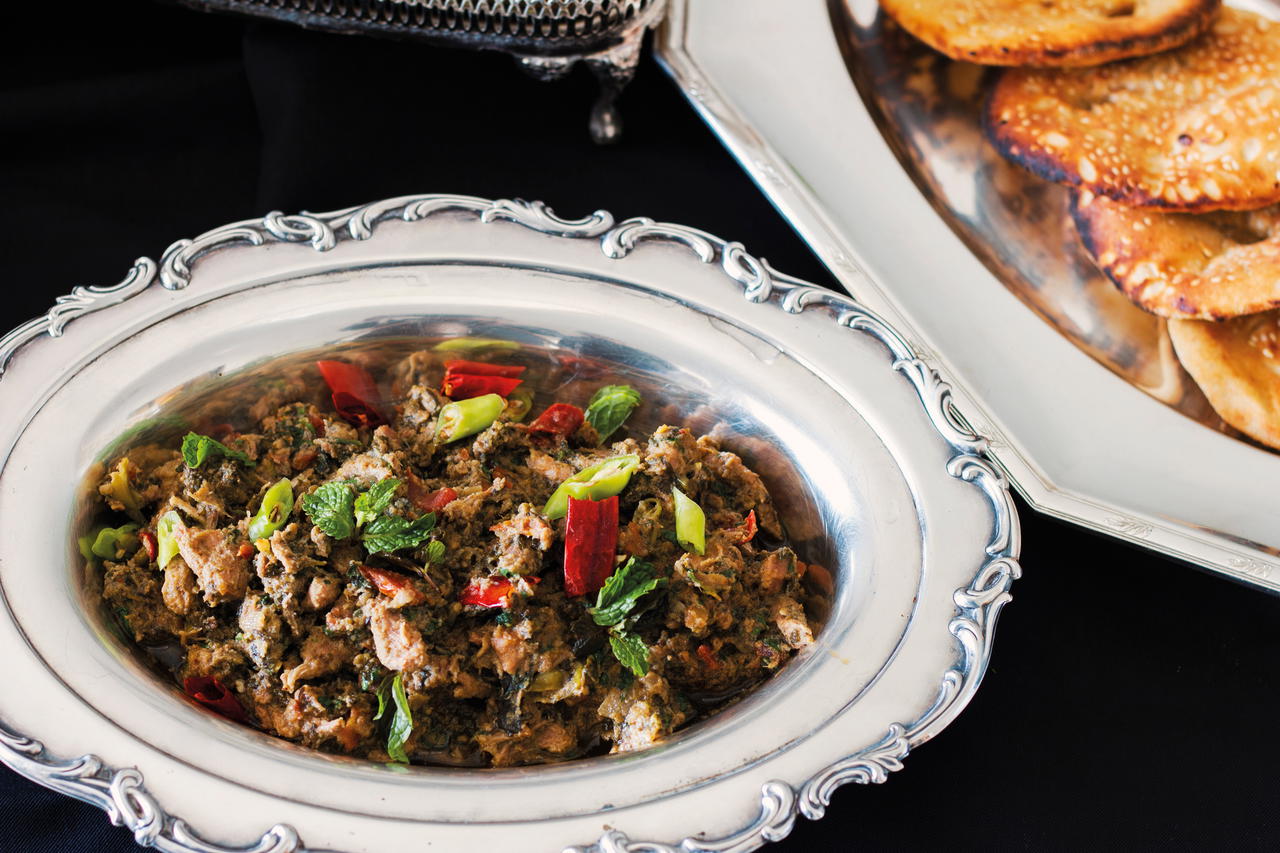
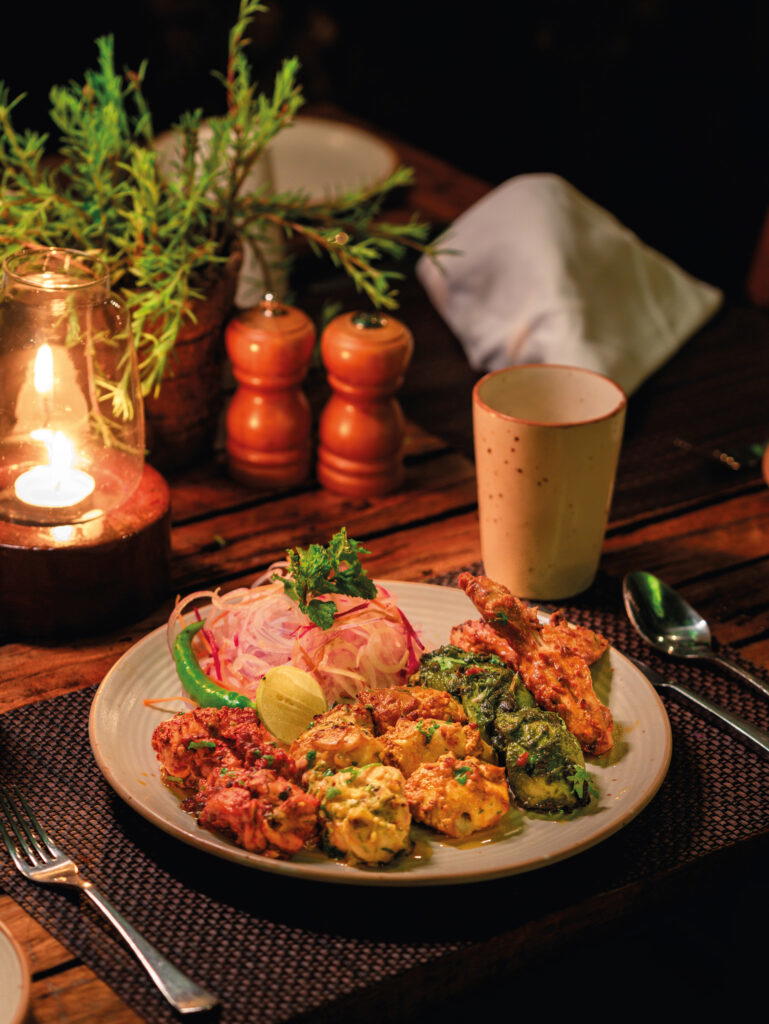
There are over 20 dishes on the elaborate four-course menu. Among them are Yakhni Shorba (nourishing bone broth), Barra Chaap (grilled meat marinated in yogurt and spices), Dhungar Palak Ka Raita (yogurt and spinach smoked to perfection with coal and clarified butter), Bhopali Yakhni Pulao (rice cooked in a lamb trotters broth), and Shahi Tukda (fried bread soaked in cardamom syrup and topped with cream). The textures and nuanced flavours of these dishes represent the rich culture of the erstwhile Nawabs.
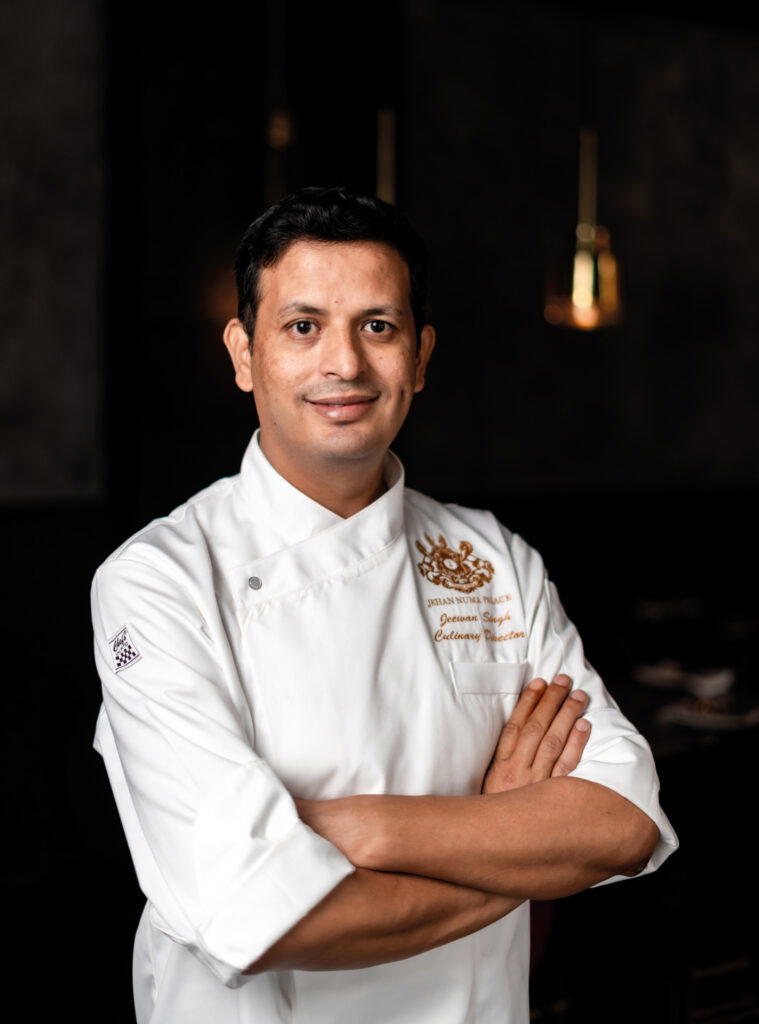
General Khan’s hospitality ethos was centred around food, according to Chef Jeewan Singh, Culinary Director of the Jehan Numa Group. “He looked forward to throwing lavish parties for his guests, mainly British generals and the kings and queens of neighbouring states, who were taken on a gastronomical journey through aromatic, delicately spiced homecooked food.”
“We discovered handwritten recipes passed down over 250 years in our family archives, especially the sumptuous set menu. With General’s Table, we recreate the princely meal with pride and passion, transporting gourmands back in time,” says Faiz Rashid, General Khan’s great-grandson who runs Jehan Numa Group today.
In contrast to other Indian cities, Bhopal’s imperial cuisine can’t be found in city restaurants and eateries. Because it has always been restricted to the royal family, it has become even more precious.
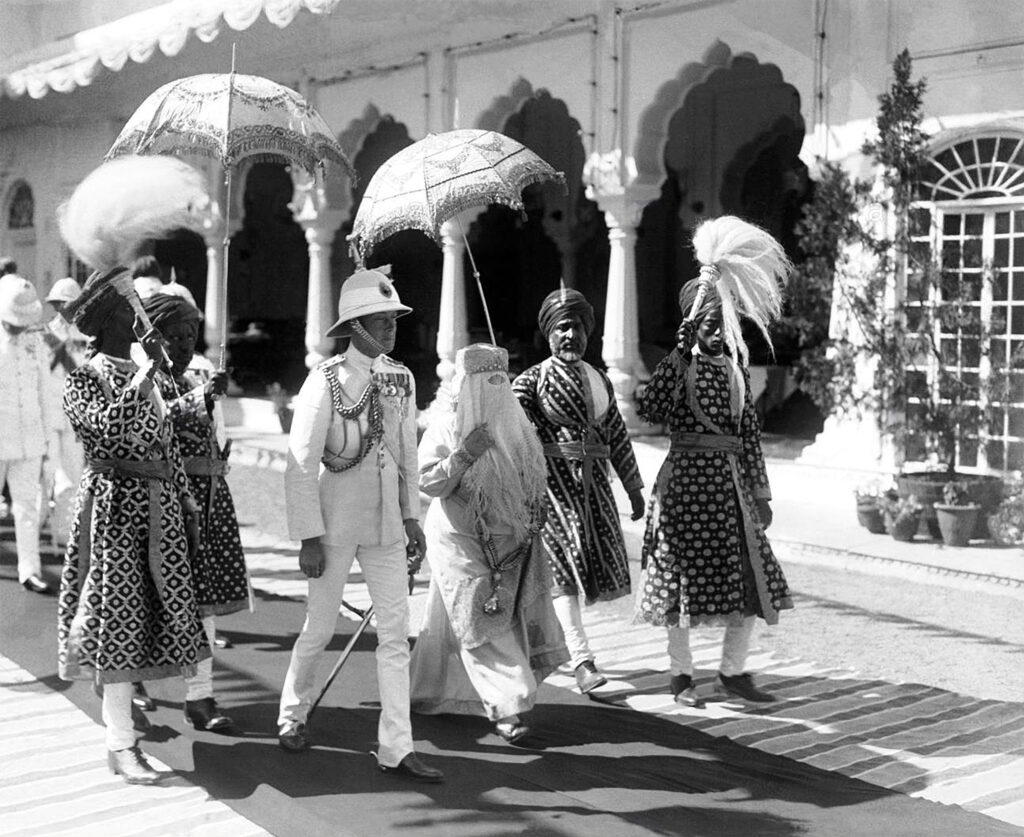
Its culinary story is deeply rooted in its history. Founded in 1722 by Afghan soldier Dost Mohammed, the city was ruled by four begums (queens) over a century, starting in 1819. Not only were these women political pioneers, but they also influenced culture.
During their reign, Bhopali cuisine evolved, a fusion of Mughal and Afghani traditions. In the royal kitchen, matrimonial alliances brought diverse flavours, which the begums refined. Although they didn’t cook themselves, they directed khansamas (male cooks) to incorporate local ingredients and techniques. Dishes were often infused with essential oils like kewra (screw pine) and rose, which became hallmarks of Bhopali cuisine.
According to Chef Jeewan, Bhopal’s cuisine balances the mildness of Awadhi cuisine with the spice of Hyderabadi food. Murgh Bhopali Rizala, a chicken curry made with green coriander particularly suited to the Jashn-e-Hariyali festival, and Filfora, a lamb dish with rustic spices, are some of the restaurant’s signature dishes.
Many recipes, particularly meat-based dishes like Filfora, owe their origins to the royal hunting expeditions led by the begums. The region’s lush surroundings supply a bounty of local greens, such as chaulai (amaranth) and chukke ki bhaji (green sorrel), that are used in vegetarian dishes like Mausami Tarkari.
Jehan Numa Palace Hotel is committed to preserving this culinary heritage. Chefs frequently train with the family’s khansamas at the royal kothi to ensure traditional methods such as dum cooking (cooking food slowly in a sealed pot over a long time), bhaghar (tempering), and potli masala blending (a mix of traditional herbs, roots, and spices tied together in a muslin cloth and added to the cooking pot) are maintained.
With royal cuisine largely confined to private dining rooms in the past, General’s Table offers the rare opportunity to savour the flavours and stories of Bhopal’s regal past.