

Benedict Lim wants to make soya milk more appealing to younger generations. Once predominant in Asian culture, it has quietly fallen out of favour with younger consumers. “Plant-based milk, particularly soya milk, is a significant category in Asia due to its traditional roots as a staple. The market was valued at over $4 billion in 2025,” Lim highlights.
Focus Insights’ 2024 market report showed that it still leads plant-based milk consumption in Singapore by 37 percent, followed by oat and almond. Lim, however, believes the category has a perception problem. “A lot of young adults have stopped drinking it because they don’t like its beany taste. That’s a shame because soya beans are so nutritious,” he says.
Despite this, Lim remains committed to developing newer, better soya milk options, and with good reasons. Even though dairy milk remains a global staple, the health-conscious are becoming increasingly aware of its lactose intolerance problem among Asians.
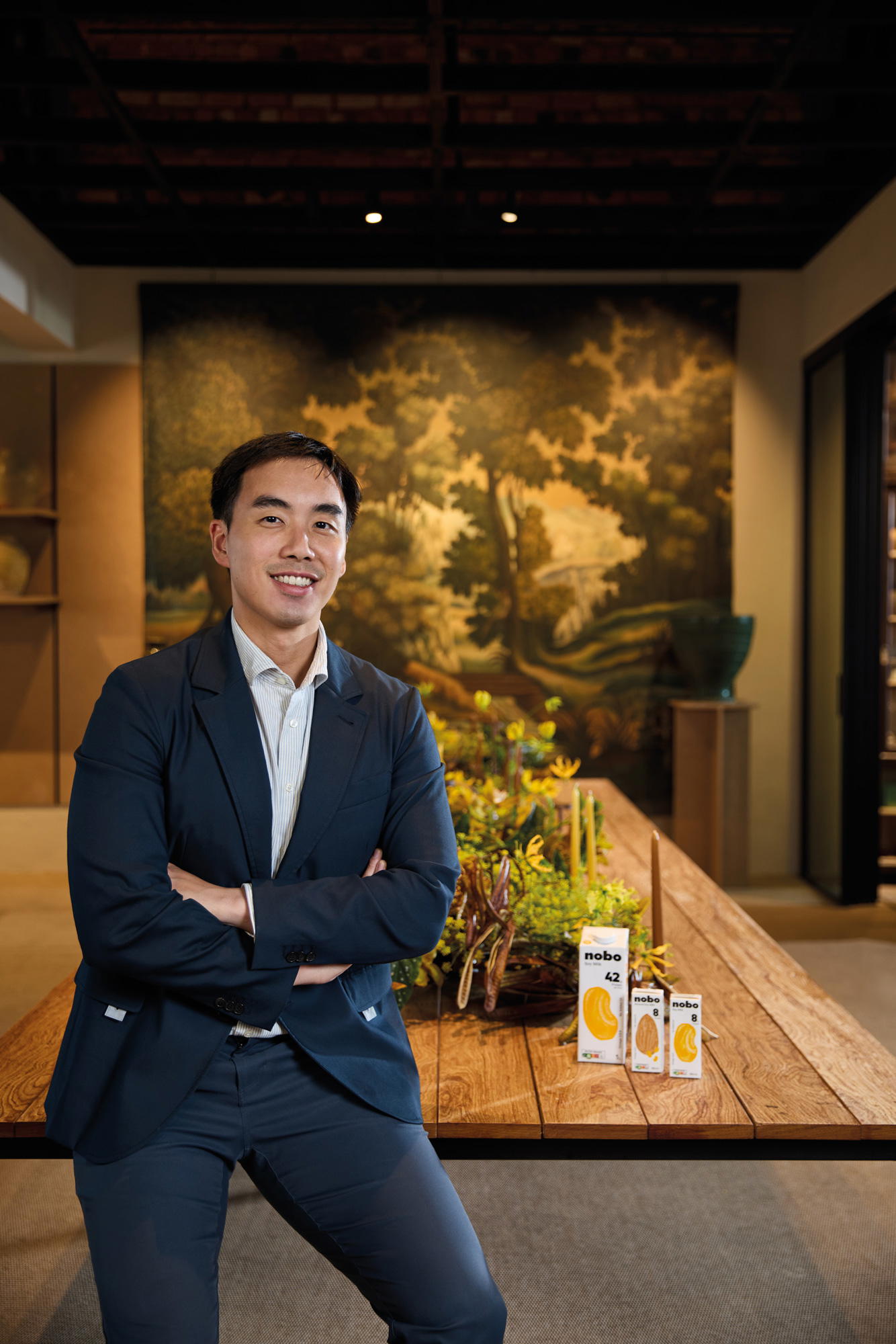
Drinking dairy can lead to bloating, abdominal cramps, diarrhoea, gas, and nausea. Furthermore, many are mindful of the problems associated with saturated fat intake or sensitivities to dairy proteins. Plant-based options are increasingly popular in Asia due to all these concerns. It’s a curious gap in the market for someone like Lim, whose company has redefined the plant-based milk category in Asia. Since founding Oatside in 2020 as a pandemic-era startup, the former CFO of Kraft Heinz Indonesia has scaled the company into one of the region’s fastest-growing consumer brands.
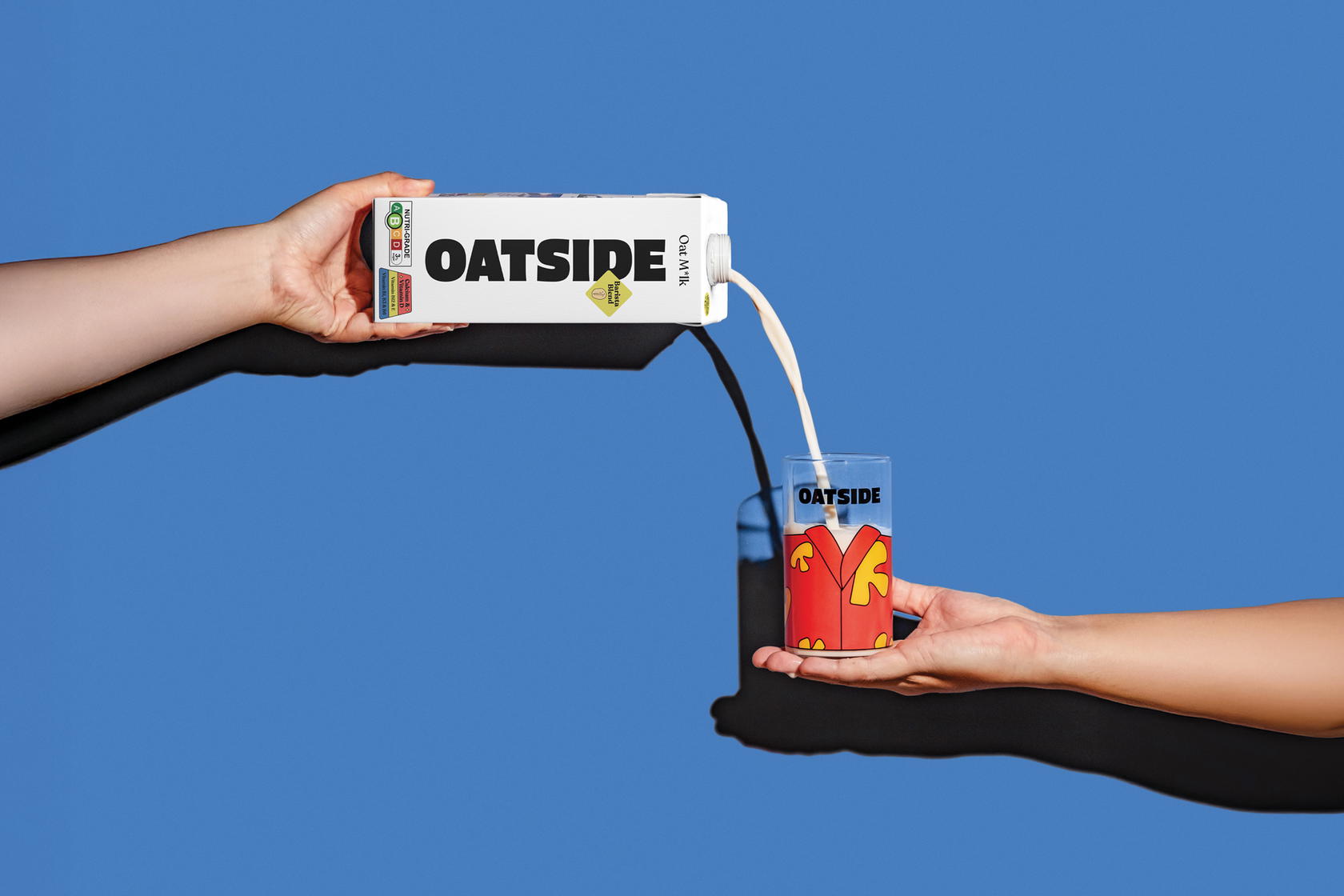
Oatside’s first products hit the shelves in 2022 and have since expanded into 18 countries. Its portfolio includes Oatside Core Range (Barista Blend and Chocolate), Coffee Series (Caffe Latte and Caramel Macchiato), Tea Series (Matcha), Protein, and Kids-Friendly (Oatside Chocolate Malt).
The company’s growth has been striking. In 2024, Oatside reported approximately US $74 million ($94.7 million) in revenue, nearly doubling from about US$41 million in 2023. As a result of its rapid expansion across Asia, particularly in cafes and retail channels, it has become one of the region’s fastest-growing alternative milk startups. Consumer-packaged goods (CPG) startups that grow 50 to 100 percent year-on-year are typically classified as high-growth, demonstrating success.
A secondary share sale to Far East Capital late last year valued Oatside at US$705 million, reflecting a share price of US$240 per share. This valuation, roughly seven times revenue, is uncommon in the CPG world, where most established brands trade at one to three times sales.
Three reasons contribute to its premium status. Firstly, Oatside tripled its revenue between 2022 and 2024. A second advantage is its “fullstack” model. The company owns its manufacturing facility in Bandung, which gives it greater control over production costs and margins compared to brands using contract manufacturers.
Lim explains that this approach also directly impacts product quality and innovation. “Being in charge of our own manufacturing allows us to source the best ingredients and design specific processing techniques that significantly improve the taste, texture, and consistency. It also means we can maintain strict quality standards while scaling the business across different markets.”
Finally, scarcity: few Asian brands have successfully taken market share from global players like Swedish brand Oatly. While Lim retains a founder’s stake in Oatside, private equity and venture capital firms own the majority of the company. They are Temasek Holdings, its primary institutional investor; Japan-based Arabica International, which owns the Arabica coffee chain in over 200 countries; Indonesian venture firm AC Ventures; and early angel investor and Singaporean entrepreneur Wee Teng Wen.
Through his years in corporate roles, Lim learnt a lesson that continues to guide how he approaches product innovation. “Never launch a me-too product and try to take market share from an incumbent,” he says. “It is crucial to stand out with a high-quality product and aim to create a category rather than merely compete within an existing one.”
That philosophy has guided Oatside since its inception. When it launched in Southeast Asia, the oat milk category itself was still in its infancy. Even so, Lim says with pride, Oatside focused on creating its own distinct niche rather than competing with established brands.
From building one of Asia’s most prominent oat milk brands, Lim turned his attention to developing something more personal. “I grew up drinking soya mik for breakfast every day,” he says. Even though he drinks it less often now, it still appeals to him because it’s nostalgic as well as nourishing, and he likes the beany taste.
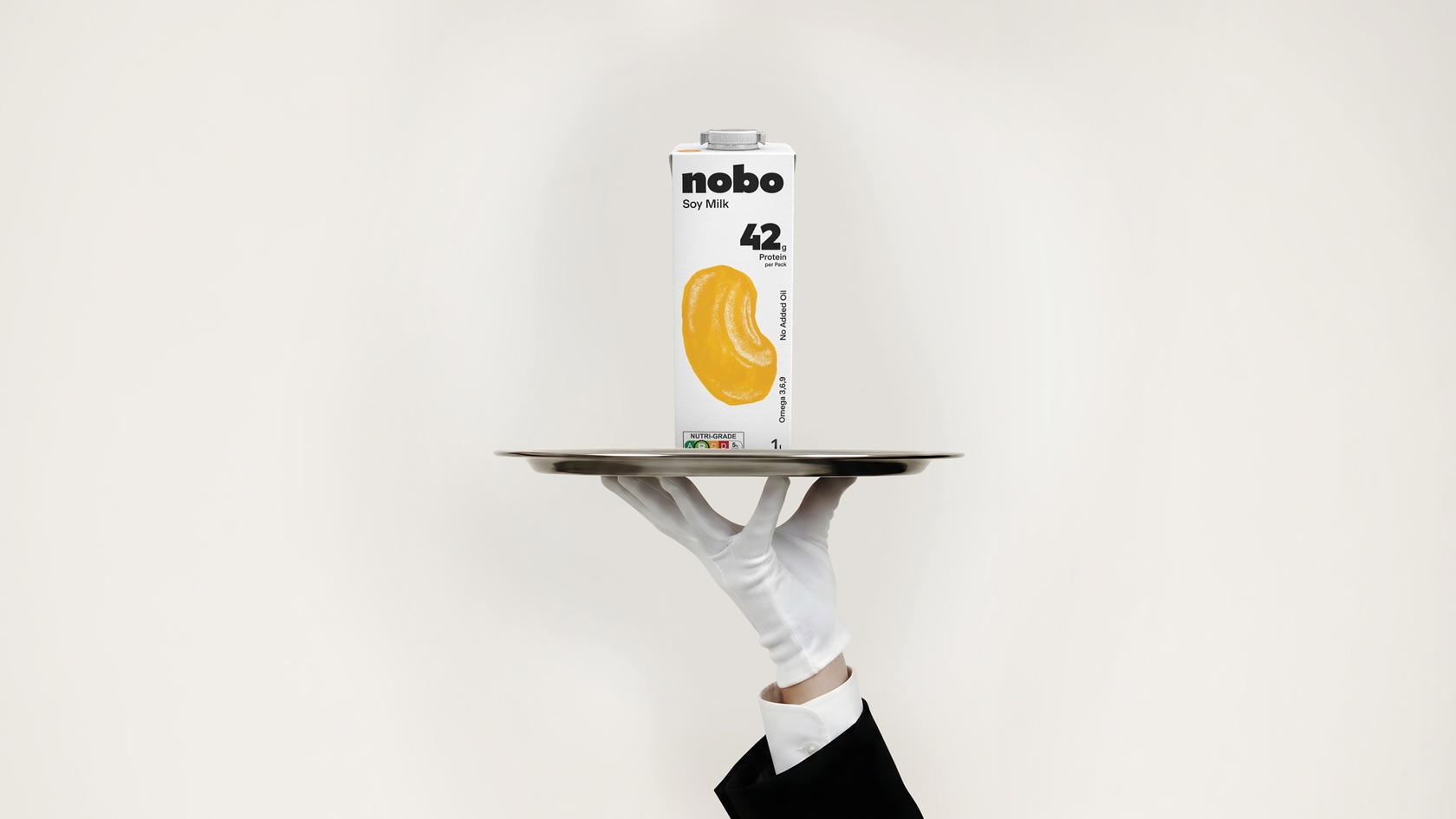
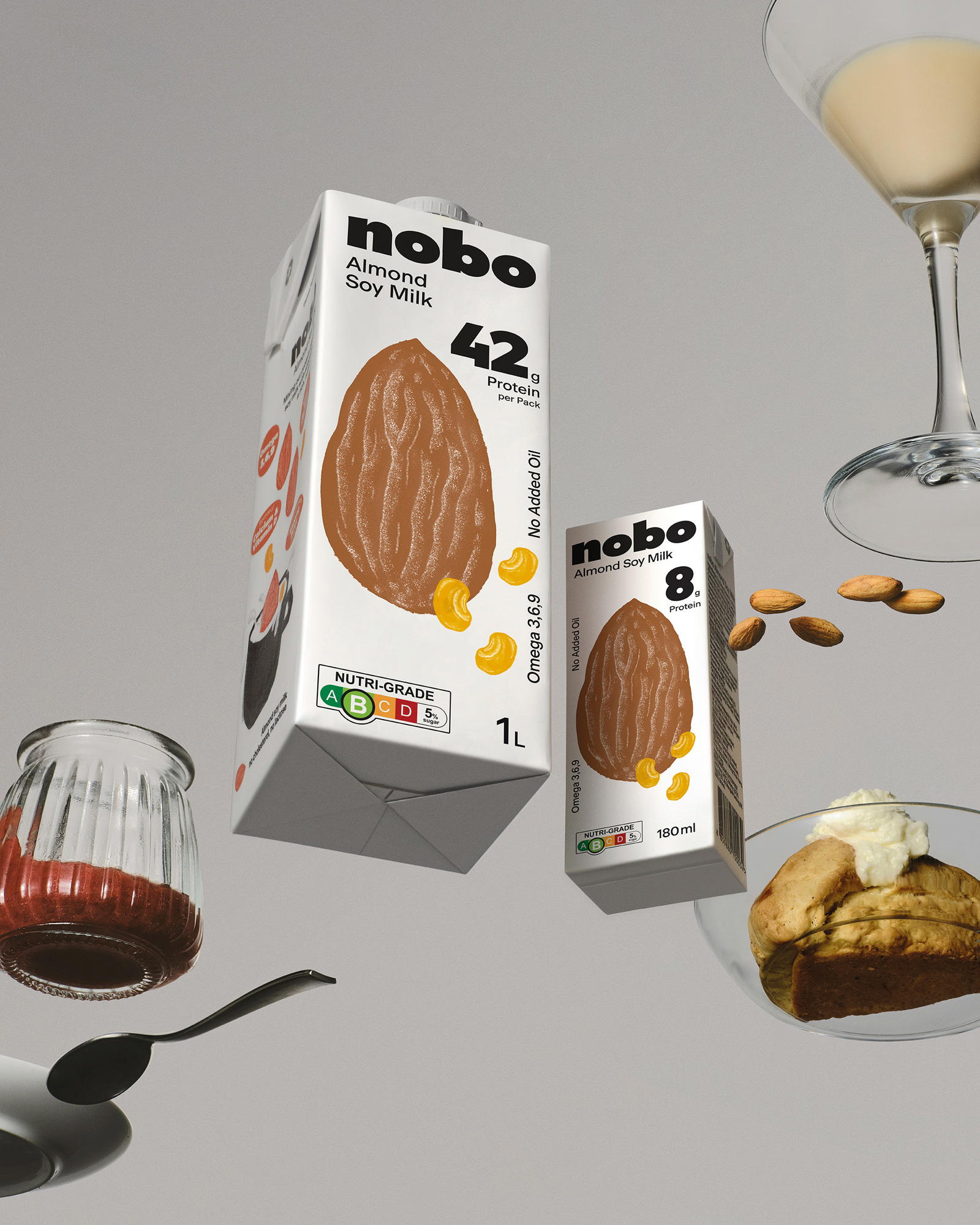
To shake up the soya milk category (long dominated by legacy brands like Yeo’s and Nutrisoy) for new generations of drinkers, he launched Nobo Soy last month. “With Nobo, we wanted to make a product we could feel good about drinking. Something with a roasted kinako profile, a low beany taste, and a high protein level of 4.2g per 100ml, while keeping clean labels with no oils, emulsifiers or added protein powders.”
In Lim’s opinion, it reflects what younger consumers are increasingly seeking in modern food brands, such as good nutrition, transparent ingredients, and great taste. Nobo is made with non-GMO Canadian soya beans, which are widely used in tofu, milk, natto, and tempeh, and typically contain 40 to 43 percent protein.
The beany flavour is often attributed to lipoxygenase, a naturally occurring enzyme that oxidises fatty acids once the beans are crushed. Nobo’s in-house factory prevents oxidation and substantially reduces the beaniness by using a double extraction technology and a precise cooking and flash cooling process. “Basically, our double extraction process presses the beans twice to get a higher protein concentration for our liquid base,” he explains.
As a result, Nobo contains protein nearly double of that in typical packaged soya drinks and about 40 percent more than dairy milk. Besides calcium, vitamins D, B1, B3, B6, B12 and E, as well as omega 3, 6 and 9, it also contains all nine essential amino acids. In addition, it achieves its creamy texture without the gums, emulsifiers or oils commonly found in plant-based milks. Initially smooth, Nobo offers a lightly roasted, creamy mouthfeel, and a balanced flavour that is not immediately recognisable as soya milk.
For its launch, Oatside partnered with Vietnamese fashion label Chautfifth to create a one-of-a-kind handbag inspired by the humble soya bean. The food industry today does not just exist on shelves, as Lim points out. It is increasingly connected to culture, identity, and lifestyle. And food brands can engage in cultural conversations in the same way fashion, art, or design brands do.
Chautfifth was a natural fit for Nobo because of its playful yet thoughtful design philosophy and distinctive silhouettes and colourways. It took the Nobo brand’s main character and transformed it into a playful handbag in the shape of a soya bean. “This reflects how consumers interact with brands now. People enjoy products that appeal to their emotions and cultural heritage, rather than being merely functional,” Lim adds.
The move isn’t a pivot away from oats, but an expansion of a market Lim has energised. Nobo modernises an Asian staple Lim hopes the next generations will enjoy drinking again, just as Oatside proved that an Asian brand can more than hold its own against global giants.