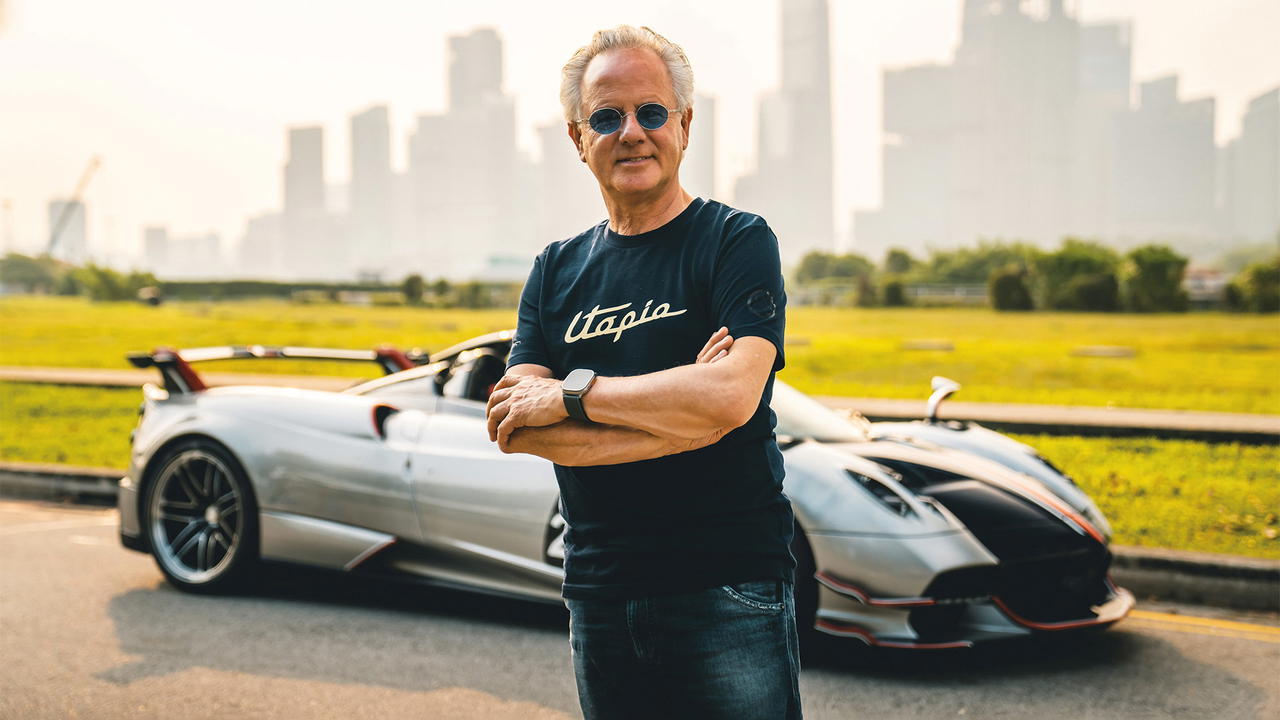
Horacio Pagani is a slight man, an irony considering his passion for beastly, muscular cars that can reach top speeds higher than a jumbo jet taking off. The Argentine, 68, has been building cars since he was 20, first on his own, and then with Renault and Lamborghini. His widely documented rise through the ranks is legendary. At Lamborghini, he did odd jobs, swept floors and cleaned desks.
Eventually, the Italian marque recognised his design and engineering prowess. Rising through the ranks, Pagani eventually became chief engineer. They parted ways, however, because of creative differences. He wanted an autoclave—a machine that can bake and cure carbon fibre parts. Lamborghini declined, stating that its equine competitor didn’t have one.
So, Pagani left, started his own company and bought an autoclave. It was a crazy move. He had to mortgage his house to afford one, but his fascination with carbon fibre had grown far larger.
It’s the main reason Pagani still has fond memories of the first car he ever built with his eponymous badge. “The team was so tiny back then in 1999. There were only five of us and we were finally unveiling our vision to the world,” says Pagani, his Italian words translated by his son Christopher.
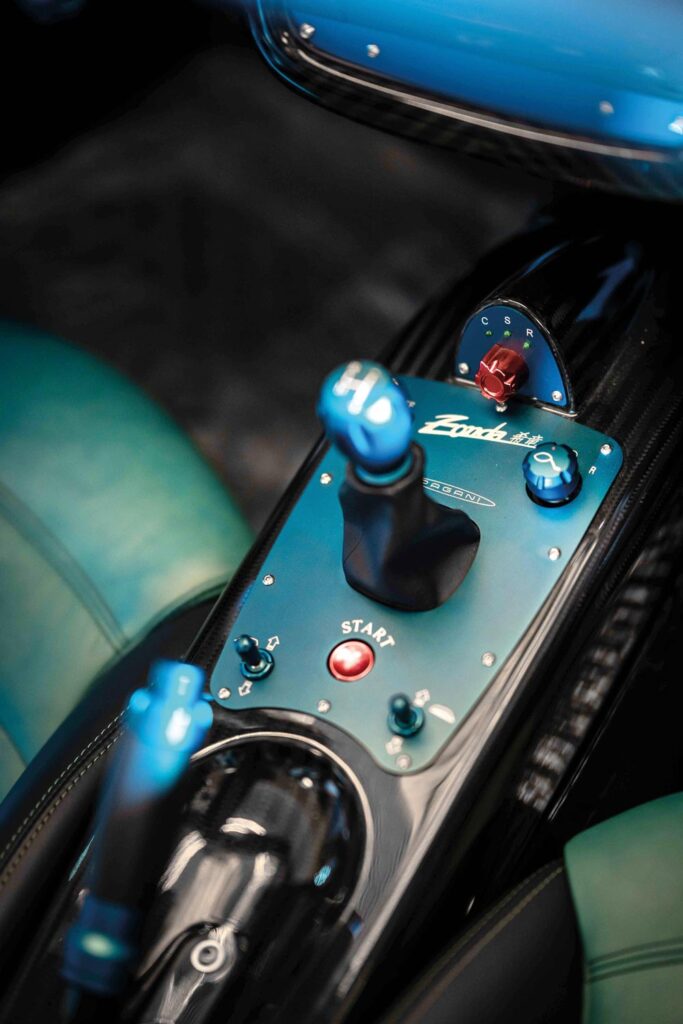
That carbon fibre vision was the Zonda C12, named for the hot air current above his home country—and it moved just as swiftly. The crowd at the Geneva Motor Show was abuzz at Pagani’s debut. As a result, he created multiple iterations of the Zonda in different specifications and colours, but all boasting the same futuristic avant-garde body shape and incredible power.
Pagani’s next car appeared over a decade later in 2011. He stuck to the wind theme, calling it Huayra after the Incan God of wind Huayra-tata.
The world had to wait another 11 years for his third, the Utopia. “It’s easy to follow trends, but it’s hard to design something new while making sure it’s timeless,” says Pagani, referring to the long production process times. “I’m always pushing my designers to create something new. As long as it’s original, I don’t care if it’s beautiful or ugly.”
Meticulous to a fault, he also admits to spending absurd amounts of time refining every part of the car. It’s an obsession and he doesn’t apologise for it. He is, however, open to feedback. “With no customers, I had to develop the Zonda on my own. I had to think about what my potential client would want in a car. The Utopia is a different story. It’s the result of the two-way dialogue between my customer and me.”
That conversation is becoming increasingly electrified. Growing climate concerns and global legislation have forced automakers to create modern electric cars to replace their ICE (internal combustion engine) ranges. Super- and hypercar marques are also building electric models to keep up with shifting consumer wants.
Pagani believes in electrification. In 2018, he started research on the technological requirements needed to create a fully electric Pagani hypercar that matched his vision. An unveiling might not occur anytime soon, however.
The challenge, according to him, is that the team is trying to build something that isn’t yet possible with current technology. It’s akin to going to the supermarket and trying to find ingredients to bake a chocolate cake without chocolate.
“Current technology goes against Pagani’s ethos. Our cars are extremely lightweight. We believe in building a vehicle that is the pinnacle of material design, so we cut as many grams as we can to make it more dynamic,” says Pagani. Unfortunately, because of the battery’s weight, electric cars are significantly heavier than their petrol-powered compatriots.
“Also, there’s no sound, gear changes or driver engagement,” Pagani continues, smiling. For him, an electric car gets the passenger from point to point. Pagani is more interested in what happens between those two points.
Still, he relishes a challenge and isn’t giving up on an electric Pagani car. It might take another 11 years, but he has time.