At press time, Singapore is home to two Pagani Huayra Roadster BC vehicles. There is one in a bonded warehouse, purchased by a collector who likes to admire the car’s aesthetics when it’s stationary. There will never be a wild sighting of this car. The second, however, will occur eventually. For the right to drive the car on Singapore’s roads, the anonymous buyer paid a cool $8 million. That cost is in addition to the approximately $5.7 million he or she paid to own the car.
Seeing a Pagani in person is like jostling for a position at the front of a line to view the Mona Lisa at the Louvre. You may initially feel awkward as the tendrils of a small thought about why it’s not more impressive begin to wrap around your mind. However, like arguably the globe’s most famous painting, the Pagani Huayra Roadster BC’s beauty lies in its details.
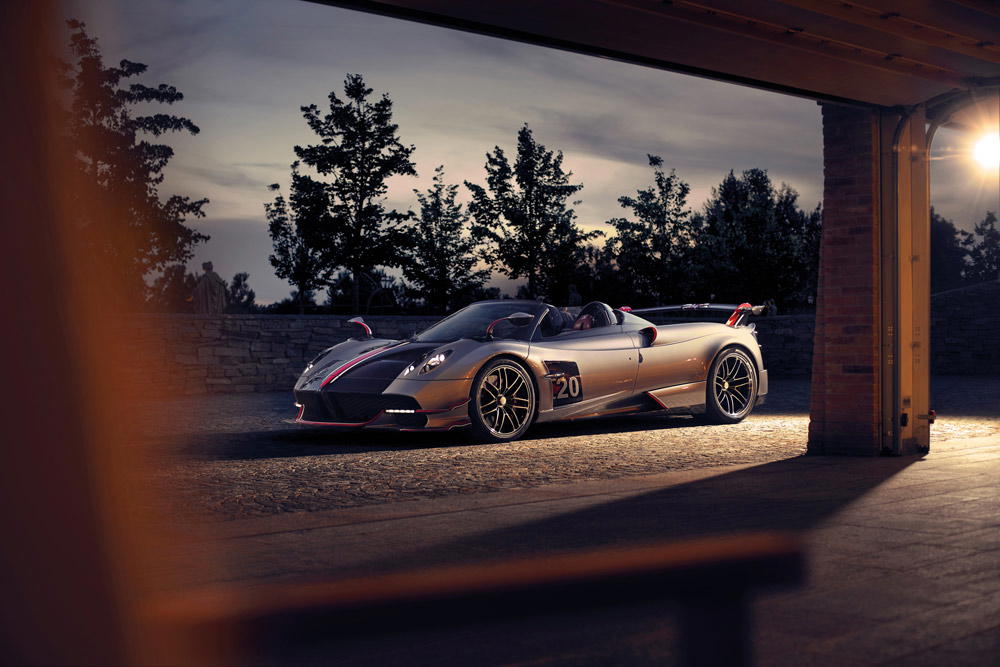
The car is built entirely by hand and dedicated to the first-ever Pagani customer Benny Caiola, hence the acronym BC. The Italian entrepreneur, who passed away in 2010, and Horacio Pagani were good friends and passionate car lovers.
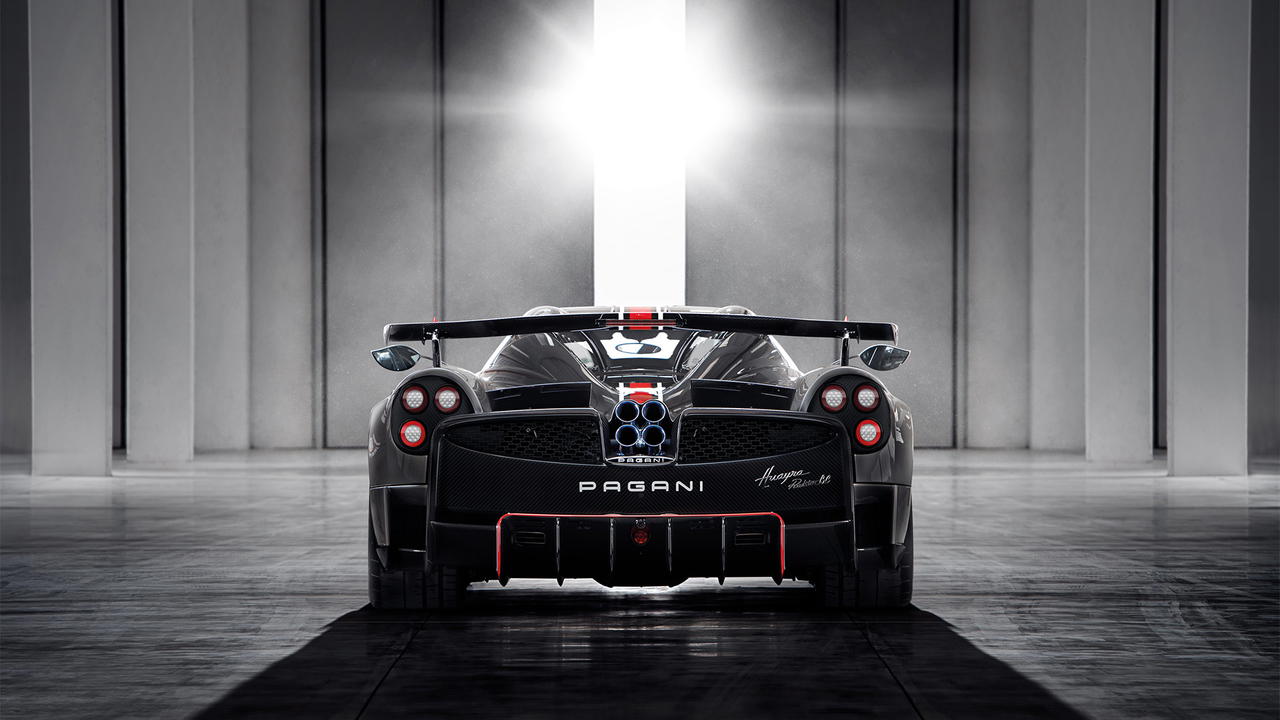
The carbon fibre bodywork is moulded perfectly, with everything fitted around the chassis like a warm hug. Pagani’s continuous research into the material has yielded incredible weight-saving results.
Like a champion prizefighter, the car weighs in at 1,250kg, 30kg lighter than its peer, the Huayra Roadster.
The interior is a tactile dream. Plush leather-wrapped seats with ventilation holes, analogue gauges that are a welcome sight in a digital world (I will save my passionate rant about the digitalisation of car dashboards for another time), a wooden shift knob reminiscent of the one in the Porsche 917—Horacio’s favourite car—and much more.
The Huayra Roadster BC oozes personality from every orifice, including the six exhaust pipes at the back that belch thunderous fury, thanks to an AMG- engineered 791-hp twin-turbo 6.0-litre V12 engine, when you press the accelerator.
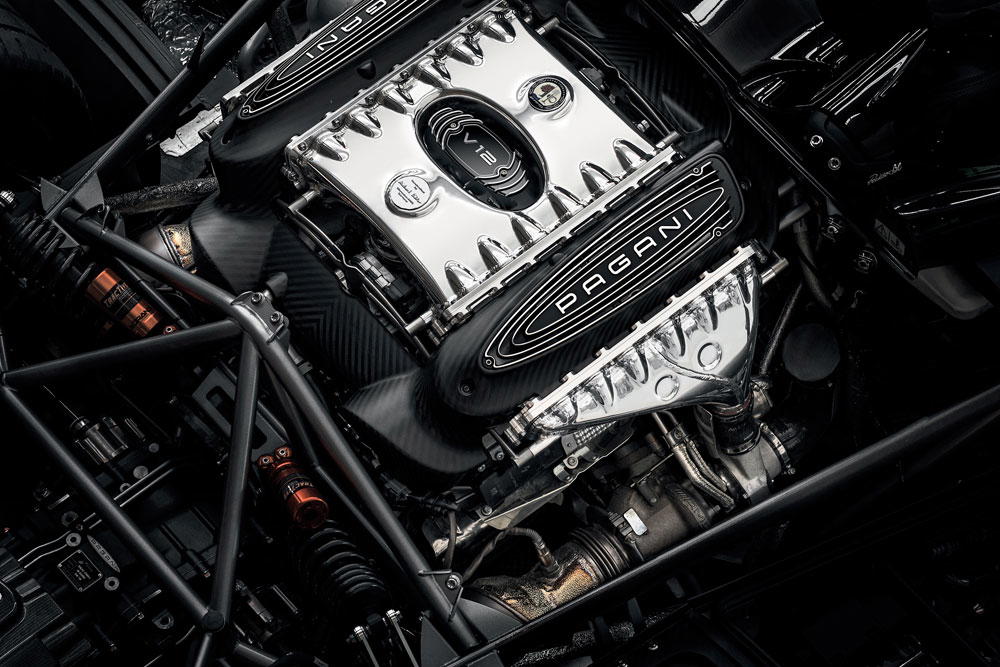
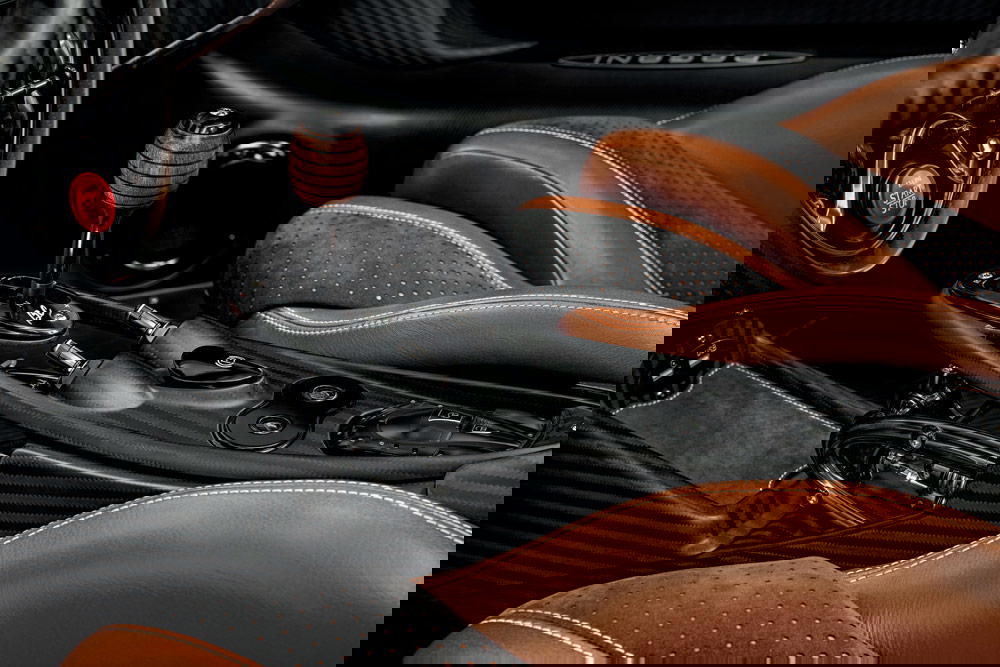
Even the leather straps that lock the front and rear clamshells and secure the boot are exquisitely made.
My only gripe is the side mirrors, which stick out like an insect’s antenna along the fender. The mirrors were the first design choice in the first Huayra in 2011, but with each iteration they have slowly curved into their current shape. A sore thumb in an otherwise beautifully crafted, curved carbon fibre package.
I usually reveal how the car drives in this part of the story, but it’s a Pagani. The ride alone isn’t what makes the car appealing. I haven’t piloted it either, but you don’t have to drive it to appreciate the immense work that went into it. The car is a labour of love.
Pagani says only 40 Huayra Roadster BC cars will be built—most of which I suspect will reside in warehouses all over the world. Except for the one in the wilds of Singapore, made possible by a driver with deep pockets and an even deeper appreciation for the sounds one makes. A visceral piece of art.