The dining scene in Bangkok is on fire. For one of its most anticipated recent openings, that is not just a figure of speech. At one point during the three-hour Gaggan Experience in chef Gaggan Anand’s new 14-seater, German heavy metal band Rammstein plays loudly, and the flame of a chef’s blowtorch is the only lighting in an otherwise pitch-black room.
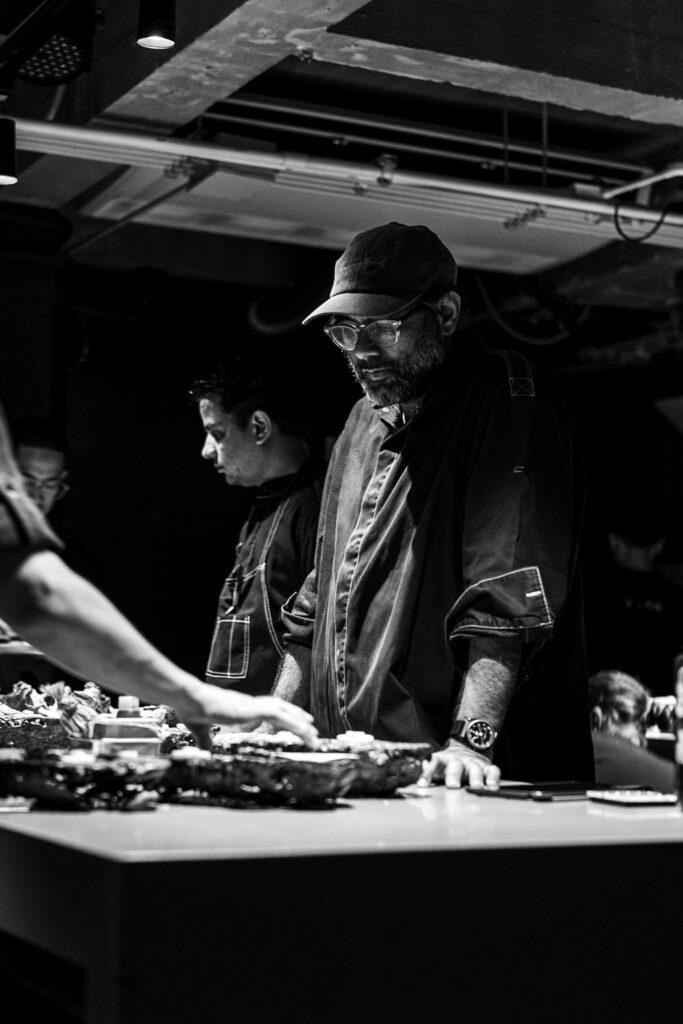
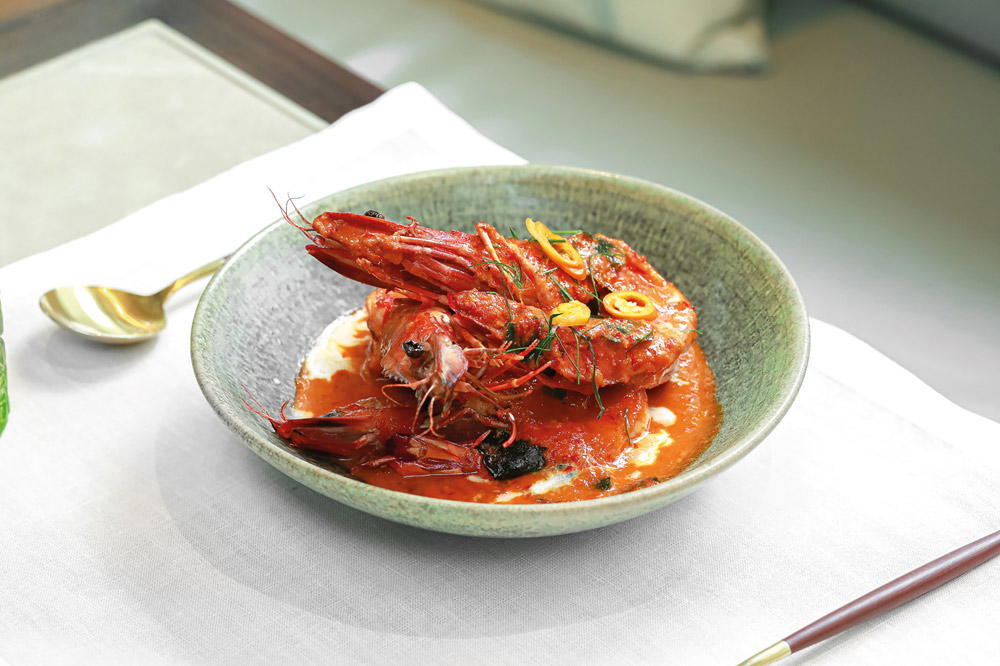
Chefs are putting the final touch to fish paturi, a Bengali dish from Anand’s childhood. In Gaggan Experience’s version, seabass is smothered in mustard paste and wrapped up in banana leaf. The package is cooked in cedar wood and given a last blast of live flame before being brought to the table, still glowing orange.
There is fire, but there is also ice. In another dish, diners are instructed to lick a bowl made of ice. Whoever has the bowl supposedly spiked with vodka will win a prize. Games and interaction run throughout the night, kept at a galloping pace by the force of Anand’s lively personality and his “rules”. The main one: diners must be silent when he speaks—and he speaks a great deal.
As he weaves in tales of cultural heritage, immigration, and sustainability, he also throws in a cheeky, cuss-laced comment on our obsession with social media.
He has kept some of his classic dishes, including the ever-popular Yogurt Explosion, a signature dish which should be eaten in one bite to experience the burst of flavours in the mouth. It’s from the previous incarnation of Gaggan that he closed in 2019 after it held the top spot on Asia’s 50 Best Restaurants list a record four times. Otherwise, it is a new menu and a novel experience, guaranteed to entertain, shock, and intrigue.
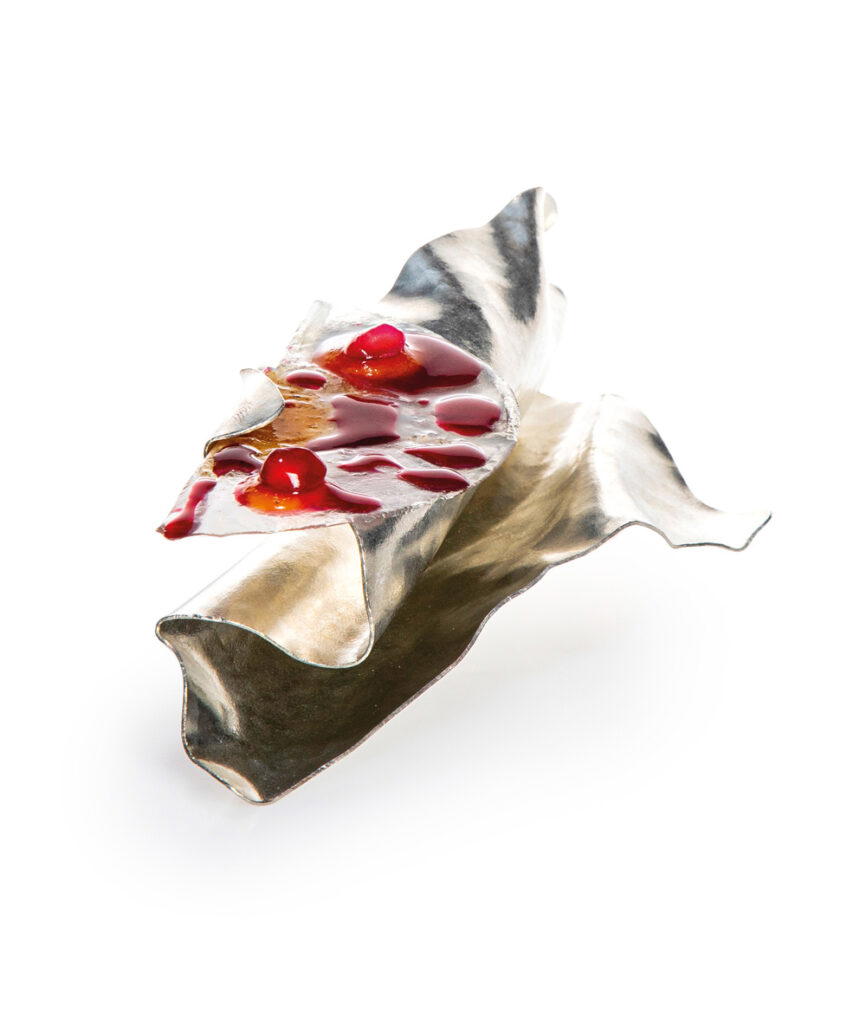
Anand is just one of several big personalities pushing the boundaries of gastronomy and turning Bangkok into one of the hottest dining cities in Asia. Another is the ever-cheerful and energetic Thitid Tassanakajohn, also known as Chef Ton.
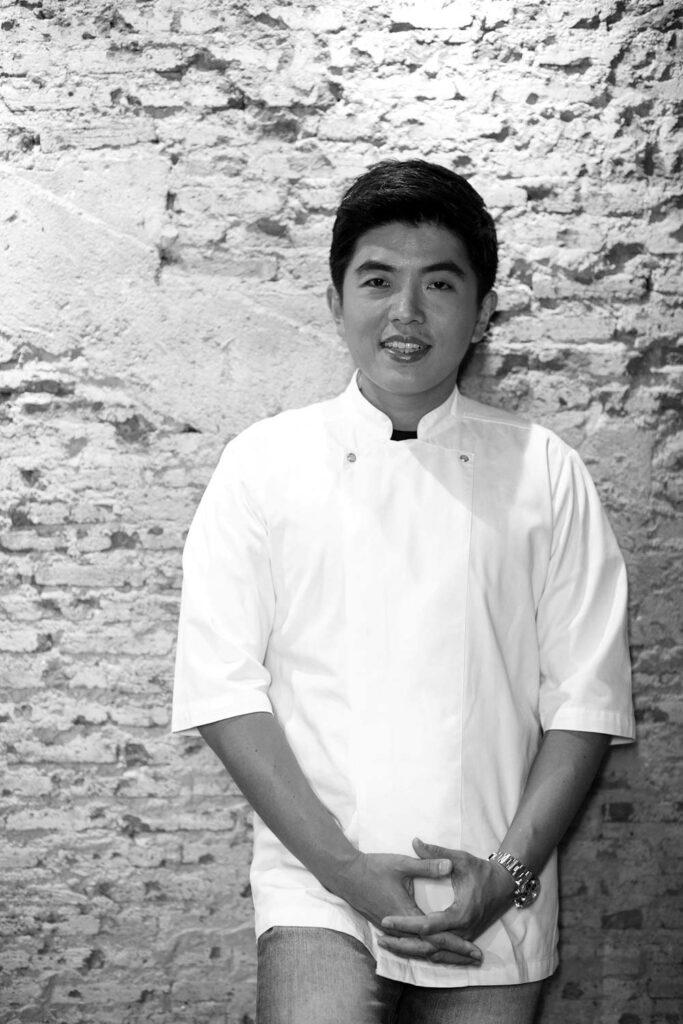
He believes that part of the Thai capital’s appeal as a dining destination is that there is delicious food at every level. “You can get tasty food across the board, from street food to the fanciest fine dining, at prices that are much more affordable than in neighbouring countries, such as Singapore or Hong Kong.”
Ton brought a new focus to Thai cuisine when he returned from culinary training in the US and worked at lauded restaurants such as Eleven Madison Park in New York. In 2013, he opened Le Du, a warmly welcoming restaurant serving Thai cuisine with a creative twist. Going from strength to strength, Le Du won a Michelin star in 2019 and stormed into the top spot in the Asia’s 50 Best Restaurants 2023 awards that took place in Singapore in March. Nusara, where Ton prepares family recipes, opened in 2020, and Lahnyai Nusara, its more experimental sister venue, in late 2021.
There are now more chefs focusing on Thai cuisine in the capital. Chef Supaksorn “Ice” Jongsiri opened Sorn five years ago as he felt Southern Thai food was not well represented, and Bangkok was missing “authentic Thai cooked by a Thai”. Sorn is now ninth on the Asia’s 50 Best list and No. 39 of the World’s 50 Best Restaurants. It’s the highest-ever position for a Thai chef cooking authentic Thai food.
Also flying the flag for local cuisine is Chef Pichaya “Pam” Soontornyanakij. She blends tradition with modernity in her contemporary take on Thai-Chinese cuisine at one-Michelin-starred Potong. Serving diners in a Sino-Portuguese building that used to be her family’s Chinese pharmacy, she infuses her innovative 20-course set menu with storytelling.
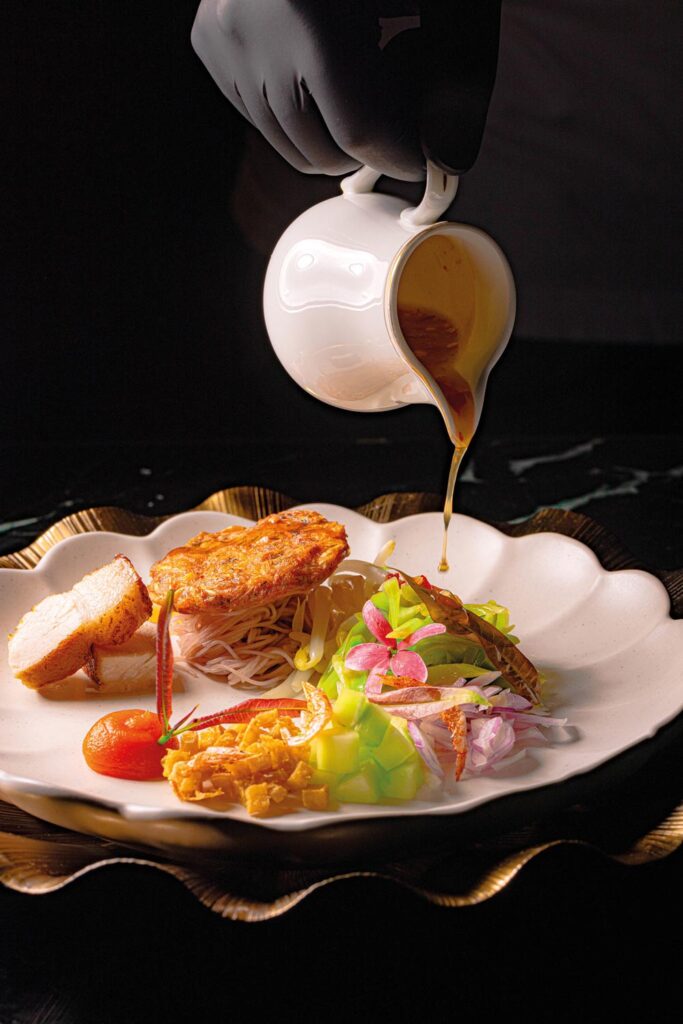
Other female chefs are also making their mark on Bangkok’s culinary landscape. Chef Tam Chudaree Debhakam brings a farm-to-table ethos to her beautifully presented, newly Michelin-starred, contemporary Thai tasting menu at Baan Tepa, while Kannika Jitsangworn serves traditional dishes from across the country with modern plating at Phra Nakhon at the Capella Bangkok.
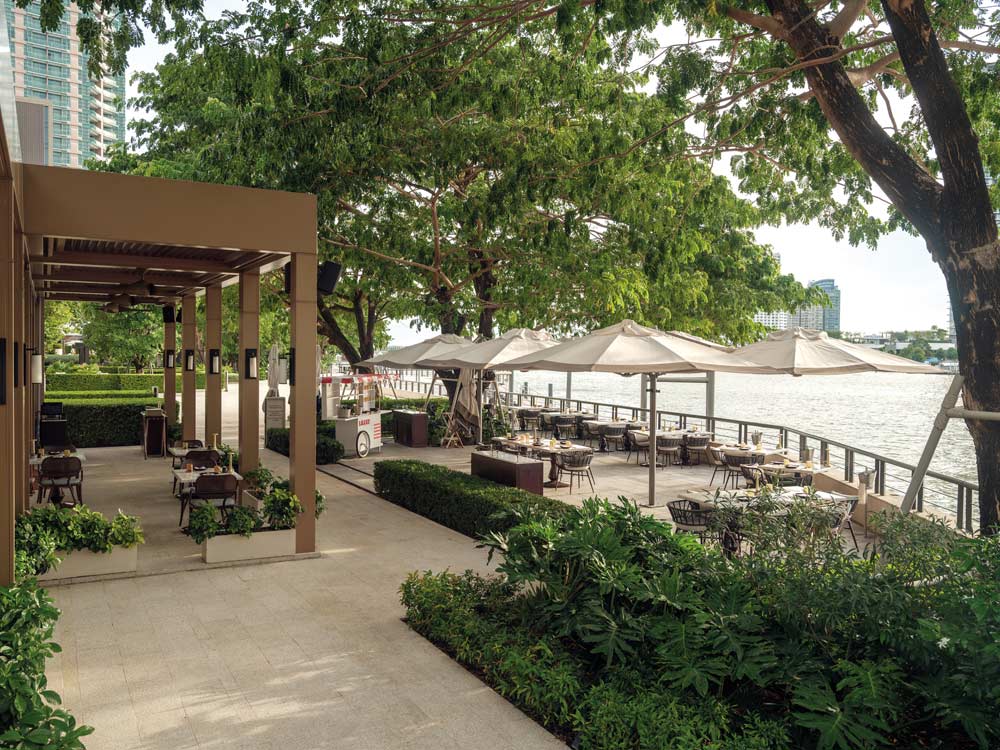
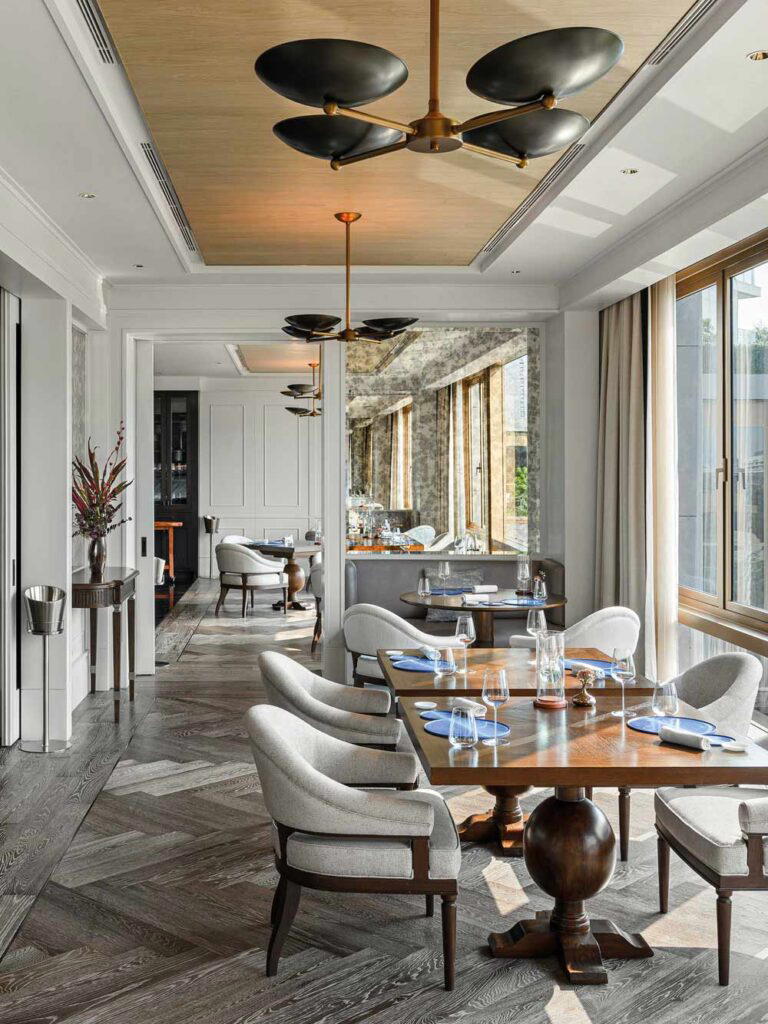
The latter sits among the trees on the bank of the Chao Phraya River and is a breezy, serene spot for alfresco lunches when the weather is cool. When the mercury rises, diners retreat indoors.
Bangkok’s dining scene is set to flourish, says Ton. “It will be exciting in the next few years, with talented new chefs from across the country cooking regional Thai cuisine. On the flip side, some new restaurants are opening before they are even ready. I believe some may not survive and those that do will have a big impact on our cuisine and pushing it forward.
“The recent trend of Thai chefs returning to their roots is a positive development, but we must also look forward and continue to elevate our culinary heritage.”
Beyond the homegrown cuisine that makes Bangkok an appealing destination for food lovers, the city also provides exceptional tastes from all over the world, from avant-garde Indian to contemporary European.
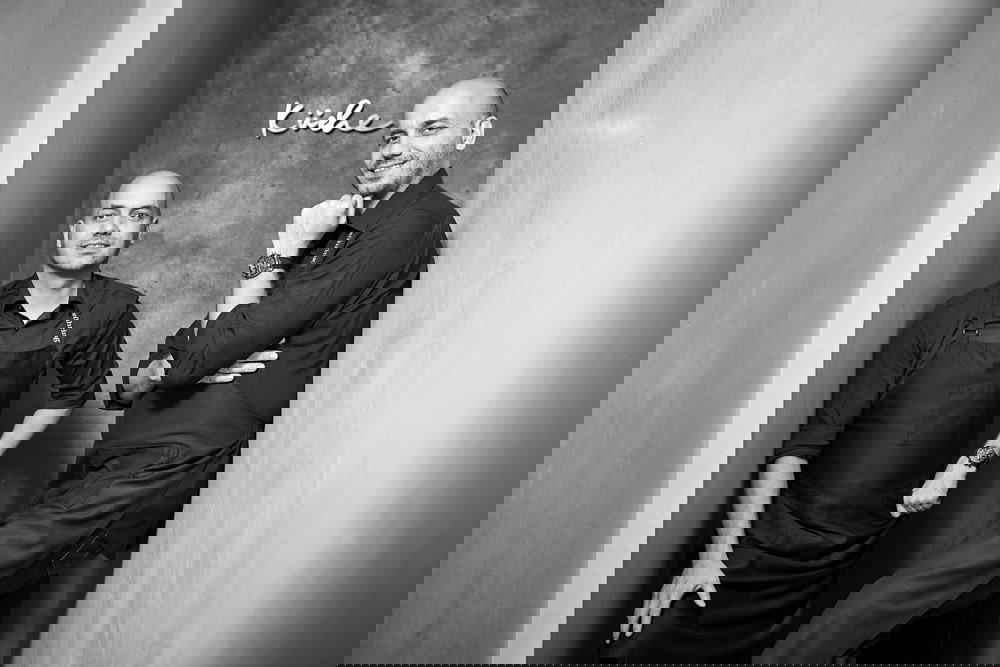
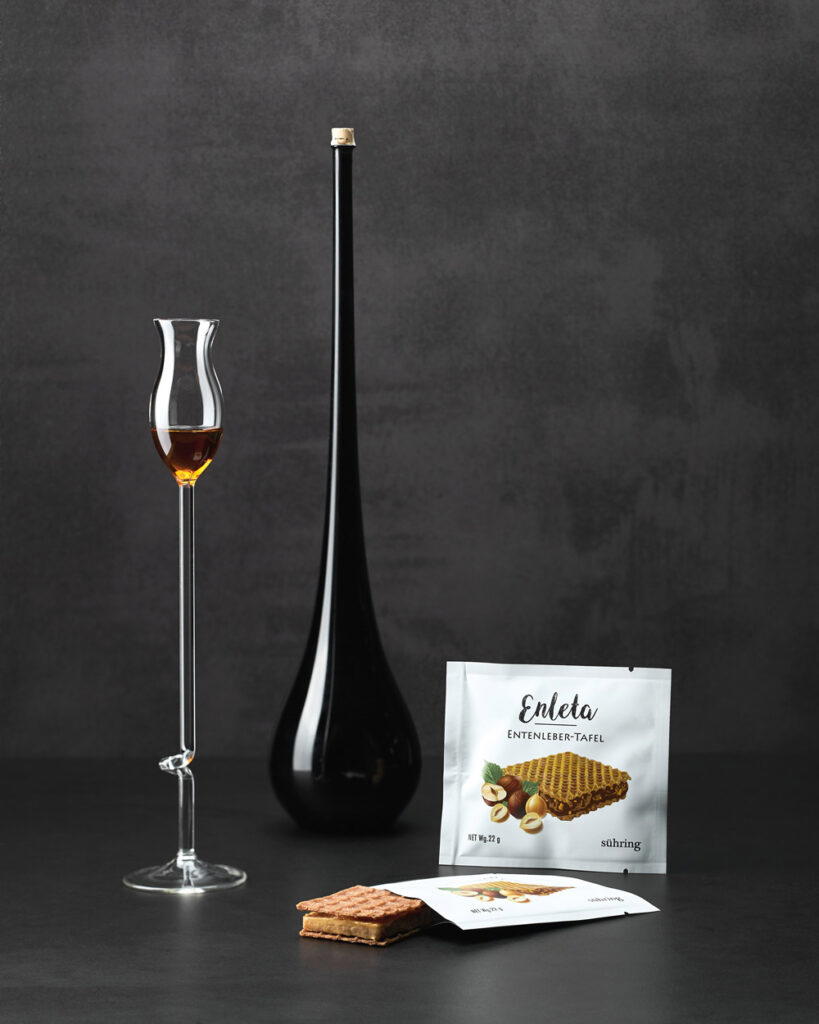
At two-Michelin-starred Sühring, No. 22 on Asia’s 50 Best list, twins Thomas and Mathias Sühring combine their take on German food with as many Thai ingredients as possible to present an inventive, sometimes whimsical, menu. Their tasting menus of exquisitely presented plates offer thrill after delicious thrill.
From the Sührings’ version of labskaus (a culinary speciality from northern Germany), presented as a small triangle of corned beef and beetroot topped with Imperial Ossetra caviar, to wild boar pie with a parsley root cream that gives a fresh, herbaceous lift to the dish, the hits never seem to stop coming.
Côte by Mauro Colagreco, also at the Capella Bangkok, is by the lauded Argentine chef of three-Michelin-starred Mirazur, the World’s Best Restaurant in 2019. Colagreco introduces the sunny flavours of the French and Italian Riviera in the extremely capable hands of his head chef Davide Garavaglia, Michelin Thailand’s Young Chef of the Year 2022, who adds a local identity.
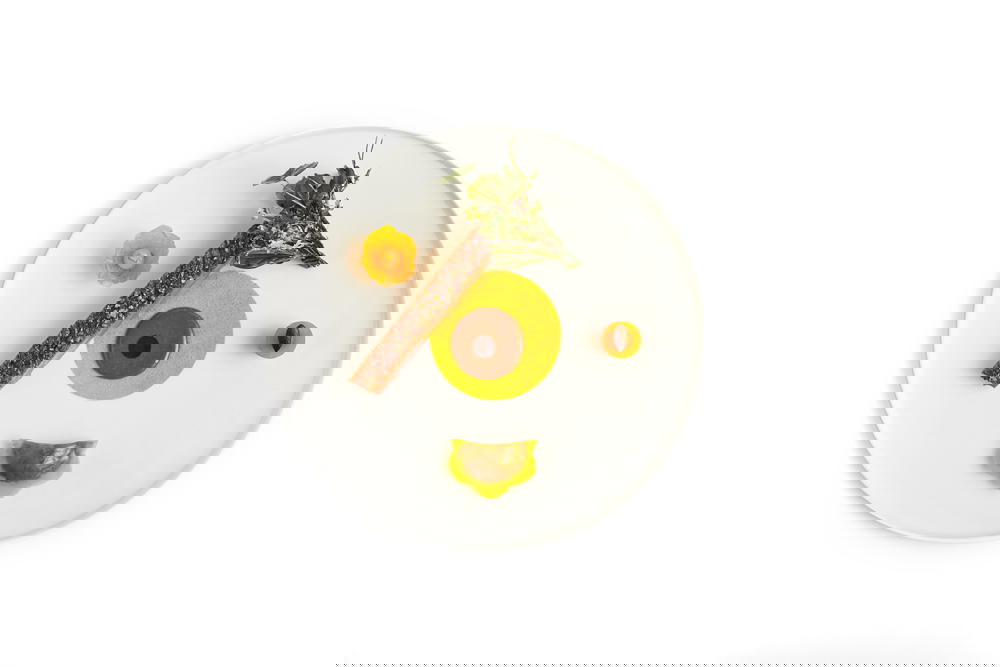
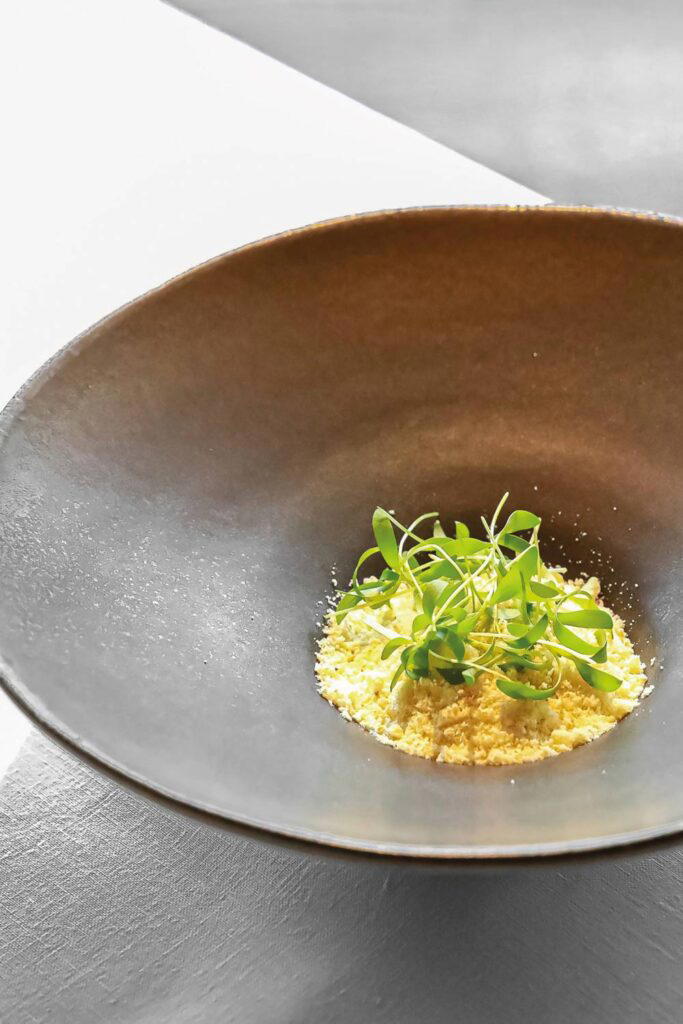
Along with classic European dishes using asparagus or artichoke, for example, he serves fresh hamachi with thin, perfect spheres of deep orange local papaya, and a pre-dessert of guava granita with an icy chilli salt that plays on the Thai snack of fruit slices dipped in spiced salt.
Bangkok’s variety of cuisines, cooking styles and flavours make it a truly exciting gastronomic destination. As more local chefs explore their food cultures and foreign ones incorporate Thai flavours or ingredients into their cuisines, Krung Thep Maha Nakhon’s—slowly becoming the “preferred” name for the capital—culinary identity is becoming a global force.