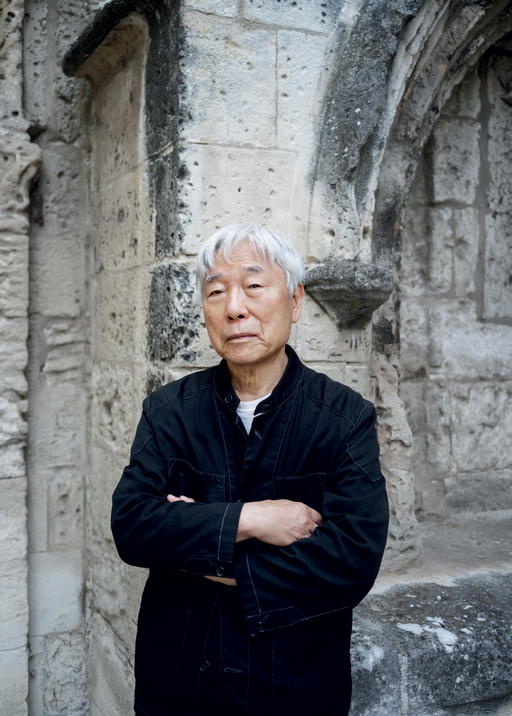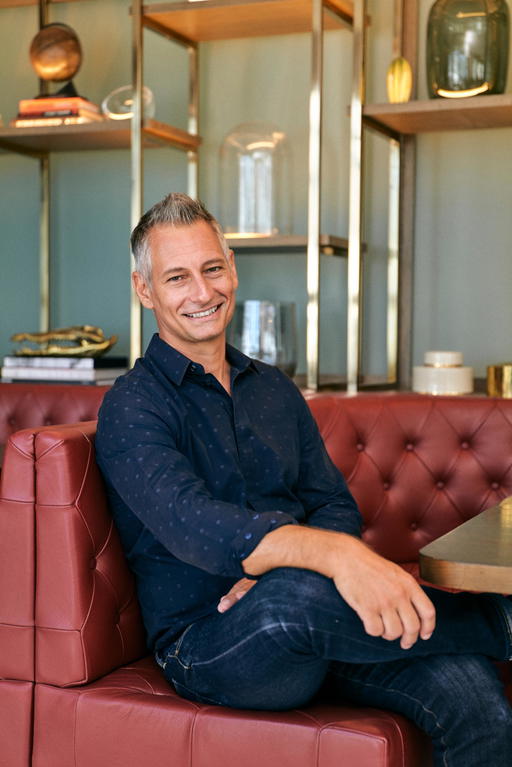

Why did the chicken cross the road? So we could enjoy delicious yakitori, of course. At Firebird by Suetomi, a collaboration between homegrown hospitality group Ebb & Flow and celebrated Tokyo chef-restaurateur Makoto Suetomi, you can do just that.
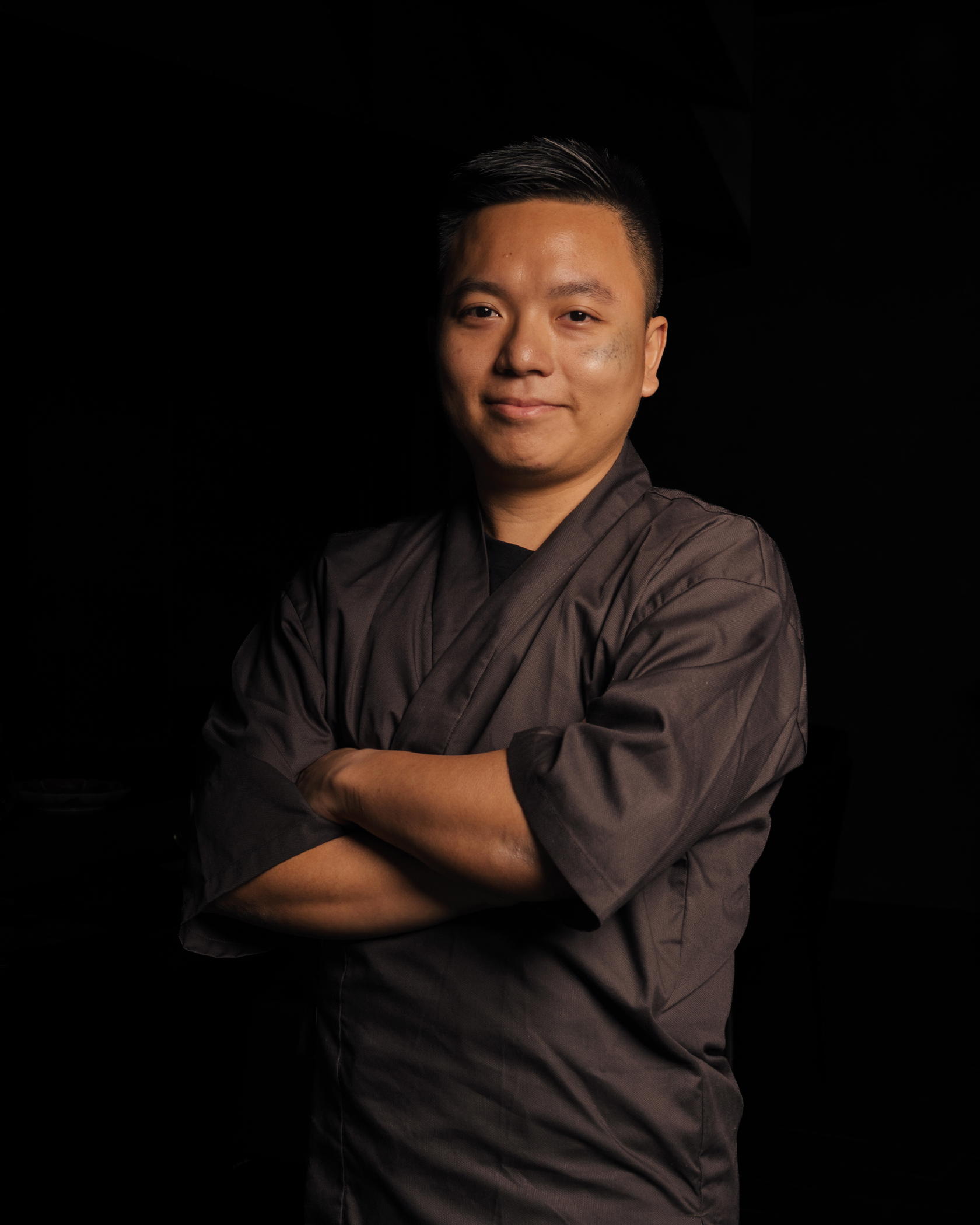
Chef Suetomi’s wood-fired omakase dishes focus on chicken, and his meticulous Japanese grilling is praised for reviving its deliciousness. Firebird by Suetomi, led by Head Chef Alvin Leong (Odette, Waku Ghin, and La Dame de Pic), embodies this philosophy. He and his team work on a grill modelled after the one at Suetomi’s Makitori Shinkobe in Tokyo, where waiting lists can run up to a year.
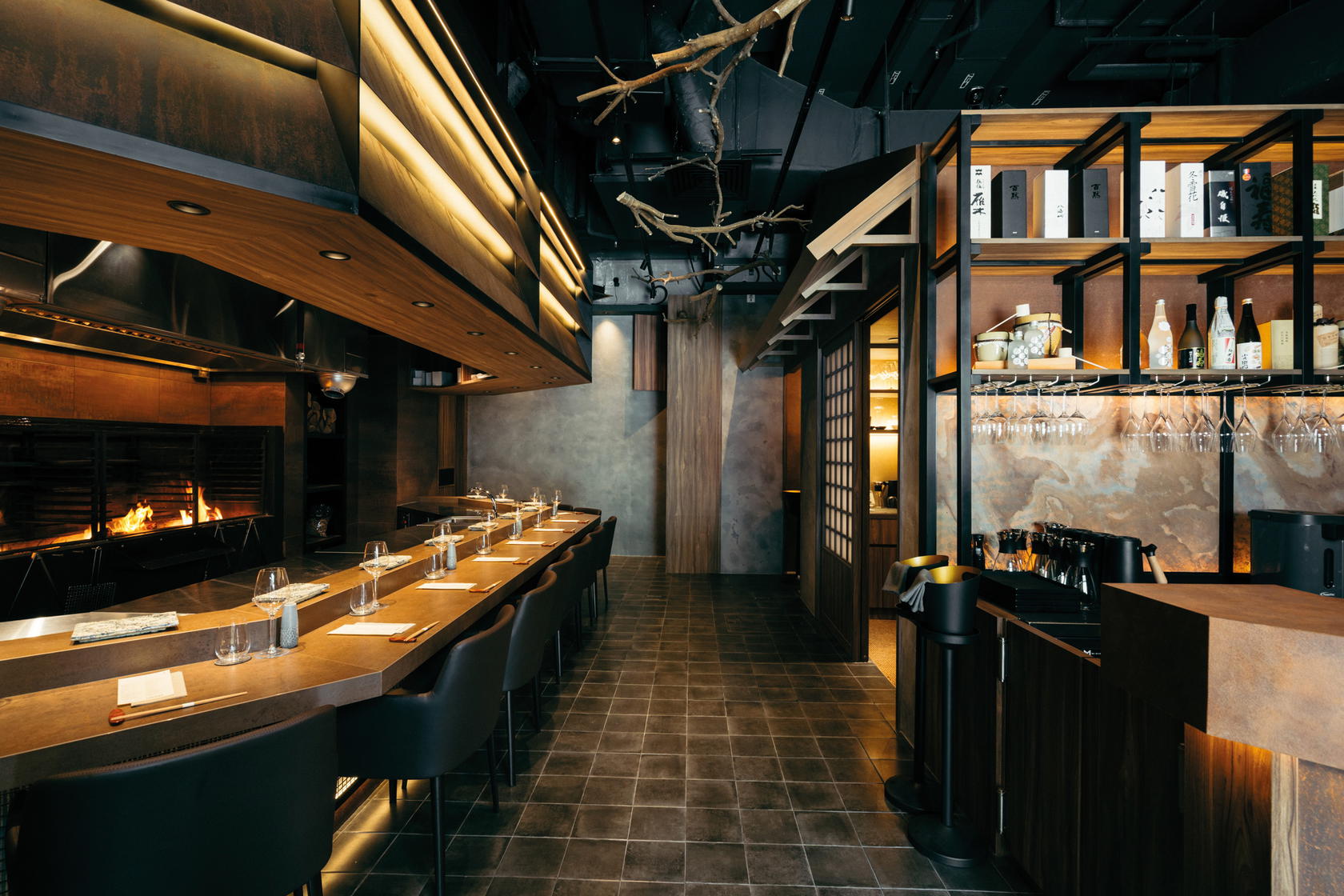
Typically, yakitori is cooked over charcoal, such as binchotan, on a steady grill with low flames and little smoke. Firebird’s grill is specially designed for firewood, which is highly unconventional for yakitori, as flames run hotter, taller, and wilder.
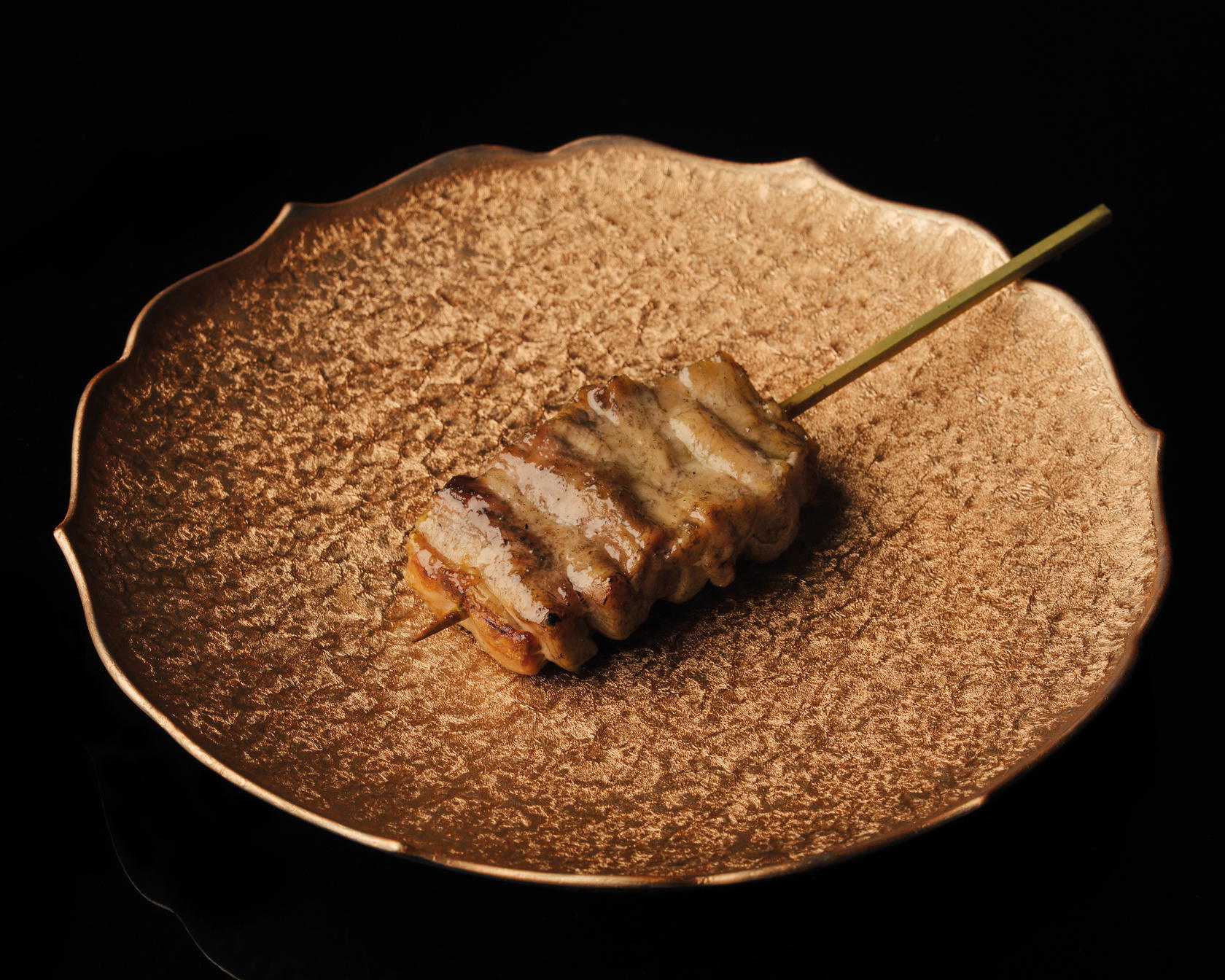
Such intensity brings rewards. Using a custom blend of fruit tree woods, the grill produces a deeply aromatic smokiness. Yakitori master Suetomi’s exacting vision creates layers of flavour and fragrance that can’t be achieved with charcoal alone.
Firebird, its first offshoot outside Japan, is at the Mondrian Singapore Duxton. There are 12 counter seats, a five-seat bar, and an eight-seat private dining room in the intimate space. The best seats are at the counter, where diners can watch the glove-handed chefs tend to each skewer over an open flame.
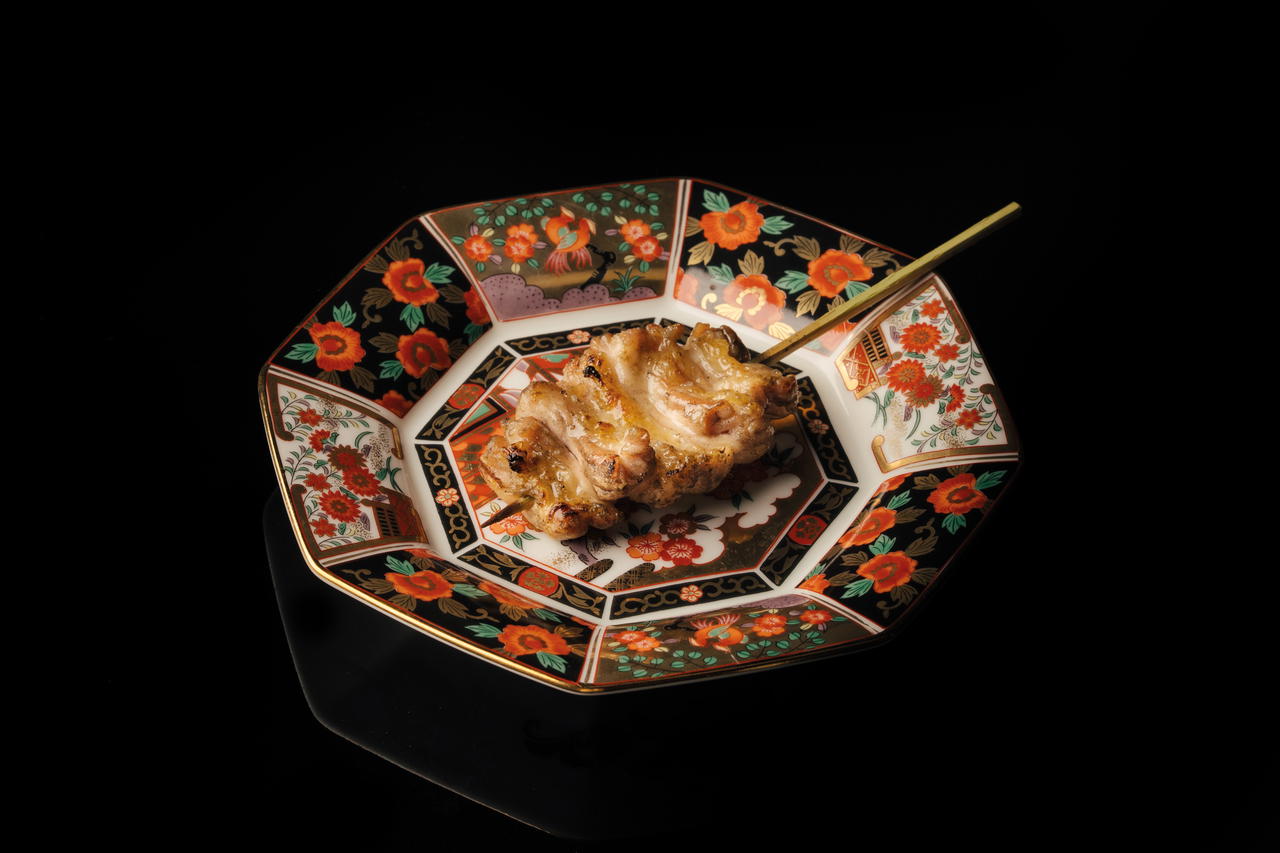
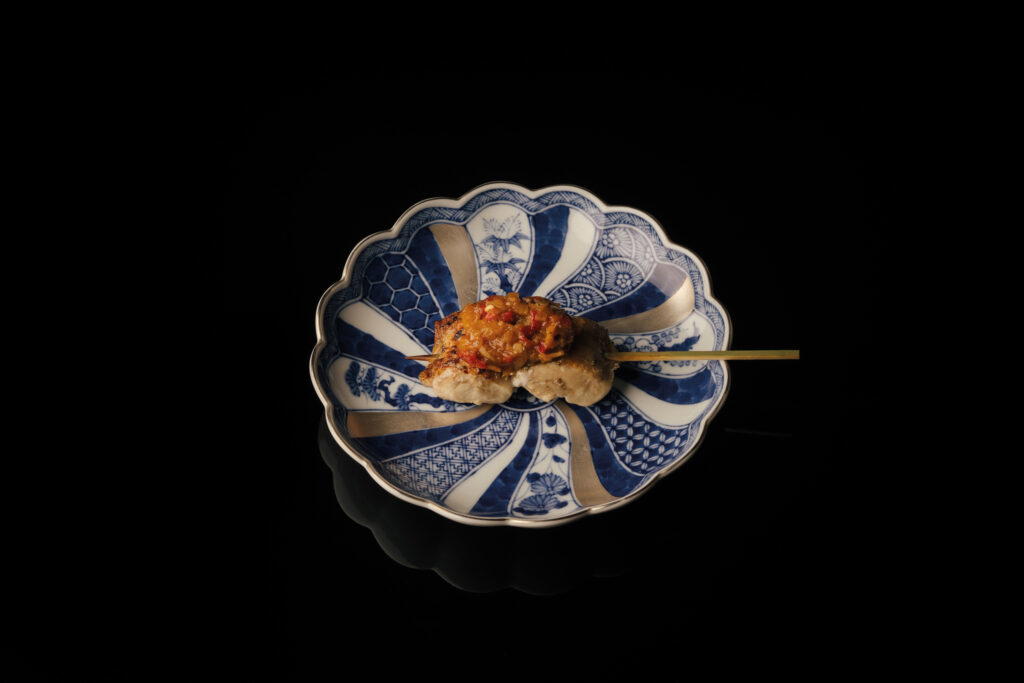
In the 13-course omakase menu, chicken skewers are alternated with savoury dishes. The selections rotate based on availability, but a few highlights include momo (thigh), furisode (shoulder), and on occasion, rarer cuts such as seseri (neck) and harami (abdominal wall muscle). “The texture of harami appeals to some guests, while others find it tough.
We make additional cuts against the grain and skewer it in a way that makes it easier to eat,” says Leong.
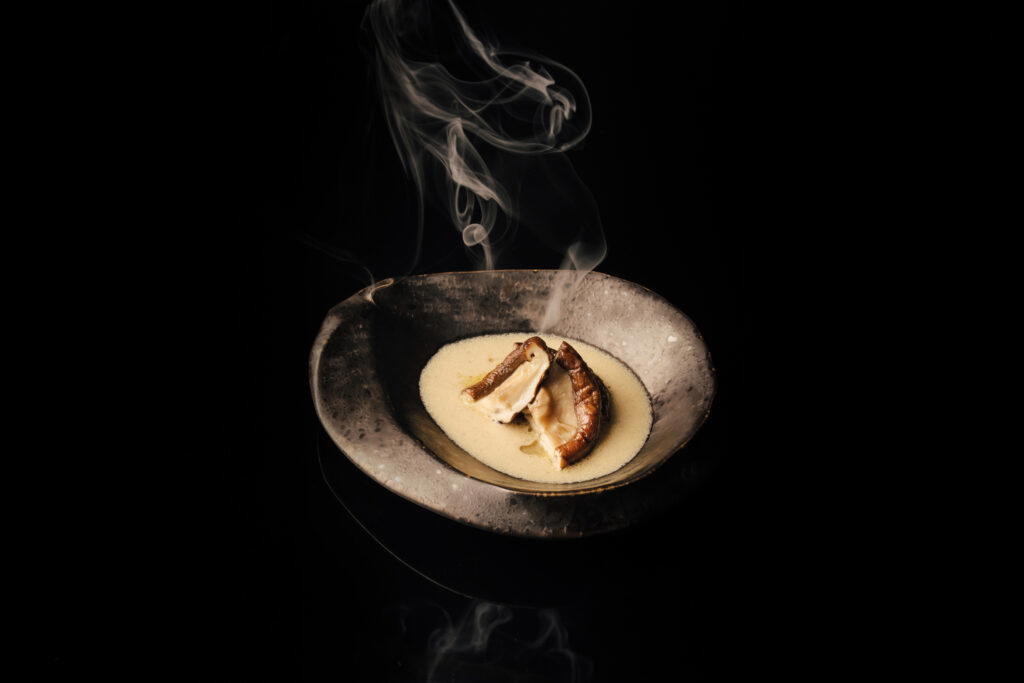
Besides chicken skewers, the omakase menu also includes dishes like Shiitake Mushroom Beurre Blanc, Toast with Rillette, and Chicken Breast with Harissa. The restaurant’s handpicked sake selection, including premium first-to-market labels, such as the extremely limited Aramasa Invisible Pink Unicorn 2021 and the Aramasa “The Heretic & Co” 2022, a rare and experimental sake limited to 1,385 bottles, perfectly complement the food.
In case sake isn’t your thing, try a Suntory Premium Malts Master’s Dream beer or the speciality highballs. Geisha’s Kiss combines Roku gin with watermelon juice and shiso; Mis-sho is a sweet-savoury mix of shochu, red miso, and shiso; and Yuzu Calpico Fizz is a citrusy blend of shochu, yuzu, Calpico (a non-carbonated Japanese milk-based soft drink), and sudachi.
While dining in Japan unfolds at a brisker pace, Firebird caters to local preferences for a more relaxed experience. “We don’t start each seating simultaneously,” Leong explains. “This gives guests the flexibility to enjoy their meal at their own rhythm.”
In contrast to Makitori Shinkobe, which uses prized breeds like Akita Kōgen Hinai, a speciality of the Akita Prefecture, Firebird uses French organic chicken such as GG Poulet as Singaporeans generally prefer fattier meat.
“It has a full, juicy flavour that appeals to local diners while still retaining Suetomi’s wood-fire craftsmanship,” says Leong. As the burning wood moves, the heat is adjusted to achieve the ideal texture and flavour for each part of the bird.
Firebird’s chefs typically start the fire with dry Japanese cedar, add moist oakwood to generate steam, and occasionally use cherrywood or Australian ironbark for depth and consistency. “Oak gives meat a clean, woody aroma that enhances it without overwhelming it, while ironbark provides a long-burning, dense heat. It’s our supporting character, not our star,” explains Leong.
Cooking over a wood fire presents challenges Leong relishes: “Heat distribution is uneven, so patience and attention to detail are required.” He hopes diners will appreciate the difference between wood-fire and charcoal cooking. A wood grill imparts a unique aroma and delivers even, gentle heat.
While many wood-fire restaurants here focus on premium seafood or wagyu, Firebird by Suetomi is among the few to champion chicken, an ingredient he sees as both humble and full of potential. Even this simple ingredient can be transformed into something extraordinary when cooked over wood.
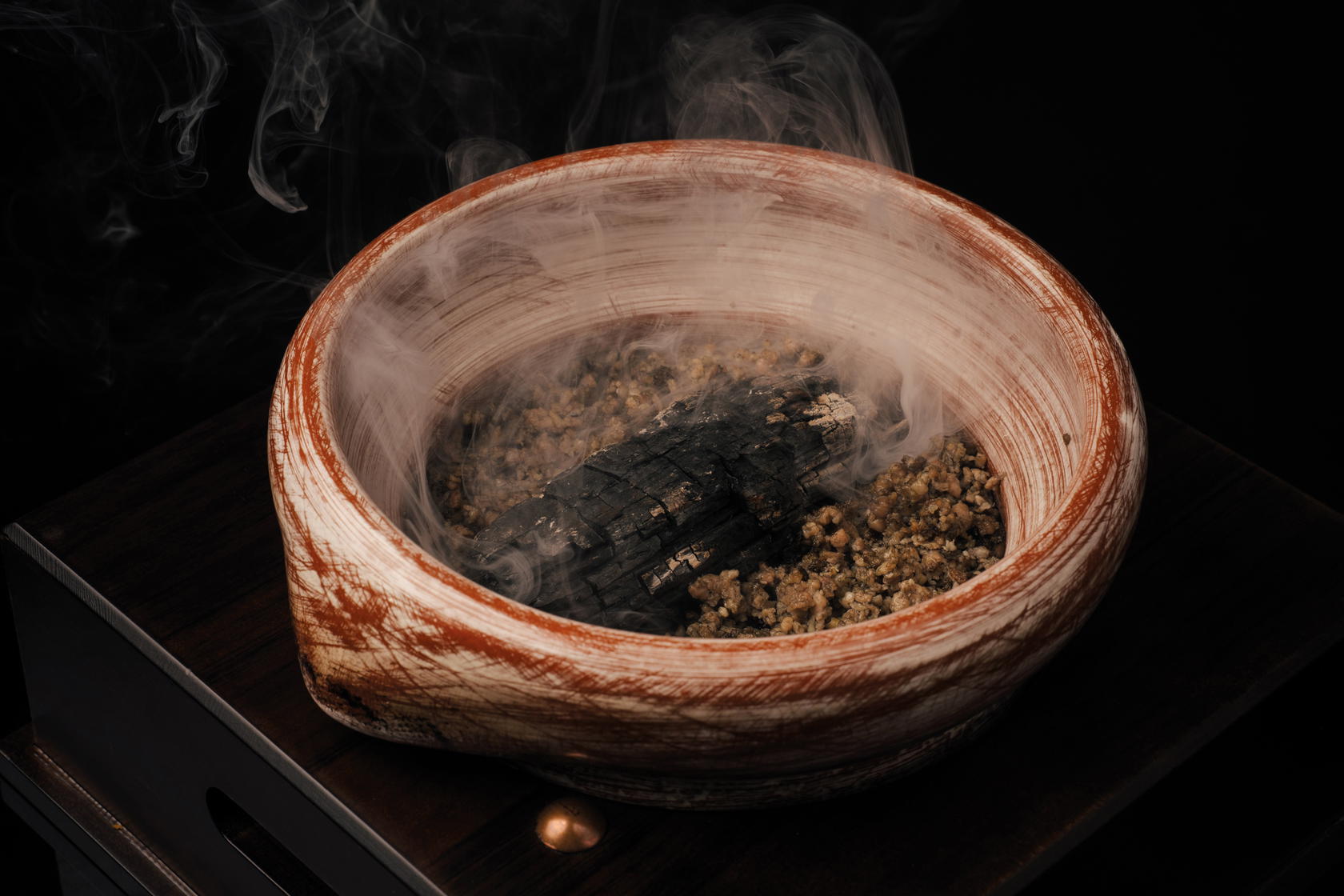
In the signature Soboro Claypot Rice, for instance, minced chicken sauteed over open flames is served with aromatic Akitakomachi rice from Akita. Served two ways, one with pickles and the other with a marinated egg yolk and ginger sauce, it’s a nod to Singapore’s well-loved Hainanese Chicken Rice.
“The rice develops a beautiful smoky aroma when combined with wood-fired minced chicken,” says Leong. “Words don’t do it justice; you have to taste it to believe it.” In that regard, he is right.