
Being Eurasian and raised in a primarily Chinese home, I have always found Damian D’Silva’s cuisine deeply comforting, particularly for its connection to my roots. “The grandfather of heritage cuisine”, whose over two-decade-long career includes Kin, Folklore, and Immigrants, has stirred old memories for many Singaporeans, as well as added new ones.
Gilmore & Damian D’Silva, which opened in November, is the chef’s most personal project yet. An ode to his paternal grandfather “Pop” Gilmore, who died in 1977 at age 95, the restaurant showcases heirloom Eurasian recipes—some more than 200 years old—and Chinese dishes rooted in his home cooking.
Located in the former Supreme Court wing of National Gallery Singapore, it is a collaboration between D’Silva and OUE Restaurants (Chatterbox, Osteria Mozza Singapore, Shisen Hanten, and others).
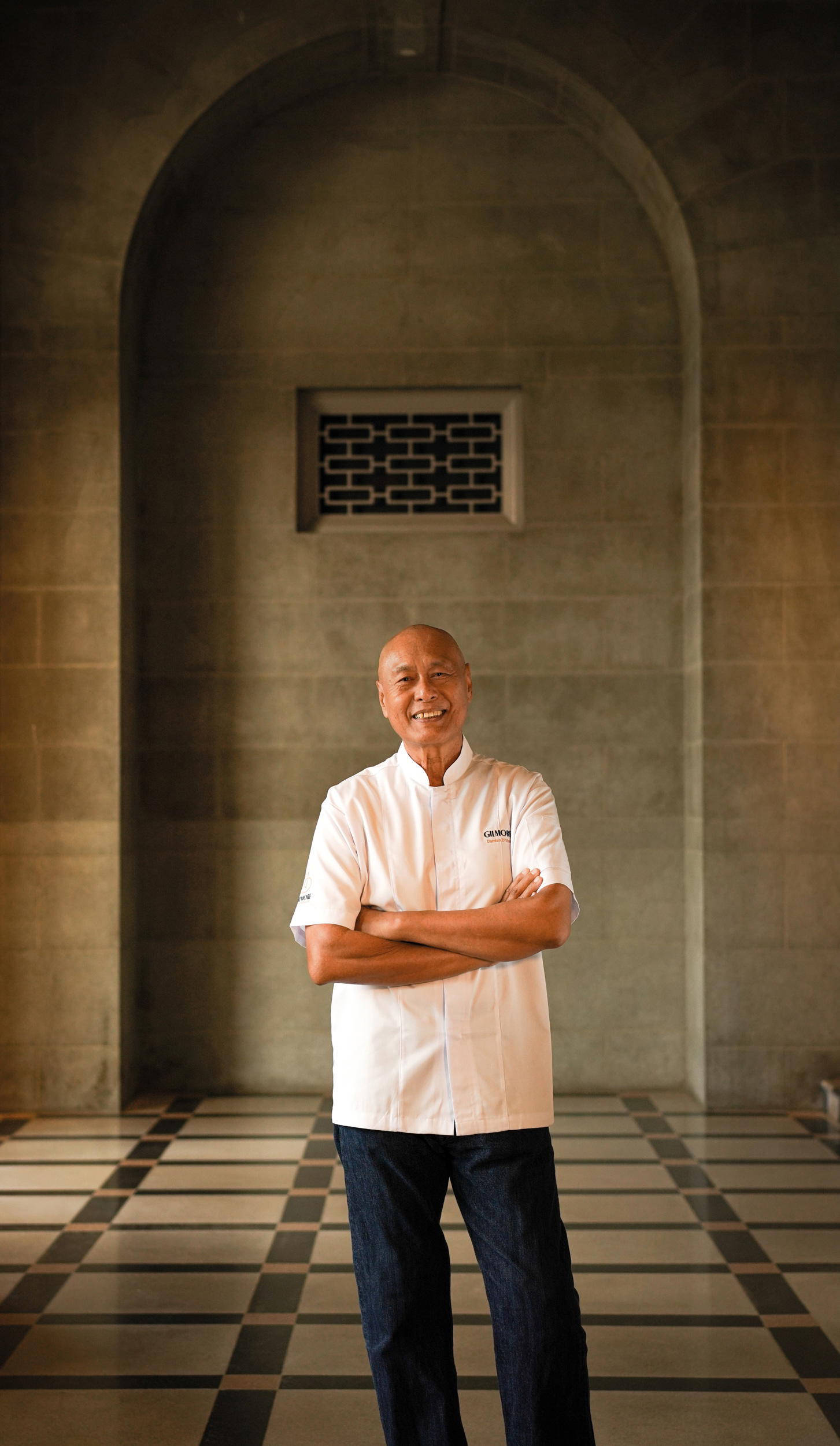
It also marks a full circle moment in his own heritage. Pop was a detective in the Singapore Police Force before he became the first and only custodian of Supreme Court. For 21 years, from 1939 to 1963, he guarded the building, lived in its quarters, and occasionally cooked for the judges.
“Of all the restaurants I have worked on, this holds the most sentimental value for me because of the memories associated with the location and the recipes we bring to the table.”
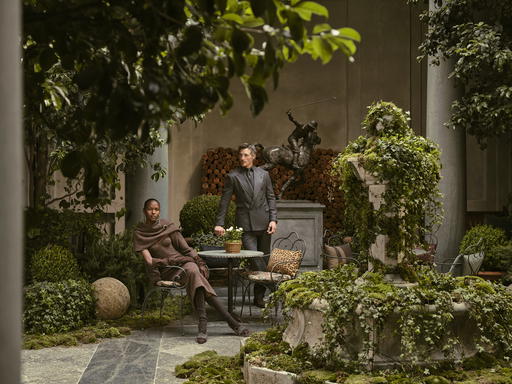
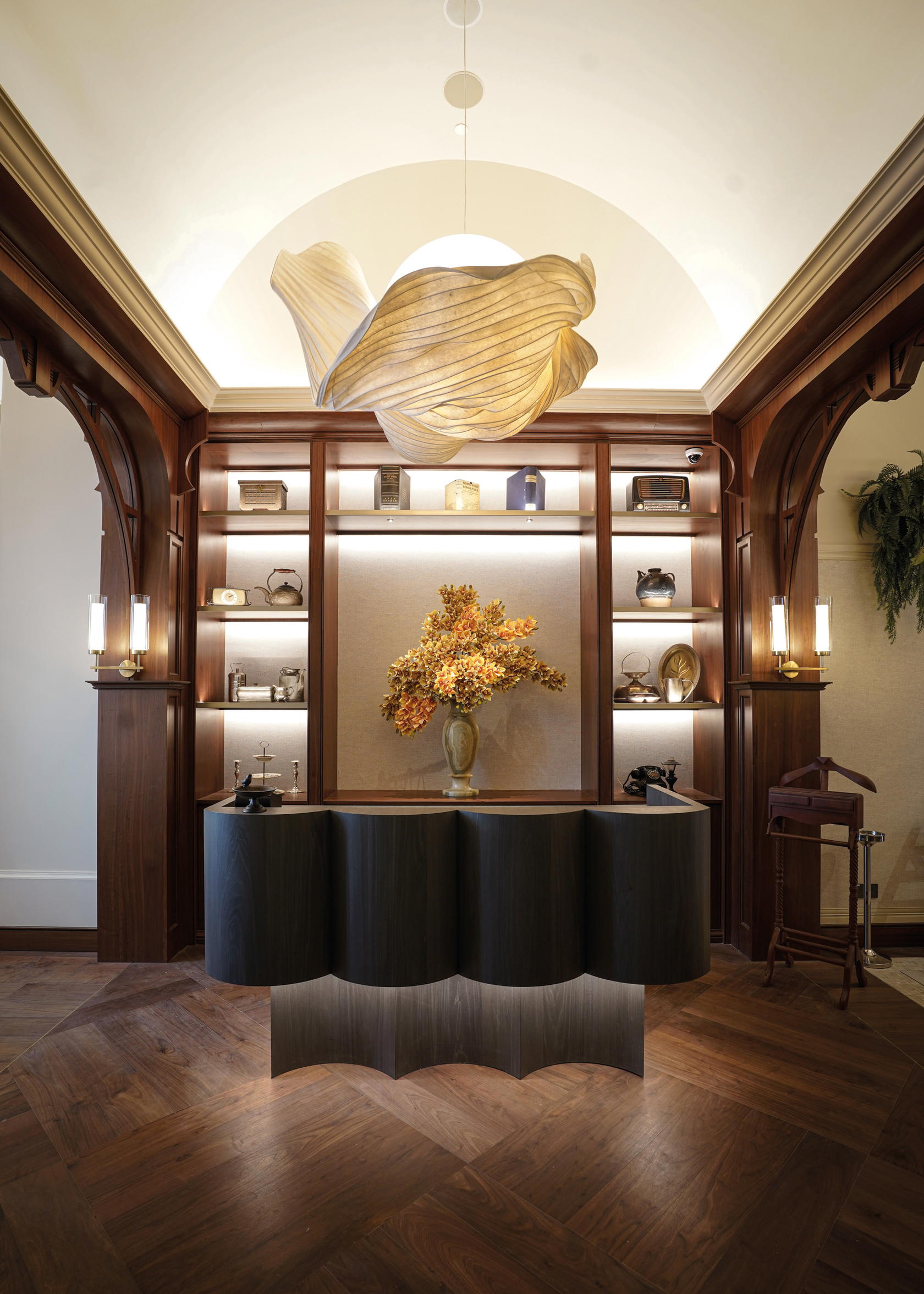
His goal is to make guests feel like they are having a meal at Pop’s house. With Portuguese porcelain, wood panelling, antique silverware from his collection, and family photos, the 68-seater has an air of nostalgia.
The sharp-eyed may notice a photograph of a treasured recipe book which, according to D’Silva, details the complex dishes his grandfather sought to master. “I keep it in a drawer at home, sealed in an airtight container and wrapped in acid-proof paper. The book is over 100 years old, so it is very fragile. Most pages fall apart when handled, even briefly,” he tells me.
Since he has been cooking Pop Gilmore’s recipes for years, he has a good understanding of them. “Eurasian or Kristang (Malaccan-Portuguese Eurasian) cuisine draws from Malay, Chinese, Indian, and European culinary traditions,” says D’Silva, who was the first Singaporean to receive a LaListe Artisan & Authenticity Award in 2024. In the same year, he also earned the Special Recognition award at the Singapore Tourism Awards.
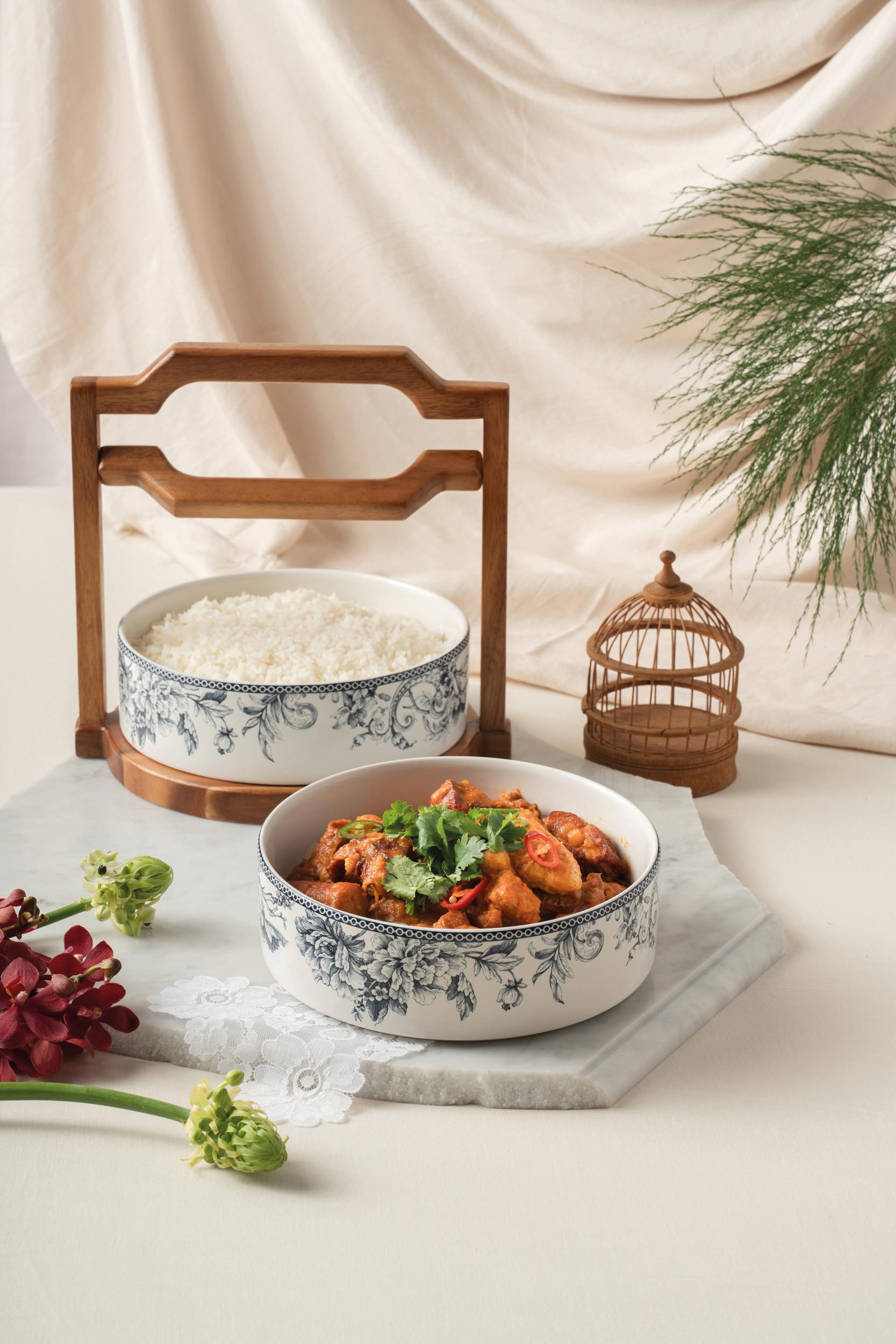
By incorporating ingredients such as red dates, goji berries, codonopsis root (called the “poor man’s ginseng”), tamarind, shrimp paste, and Bombay onions, he emphasises the layering of cultures.
He also follows the recipes as he was taught. “Nothing should be changed, especially when recipes have been approved by so many palates for more than 300 years. How can we alter a recipe just because it’s too spicy, too sour, too bitter, too soft, or too rich? It is my responsibility to preserve and pass on recipes that have been tried, tested, and perfected for more than six generations.”
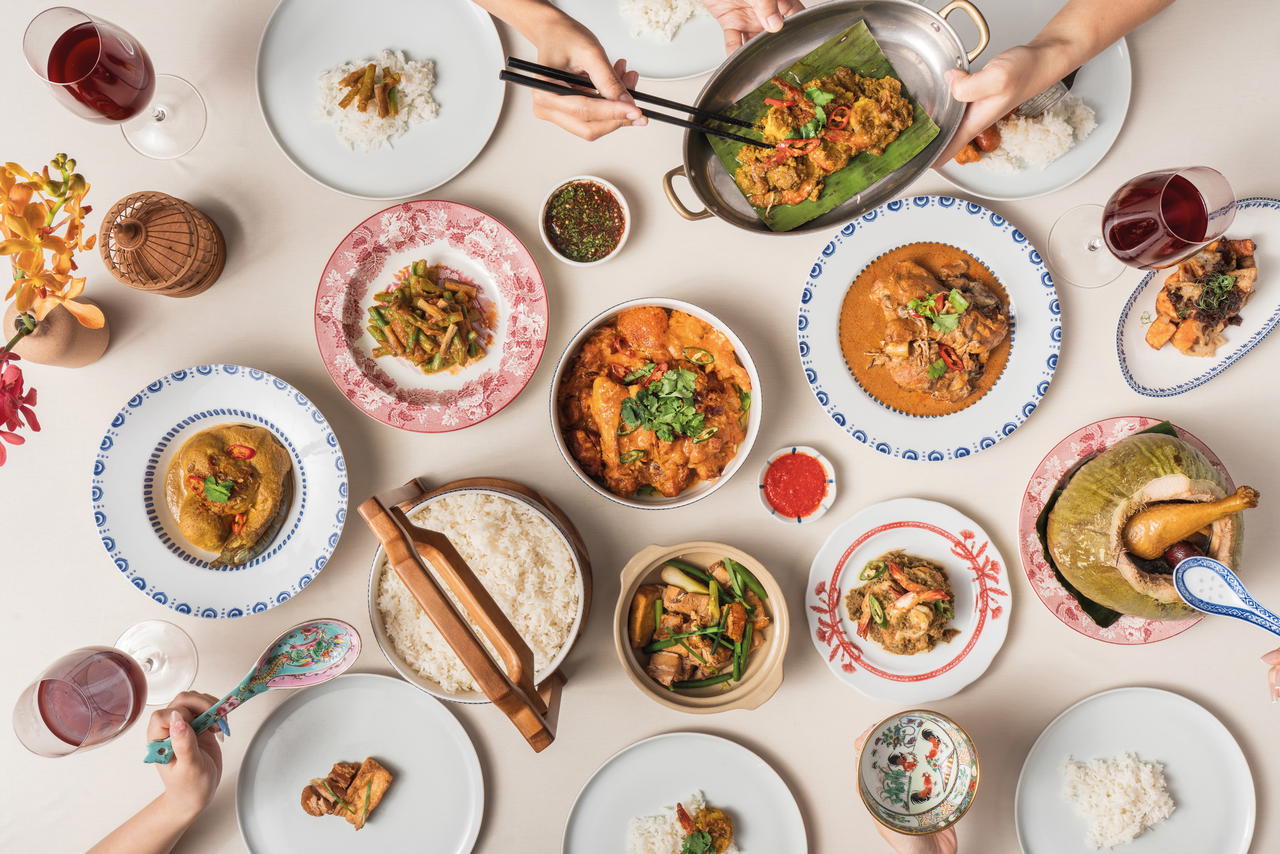
Christmas Debal, the Boxing Day version of Devil Curry, leads the line-up at the restaurant. Prepared the traditional way with Christmas roasts (chicken, smoked ham, and pork) and preserved with vinegar, it is rich and fiery, thanks to a paste made with dried chillies, shallots, garlic, and other ingredients. The vinegar, which contains acetic acid to prevent bacteria from growing, allows it to be safely reheated and eaten.
The Sugee Cake, made using Pop’s heirloom recipe, is deeply aromatic and indulgent. Semolina is soaked overnight in butter, then creamed the next day. Before it’s baked, almonds (sliced, chopped, and toasted) are folded into the batter along with brandy and flour. As expected, it’s impossible to stop at one slice.
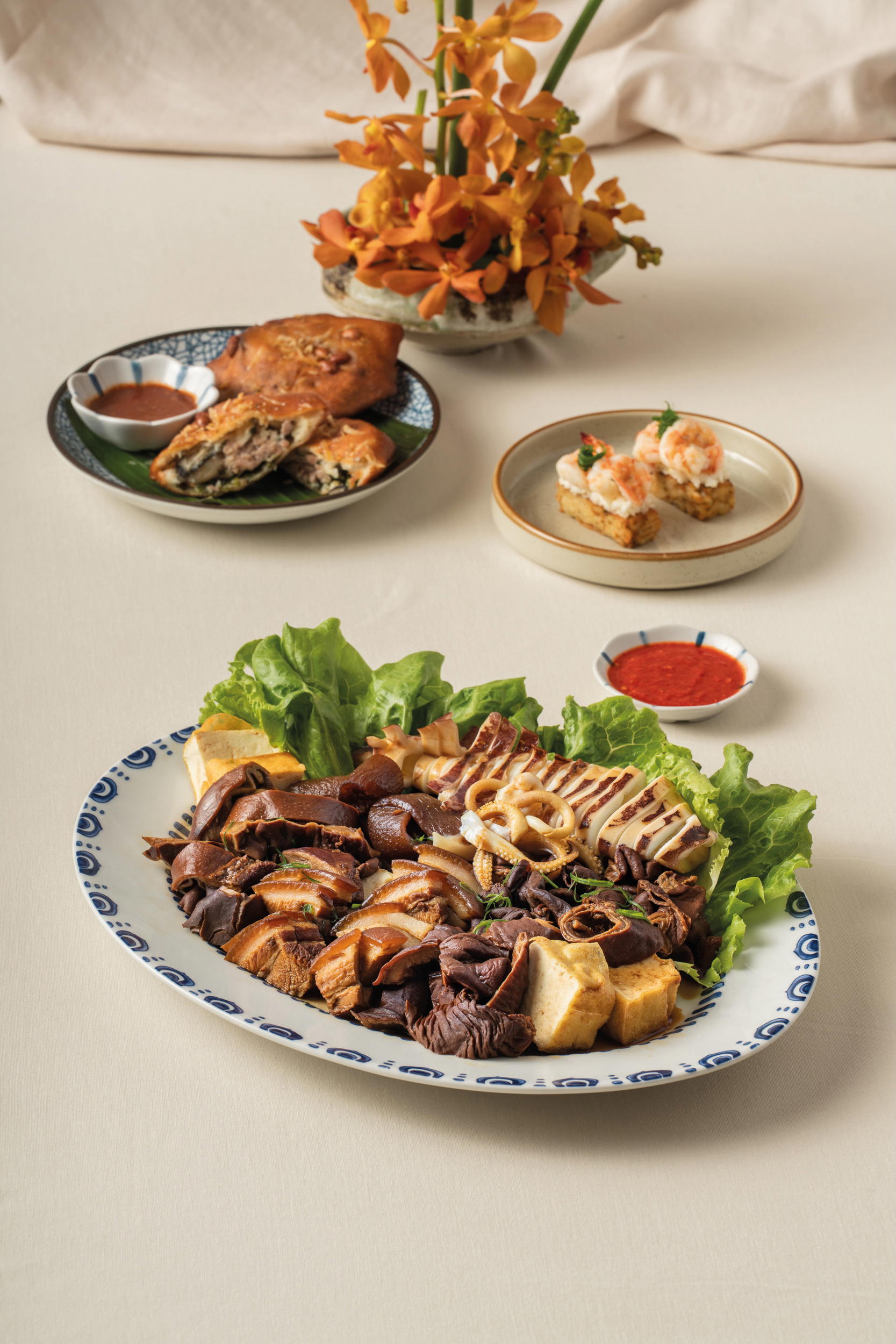
Additionally, the menu includes obscure dishes such as Cowdang, which, despite its muddy appearance and historically confusing name, has roots in Kristang coastal cuisine, where seafood was a major ingredient. In Gilmore’s version, prawns are simmered gently in coconut milk and topped with onions and shallots.
Ambiler Kachang, D’Silva’s childhood favourite, is also featured. Prepared with a chilli-based paste, it normally includes pork, lamb, beef, or seafood, along with long beans, but the restaurant’s version features salted fish. Served alongside richer dishes like the Christmas Debal, it acts as a palate cleanser, sharpening the appetite with its distinctive piquancy from Indonesian tamarind.
When asked about the dishes on the menu that he particularly enjoys, D’Silva explains, “Each dish serves a specific purpose and is connected to me and the cuisine. There are some that are for daily meals and others that are reserved for special occasions. In Kristang homes, all are significant.”
As an 11-year-old, he made a promise to protect Singapore’s heritage cuisines, especially its Eurasian heritage. When Pop asked why he wanted to learn the recipes, he replied, “So I can still eat your food when you’re not around.”
D’Silva also runs Rempapa, the Michelin Selected diner known for its rice bowls. It now sits next to Gilmore’s after relocating from Paya Lebar Quarter. Both reflect his commitment to honouring his recipes. “In time, things will change,” he admits, “but while I’m alive and teaching, I will make sure the recipes continue as they should be.”