
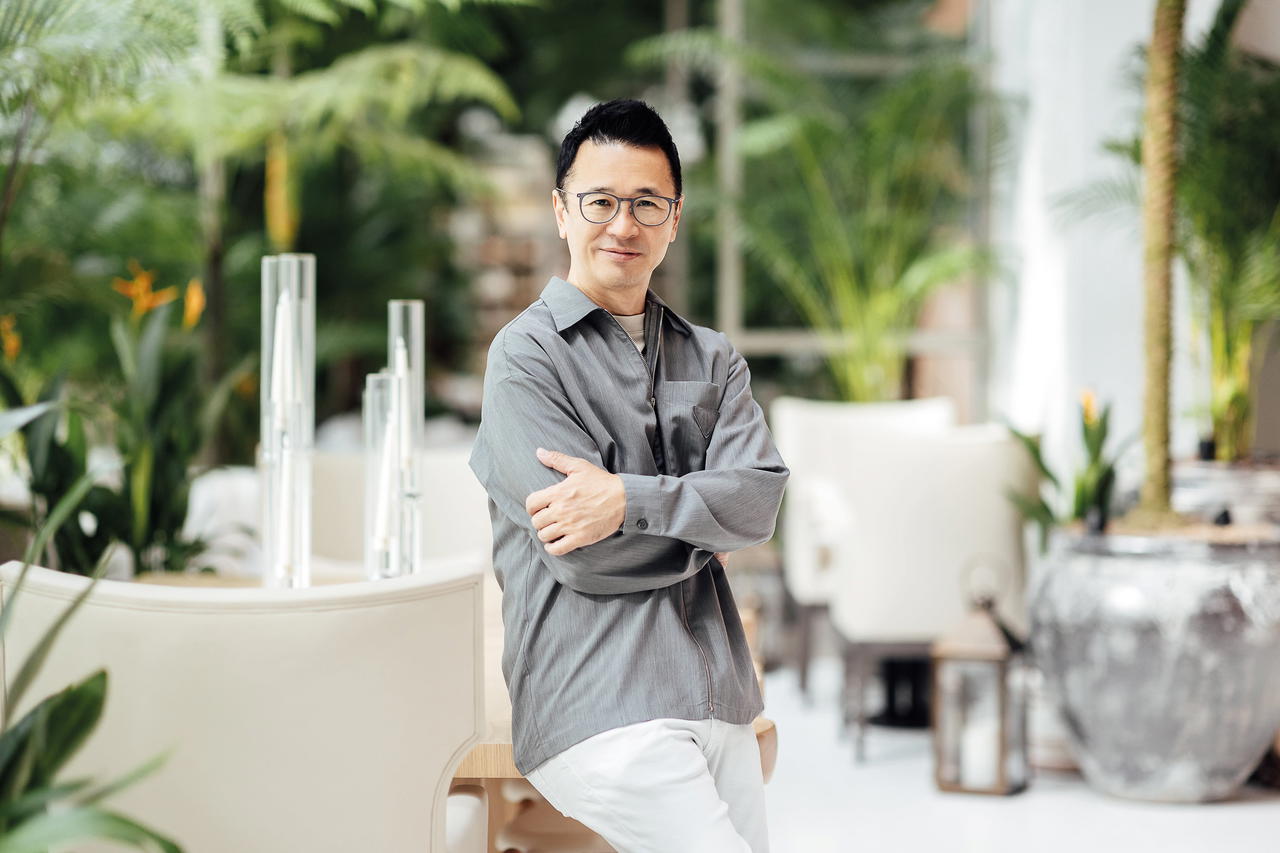
If you’re an avid traveller, you’ve probably slept in one of Clint Nagata’s hotels. The visionary Blink Design Group founder is the mastermind behind some of the world’s most renowned luxury properties.
The Roku Kyoto, LXR Hotels & Resorts, W Dubai – Mina Seyahi, The Fullerton Ocean Park Hotel Hong Kong, Regent Phu Quoc, and most recently, Six Senses Kyoto, are among his pride and joy.
Born into a Japanese American family and raised on the Hawaiian island of Oahu, Nagata’s early years were shaped by his appreciation for design. As a child, he took drawing classes in high school before enrolling at the University of Hawaii’s architecture faculty.
Upon graduation, he joined WATG’s Honolulu office. The global integrated design firm specialises in architecture, landscape, and interiors. He considers himself fortunate to have been mentored by fellow Hawaiian Don Goo, one of its founding partners.
Eventually, he became the youngest partner out of 22. As an architect, WATG not only shaped his design career but also gave him numerous opportunities to grow. After 13 years, Nagata founded Blink in 2006.
In this interview, he discusses the importance of placemaking in hotel design and upcoming projects in South-east Asia.
How did you start Blink Design Group and what has been your journey
so far?
I left WATG at 35 and made my way to Bangkok. I was attracted to its culture, people, and most of all, the talented designers who reside in the city. The belief that great buildings are designed from the inside out sparked my journey. As an architect, I often begin the design process by creating spaces that flow from the inside out. During a rewarding 18 years, the group has worked with most of the world’s top luxury brands in Asia and the Middle East.
How would you define good design?
It is good design when we can marry our clients’ brief and placemaking philosophy into a successful project. That is a win-win for both sides. Hotels cannot afford to be generic in their designs. A hotel must aim to cater to a specific audience to avoid being so mundane that it lacks any unique characteristics. Additionally, it must relate to locals and visitors to capture a place’s true essence.
When designing, how do you strike the right balance between incorporating a destination’s culture and injecting your modern touches?
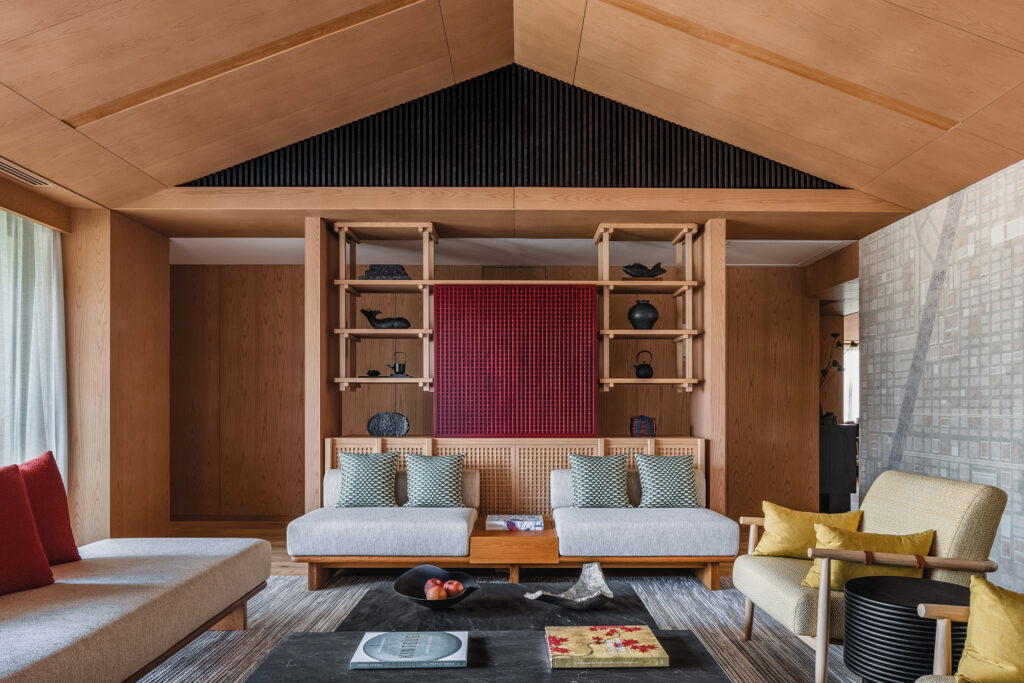
Blink Design Group’s DNA is deeply rooted in the concept of placemaking, which aims to create artful, interior-based designs that capture the spirit of a place through simplicity, balance, and proportion. Our latest project, Six Senses Kyoto, is a great example. By reimagining the city through the lens of contemporary style, we honour the elegance and refined charm that mark its birth as a new capital.
In addition, we dived into the aesthetic ideal of miyabi, loosely translated as “elegance”, from the Heian era and extracted its elements. As a result, washi or Japanese paper partitions, sakan—a traditional plasterwork that flourished during the Edo period—and sudare screens made from horizontal slats of high-quality bamboo provide privacy and intrigue.
So far, what has been your favourite hotel project and why?
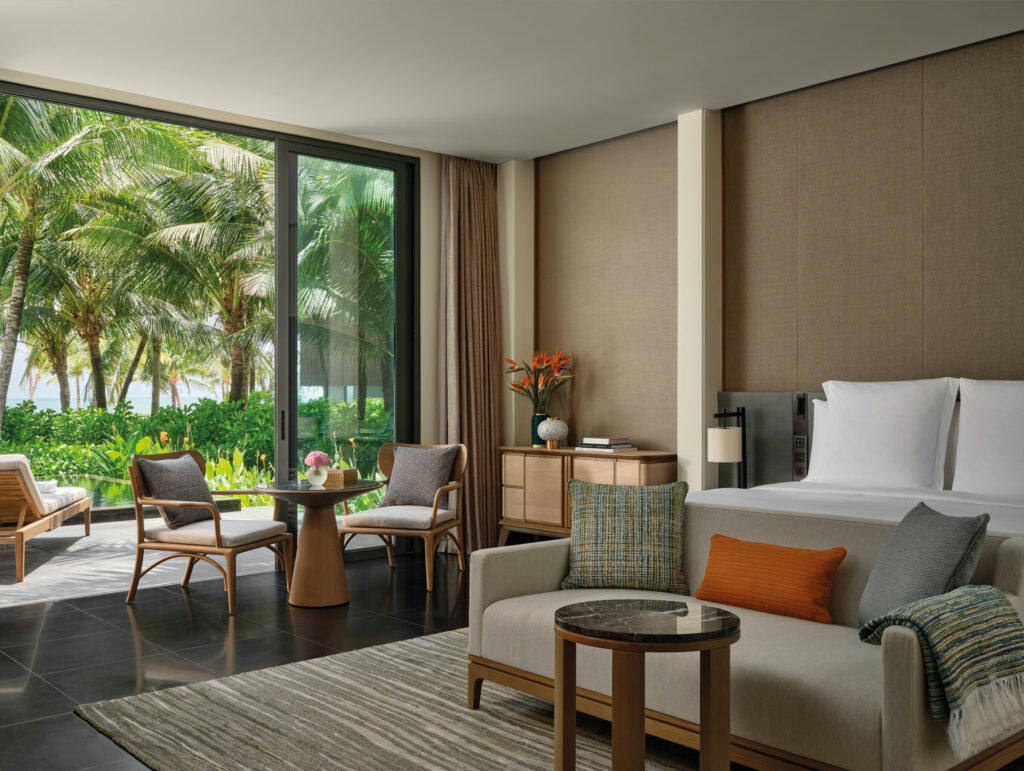
The Regent Phu Quoc. We sought to create an experience that redefined a luxury resort where the spaces felt like extensions of the outdoors. The villas open onto courtyards with views of the sea and their bathrooms are filled with natural light. With landscaped, tropical courtyards, they become retreats themselves. Each sky villa also features a private pool, overlooking the resort and offering breathtaking sunset views.
As the design underscores the journey from one space to another and creates anticipation with views of the sea and beyond, it also connects guests with the island’s natural beauty. Our intent was to help guests connect with the awe-inspiring natural surroundings.
How has your design language evolved since you started your career?
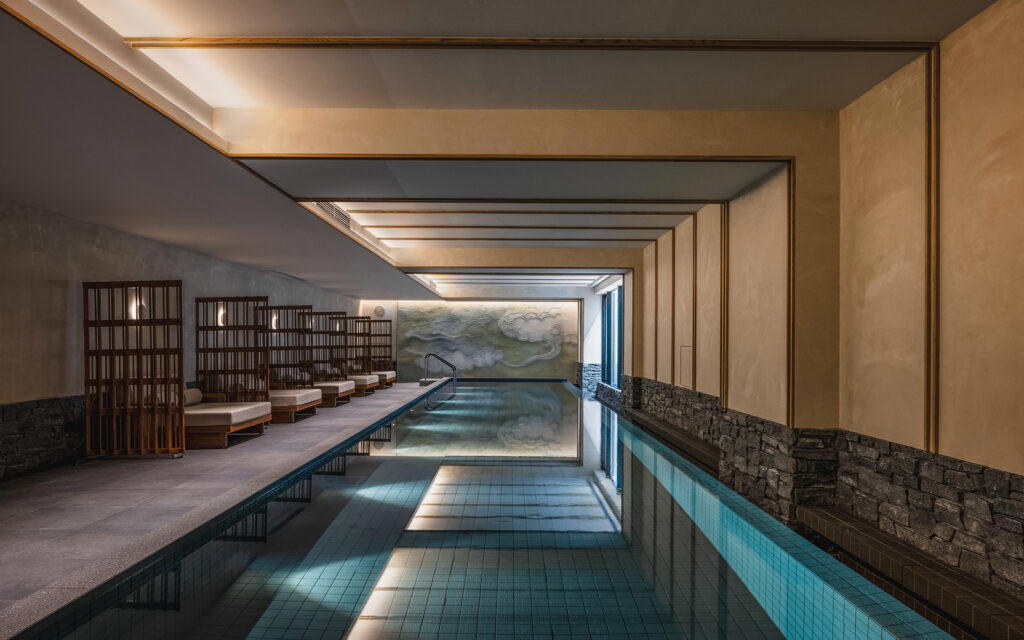
There has never been a time in my life that I have gotten caught up in trends, as they come and go. I feel a strong desire to be timeless and I believe in simplicity, balance, and proportion.
As a matter of fact, I have stayed true to this perspective regardless of a location. If anything, we have been able to refine our approach and designs more than we did 18 years ago by being sensitive to clients’ needs and the personality of a location.
Any upcoming projects to look out for, especially in South-east Asia?
In South-east Asia, projects in the pipeline include the Nobu Hotel and Residences
Da Nang in Vietnam and JW Marriott Panglao Island Resort & Residences in Bohol, the Philippines There’s also the Oberoi Diriyah Gate in Saudi Arabia.