

Tiny homes are more popular than ever. While they aren’t prevalent in land-scarce Singapore, their merits haven’t gone unrecognised thanks to TV shows like Tiny House Nation.
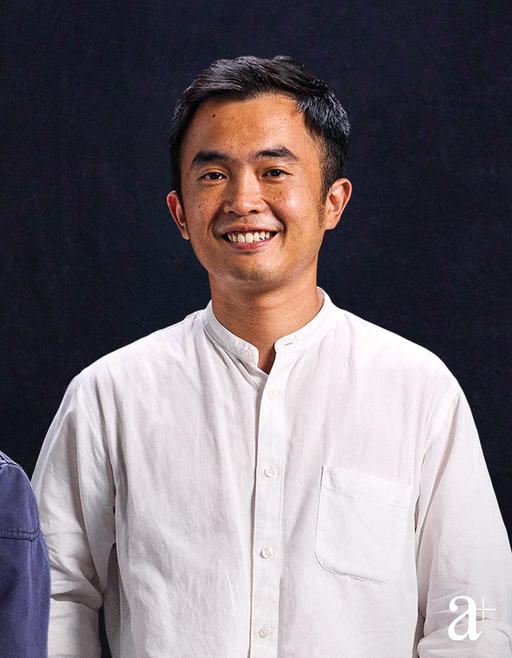
Inspired by the Netflix TV series, Seah Liang Chiang decided to build tiny hotels out of shipping containers. The first thing he did was purchase two used ones in Tuas from a shipping container depot. “I wanted to source locally because I needed to rent space from the supplier to carry out renovations,” he says. Then, he learnt how to use 3D design building software on his own and poured $200,000 into acquiring, remodelling, and furnishing the two rooms.
Challenges arose early in the game. Although he had support from the Pro Enterprise Panel, he only received the relevant permits and approvals to build and operate the containers as a hotel nine months later. “The concept of placing a movable hotel in an off-grid location was novel at that time, so government agencies struggled to classify and approve it,” he explains.
He also needed a location to place them, but at the time, JTC only rented ready-built offices and factories, so he had to convince the statutory board to carve out a small plot of land. The Shipping Container Hotel opened its doors at JTC LaunchPad in 2020.
Today, the hotel chain also operates shipping container hotels in Haw Par Villa and Gardens by the Bay, boasting a total of eight rooms across all three facilities. Since traditional hotels cannot access these sites, Shipping Container Hotel gives guests a one-of-a-kind experience—an advantage demonstrated by the average occupancy rate of 90 percent. Each container has a built-in area of 300 sq ft and can sleep up to four people.
Every effort was made to incorporate sustainable elements into the construction process. Steel beams rather than concrete were used to reinforce the containers since metal is highly recyclable. If the containers are no longer suitable for accommodation, they can be used as temporary office spaces. In addition, the Garden Pod hotel is equipped with solar panels.
The hotels also adopt green practices. To minimise single-use plastics, each room has a recycling and trash bin to encourage proper waste separation. To further its ecoconscious efforts, the company partners with Soil Social to manage food waste and provides recycled plastic coasters from Plastify.
Because they must be relocated within the next six years, the hotels are temporary, but with modular design at the heart of the concept, all of the structures can be disassembled and reassembled in different locations. Two shipping container hotels have already been relocated successfully, without compromising their integrity.
“Due to this flexibility, we are likely the only hotel in Singapore that has moved from one location to another without destroying anything. It demonstrates the mobility, robustness, and versatility of our designs.”
Seah Liang Chiang on the main draw of shipping container hotels
While raising seed funding has been challenging, he and his team have been able to secure enough for his next project: Train Pod, an eight-room hotel converted from a decommissioned MRT train is scheduled to open next month.
That said, there is no resting on his laurels. The company is currently seeking Series A investment—approximately $5 million—to take Tiny Pod to the next level.
In Seah’s experience, strong relationships with stakeholders and a clear, compelling business case are crucial to attracting investment. Grit is also important. “It is through perseverance and strategic planning that we have been able to grow.”
Art director: Ed Harland
Videographer: Alicia Chong
Camera assistant: Yvonne Isabelle Ling
Photographer: Zaphs Zhang
Photographer’s assistant: Jaron Tay
Hair: Michael Chiew
Makeup: Sarah Tan
Location: PARKROYAL COLLECTION Marina Bay, Singapore