Specialty coffee has come a long way in Singapore. What was once a niche interest has evolved into a thriving culture of discerning drinkers and roasters that rival some of the world’s best. Yet despite the industry’s growth, there has been surprisingly little that brings everyone together under one roof.
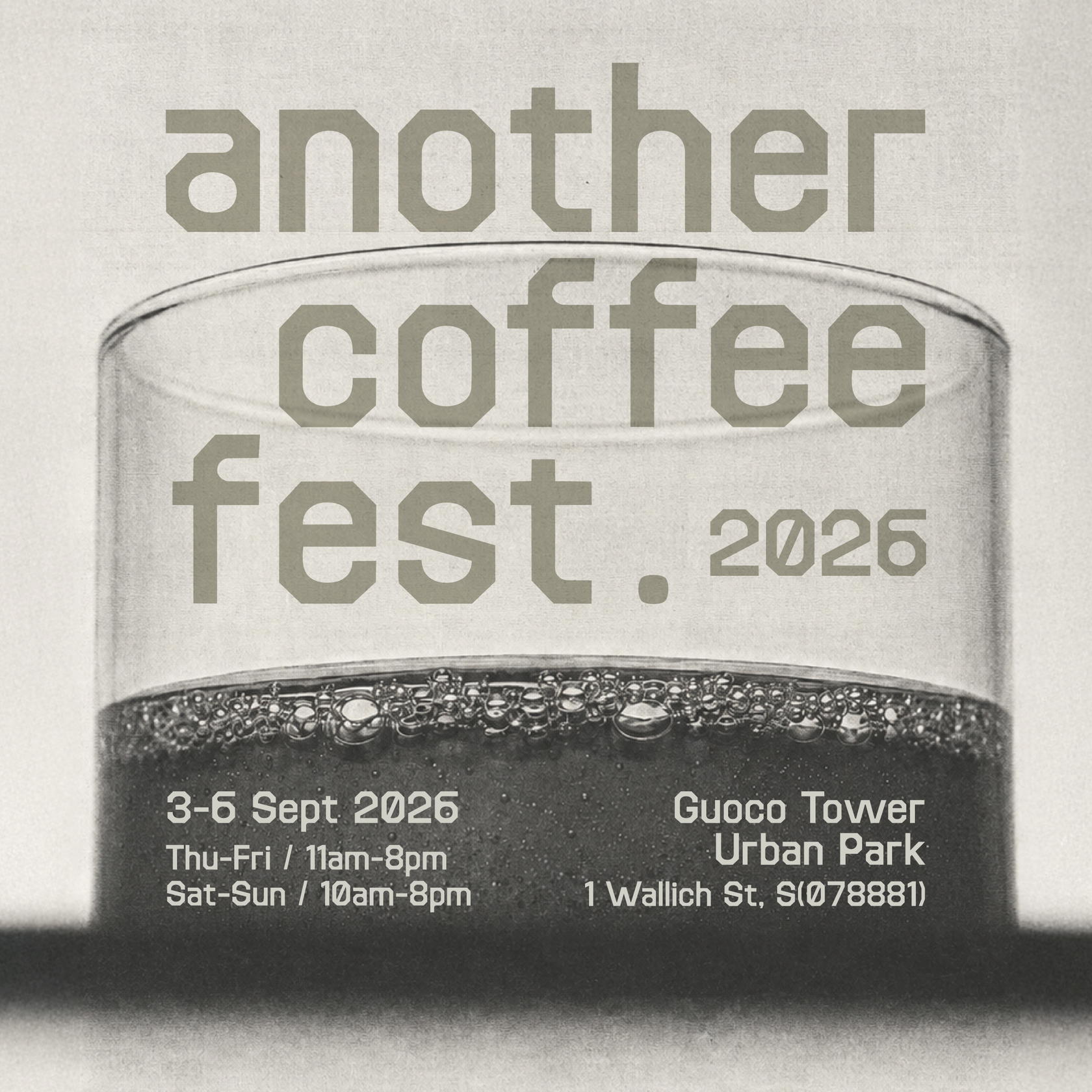
That’s where Another Coffee Festival hopes to make a difference. Taking place 3 to 6 September at Guoco Tower Urban Park, the four-day, non-profit, industry-led festival is more than just a showcase of exceptional coffee.
Bringing together 34 specialty roasters from Singapore and around the world, including Fuglen (Norway), Center Coffee (South Korea), and Coffee County (Japan), it aims to create a welcoming space where seasoned professionals and curious enthusiasts can discover coffee through tastings and shared experiences.
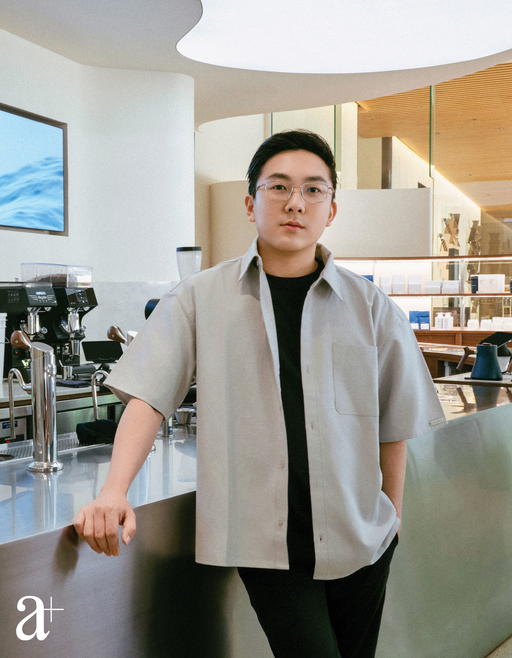
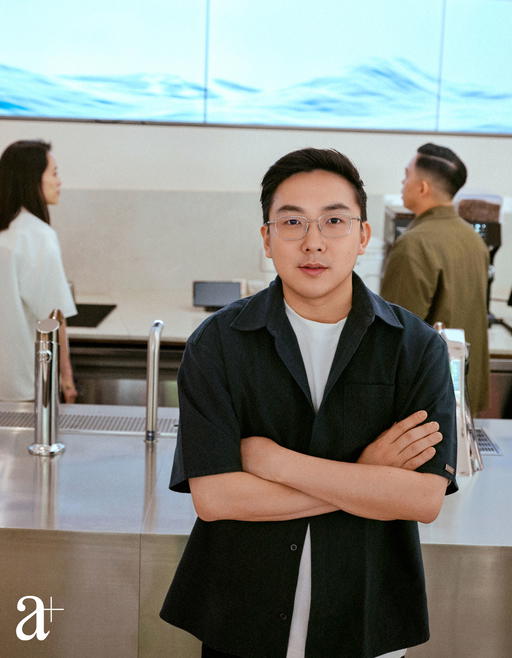
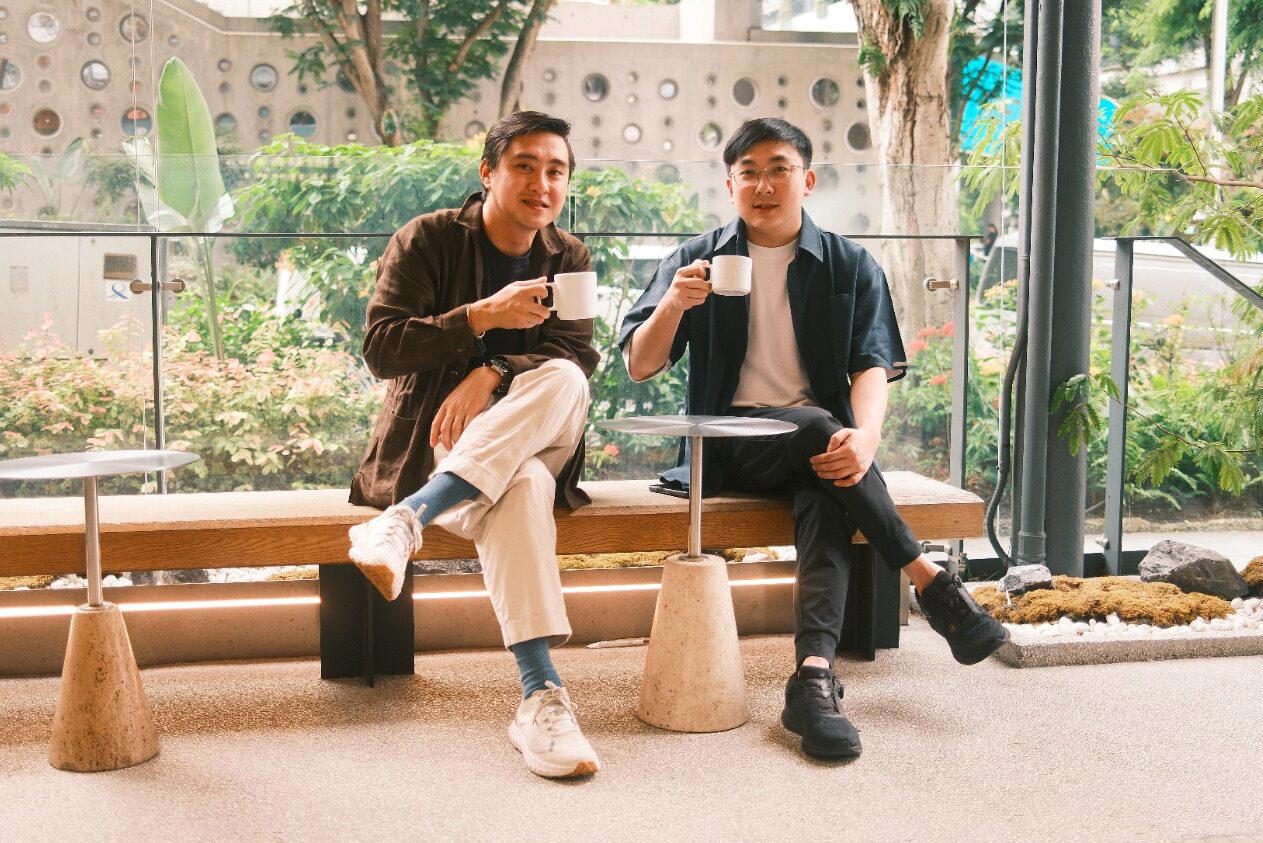
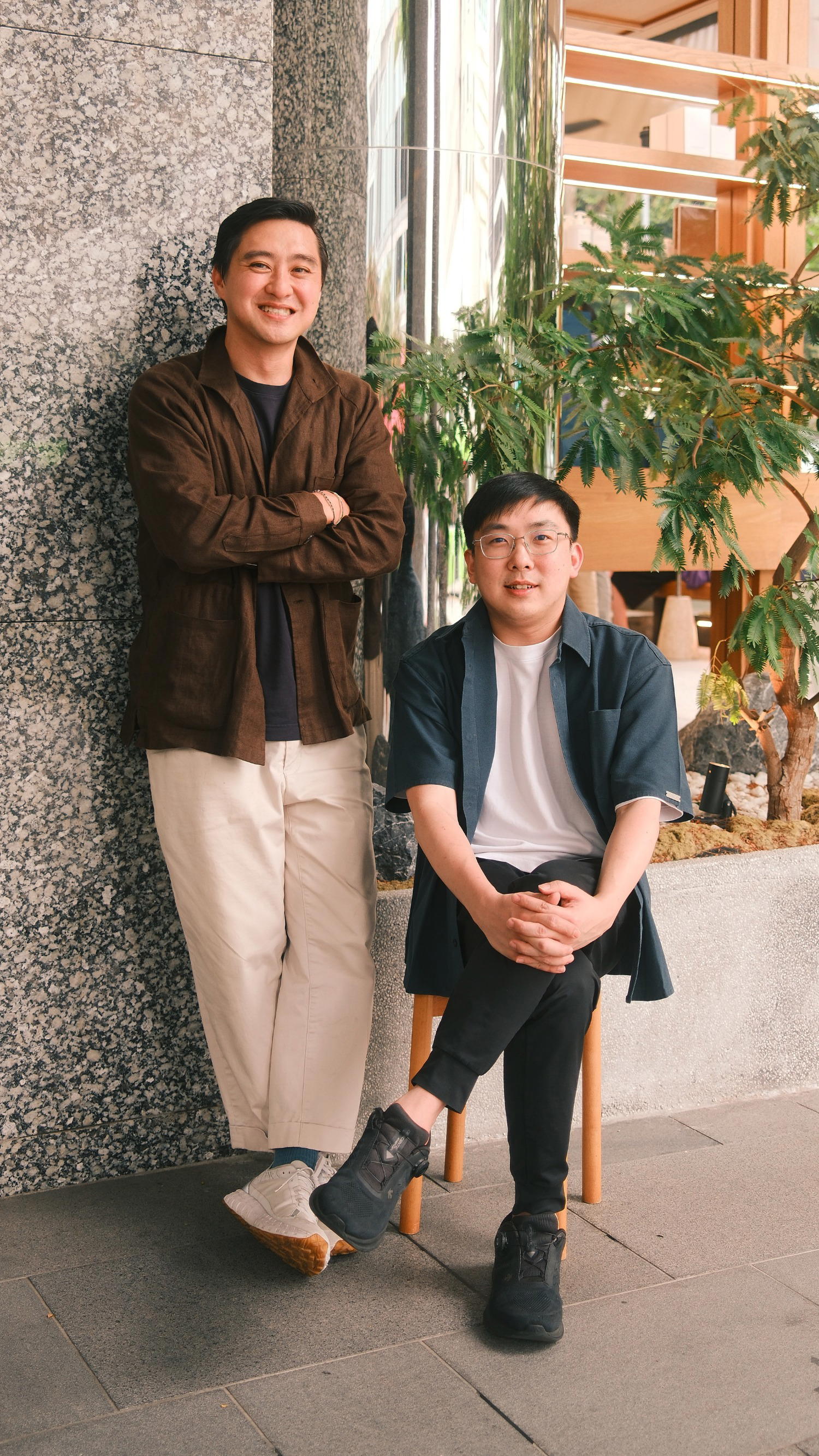
Founded by Singapore coffee entrepreneurs Leon Foo of Morning and Will Leow of Alchemist under the Another Coffee Initiative, the festival places community and collaboration ahead of commercial ambitions.
Ahead of the inaugural festival, we spoke with Foo about the inspiration behind Another Coffee Festival, why Southeast Asia is emerging as one of the world’s most exciting specialty coffee markets, and how the industry is responding to challenges such as climate change.
What inspired you to create this festival?
We felt there was a missing middle ground in the coffee industry. On one end are excellent trade shows and professional competitions that serve the industry well. On the other are cafés where consumers experience coffee one cup at a time. What was missing was an open platform where professionals, enthusiasts and newcomers could gather, interact and learn from one another in a relaxed environment.
Another Coffee Festival was created to bridge these worlds. We wanted to celebrate great coffee and the people, stories and ideas behind it, while making specialty coffee feel approachable to everyone.
How did you curate the festival lineup?
We looked for roasters with a clear point of view, whether that meant exceptional sourcing relationships, a unique roasting philosophy, innovation in processing, or simply a distinctive way of expressing specialty coffee.
We also wanted diversity. Visitors shouldn’t be tasting 20 versions of the same style of coffee. Instead, we wanted a lineup that reflects the breadth of specialty coffee today, from established names to emerging roasters that many people may be discovering for the first time, whether it’s Fuglen from Norway, Felt from South Korea or Apartment Coffee from Singapore.
What was the biggest challenge in convincing international roasters to participate in a first-time festival?
The biggest challenge was trust. International roasters receive invitations to festivals all over the world, so asking them to travel to a brand-new event naturally led to questions. They wanted to understand our vision, who was behind the event, and whether Singapore was the right place for it.
Fortunately, many of us have built relationships within the coffee industry over the years. Those relationships opened the first few doors. Once several respected roasters committed, others became much more confident that this was something worth supporting. I think many also recognised that this wasn’t designed as a purely commercial event. They appreciated that it was industry-led and community-focused, which aligned with their own values.
How have specialty coffee consumption habits evolved in Singapore and Southeast Asia, and what does that say about the region’s growth as a market?
People are no longer simply choosing between coffee and tea. They’re asking where a coffee comes from, who roasted it, how it was processed and why it tastes the way it does. That’s a very healthy sign for the industry.
We’re also seeing younger consumers treat specialty coffee as part of their lifestyle rather than an occasional luxury. They’re willing to explore different cafés, brewing methods, and roasters in the same way previous generations explored wine or craft beer.
Singapore has one of the highest levels of specialty coffee awareness in the region, but we’re also seeing rapid growth in markets such as Indonesia, Thailand, Vietnam, Malaysia and the Philippines. Together, Southeast Asia is becoming an increasingly important consumer market for specialty coffee.
How HAS climate change impactED bean quality and availability?
Climate change is already having a visible impact on coffee production. Many producing regions are experiencing less predictable weather, longer periods of drought, more intense rainfall, and higher incidences of pests and diseases. These conditions affect both yields and cup quality.
For example, inconsistent flowering caused by irregular rainfall can reduce harvest volumes, while rising temperatures are gradually pushing ideal coffee-growing conditions to higher elevations. Some producers are also facing increased costs simply to maintain quality under increasingly challenging conditions. For consumers, this means some coffees may become less available, more seasonal or more expensive over time.
How can specialty coffee brands respond?
Brands can build longer-term relationships with producers, paying prices that allow farms to invest in more resilient agricultural practices. They can diversify their sourcing instead of relying too heavily on a small number of producing regions. They can also educate consumers about why coffee prices may need to evolve as production becomes more challenging. Ultimately, sustainability isn’t just about environmental responsibility. It’s also about ensuring coffee farming remains economically viable for future generations.
How did you design the festival experience to appeal not only to coffee professionals but also to people just beginning to explore specialty coffee?
Everything was designed around lowering barriers. Instead of asking visitors to commit to a full cup at every booth, they can sample many different coffees using tasting tokens. This encourages exploration without making the experience feel expensive or overwhelming.
We also wanted the atmosphere to feel welcoming rather than intimidating. Visitors should feel comfortable asking basic questions, chatting with roasters and simply discovering what they enjoy. If someone leaves saying, “I didn’t know specialty coffee could be this approachable,” then we’ve achieved what we set out to do.
Beyond the festival, what else is planned for Another Coffee Initiative?
Our longer-term vision is for Another Coffee Initiative to become a platform that supports the specialty coffee ecosystem throughout the year. That could include educational workshops, collaborative pop-ups, public talks, industry networking, creative collaborations and programmes that connect consumers more closely with the people behind coffee.
Our primary objective isn’t to maximise profit—it’s to maximise participation and create long-term value for the coffee community. Operating as a non-profit allows us to make decisions based on what’s best for the industry rather than what’s most commercially attractive in the short term. Any surplus generated can be reinvested into future initiatives that benefit the wider coffee ecosystem.
What’s the best way to make the most of OUR TIME AT Another Coffee Festival?
Come curious, and don’t rush. Talk to the roasters. Ask questions. Taste coffees you wouldn’t normally order. Compare different origins or processing methods side by side. You’ll often learn as much from a five-minute conversation as you will from the coffee itself.
I’d also encourage visitors not to spend all their time with brands they already know. Some of the most memorable discoveries happen at the smaller booths you’ve never heard of before. Finally, come with friends. Coffee has always been about bringing people together, and the conversations you have during the festival are just as important as what’s in the cup.
Find out more about the festival here.