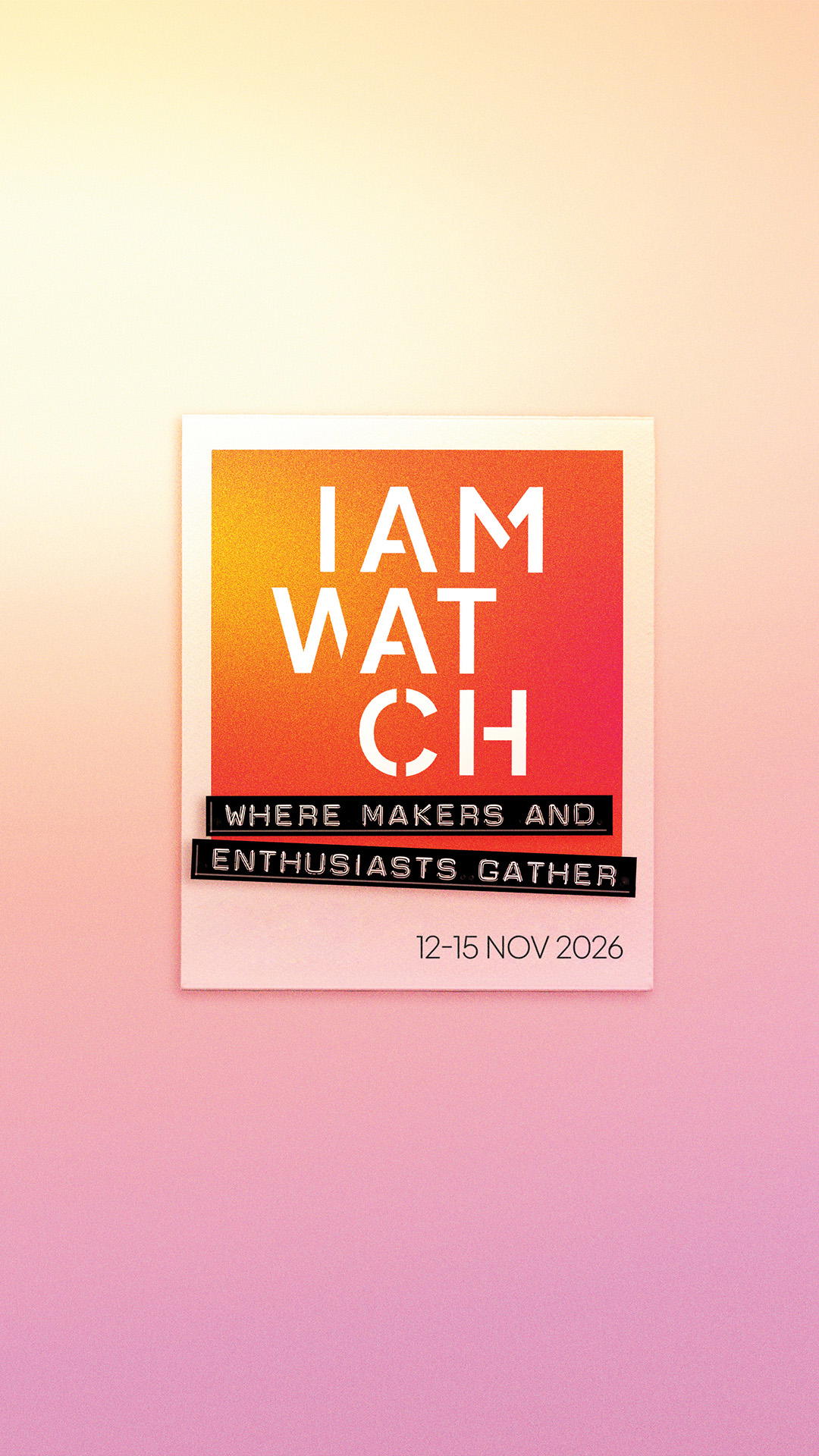
When The Hour Glass held the first Iamwatch in 2024, the idea was to give the Pan-Asian watch community somewhere to meet. Makers and collectors flew in from around the world and spent four days together in Singapore, trading stories and know-how. The second edition opens at The Singapore Edition on November 12 and runs until the 15th, with more than 60 watchmakers and friends of the retailer taking part.
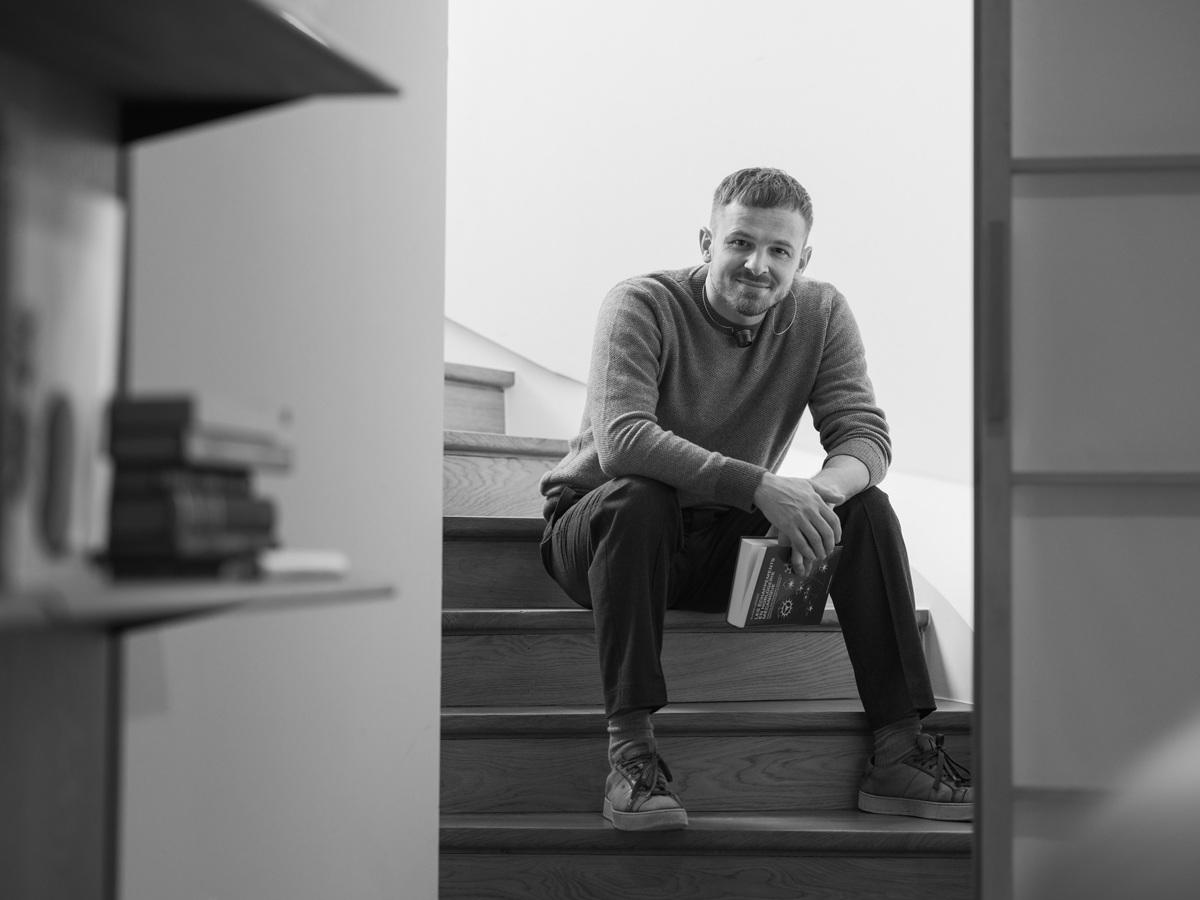
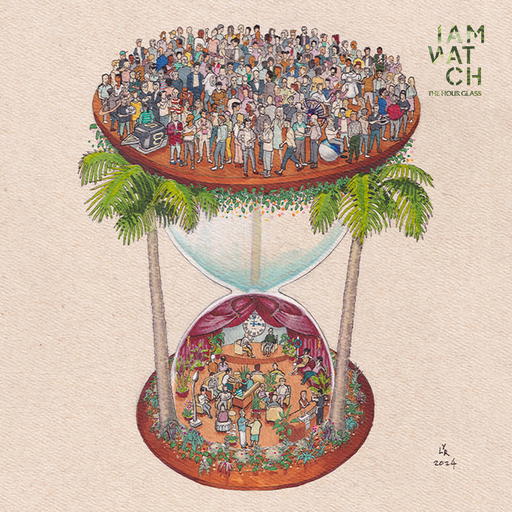
This year it is organised around a single premise: that independence relies on interdependence. The usual image of the independent artisanal watchmaker is of someone alone at the bench, working under their own name. The reality involves good many others. A supplier made the component, another maker shared a technique, a collector placed his faith in an order made by an unknown name, and at some point a writer put the work in front of a wider audience. Iamwatch 2026 sets out to get those people into the same room.
Some of the brightest minds in independent watchmaking
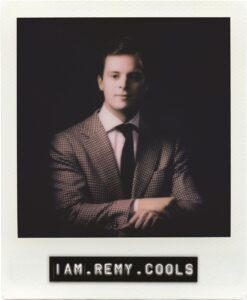
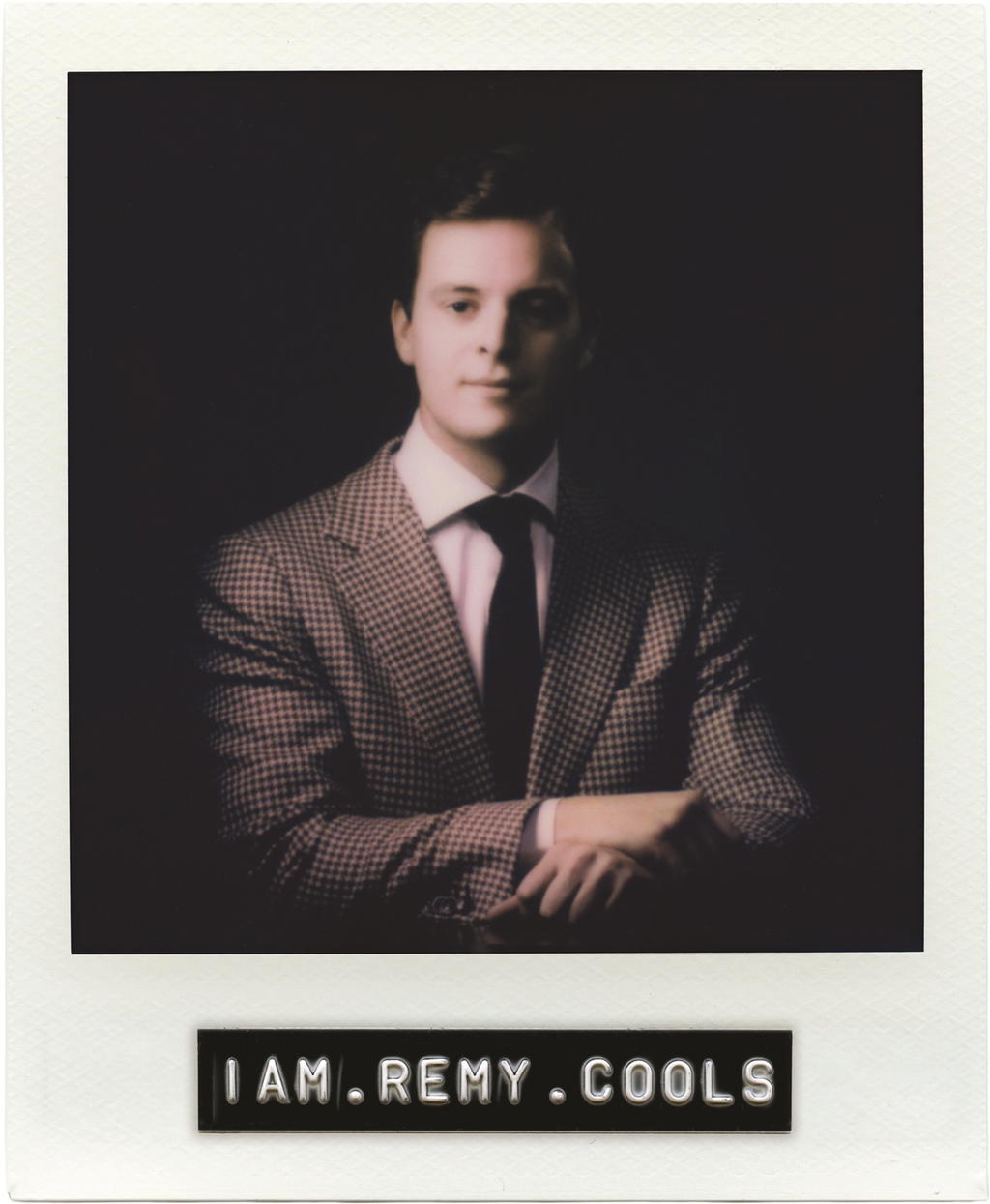






The programme takes place over three public days, with six Conversations and six Lectures, alongside thematic gatherings, film screenings and watchmaking masterclasses. Together, they examine the creative, technical and practical realities of independent artisanal watchmaking: the challenges of establishing a workshop, the transmission of knowledge between generations, the scope for continued invention and the relationships that sustain the craft.
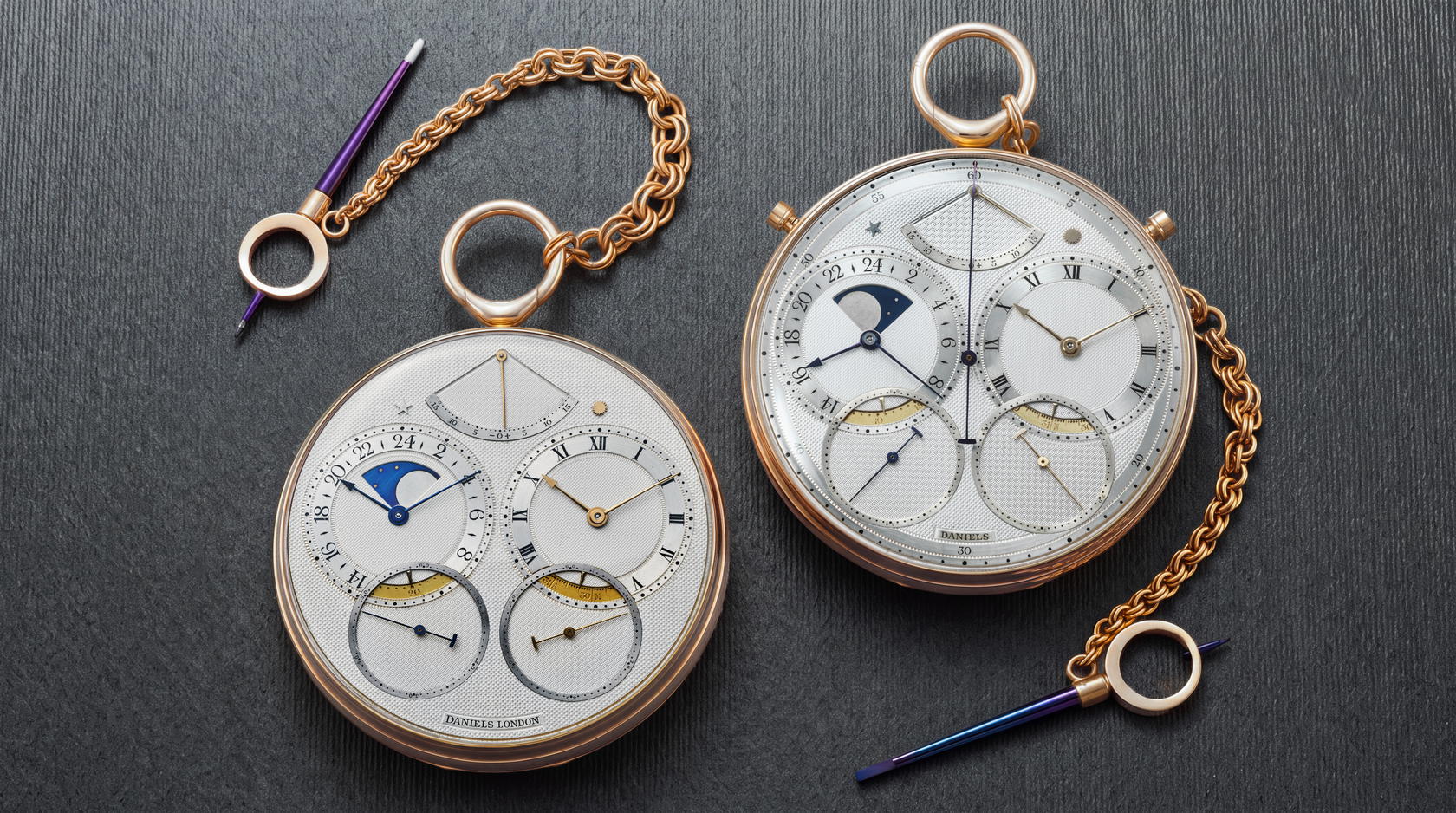
A major highlight is George Daniels 100: The Genesis of Artisanal Watchmaking, an exhibition presented by Phillips in Association with Bacs & Russo and The Hour Glass. Marking the centenary of the British watchmaker (1926–2011), it brings together 22 of his watches for the first time, offering the most comprehensive public survey of his work to date. Among the exhibits are Space Traveller I and Space Traveller II, both made in 1982 and now reunited for the first time. The exhibition is accompanied by a documentary commissioned by Phillips to mark the centenary, with its world premiere at Iamwatch on 14 November.
Makers will come together to discuss the questions facing independent watchmaking today, while the lectures offer a closer look at the people, techniques and histories that have shaped it. For collectors and enthusiasts, the event offers something less readily available at traditional watch fairs: time with the makers themselves and a deeper understanding of how their watches come into being. For the watchmakers, it provides a rare opportunity to meet the suppliers, retailers, critics and institutions that form their professional ecosystem, many of whom they might otherwise encounter only individually.
Michael Tay, Group Managing Director of The Hour Glass, describes the moment he is hoping for as the one “when a collector finally meets the hand that made the thing they love.” He is clear that the event is no trade fair. Watchmaking, as he puts it, has carried human ingenuity on the wrist for more than 500 years, and it survives only by being handed on. “So come and help us hand it on.”
Public days run from November 13 to 15, and admission is free, just don’t forget the dress code: double-wristed; resort casual.