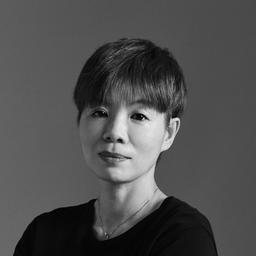

If you have attended meetings with Angelene Chan, you must have seen it. She pulls out a black-cover journal, flips through its accordion folds, and stretches out the pages. Each is filled with flowy handwriting and colourful drawings.
“This is from my meeting with Shayne [Phua], this with [Koh] Kai Ting, and this, Joanne [Lim]. While talking to these artists, I was jotting down notes about what they do and trying to do sketches of their works. It’s a good reminder of exactly what our artists do and their perspectives.”
A small crowd gathers around Chan at the a+ cover shoot, alternating between “OMG”, “I thought you were scribbling notes”, and “Can I take a photo of this?” The reply to the last is a gentle but very firm “no”.

One of Singapore’s most influential architects, Chan has led the design of projects such as Resorts World Sentosa (Singapore), Dubai Mall (Dubai), Noon Square (Seoul) and Marina’s Quarter (London). A three-time Design of the Year winner at the President’s Design Awards (2009, 2015 and 2018), she spent five years as CEO of DP Architects before becoming its executive chairman in 2020.
In March, she became the first architect inducted into the Singapore Council of Women’s Organisations Singapore Women’s Hall of Fame. At this year’s National Day Awards, she was conferred the Public Service Medal. Having served on several boards, including Board of Architects, Dover Park Hospice, and Urban Redevelopment Authority, she is also on that of Singapore Land Authority, Building and Construction Authority, and most recently, Artery.
When the invitation to join Artery as a board member came, her response was immediate. “Instantly, it was yes,” she says. Artery is an independent non-profit founded by philanthropist Danny Yong, the founder and chairman of The Majurity Trust. It addresses the “missing middle” in the local arts ecosystem; beyond grants, it helps early- and mid-career artists sustain their practices between funding cycles.
For Chan, it was a meaningful opportunity to use her experience and perspective in service of something she cares deeply about: creating greater visibility, recognition and opportunities for local artists, and helping to nurture the wider arts ecosystem.
“In my work as an architect, I also curate artists’ creations for spaces. I love art, and collect works solely by local artists, so this is my opportunity to help. It’s all one big circle!”
MOVING ARTISTS BEYOND RECOGNITION
Artery’s five-year Artist Accelerator Programme coordinates private-sector support spanning income, infrastructure, and long-term career development. In year one, artists receive a monthly stipend of up to $2,000, artwork acquisition, curatorial mentorship, exhibition opportunities with partner galleries, and integrated business, legal and marketing support.
In years two through five, the programme extends to curatorial support, S$10,000 in professional services credits, and sponsorship for overseas residencies. Rather than a fixed set of key performance indicators, the team and the artist draft a work plan together.
The goal is to help artists transition from recognition to relevance. “Getting noticed can happen once, but relevance must be continually earned. You must keep growing, stay curious, ask tough questions of yourself, respond to a changing world, and be willing to let go of ideas that once worked previously. At the same time, you must protect what remains essential to you, so evolving does not mean losing your authenticity,” says Chan.
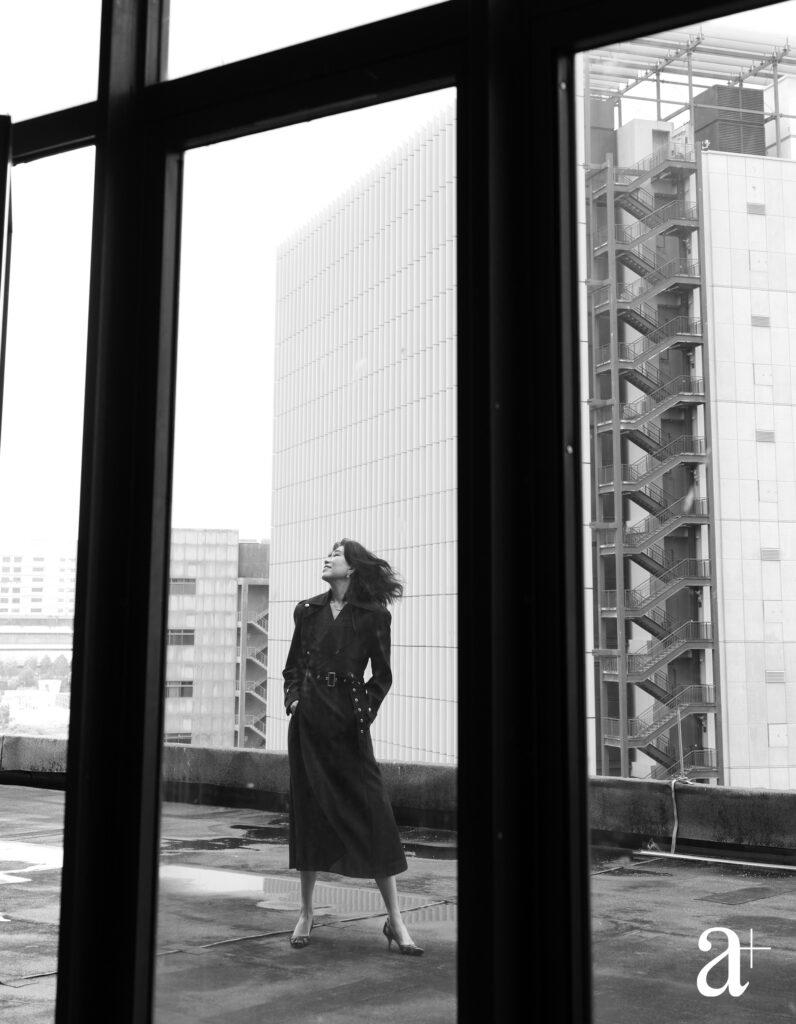
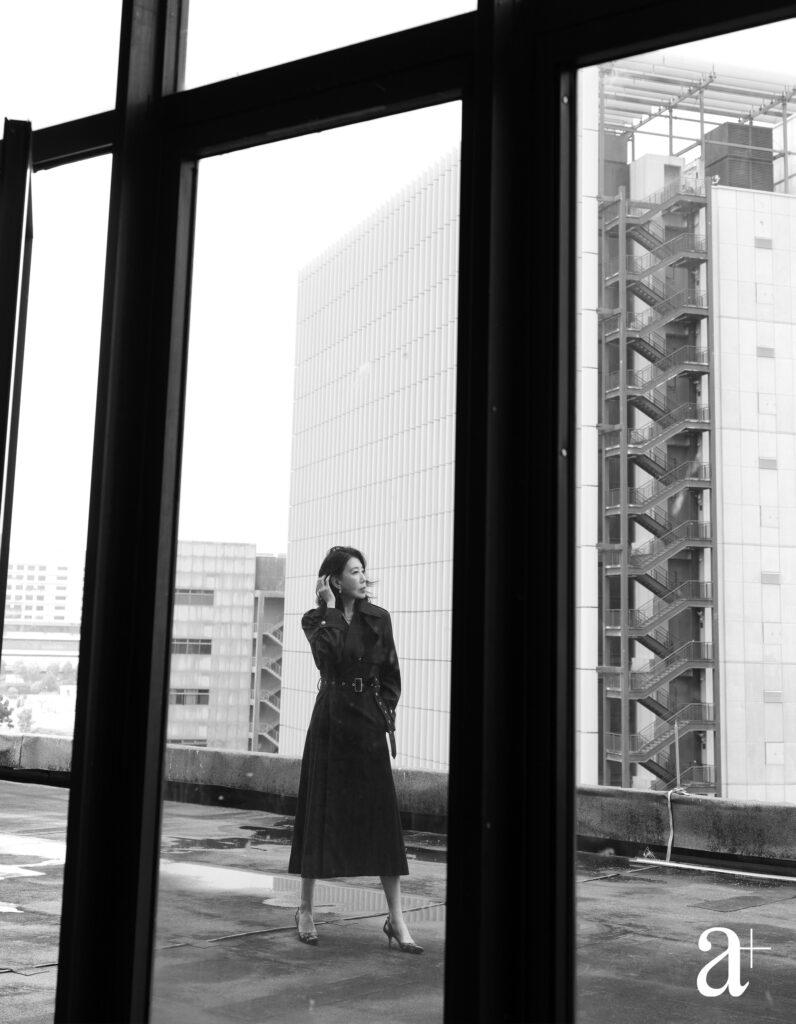
“This missing middle is the space between having the talent to attract attention and building a sustainable practice that will continue over time. An artist may have had a breakthrough, but what happens afterwards? Can they develop their voice… and continue making meaningful work? In that sense, the missing middle is not just a funding gap; it is a developmental gap. It is where potential has to become practice, and where practice has to become a career.”
The programme has six artists: Alya Rahmat, Joanne Lim, Koh Kai Ting, Rofizano Zaino, Shayne Phua, and Siew Guang Hong. An open call for its second cohort of artists launches in October.
Koh, a multidisciplinary artist, paused painting for two years and shifted to digital art due to space constraints. Since moving into the 4,000-sq-ft Artery studio at Admirax Building in August, she has scaled up her paintings to 1.5m by 1.5m. “It’s changed the way I think about my work,” says the 30-year-old.
Siew, a 26-year-old LaSalle College of the Arts graduate, works in a gallery to fund production costs for his works. With Artery’s stipend, he now works four days a week instead of five: “This one day makes a huge difference.”
Chan has met these artists and describes them as amazing. “It was my idea to meet them and understand where they are coming from. Each has unique concepts and thought processes, and works with different media. Absolutely fascinating! I want to meet them every six months because I’m excited to see them grow.”
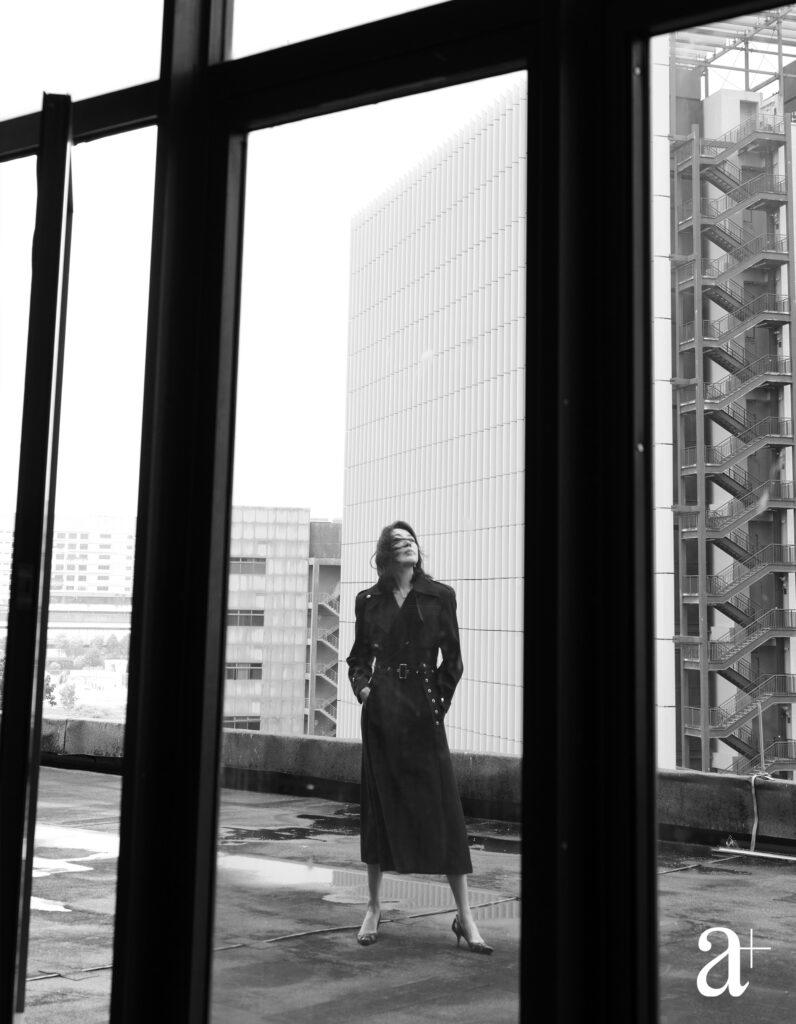
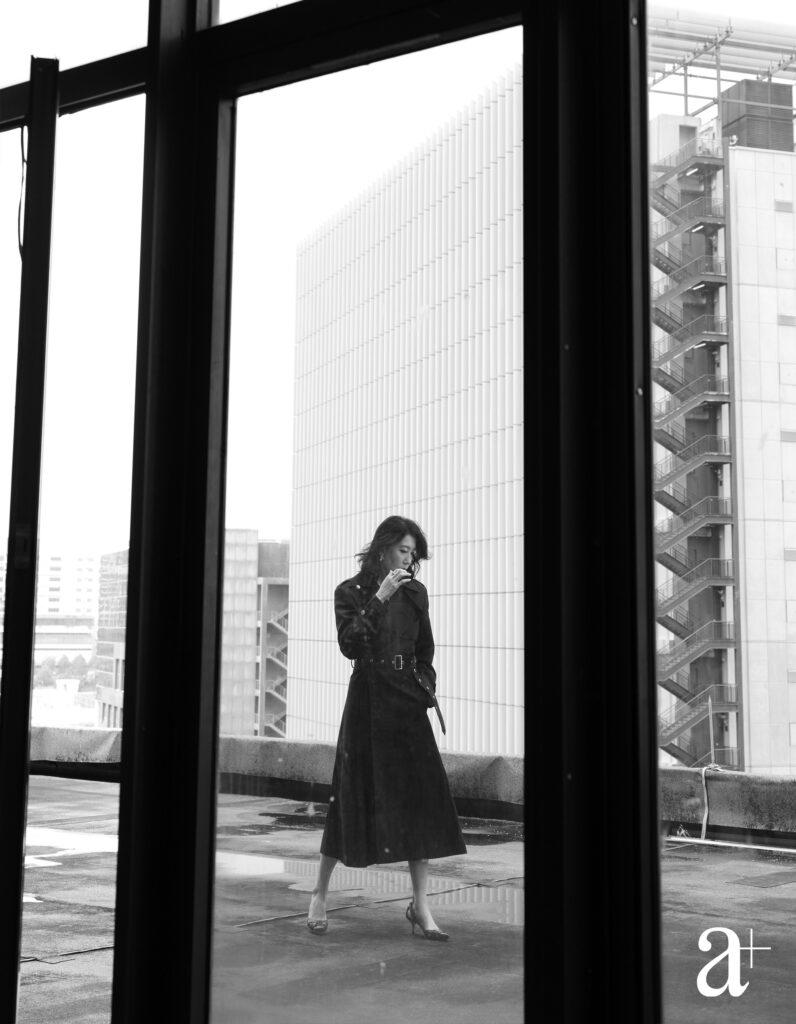
BUILDING A CULTURE FOR NEW-GEN LEADERS
The eldest of four children, Chan was born in Malaysia to a car factory manager and his primary school teacher wife. From the age of 12, she dreamed of becoming an architect. She completed her six-year architecture course at the University of Adelaide a year ahead of schedule and graduated at the top of her class. When she was 22, she married an economist and they have a son, 28, and a daughter, 26.
She joined DP Architects in 1990, and was part of its team that worked on Suntec City. Now its executive chairman, the 62-year-old is tasked to steer the firm’s global growth. It celebrates its 60th anniversary next year, with 17 offices worldwide and eight architecture-related specialist arms.
Besides overseeing design, she also decides what projects the company takes on. “Being in the role has made me realise that leadership is itself a form of design. I no longer measure my contribution only by the projects I personally lead. Today, I think about the culture we create, the values we reinforce, and the opportunities we give younger architects,” she says.
For Angelene Chan, building a practice that consistently produces meaningful work may ultimately have a more profound impact than designing any single building.
Much of that role revolves around nurturing people: helping them discover their strengths, giving them the confidence to lead, and creating an environment where they can thrive and do meaningful work. For Chan, building a practice that consistently produces meaningful work may ultimately have a more profound impact than designing any single building. It is important for her to develop architects who are technically excellent, curious, compassionate, and generous in spirit.
“To me, success carries with it a responsibility to do the same for others. No one succeeds entirely alone. I’ve been fortunate to learn from generous mentors and talented colleagues, and those experiences have shaped both my career and my approach to leadership.
“Leadership is not simply about achieving your own goals; it’s about creating opportunities for the next generation to grow, contribute, and eventually lead. That means mentoring, sharing knowledge, entrusting people with responsibility, and sometimes stepping aside so others can step forward.
“If those who come after us are able to achieve more than we did, then we’ve truly succeeded. That’s the kind of legacy I hope to leave.”
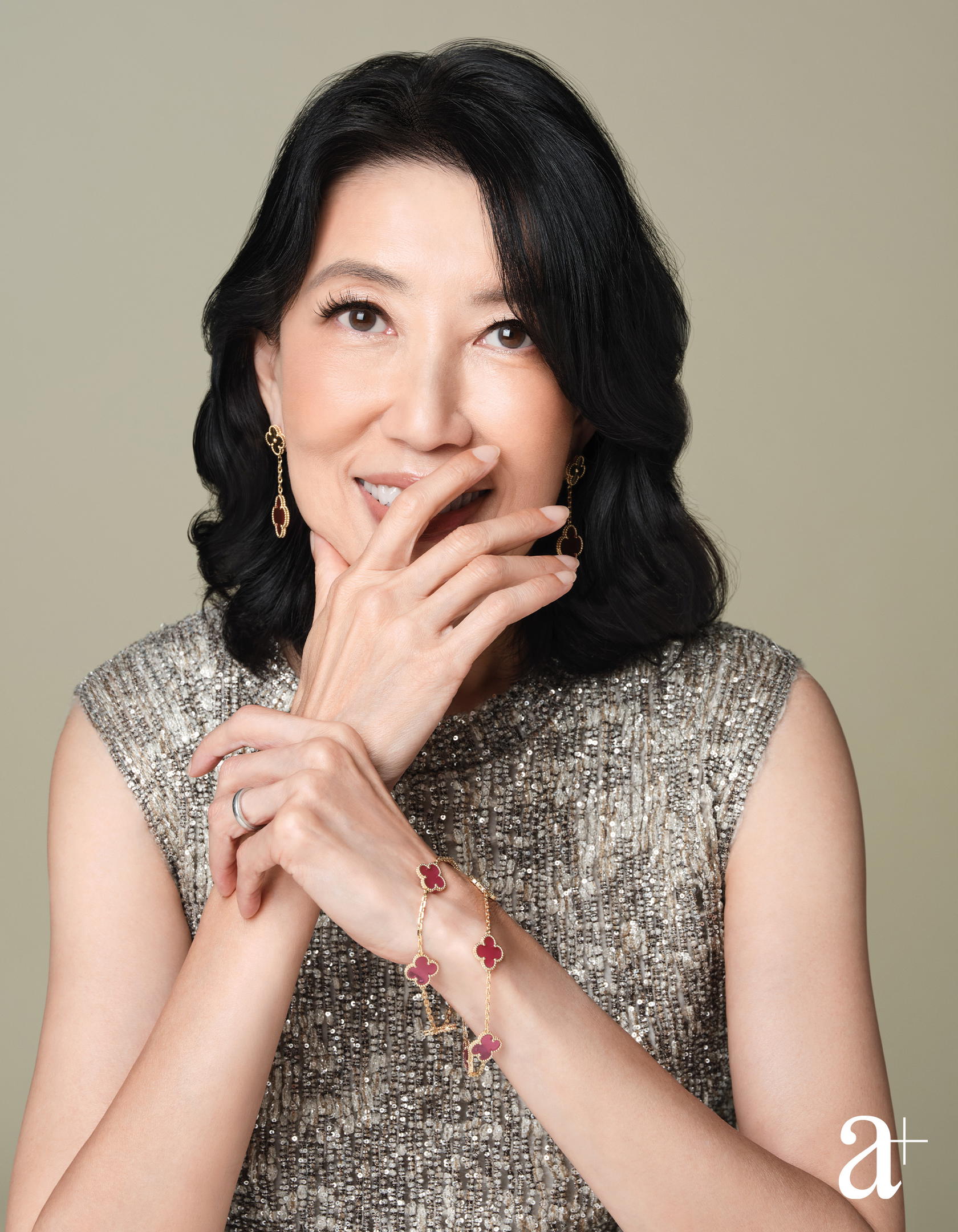
This focus on people guides her design approach. “The first question I ask before taking on a project is, who is this really for? Before discussing form, technology or budget, I want to understand the people. If we truly understand the users, the place, and the aspirations of the client, many design decisions begin to emerge naturally.”
Architecture, for her, used to be about designing striking buildings; it is now about improving people’s lives. Every project is an opportunity to influence how people meet, work, heal, learn, and belong.
“That responsibility never becomes ordinary,” says Chan, who’s also spearheading the design of Therme Singapore, a 720,000-sq-ft urban well-being destination that opens in Marina South in 2030. “Every site has a different story and every community deserves a thoughtful response. That keeps architecture endlessly fascinating.”
At that moment, the photographer signals he’s ready to start shooting, so I circle our conversation back to her journal.
What can architects learn from artists? “Courage. Artists often begin without knowing the outcome. They embrace experimentation and vulnerability. Architects operate within many constraints, but we should never allow these constraints to diminish our capacity for imagination.”
I tell her that she would have made it big as an artist, and she chortles. “Let’s not talk about my paintings, because they are not that good. Yes, I did them as a kid, and I used to join art competitions at school, that kind of thing…But if I’d become an artist, I’d be truly, truly starving and dying!”
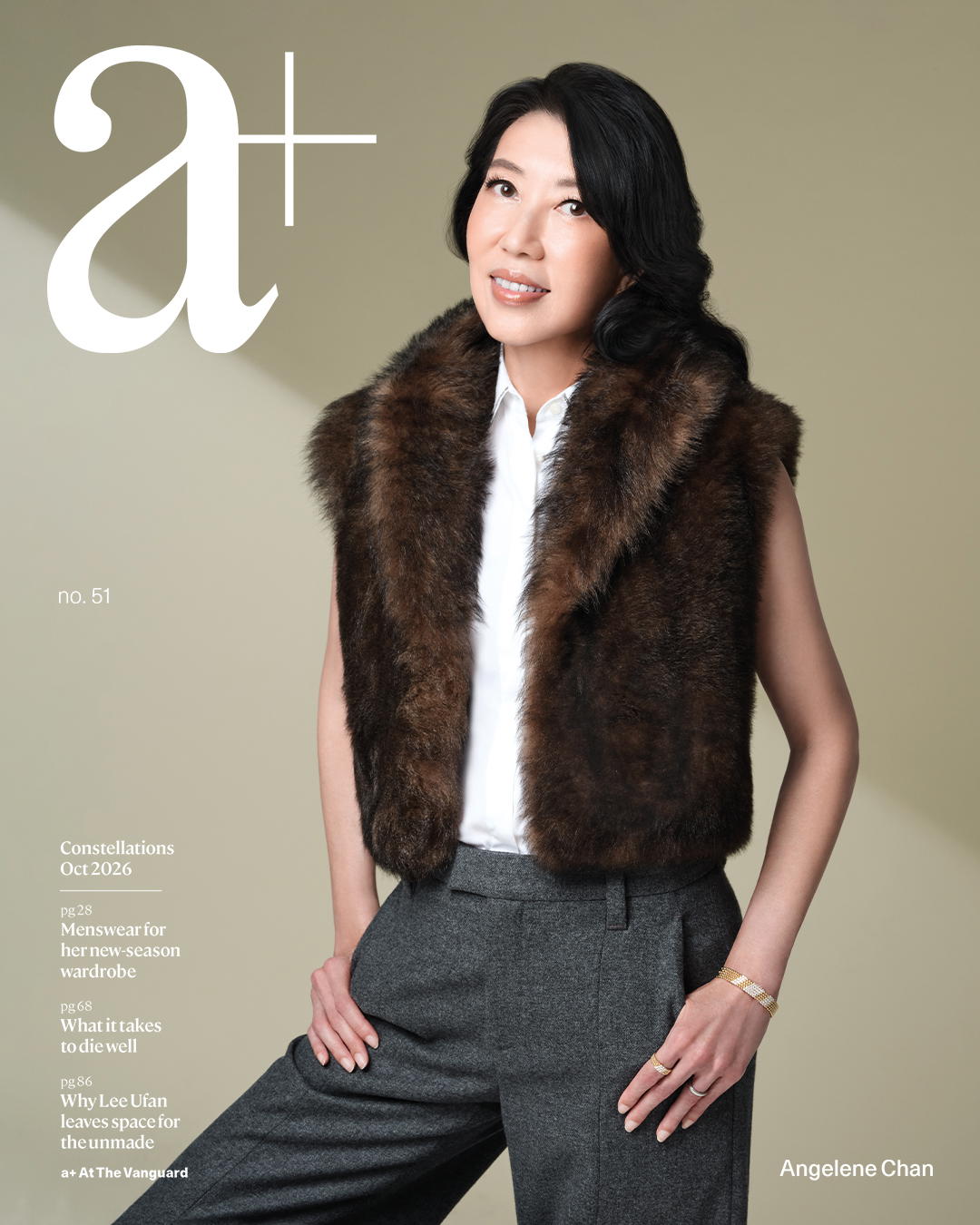
Photography Wee Khim
Styling Chia Wei Choong
Hair Christvian Wu, using Dyson
Makeup Ying Cui, using Burberry Beauty
Photography assistant Ivan Teo
Styling assistant Megan Lim