Operating an art gallery in Hong Kong today comes with two major challenges. First, fluctuating demand stemming from a generational shift. While seasoned collectors are purchasing fewer artworks due to age, the new generation is still finding its footing and has yet to fill the gap.
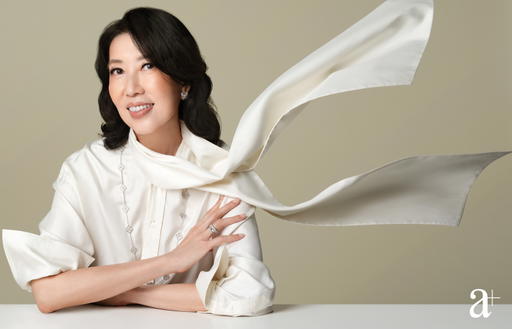
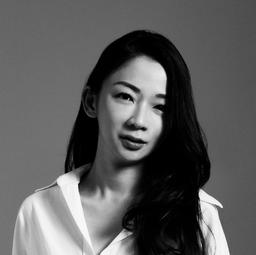
Second, rising expenses. A surge in logistics costs means fewer artworks by international artists being imported. “Last year was the most difficult year for galleries and auction houses due to the post-pandemic environment and geopolitical tensions,” says Catherine Kwai, founder and CEO of Kwai Fung Hin. The 35-year-old art gallery in Hong Kong specialises in 20th-century modern and contemporary art.
The bright side, however, is that the proliferation of digital art hasn’t disrupted the market because it has a different audience, Kwai notes.
Her love for art developed serendipitously. Specifically, while she was on a business trip in New York during her previous career as a banker. She had come across pieces from the David Rockefeller collection and was intrigued. “The stories behind them fascinated me. I was struck not just by the beauty of art, but also the depth of human expression and the history it carries,” she recounts.
She subsequently found herself carving out time to visit art galleries and museums, so opening an art gallery “naturally came to mind” when she left her corporate job a decade later. “It was the creative, cultural, and human side of the industry that inspired me to start Kwai Fung Hin.”
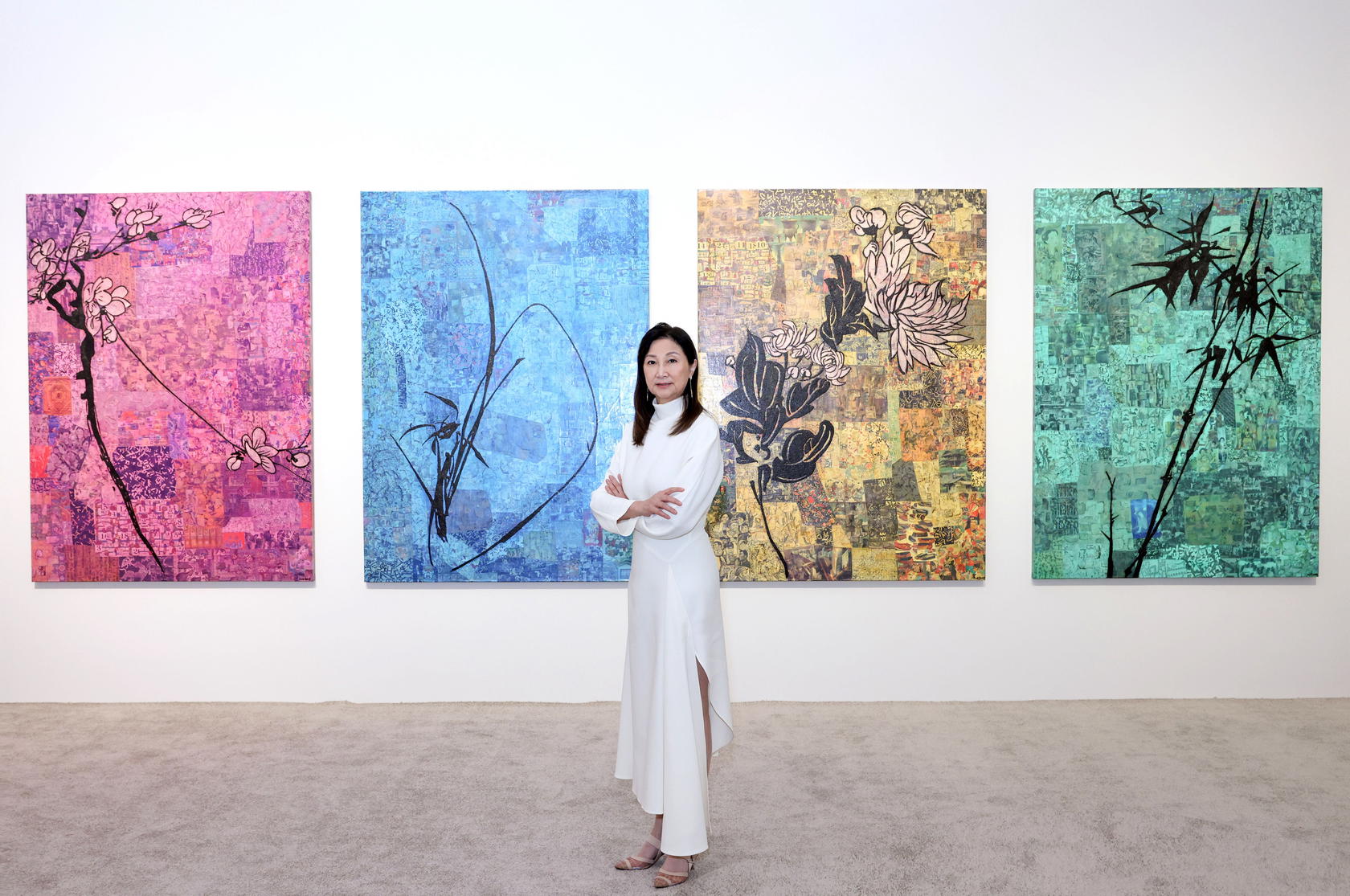
The gallery typically works with artists whose practices are rooted in their cultural heritage, and who maintain a global perspective and contemporary relevance, Kwai says. Because she believes artists are entitled to “absolute freedom” when it comes to creativity, Kwai Fung Hin neither accepts commissions on their behalf nor discusses market trends with them.
“Our role is to support their development and promote their works through exhibitions, fairs, and museum shows. The cultural significance of the works will eventually receive appreciation from the private collectors and institutions who acquire them from us,” Kwai avers.
In her view, although the art ecosystem in Asia isn’t as mature or structured as it is in the West—as evidenced by the lack of artist archives and art foundations—Asia has an edge when it comes to adaptability, the willingness to learn, and embracing change. It is why Kwai Fung Hin launched its first overseas gallery in Singapore last year.
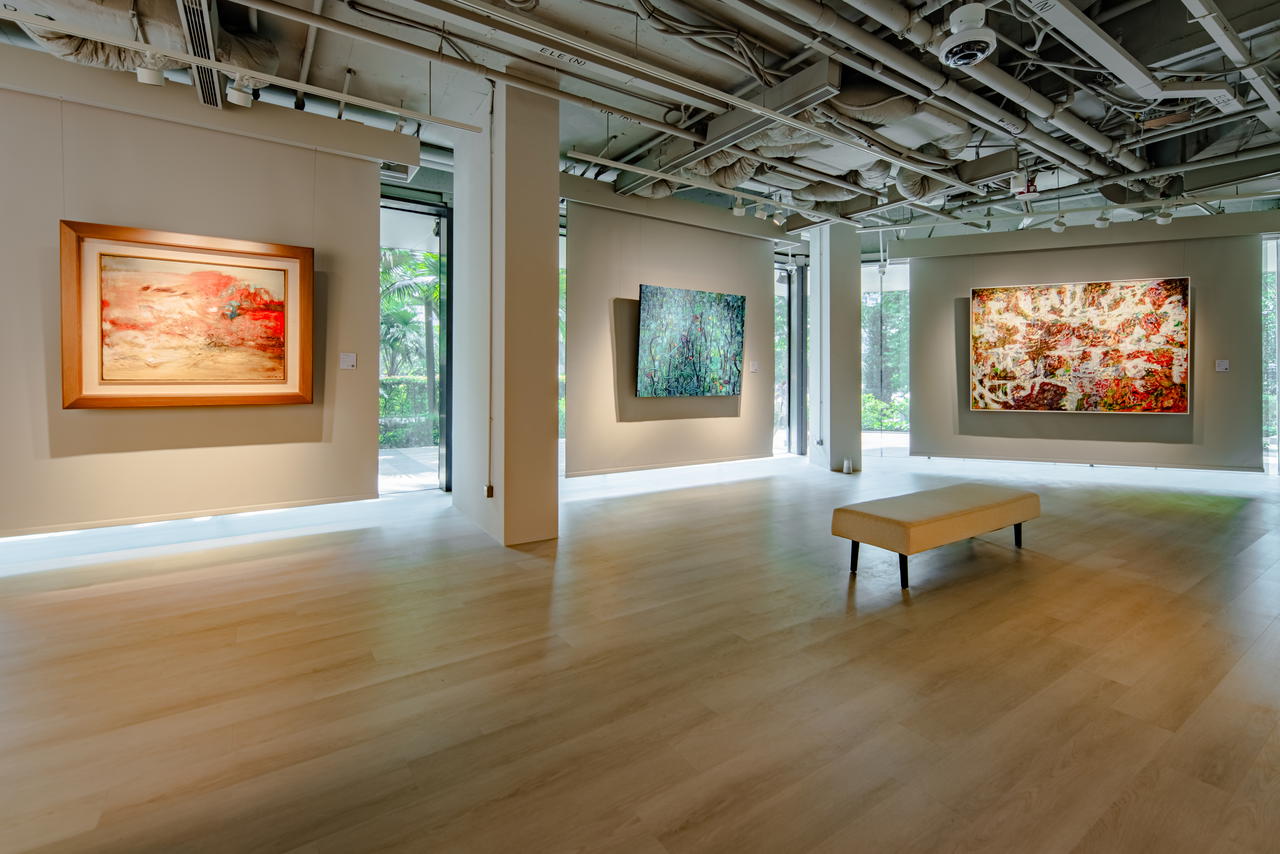
Located at 30 Beach Road, Kwai Fung Hin Art Gallery Singapore was inaugurated with an exhibition titled “Worlds beyond Reality – Monet’s Legacy II”. It features an 1887 masterpiece ‘Pivoines’ (Peonies) by Claude Monet alongside works by prominent modern and contemporary artists such as Zao Wou-Ki, Chu Teh-Chun, Lalan, and Li Huayi.
Prior to the launch, Kwai Fung Hin dedicated three years to studying the local market by participating in events like Art SG and organising pop-up exhibitions and art talks with local institutions. Its efforts confirmed that Singapore audiences are not only knowledgeable about art, but also possess an appetite for works by international artists.
That said, they tend to be most drawn to Southeast Asian art, though this is to be expected since it is closer to Singaporean culture. “It’ll take time for them to be more open to the works of international artists, which is precisely why I place importance on educational programming. Initiatives such as art talks play a vital role in expanding horizons and fostering deeper connections,” Kwai says.
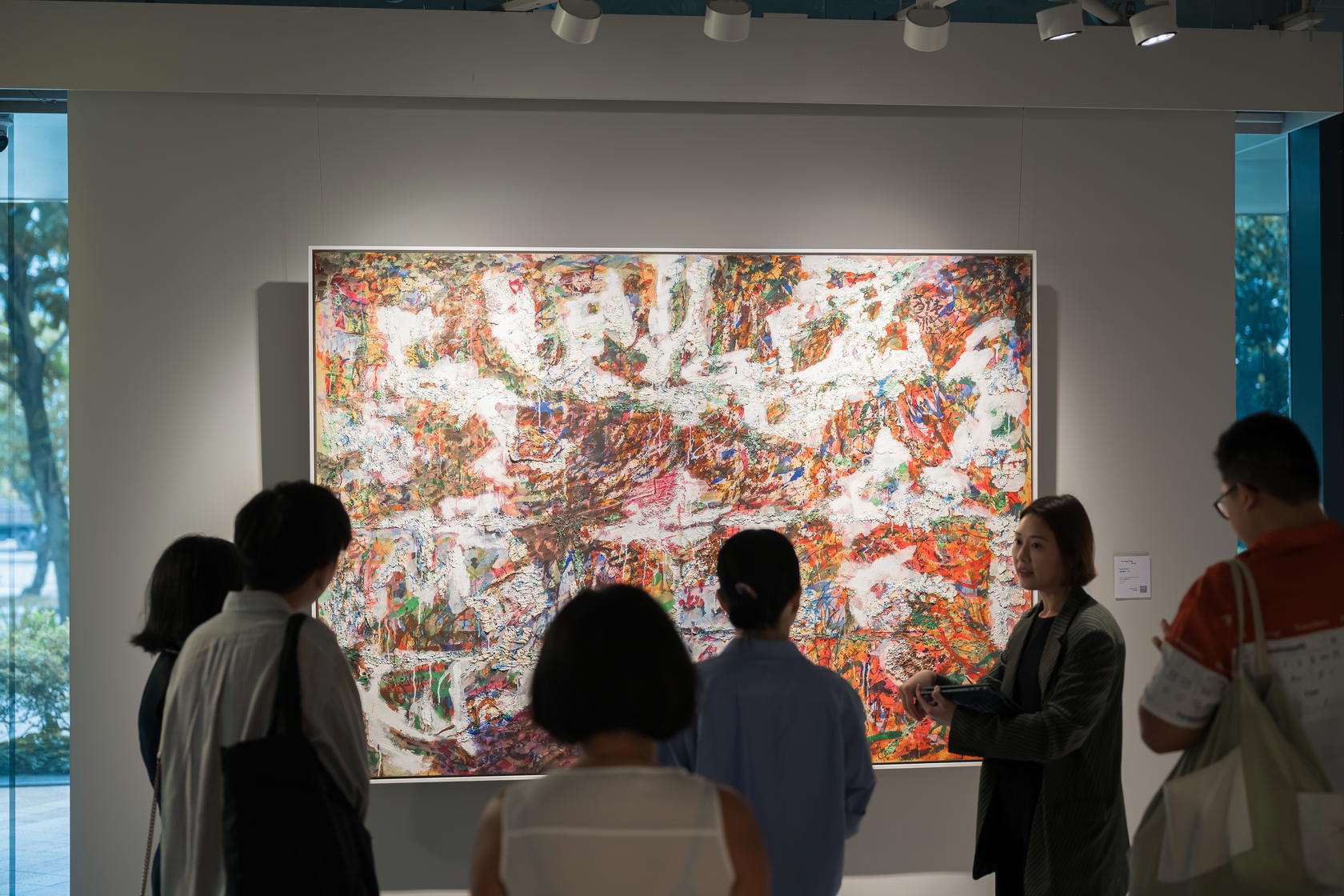
In addition to education, Kwai Fung Hin preserves legacies by collaborating with artists and their estates to build archives that systematically present biography, oeuvre, provenance, and exhibition history, among other details. It also works with academics and international publishers to produce monographs and exhibition catalogues. The gallery has so far organised more than 170 gallery exhibitions and 15 institutional exhibitions, and published 133 lithographs and 52 art books.
Kwai is of the opinion that Southeast Asia’s art scene will continue to grow rapidly through the launch of more international galleries, private museums, and cultural infrastructure, and looks forward to discovering new artists from different regions and backgrounds.
After all, sustaining an art gallery doesn’t just require a critical eye for selecting good artists, but also an ability to build mutual trust with both artists and collectors, she makes plain.
“To run a gallery is never easy since art is not a necessity, but for spiritual satisfaction. Achieving short-term sales targets for an exhibition is necessary, but they alone cannot guarantee stable growth.”