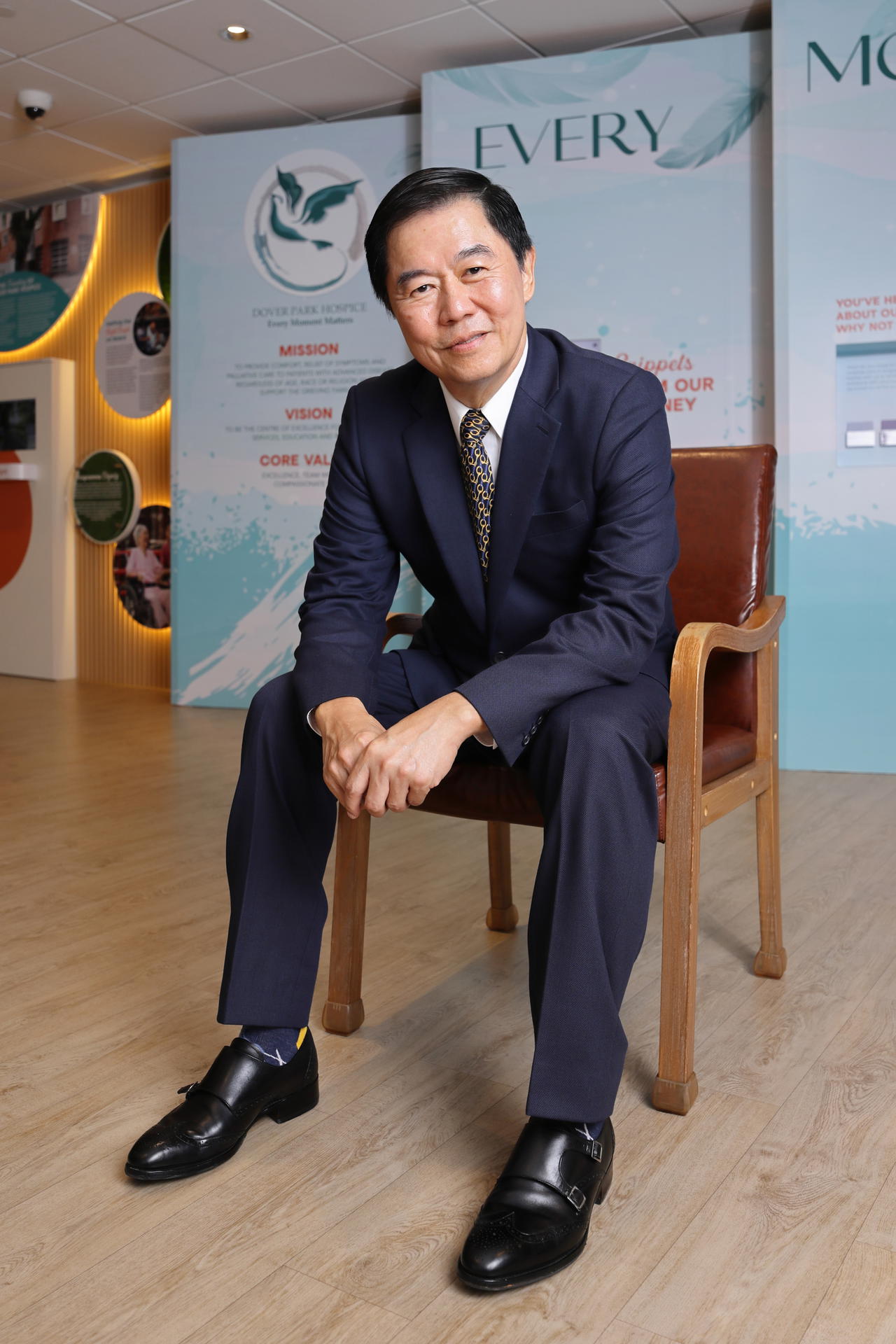
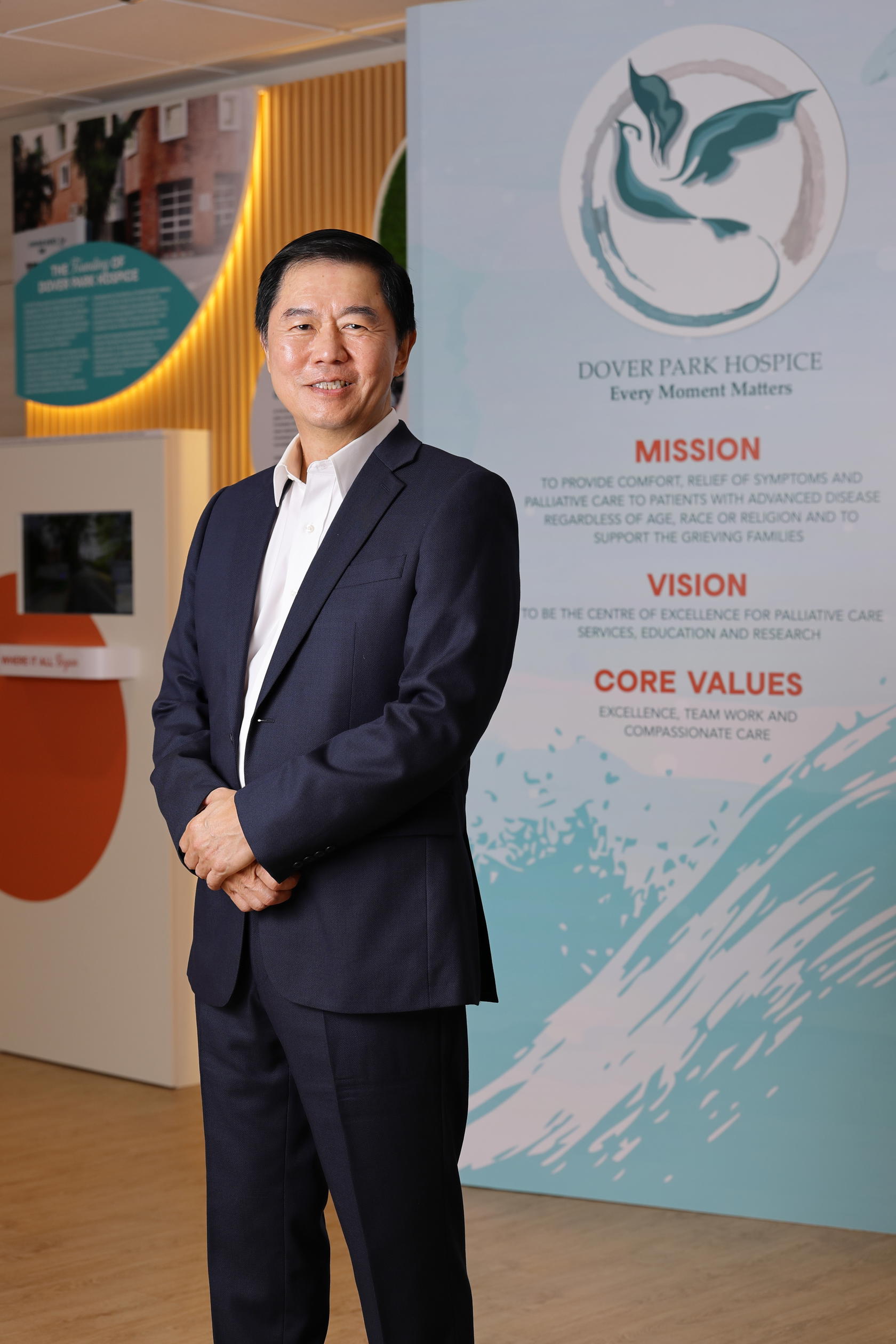
With 21 percent of citizens 65 years and older in 2026, Singapore is now a super-aged society. “While more of us are living longer,” says Mr Ong Hung Guan, Chairman of Dover Park Hospice (DPH), “some could be struggling with chronic illnesses and complex care needs.”
Besides catering to more inpatients, this also means supporting more patients who choose to receive end-of-life care at home. Hence DPH has expanded its Home Care services while helping to train healthcare professionals in palliative care.
Ong, who assumed his role in August, has served DPH since 2015. As he points out, “End-of-life is something that will eventually touch everyone, every family and every community. Medicine cannot always cure, but there is always something we can do to bring comfort and preserve dignity.”
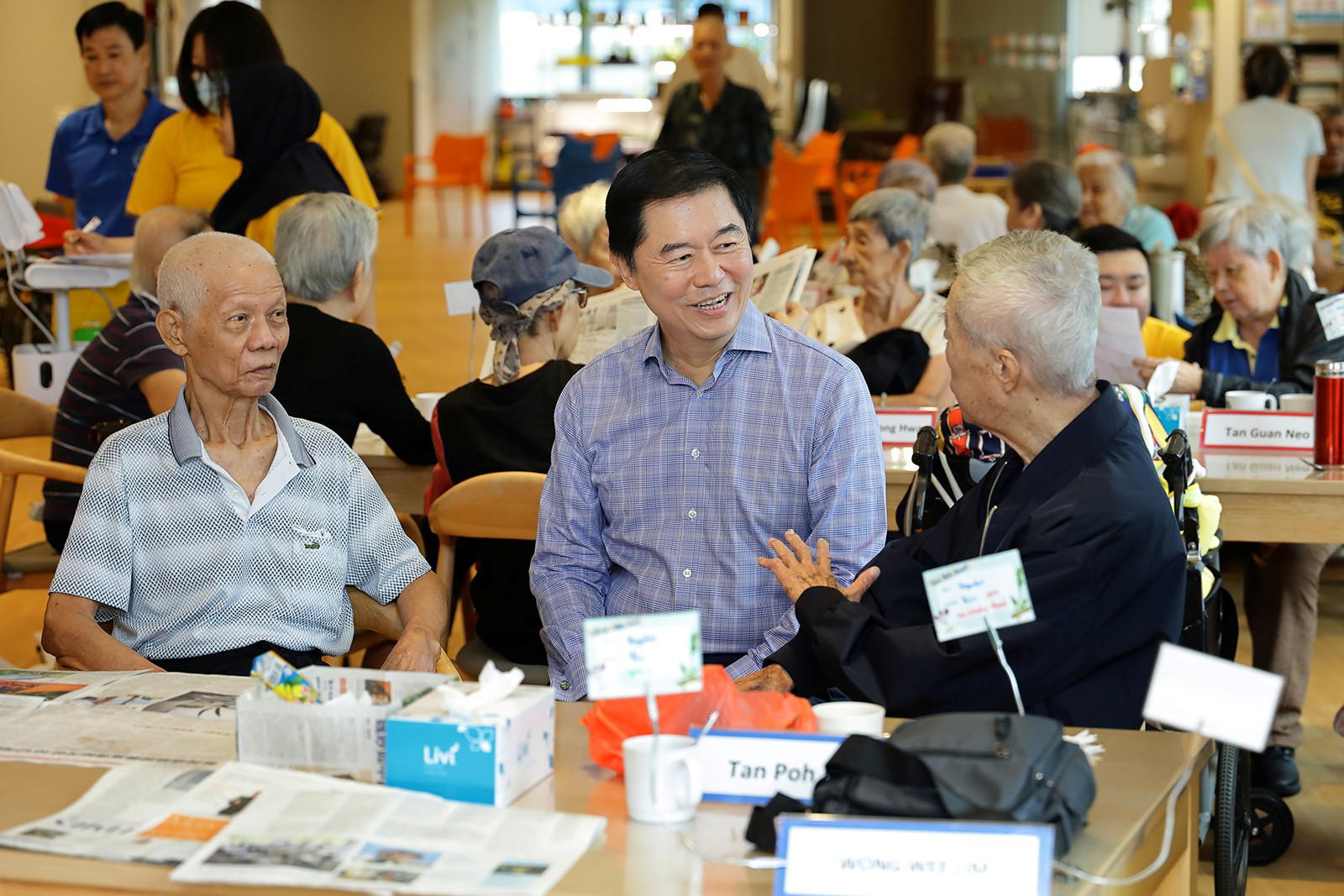
To continue enabling patients and families access to quality palliative care, the DPH Sunflower Charity Gala 2026 on 25 October 2026, at Shangri-La Singapore aims to raise $1.2 million. The money goes towards Inpatient, Home Care and Day Care services, as well as caregiver support, psychosocial and emotional care, and public education. a+ is the event’s official English media.
“This support is especially important because approximately 70 percent of the patients we serve, come from lower-income households,” says Ong. “We believe financial circumstances should never prevent someone from receiving the support and care that they need.”
You have served DPH for 11 years. Why was it important that you take on the role of Chairman?
DPH has always been close to my heart. I first became involved with the hospice through its Investment Committee in 2015, before joining the Council in 2023. Over the years, I have seen the difference good palliative care can make—bringing comfort and dignity to patients, while supporting families through one of the most difficult periods of their lives. As Singapore joins the profound demographic shift toward longer lifespans, we are entering a new era. Taking on the role of Chairman was an opportunity to contribute in a deeper way and help DPH build on this important work. It is both an honour and a responsibility—to ensure that we continue to provide quality care for those who need us, while preparing DPH to meet the growing needs of the future.
What is the biggest challenge that DPH still faces today?
One of our biggest challenges is keeping pace with the growing need for palliative care while ensuring that DPH remains financially sustainable for the long term. For a charity, financial stewardship is especially important. We have a responsibility to manage every dollar entrusted to us prudently—from the funds we raise to the reserves and investments we hold—while ensuring that resources are directed where they can make the greatest difference to patients and families.
This is an area I have been closely involved in at DPH through the Fundraising and Investment Committees (I chaired the latter). Drawing on my background in investment management, I worked with the Council and management to ensure that our finances and investments are managed prudently, balancing the need to safeguard our resources with achieving sustainable returns. This financial discipline has helped keep DPH on a sound footing, giving us the resilience to plan ahead, invest in our services and meet the growing needs of patients and families for the long term.
What have you learned from patients, caregivers and staff that will help shape your leadership?
I have learnt a great deal about compassion, resilience and humility. Patients and families facing serious illness often show remarkable strength, while our staff and volunteers remind me of the commitment and humanity that good care requires.
Going through the loss of someone close to you, can give you a very different appreciation of the psychosocial journey that patients and families experience—the uncertainty, difficult decisions and, eventually, grief. It also brings home the importance of good medical and palliative support. Knowing that a loved one is comfortable and well cared for gives families reassurance and peace of mind, allowing them to focus on simply being present with the person they love.
Meanwhile, our people are fundamental to the hospice’s future. I believe strongly in nurturing our workforce—investing in their professional development, looking after their well-being and creating an environment where people feel valued and supported. Hospice work is deeply meaningful work, but it can also be emotionally demanding. We want our people to grow with DPH, move forward together and take pride in what we achieve as a team.
As Chairman, I hope to bring these dimensions together. When our people and our organisation thrive, we are in a better position to provide the quality of care our patients and families deserve.
Many of us find it difficult to talk about death. When do you think this conversation becomes necessary?
Life can be unpredictable and serious illness can affect anyone, at any time. When someone in the family receives a serious diagnosis, loved ones may suddenly find themselves having to make difficult decisions about care and treatment, often without knowing what the patient would have wanted. I believe that it is important to have these difficult conversations early, before a crisis forces us to. Talking about death is not about giving up hope. It is about understanding what matters to us and giving the people we love clarity about their wishes.
What do you hope to change about the way Singaporeans think about end-of-life?
In Singapore, we meticulously plan our BTOs, careers, our children’s futures and retirement. Why should end-of-life care be any different? This is especially important for the “sandwich generation”, who often find themselves stretched between work, raising children and caring for ageing parents. With so many competing responsibilities, planning ahead and having the right support in place can help ease the caregiving burden and better prepare families for the challenges ahead.
At DPH, our team supports patients and families through difficult decisions, encouraging them to have open conversations about their wishes, values and care preferences. Having these conversations earlier allows families to make more informed decisions with greater clarity and less uncertainty, while respecting what matters most to their loved ones. In many ways, talking about the end-of-life can actually help us focus more clearly on how we want to live.
Importantly, planning for end-of-life is not just about preparing for death, but also about how we wish to live. Palliative care should not be seen simply as care for the dying. It is about helping people continue to live with comfort, purpose and meaning, even when facing a serious illness.
What do you think moves people to give to DPH’s work, even though it is not about prevention and treatment but end-of-life?
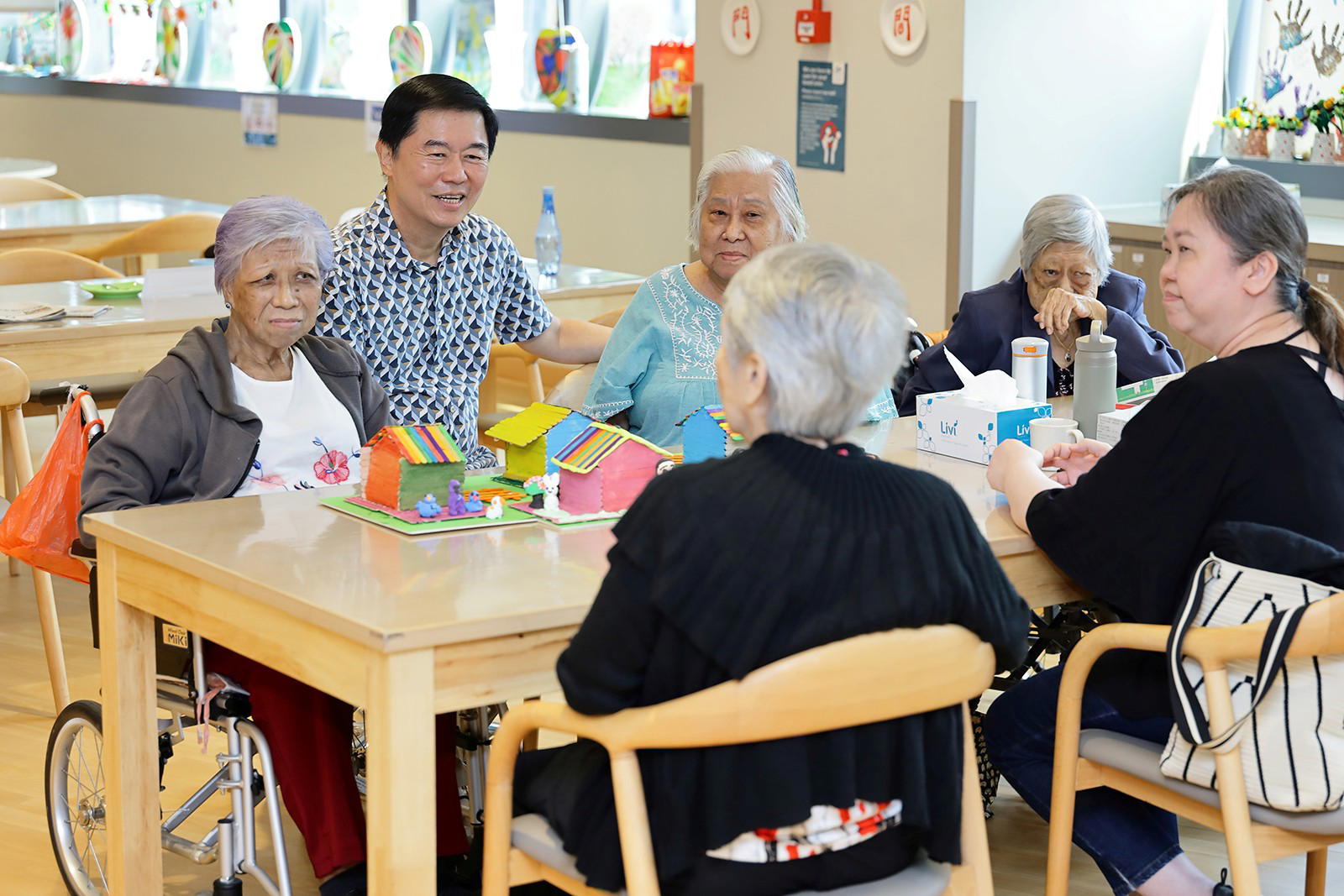
Palliative care is not about giving up. It is about helping someone live as well and as meaningfully as possible with the time they have. Families appreciate how our team journeys alongside them through the different stages of illness, providing care and support that continues even after their loved one has passed, as they navigate grief and bereavement.
Through my work with donors at DPH, I have found that when people see what palliative care really means for a patient and family, they understand why their support matters. Our signature fundraising events, such as the Sunflower Charity Gala and Charity Golf help us engage supporters and build relationships that can grow over time.
This spirit of collective support is reflected in the theme of this year’s Sunflower Charity Gala, “Currents of Tomorrow”. It represents the quiet but powerful momentum of care—where healthcare professionals, caregivers, donors and communities come together, each playing a part in shaping a more connected, compassionate and resilient future. Echoing our DPH tagline, “Every Moment Matters”, every contribution helps to bring comfort, dignity and quality of life to more patients and families, today and in the years ahead.
Support DPH Sunflower Charity Gala 2026 here.