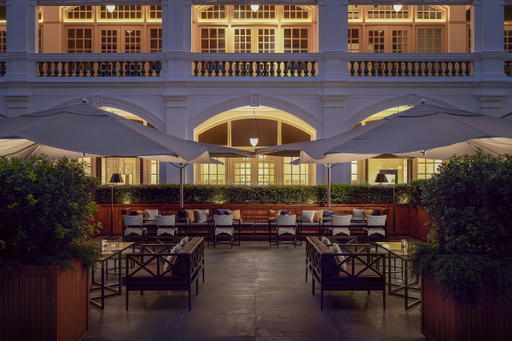

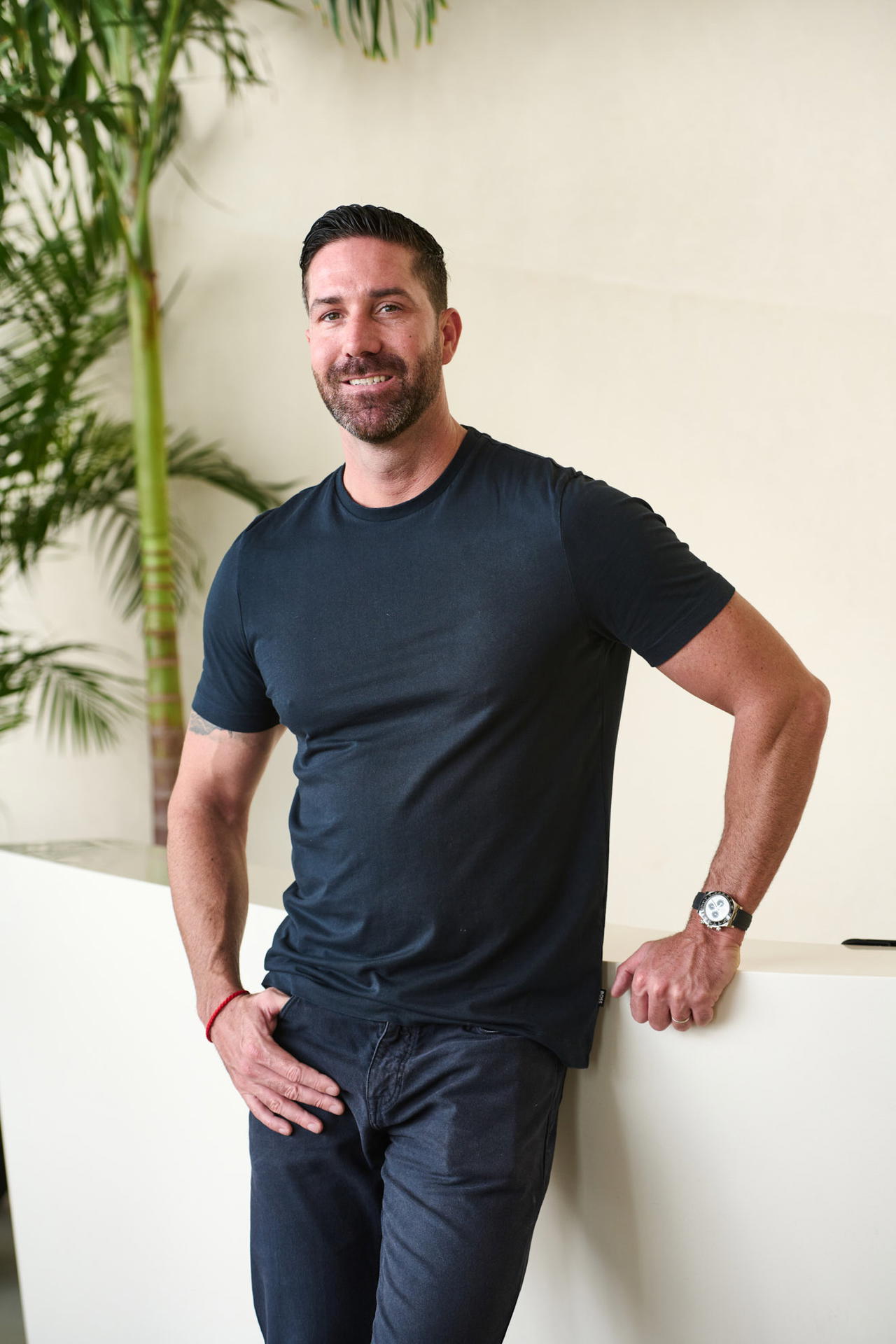
A common misconception about scaling lifestyle brands is that success compounds automatically. “It doesn’t. Every city resets the equation,” says James Oliver Burton, Vice President, Asia, at Sunset Hospitality Group (SHG). The hospitality investment and management company operates dining concepts across the globe including Sushisamba in Singapore. Last year, it also launched the luxury lifestyle hotel Mett Singapore.
In markets such as Singapore and Hong Kong, margins for error are razor-thin, Burton says. Every square foot must generate value, and every labour hour must be optimised. “We’ve redesigned kitchen layouts mid-development because our projections demanded greater efficiency. Those were not easy decisions, but they were necessary.”
He didn’t see them as setbacks. High-cost markets drive innovation, he makes plain. This forces smarter design, leaner operating models, stronger procurement strategies and sharper forecasting.
When it comes to Southeast Asia, Burton sees strong growth potential in Thailand and Vietnam, citing robust tourism and a growing middle class. But he believes the most sustainable opportunities lie in cities that pair international exposure with meaningful domestic spending power.
These are markets where lifestyle dining is not merely aspirational, but habitual. That is why Singapore remains strategically critical despite its maturity. It serves as both a revenue generator and a regional showcase. “Success in Singapore builds credibility across the rest of Asia,” he adds.
His secret to building strong regional teams while maintaining global standards? “Culture is the foundation,” he says. “We invest heavily in leadership selection because while technical skills can be taught, mindset cannot. We look for individuals who understand both global benchmarks and local nuances.”
He argues that market leaders need to recognise that Asia demands emotional intelligence. Because teams are multicultural, expectations vary and communication styles differ significantly. A rigid corporate model rarely works. Instead, SHG sets clear non-negotiables— brand standards, financial governance and guest experience metrics— while giving local leaders room to operate within that framework.
Over the next few years, SHG will prioritise flagship openings in cities that strengthen brand equity, resort destinations that fit its lifestyle positioning, and longterm partnerships over opportunistic site acquisitions. “We’re not pursuing footprint for vanity metrics. We are building sustainable regional depth—projects that will remain culturally and commercially relevant for years to come.”
He shares five lessons he has learnt from the hospitality business.
1. Structure enables ambition
Early in my career, I equated speed with progress. Opening venues quickly felt like growth. Over time, I learnt that growth is only sustainable when it is built on strong foundations.
During a rapid expansion across several outlets, I saw how critical robust systems, supply chains, and leadership frameworks are to maintaining standards. The venues performed well, but their long-term success depended on the infrastructure behind them.
Today, before approving any new project, I ask one question: can our current ecosystem support this growth seamlessly? Ambition drives expansion, but structure is what makes it sustainable.
2. Brand lives in behaviour
At one stage in my career, I believed good food and sound operations were the main drivers of success. They are essential, but they are not enough. While building a concept across multiple international markets, I saw how strongly brand cohesion shapes performance. Music, menu language and pre-service briefings all influence how guests experience a brand.
When narrative and behaviour align, the guest experience becomes consistent across borders. Brand is not decoration, but discipline. It ties every touchpoint together, and strong execution translates into stronger commercial performance.
3. Leadership is about clarity
As teams grow and organisations scale, complexity increases. I have learnt that effective leadership depends less on control than on clarity. During periods of rapid growth, I have had to make decisive calls to keep teams aligned and focused.
Clear expectations and transparent accountability improve performance. Teams thrive when they understand both the destination and what it takes to get there. Leadership is about creating the conditions for people to perform with confidence and purpose. In the long run, clarity is what sustains growth.
4. Commercial discipline protects creativity
Hospitality is inherently emotional. We create spaces designed to inspire, entertain and move people. However, I have learnt that creative freedom is only possible when it is supported by financial discipline.
In high-cost markets across Asia, rigorous modelling, conservative forecasting and thoughtful negotiation are not limitations, but safeguards for longterm success. I have sat in many rooms filled with optimism and momentum, but ambition alone is not enough. Realism, decisive thinking and clarity are just as important.
5. Adaptability is a strategic strength
Asia moves quickly. Consumer preferences evolve, regulations shift, and competitive landscapes change almost overnight. In this environment, agility is essential.
During one regional launch, a sudden change in timing forced us to rework our go-to-market strategy just weeks before opening. We turned the phased opening into a curated preview that strengthened the brand. The businesses that endure are the ones that adapt fastest.