Heritage isn’t just history in Singapore. As the Heritage Awareness Survey 2024 revealed, 93 percent of respondents believe cultural heritage is important, with the strongest interest coming from those aged 15 to 34.
Indeed, for younger Singaporeans, heritage extends beyond monuments and museums. It lives in craftsmanship, language, performance, textiles—and in what we wear. Clothing is culture in motion. From tailored shirts to woven saris, garments reflect technique, identity and memory. They are meant to be worn, altered, reinterpreted, and kept alive.
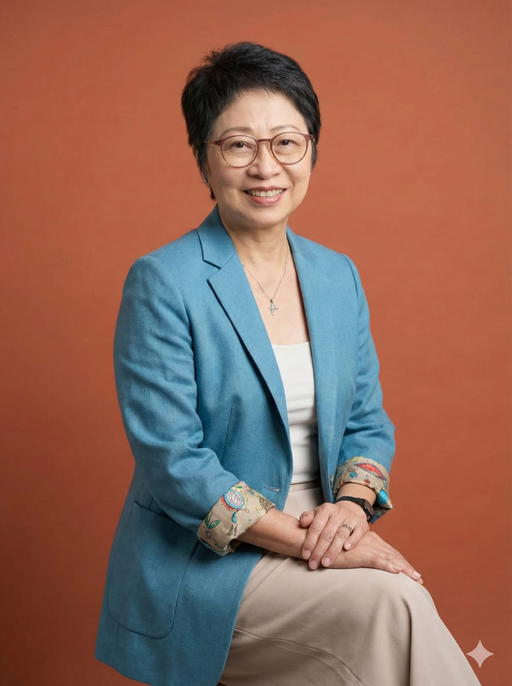
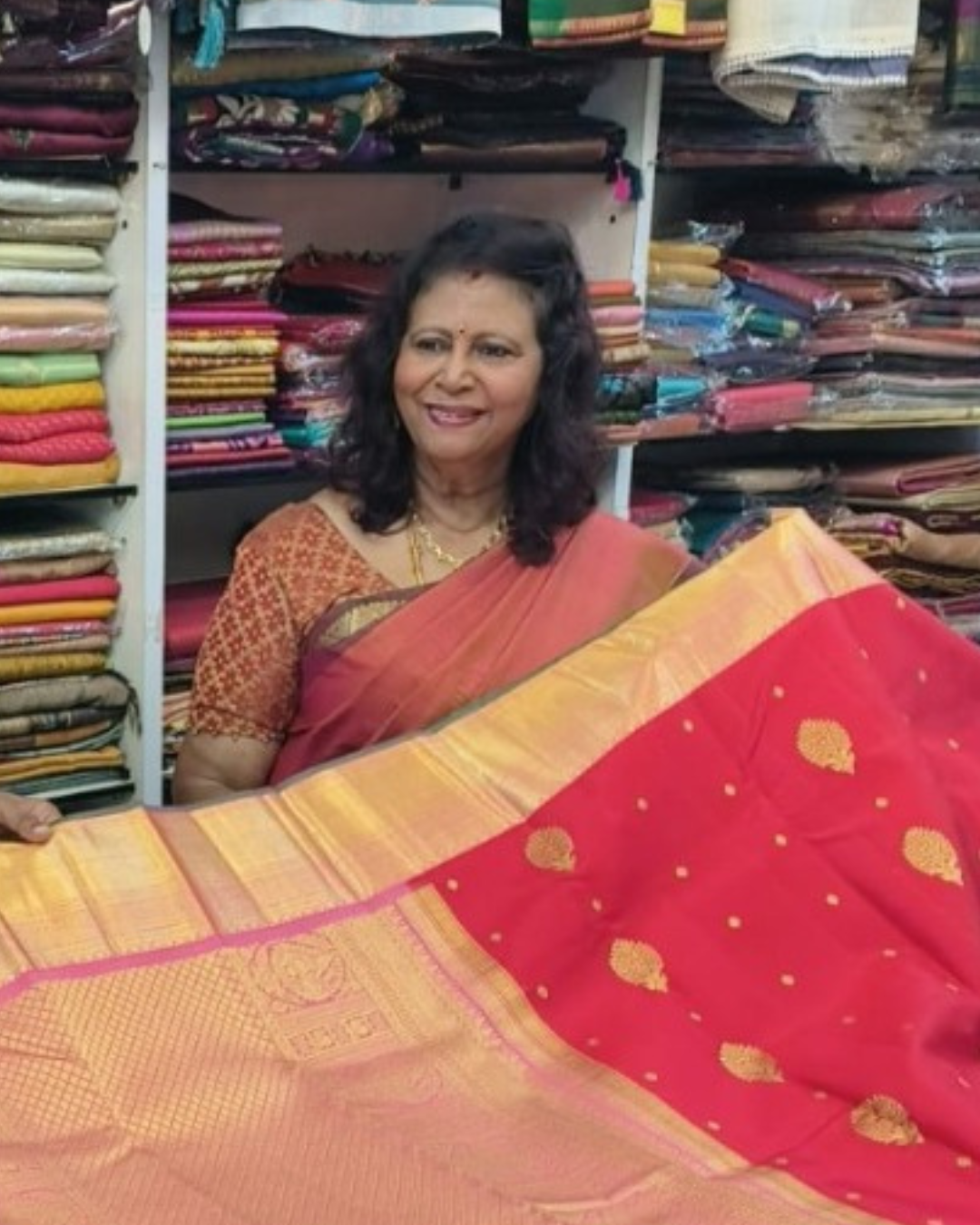
As such, a+ invited three business owners who are shaping how tradition survives in modern Singapore to share insights. Rani Kumar of Dakshaini Silks safeguards the sari as both attire and inheritance, serving generations of Singaporean Indian families.
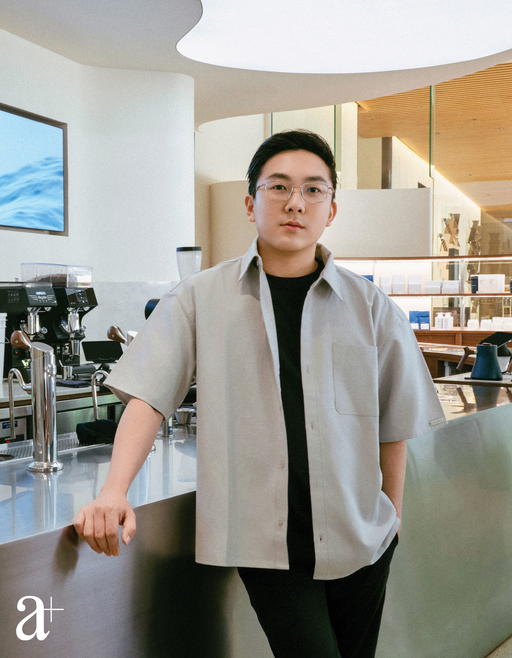
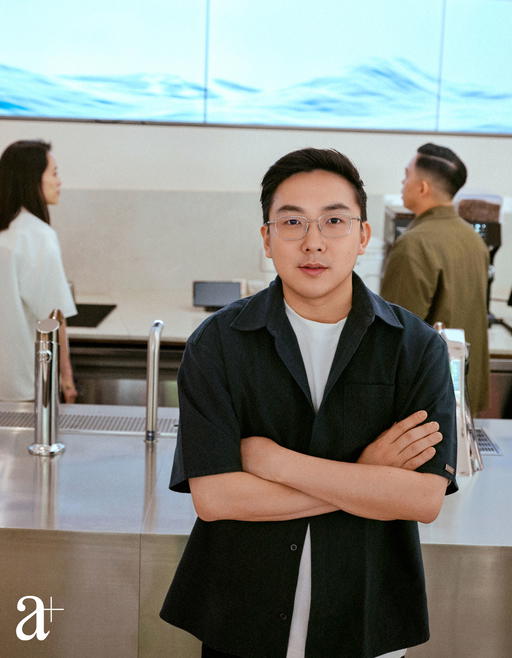
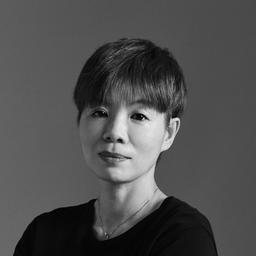
Meanwhile, Raymond Wong of Rumah Kim Choo continues the meticulous art of the Nyonya kebaya, preserving beadwork traditions that demand patience and mastery. Finally, Fong Loo Fern of CYC Tailor steers one of the nation’s oldest bespoke shirtmakers, proving precision tailoring still garners a following in a fast-fashion world.
Their work has earned recognition. CYC Tailor and Dakshaini Silks were named in the inaugural SG Heritage Business Scheme. Wong received the National Heritage Board’s Stewards of Intangible Cultural Heritage Award in 2024.
Here, Rani Kumar of Dakshaini Silks explains how and why the sari serves as a bridge between past and present.
What is a little-known fact about your brand?
I was born in 1956 at Kandang Kerbau Hospital (now KK Women’s and Children’s Hospital), in Little India. When I was younger, I lived near what is now the Little India MRT station but moved to another part of Singapore when I was older. Consequently, Little India was the perfect location to launch Dakshaini Silks in 1992.
How does your business strive to convey Singapore’s cultural legacy?
Singapore’s cultural heritage reflects a beautiful blend of communities, traditions, and shared histories. As a sari brand rooted in Little India, we are inspired by the way culture creates belonging—the way sarees carry memories, values, and artistry from generation to generation. We want to show others that sarees are more than just garments; they are living expressions of heritage. Whether someone is of Indian origin or simply curious, we want them to experience the grace, craftsmanship, and cultural story woven into each piece.
Why is this cultural legacy important?
By channelling our passion, preserving traditional sari craftsmanship, and sharing it with all communities, we help to strengthen Singapore’s cultural fabric. We make it more meaningful and diverse. Indians here still wear pure silk sarees. The draping of sarees remains very popular, and handcrafted blouses are in high demand, too.
What do you do to keep your products accessible to customers?
We ensure that our prices are fair. Accessibility, however, goes beyond price, so it’s important that customers can easily understand and appreciate a sari’s artistry. The Kanchipuram fabrics we stock are handwoven from dyed silk yarn and zari threads in a traditional technique that
originated in South India. A matching blouse is custom-tailored at our boutique. Besides offering both traditional and contemporary styles, we also share updates on the latest fabrics and colours on social media.
Protecting our cultural legacy comes with responsibilities.
For generations, customers have trusted us to provide authentic silk at fair prices, and that trust guides every decision we make. It is our responsibility, not only to our customers, but also to Singaporean society, to represent Indian culture with integrity through our fabrics and sarees. Sarees are more than garments; they are cultural stories handed down from generation to generation. We strive to make the experience of buying and wearing a sari more meaningful by sharing about its origin, symbolism, and evolution.
What strategies do you have in place to ensure this mission continues under your next-generation leadership?
My children are pursuing their own careers outside the business but help me manage our social media. Meanwhile, my staff and I continue to adapt by learning about innovative developments and global trends. This allows us to foster cross-generational collaboration and develop forward-looking strategies in future.
What are your current challenges?
Managing rising costs due to inflation, rental increases, and surging real estate prices in traditional ethnic neighbourhoods such as Little India. Weaving and tailoring crafts are also becoming harder to sustain due to the lack of skilled artisans.
For more inspiring stories in a+ all year round, gift yourself or loved ones a digital subscription.