Venice is one of the most popular tourist cities in the world. Stand in Piazza San Marco, the principal square, or try to walk down the main quayside, Riva degli Schiavoni and you’ll see wall to wall tourists — but not much of Venice.
Fortunately, the city still has places where visitors can experience La Serenissima (the Italian name for the Venetian Republic) at its best. Among them, there are lantern walks down medieval backstreets in the dead of night, operas performed in old palazzos, and Renaissance masterpieces displayed in churches that would be in a museum in any other city.
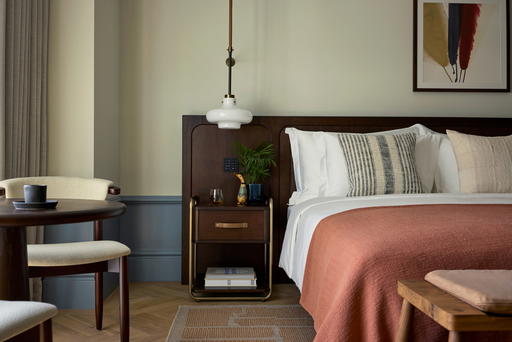
Venice is also home to stylish haunts that place it at the other end of the spectrum from mass tourism. Consider the Hotel Heureka, in the silent sestiere of Cannaregio. Formerly a medieval palazzo, it became a hotel in 2017. Austrian designers Angela Valach and Erwin Krause bought it in 2015 having spent years looking for the right property. They named it Heureka after the cry of Sicilian scientist Archimedes, “I have found it”. The hotel has just 10 luxury suites and a garden, a rarity in urban Venice. Marquee weddings are often held here.
As every palazzo faces a canal, guests come and go by water taxi; land access is usually restricted to servants and shopkeepers. By following this custom, once you arrive at the airport, you catch a water taxi and step off at the hotel’s moorings 30 minutes later.
Master Plan A, a Viennese-based design firm owned by Valach, artistically reworked Heureka by combining old and new. The ground level entrance lobby has a traditional Venetian grey trachyte stone floor. However, as ground floors tend to be prone to flooding at Aqua Alta (high water), the firm built a higher floor of polished chequerboard marble for guests to use, while leaving the old floor level visible all around the edges of the lobby, 50cm below.
When Aqua Alta occurs, the lagoon’s waters will flow around the lobby and flow out again without damaging modern furnishings or getting anyone’s feet wet.
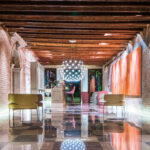
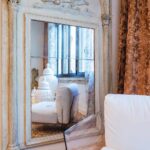
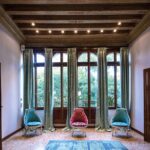
Palazzina Grassi on the Grand Canal is another remarkable hotel. The prolific Philippe Starck redesigned the entire place. Standing next to the monumental building, the Palazzina was the home of the wealthy Grassi family in Venice until they commissioned the 16th-century new-build. The family’s relatively modest old palazzo was then downgraded to an annex until 2009 when it became a hotel.
Starck’s influence — famous clear plastic chairs, masses of mirrors and monochromatic décor — is obvious in the boutique dig’s 25 rooms. In the public areas, French industrial architect and designer worked with world-renowned glass manufacturers Murano to create chandeliers resembling candelabras left to drip overnight to create waxed stalactites. Each lighting ensemble is actually made of white glass, spun by hand.
Because of its boutique dimensions and stylish decor — and its convenient position on the Grand Canal — Palazzina Grassi has become a favourite with Hollywood A-listers attending the Venice Film Festival. Edward Norton, Nicolas Cage, Naomi Watts, Natalie Portman, Mark Ruffalo and others have all stayed here.
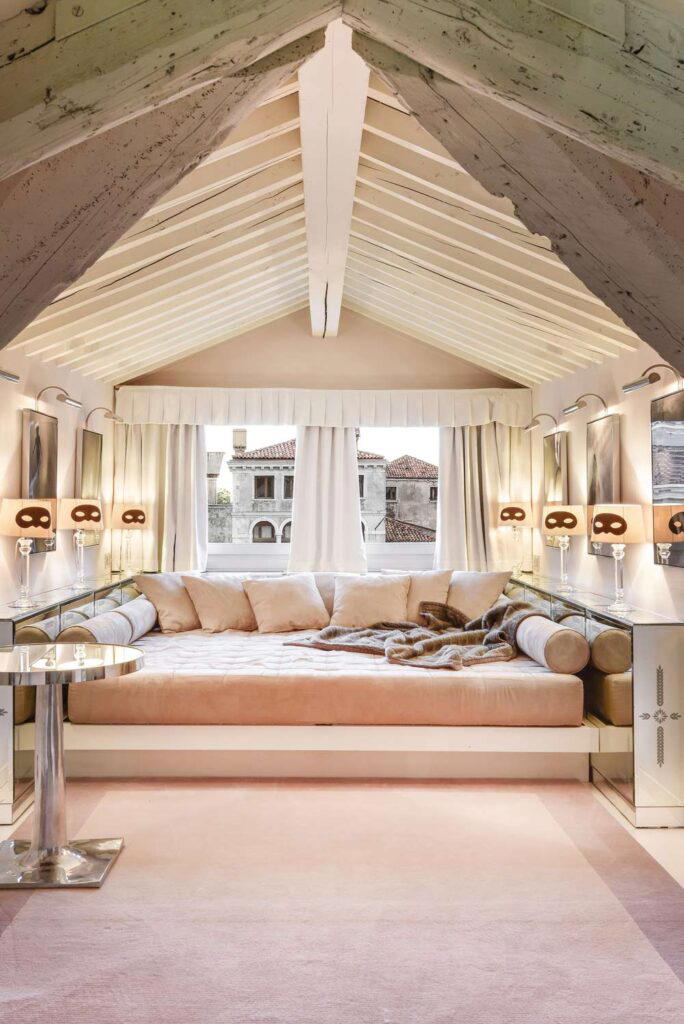
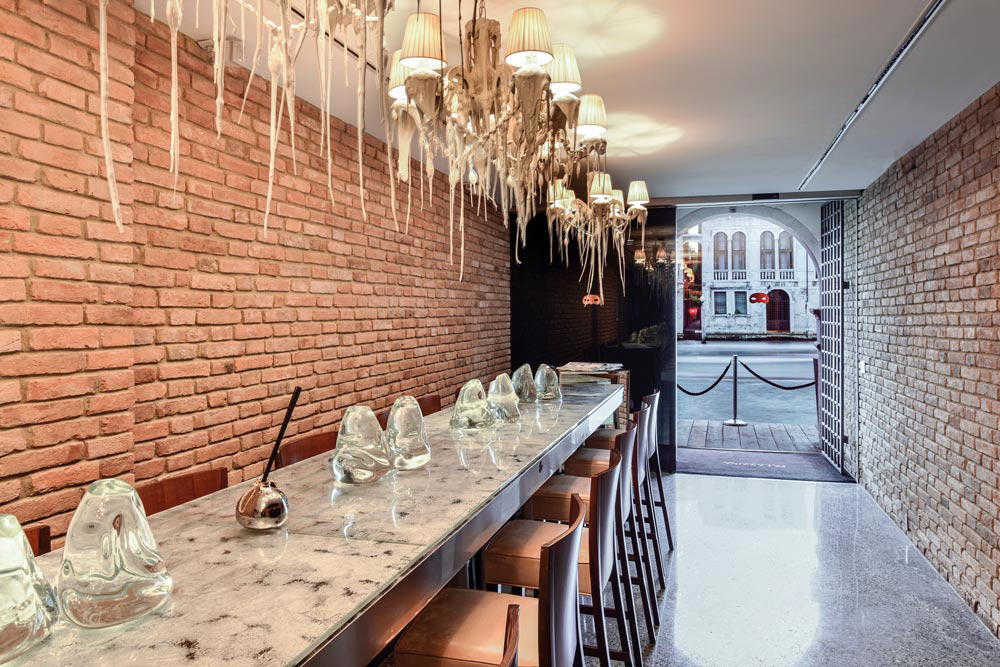
On the other side of the Grand Canal stands the Aman Venice, built in the 16th-century and owned by Count Giberto Arrivabene Valenti Gonzaga, who lives on the top floor with his wife and children.
The bar is a freestanding unit so as not to damage the fabric of the ancient palazzo. If the count ever ended his agreement with Aman, the counter can be removed without leaving a trace. Cesare Rotta, a 19th-century Italian painter/architect, painted a fresco of Roman gods behaving badly on the ceiling, while below, staff serve a variety of unique cocktails.
As the poet Lord Byron lived nearby, the bar celebrates his personality with a range of theatrically presented drinks that reflect his personality — Vigorous, Lustful, Courageous, Savage, Lordly, and Fascinating.
Legendary Nights
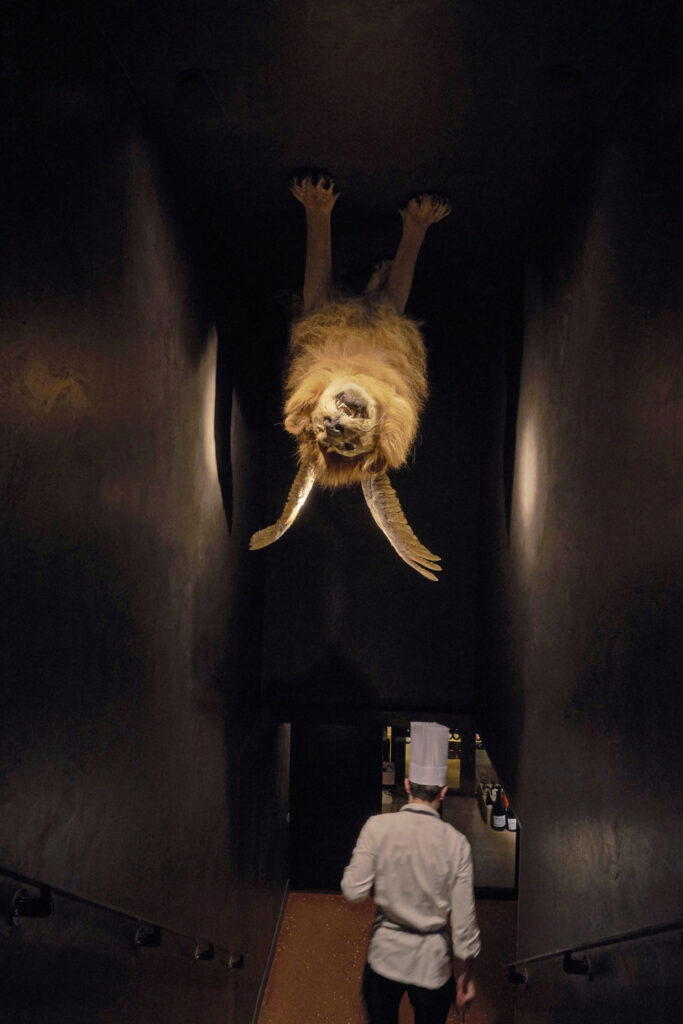
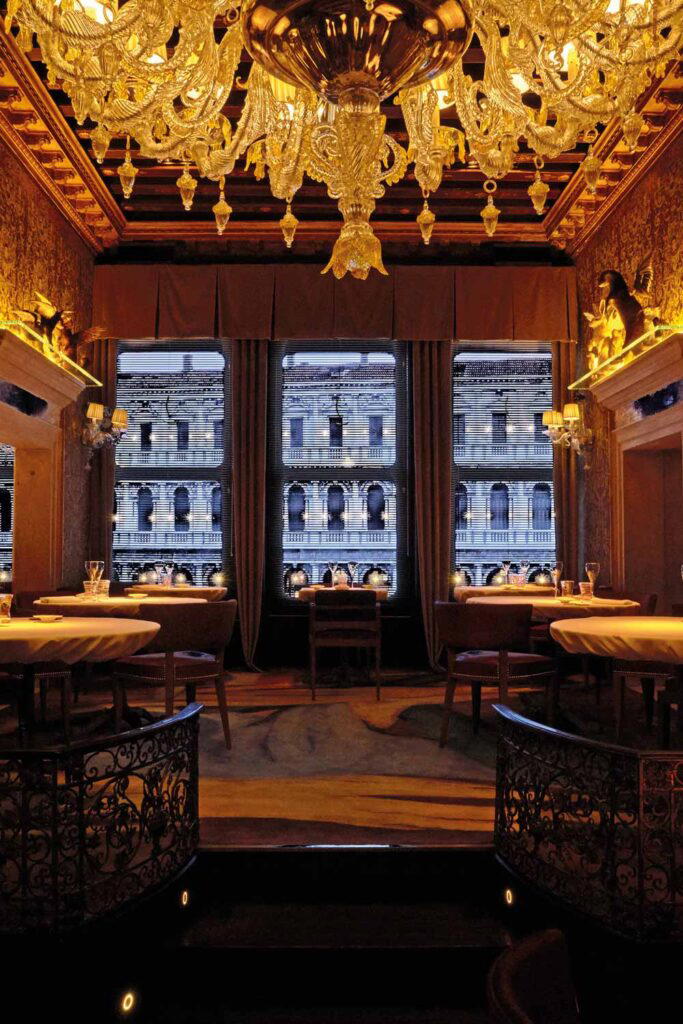
Few restaurants in Venice have a reputation or location like Quadri, located just off the Procuratie Nuove and overlooking Palazzo San Marco. The original Quadri opened in 1830. After taking over in 2011, the Aljamo brothers completely revamped the décor and menu.
Its food is deservedly Michelin-starred, and its décor is dramatic and arresting, thanks to Philippe Starck. Almost every wall is painted black and adorned with taxidermy animals, including a winged lion over the stairwell, representing Venice.
With only 35 seats, this is one of the most coveted restaurants in Venice and you must book well in advance to get a table that overlooks Piazza San Marco.
Fittingly, the new Quadri is situated almost directly opposite Caffè Florian, the oldest café and restaurant in Venice. It was founded in 1720 and seems hardly changed since Mozart met Casanova there.
For nightcaps, Venice has classic bars like Harry’s, a firm favourite of Ernest Hemingway while staying at the nearby Gritti Palace Hotel, another converted Grand Canal palazzo.
Using money offered to him by an American named Harry Pickering, barman Giuseppe Cipriani founded Harry’s in 1931. It’s a small building next to Venice’s old casino, and it has hosted everyone who’s anyone for more than 80 years. The crowd can be madding, so if you prefer a more intimate bar experience, head to another Cipriani project.
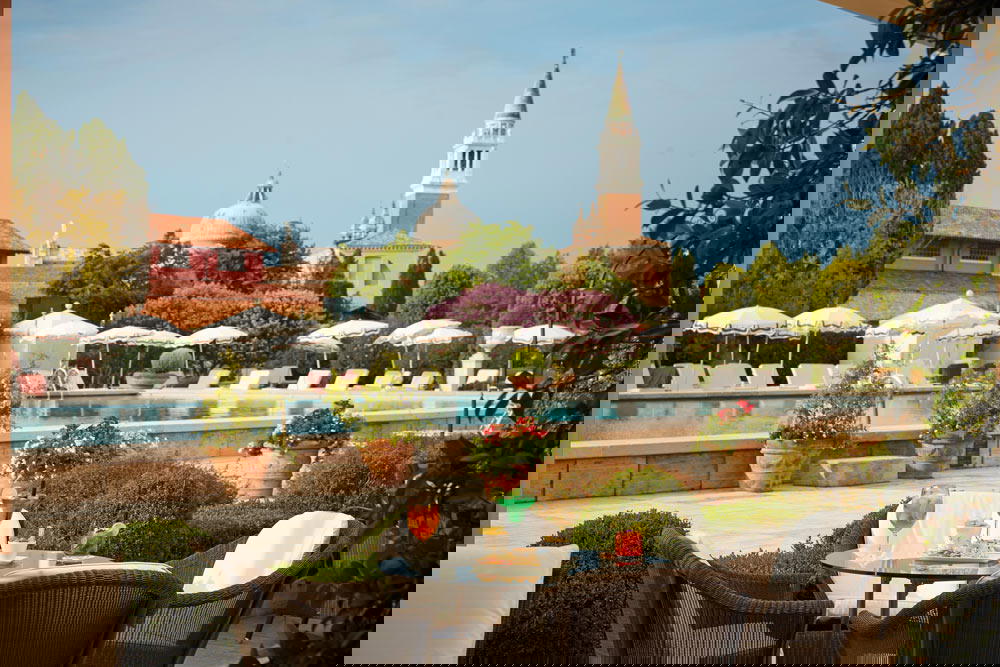
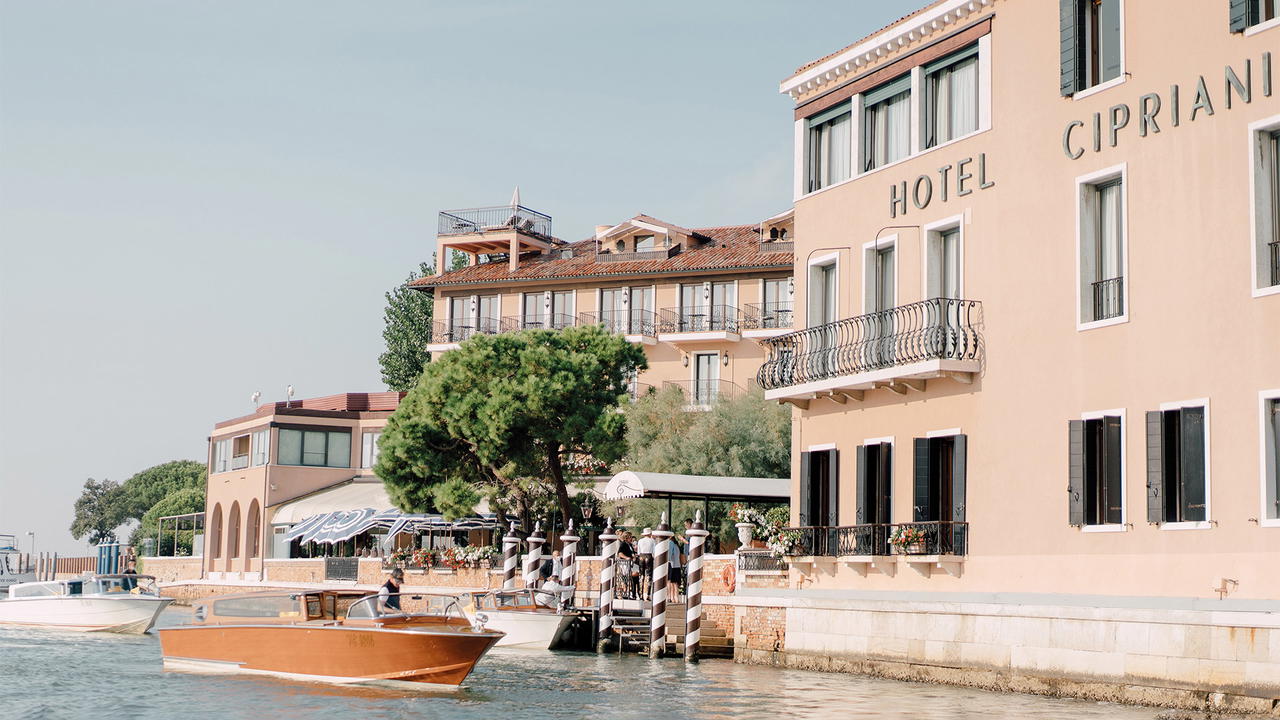
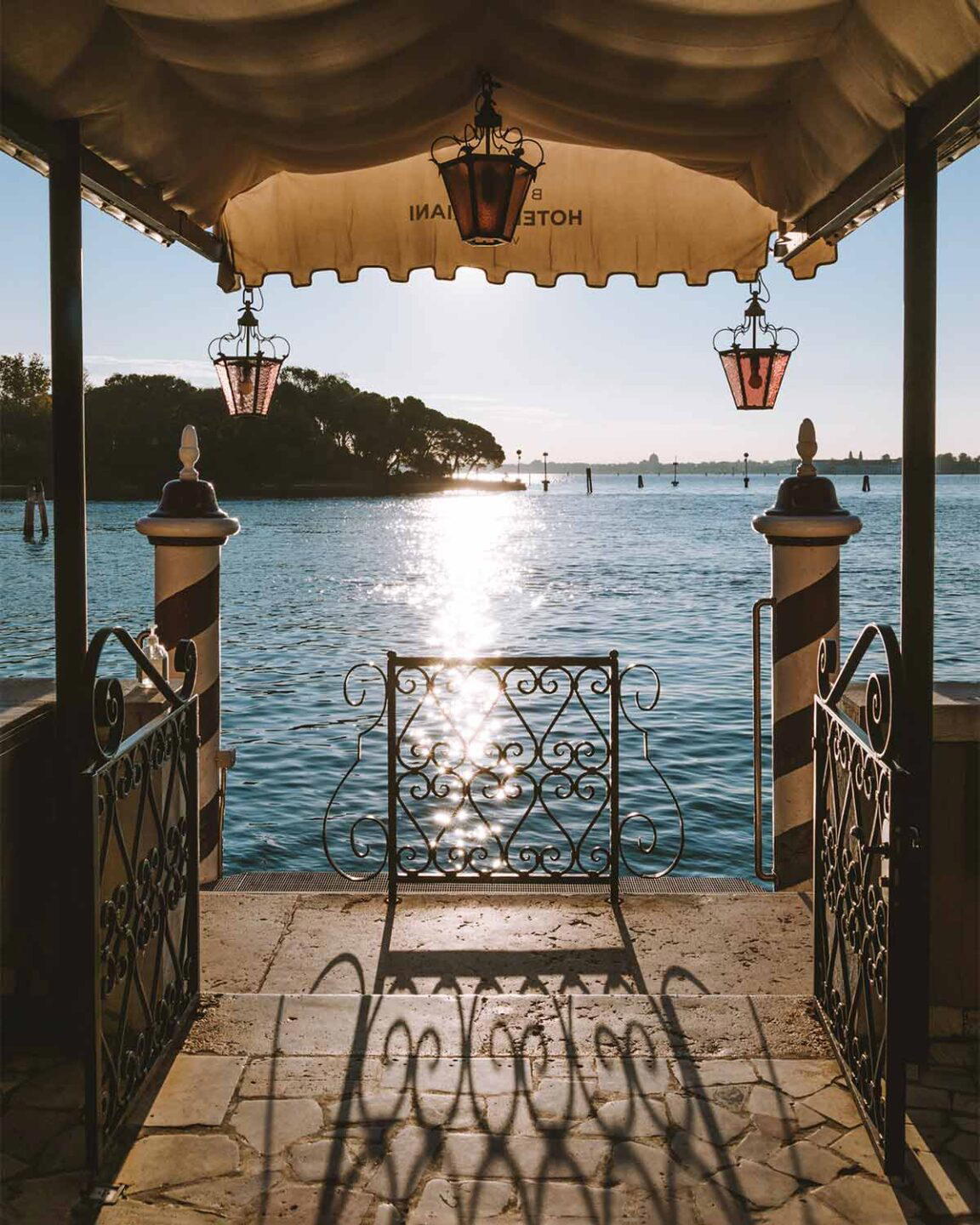
Hemingway and others encouraged Cipriani to open a Venetian hotel after Harry’s success. He opened two — Locanda Cipriani on Torcello island and the closer-by Hotel Cipriani on Giudecca. The latter opened in 1958 and was subsequently bought by James Sherwood of the Orient Express (OE) train line. It became the preferred choice for OE guests travelling between Istanbul and Venice and then on to Paris.
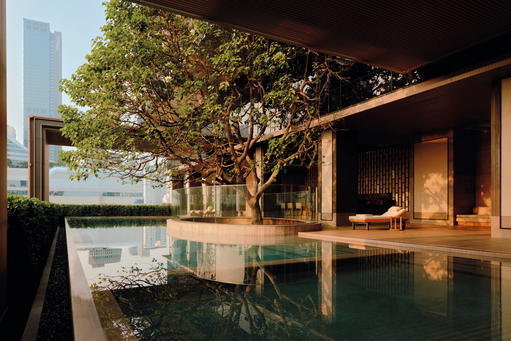
The Cipriani is situated on an island across the Bacino San Marco. The only way to get there is to pick up the telephone the hotel has installed on the Piazzetta San Marco quayside. Simply press the keypad’s single button to reach its reception desk. Say you are coming for drinks with Riccardo or Walter and a launch will come and get you.
Only The Cipriani operates on demand like this. All the other hotels in the Venetian lagoon have scheduled departures; if you miss your lift, you’ll have to wait.
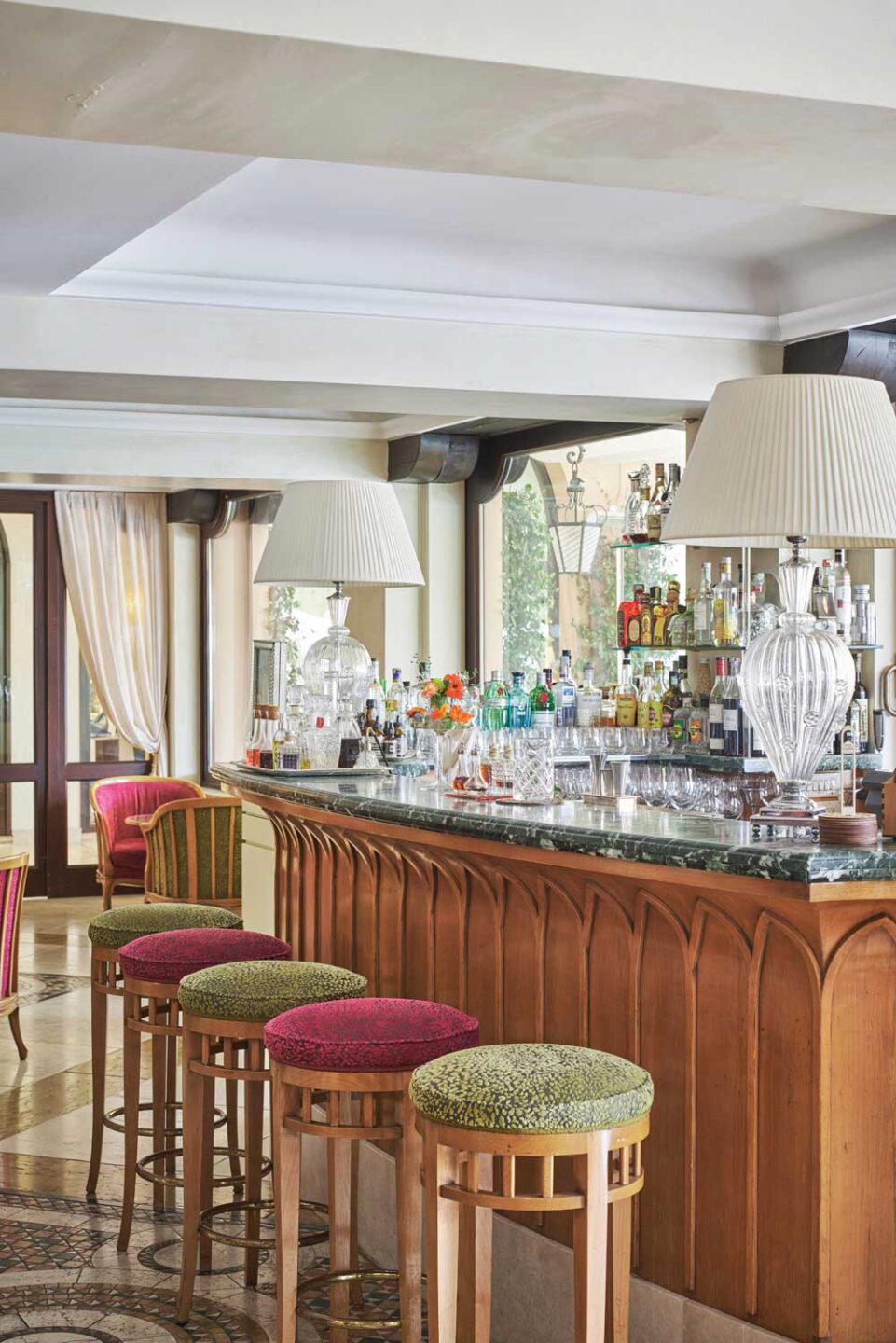
Once you arrive, the famous Gabbiano Bar is just beyond reception. Until recently Walter Bolzonella, who joined The Cipriani in the days where nobody signed for their drinks, presided over it. The staff knew every guest by name and the bill was paid without question on departure.
There is a scent of 50s glamour about this bar. George Clooney, a great fan of Venice, stayed here following the successful screening of his film Good Night, and Good Luck at the Venice Biennale in 2005.
Afterwards he sat on a bar stool chatting to Bolzonella. When he realised how late it was, Clooney lurched off his stool and attempted to walk through the Cipriani’s swimming pool in his dinner jacket, shouting, “That’s my room over there!”
The rich and the famous have been coming to holiday in Venice for the last 200 years. They know the best places to stay, eat and drink. Settle for nothing less.