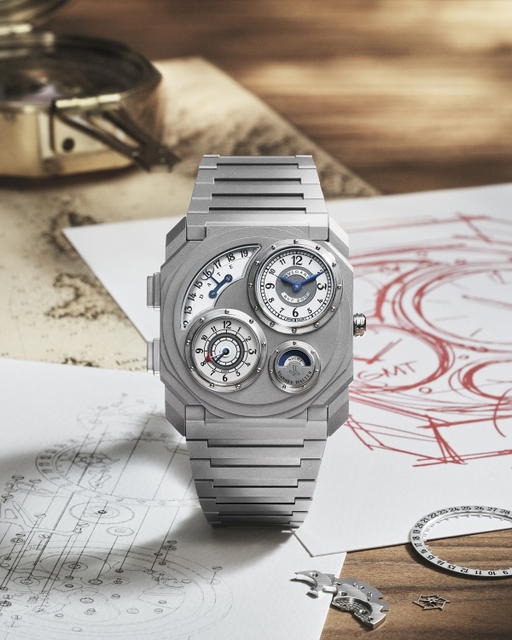

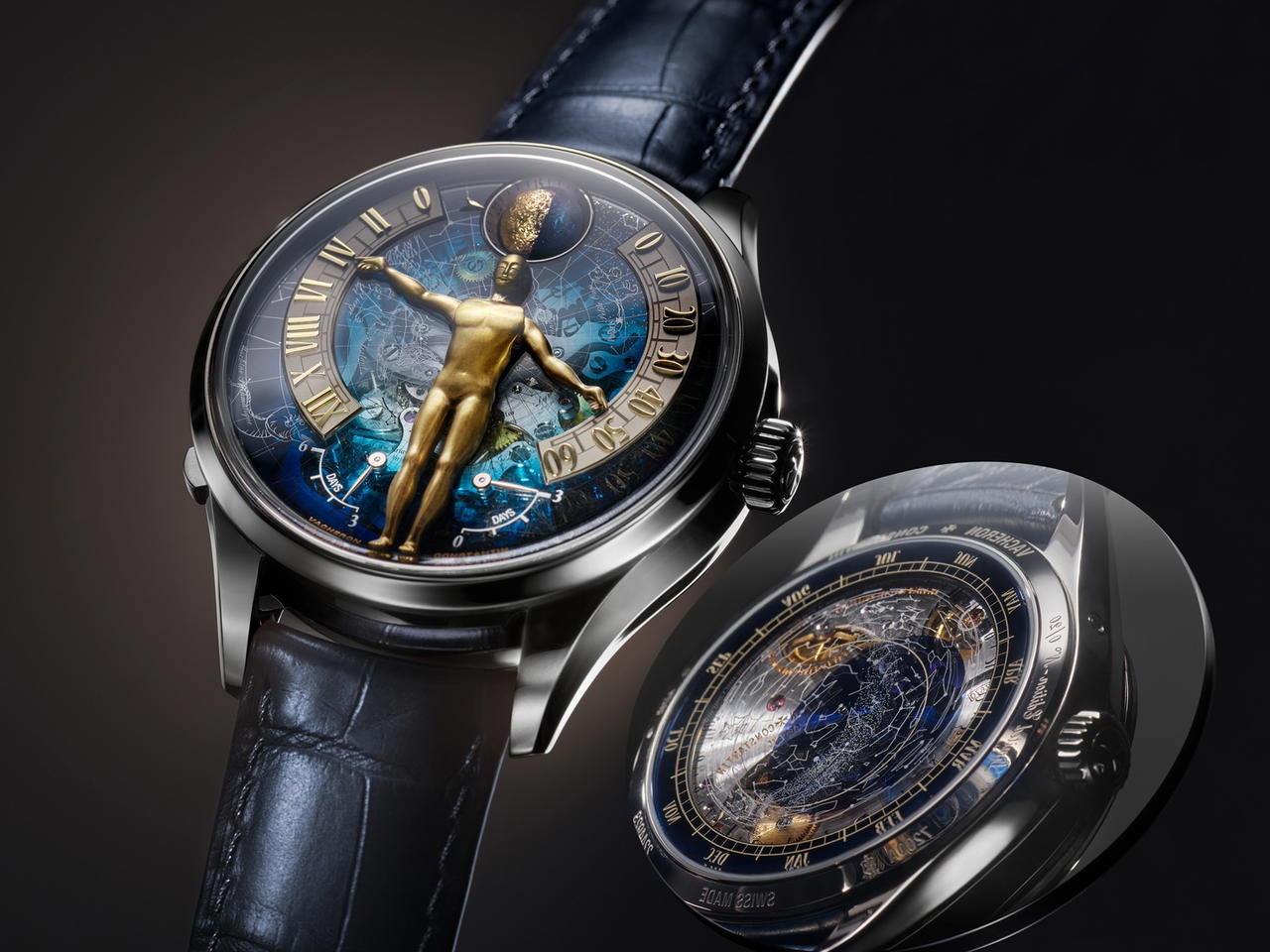
In Metiers d’Art – Tribute to the Quest of Time, Vacheron Constantin takes the language of La Quete du Temps to the wrist, incorporating the astronomer, the twin retrogrades, and the founding sky in a watch that feels both inevitable and novel. Three years in development, it is powered by the new, manually wound calibre 3670—a feat of miniaturisation with 512 components and four patent applications.
On the front, the astronomer stands in the centre of a cosmos that reproduces Geneva’s sky on 17 September 1755. His arms indicate the hours and minutes on twin retrograde arcs—continuously (“active” mode) or on demand (“standby” mode)—via a pusher at 10 o’clock .
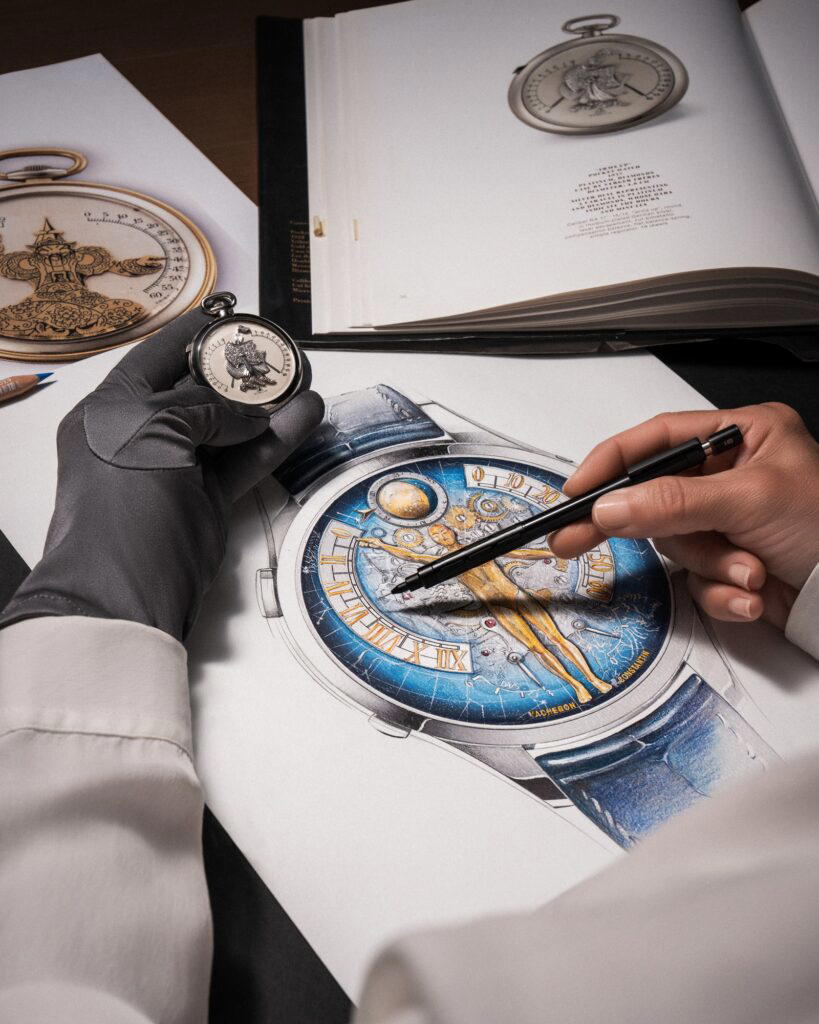
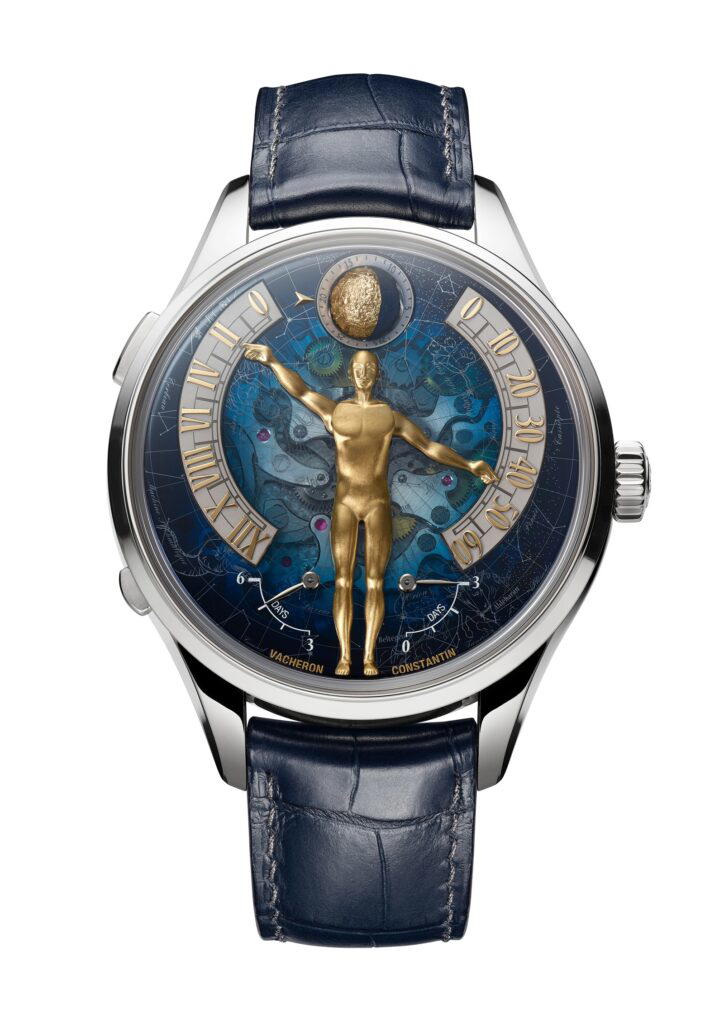
Its features are familiar: a double retrograde power-reserve in two arcs flanking the figure; a 3D precision moon phase with the age of the moon shown on a ring that rotates in step with the sculpted sphere; and a palette of deep blues and whites evoking the vastness of the galaxy.
Flip the watch over and the reverse dial becomes the astronomer’s instrument: a sky chart that tracks the constellations in real time and shows the sidereal day, engineered to an accuracy of one day in 9,130 years. It is a clear, legible way to connect civil time to star time—an idea first introduced by the clock, now miniaturised.
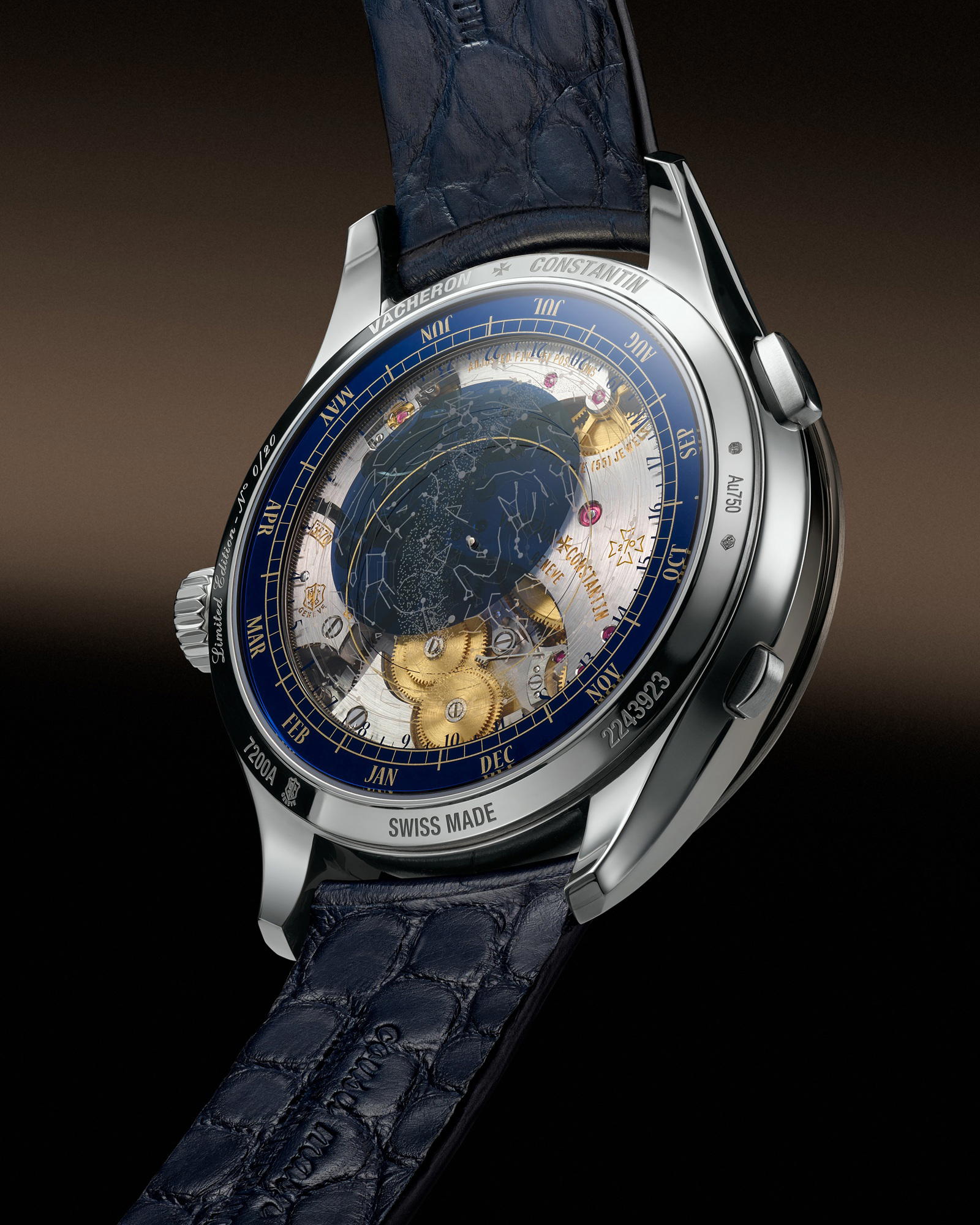
The 512-part 5Hz calibre is equipped with a new governor for the retrograde time displays, which ensures the hour and minute hands are perfectly aligned at reset. Three barrels provide the torque the twin retrogrades need, with a six-day reserve clearly displayed on a double power-reserve display in two sequential arcs: 6 to 3 and 3 to 0.
The moon phase display also serves a dual purpose, showing both phases and exact age via a rotating sphere and graduated ring. A safety feature ensures adjustments never endanger the train.
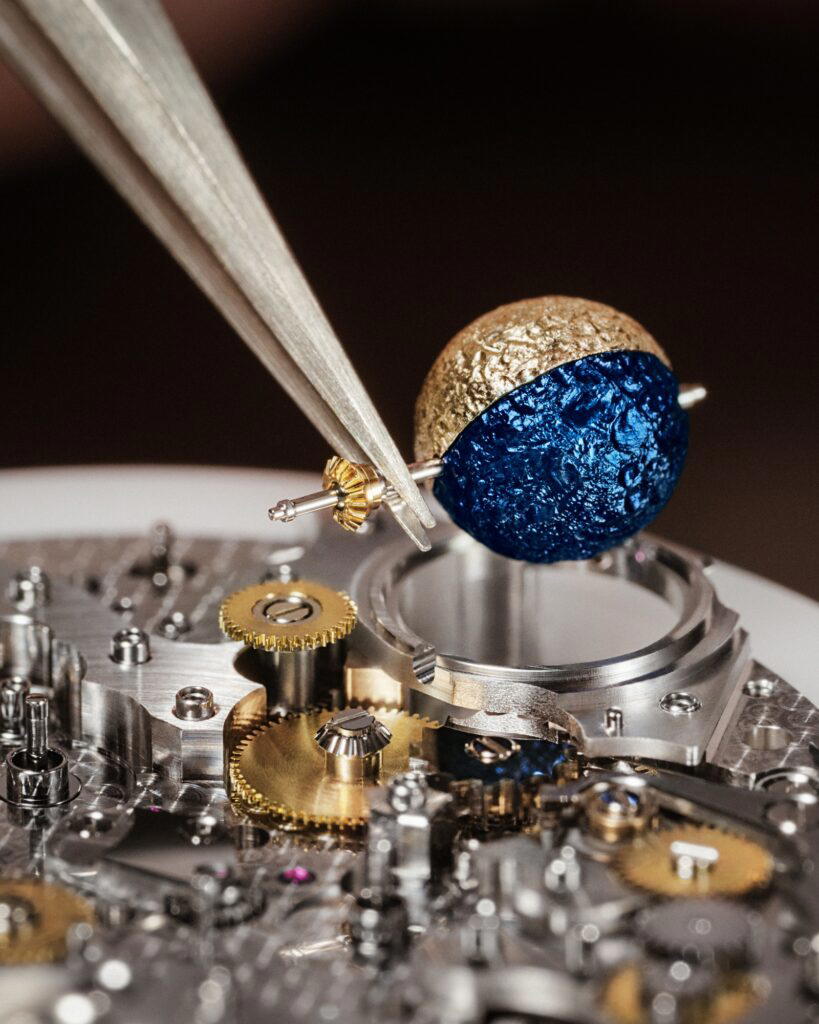
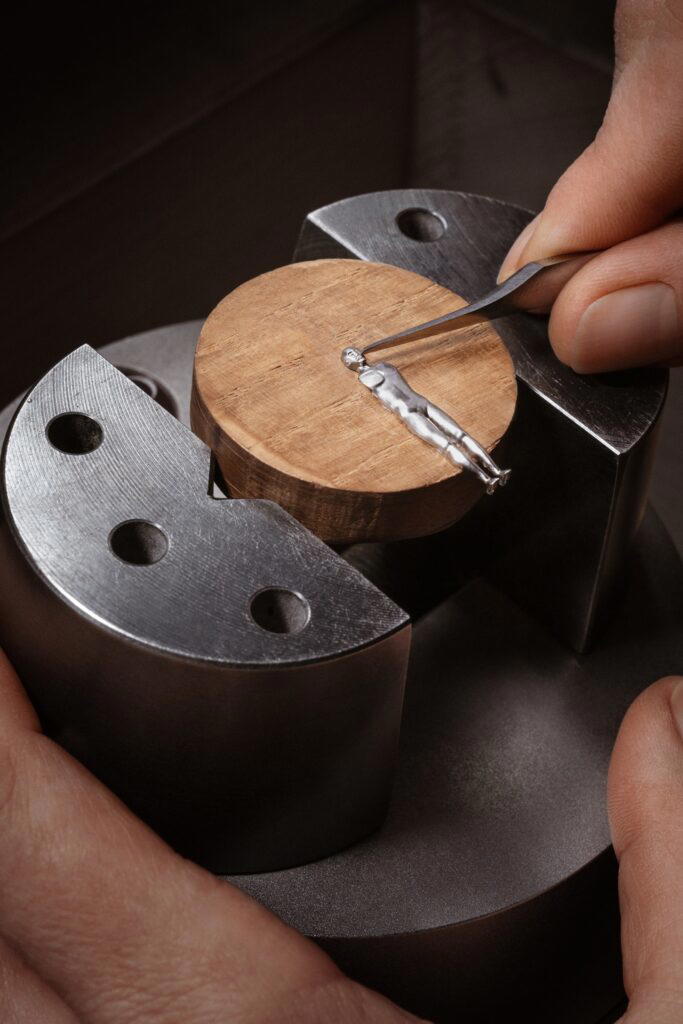
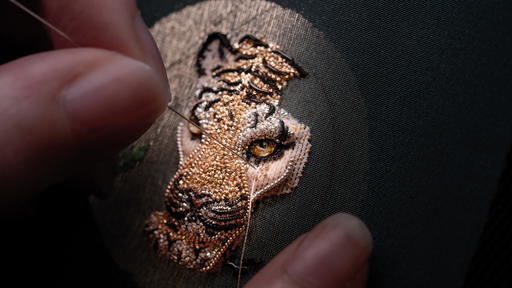
At a glance, Vacheron Constantin also demonstrates its commitment to preserving and evolving centuries-old craftsmanship while exploring innovative decorative techniques. The titanium figure is finished with a golden PVD coating and a hand-applied patina, while the spherical moon, also titanium, plays with light and shadow—one hemisphere in gold PVD, the other in deep blue—to reflect waxing and waning. The hour and minute arcs are in white gold with an opaline sheen flanked by 27 appliqued indexes in 3N yellow gold.
Finally, a two-layer sapphire dial features a gradient blue and sky chart metallised on the underside, with the logo and scales transfer-printed for long-lasting definition.