I often contemplate the audacity of the first person who discovered botrytised sweet wine. Whoever looked at a bunch of rotten grapes and envisioned them as not only edible, but potentially delicious, was either mad or remarkably innovative.
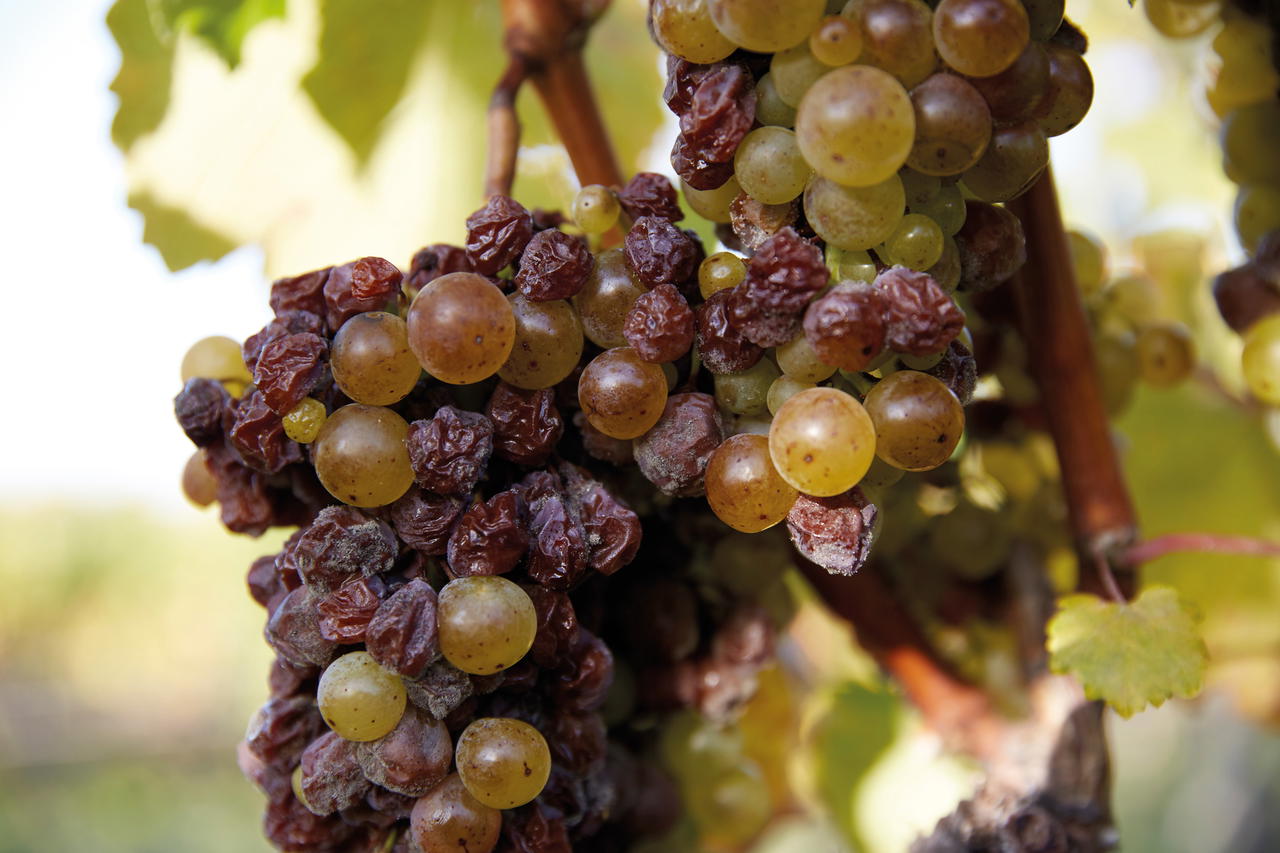
Today, we know the latter is the case. The desirable form of botrytis, also known as noble rot, gifts us with some of the most complex and mouth-watering wines in the world.
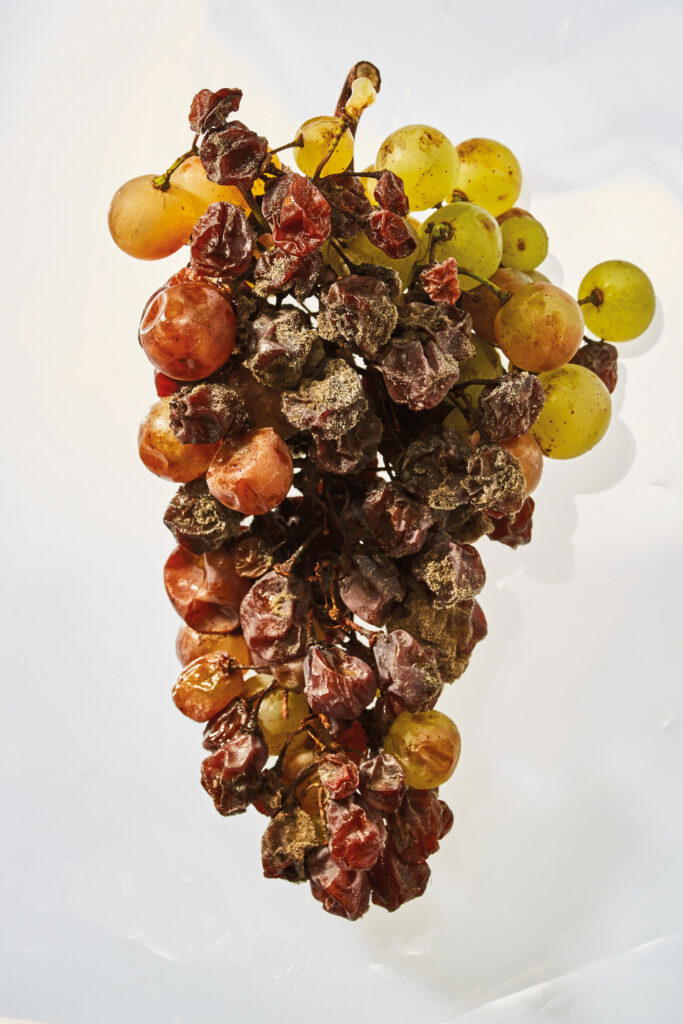
The fungus Botrytis cinerea can either cause widespread grey rot or the rare beneficial noble rot. Only under specific conditions—misty mornings followed by dry afternoons—can noble rot develop. Even in vineyards prone to noble rot, every vintage is cherished since the phenomenon does not occur every year. The noble rot grape shrivels and concentrates its flavours while compounding aromas such as peaches and apricot.
Hungarian Tokaji Aszú is widely regarded as the world’s first noble rot wine. Additionally, the Szepsy family is credited with inventing this particular Aszú winemaking method as early as 1600s, forever changing the field of sweet winemaking. Wine regions such as Mosel and Sauternes have been influenced by noble rot wines since then.
Sweet wine, however delicious, could not salvage the once-flourishing Tokaji sweet wine industry adored by European monarchs and aristocrats in the 18th and 19th centuries. Slowly falling out of fashion, many producers were at risk of bankruptcy. Some even abandoned vineyards completely after the Soviet era. They desperately needed cash flow to save their wineries, and the Szepsy family once again, gave them hope.
In a ground-breaking move in 2000, the 17th-generation István Szepsy Sr created a single-vineyard dry Tokaji wine. “Dry wine was always part of the region but always made from high yield. This quality was unique!” the family proudly declares. Some wineries use dry wine from Tokaj as base wines to macerate their noble rot grapes.

This was the first quality-focused dry wine produced under strict yield and quality control. The grapes came from a single vineyard, the Úrágya vineyard, which has 11 different layers of soil. More specifically, the grapes were harvested from one specific plot in the vineyard, Parcel 63.
Despite producing less than 3,000 bottles for its own consumption, the wine gained instant popularity globally. It also sparked a resurgence of interest in Tokaji wines. For the first time, the world of wine understood the immense potential of dry Tokaji wines.
The Szepsy name delivered and put Tokaj firmly back on the international wine map.
It marked a turning point not only for Tokaj producers, but also for István Szepsy Jr. “I believe it will be a game changer,” says the latter, who did not plan on joining the family business initially and turned to studying engineering and mathematics.
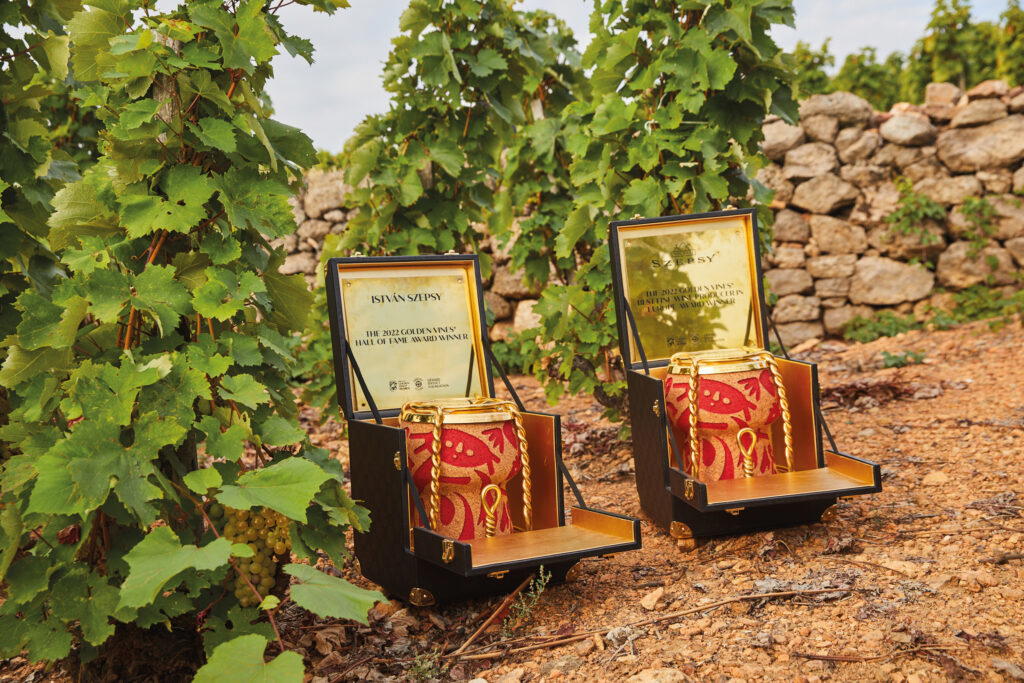
Vine Awards 2022.
Now, the 18th-generation custodian of this legacy, carries forward this mantle of ingenuity in his relentless pursuit to make the best wines. It is a narrative that demands admiration. Despite the international acclaim showered upon the wines from both professionals and consumers, he refuses to rest on the laurels of the brand’s achievements.
This wine also led to the creation of the world’s first Furmint glass by Riedel. Described as “a loudspeaker for the wine” by Georg Riedel, the bowl is larger than other white wine glasses while the rim is smaller, amplifying the drinking experience for all Furmint styles.
“Making better dry wines helps make better Aszú,” explains Szepsy Jr, emphasising the symbiotic relationship between its dry and sweet winemaking endeavours. He laments that Tokaji sweet wine’s popularity in the past was attributed to its high residual sugar from nature-given botrytis instead of refined winemaking techniques. Many wineries today continue the same “woodcutter” winemaking method. Szepsy Jr is unwilling to just replicate the past, but his obsession with quality can be a lonely journey. “It is a mistake to trust the tradition blindly and not reinvent to move forward,” he says.
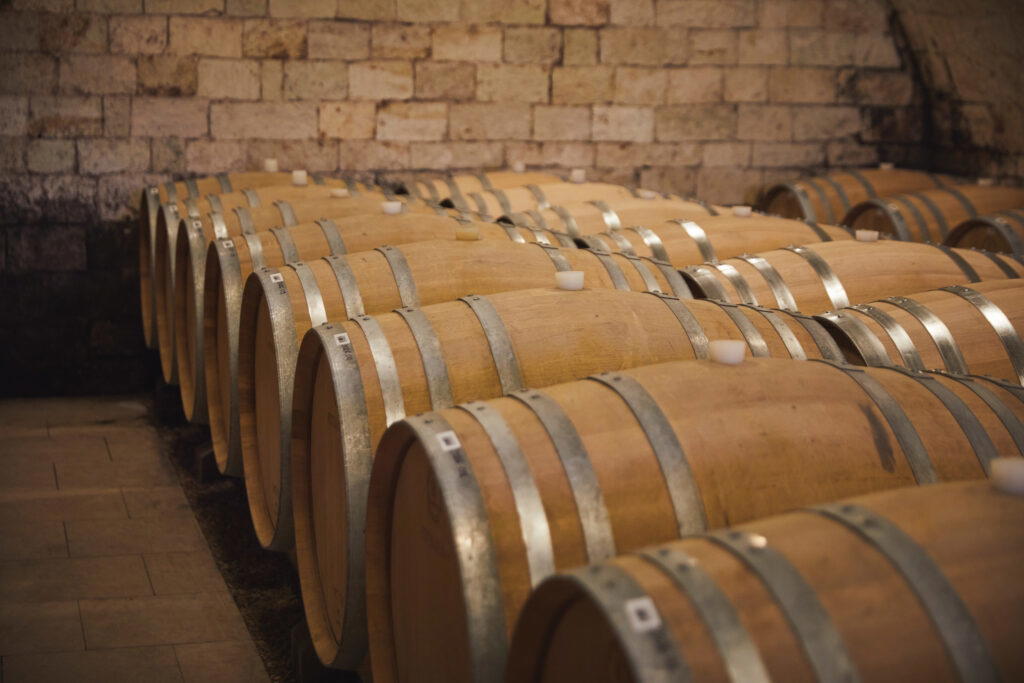
When the Tokaj sparkling wine law changed in 2009, Szepsy Jr was one of the pioneers using traditional methods to produce sparkling wines. Even after 14 years of experimentation, Szepsy’s sparkling wine is still not commercially available. “There is still a need to invest in better technology,” Szepsy Jr shares.
The high standards of Szepsy wines uphold the standard of the entire region. It is also the standard that the region’s winemakers aspire towards. The family advised the likes of Royal Tokaji and Juliet Victor Vineyards in setting up their wineries, backed by years of deep research into the soils in Tokaj and its indigenous Furmint grape.
The father-son duo has been rallying producers in the village of Mád to establish their own appellation control since 2006. Considered the top winemaking village in Tokaj, its wines fetch higher prices than other villages. After 15 years of persistence, the Mád Origin Control will be launched from 2021 vintages onwards.
Unlike the newcomers sidestepping Tokaji wine laws to plant international varieties or the old winemaking families stubbornly sticking to ancient methods, Szepsy Jr blends continuous innovation while honouring tradition.
His work ensures that the region’s legacy will continue, this time in a more financially sustainable manner. While wine trends will come and go, quality wines will always be fashionable.