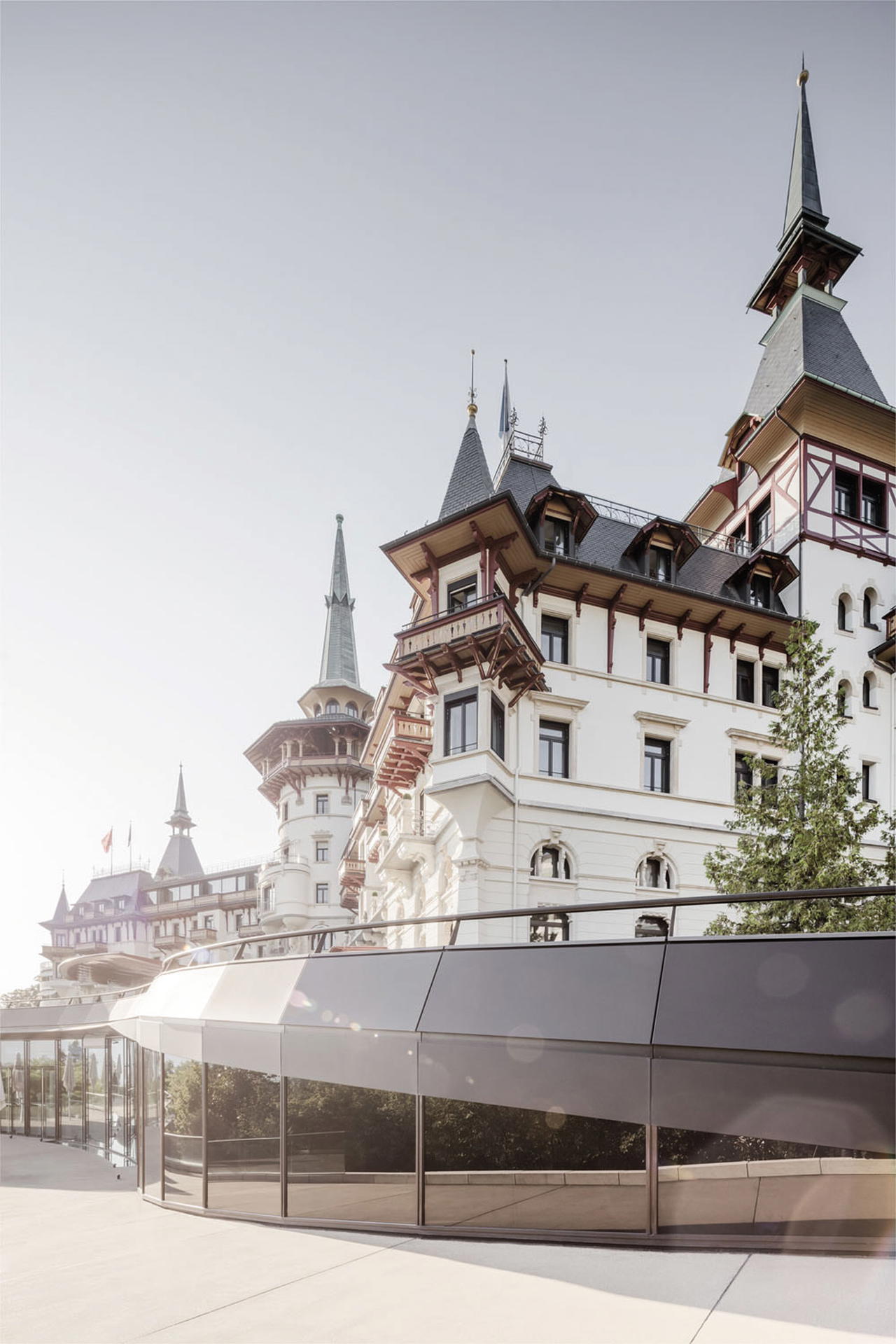
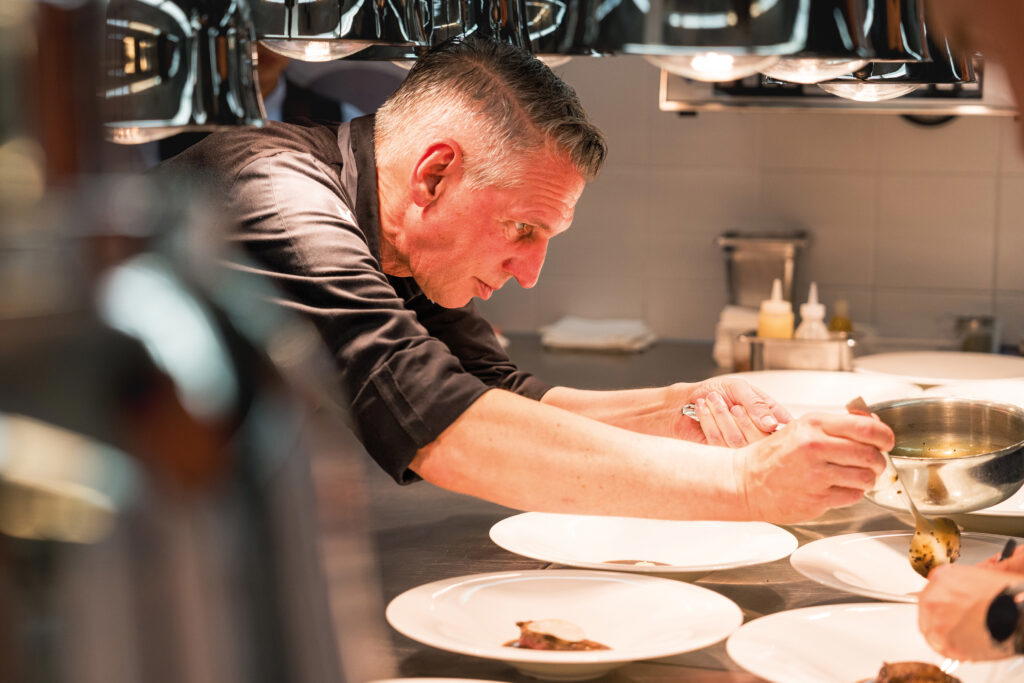
Each year, the world’s most lauded chefs converge at The Dolder Grand in Zurich for The Epicure, an event that transforms the hotel into a nexus of culinary innovation. Under the leadership of Heiko Nieder, head chef of The Restaurant at The Dolder Grand, this gastronomic festival showcases the latest trends in fine dining through a series of collaborative dinners.
This year’s edition, held last month, was no exception. Each night, Nieder teamed up with a different culinary virtuoso to create an eight-course menu featuring unique pairings.The ever-friendly powerhouse behind The Epicure and culinary director of The Dolder Grand, has helmed the two-Michelin-starred flagship The Restaurant since 2008.
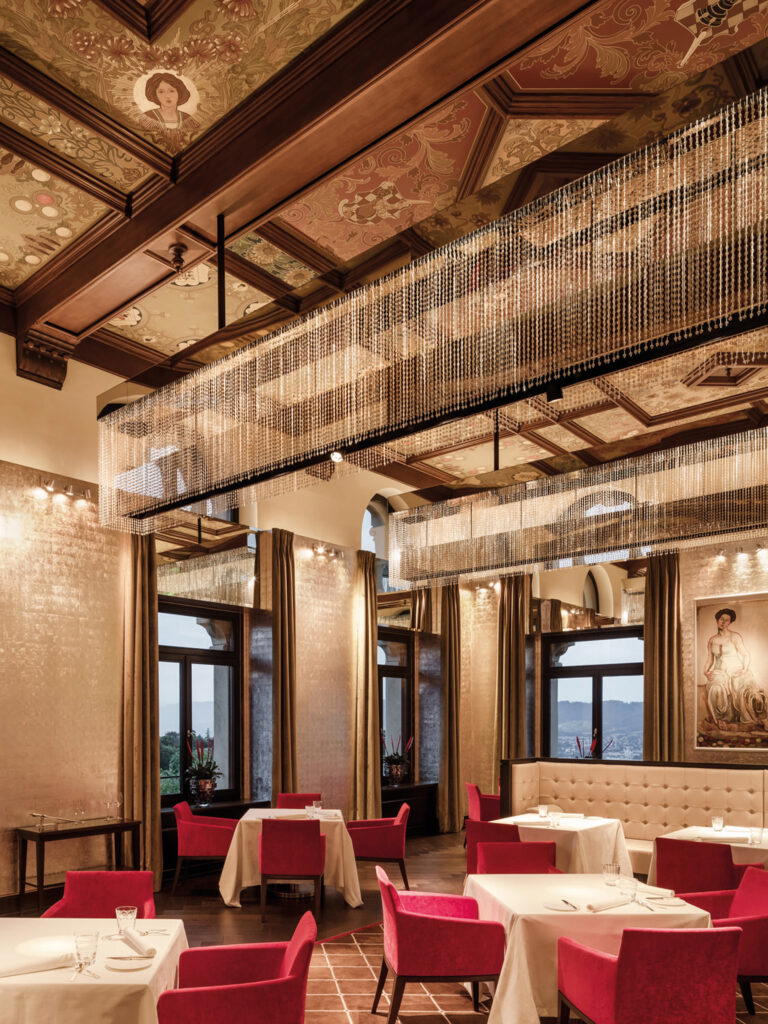
Each year, he carefully selects the guest chefs, weighing diners’ expectations and offering cuisines that differ by geography and approach. In addition, he considers the personalities involved. “I like to invite chefs I really like and whose cooking I’m personally interested in. The relationship we have in the kitchen is important and something that guests can feel,” he emphasised.
Nieder is correct. There is no simple recipe to balancing the highest levels of fine dining with approachability and fun. The Epicure, however, manages to offer a gastronomic extravaganza that is pitch perfect.
Jan Hartwig
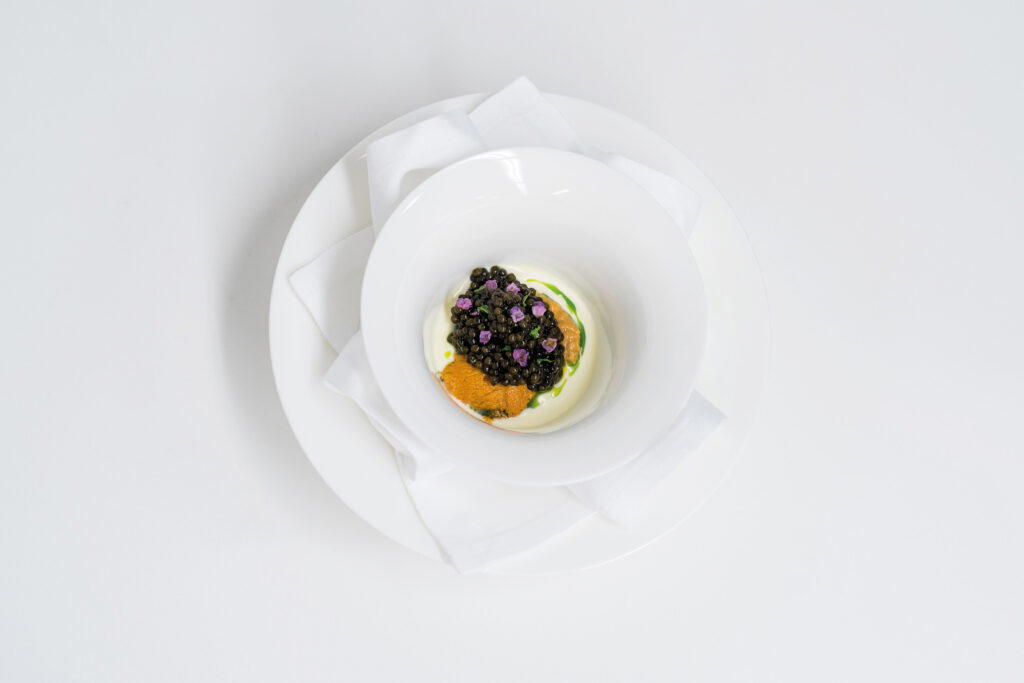
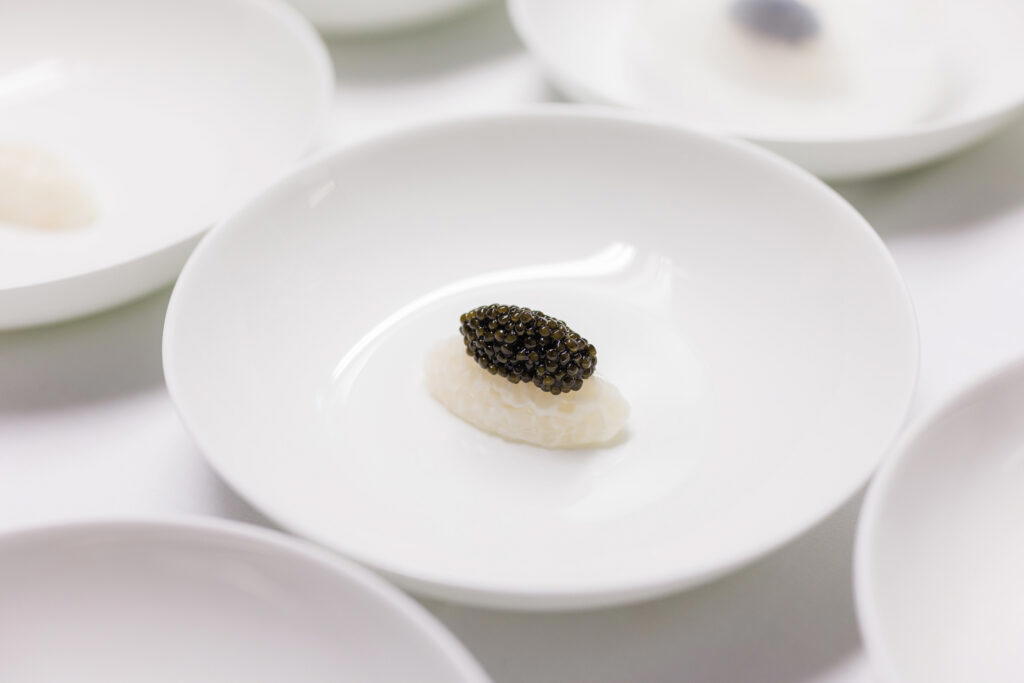
With a cascade of caviar and a drizzle of herbaceous oil, Jan Hartwig’s amuse bouche from the three-Michelin-starred Restaurant Jan in Munich combined delicately sweet
uni, silky crème fraîche, and richly umami duck jelly.
Named Seeigel Louise after his daughter, this sea urchin dish was his first creation after her birth. “It’s an emotional dish for me,” Hartwig said as he introduced it tableside. “It’s beautiful and delicious, but also powerful, like my daughter.”
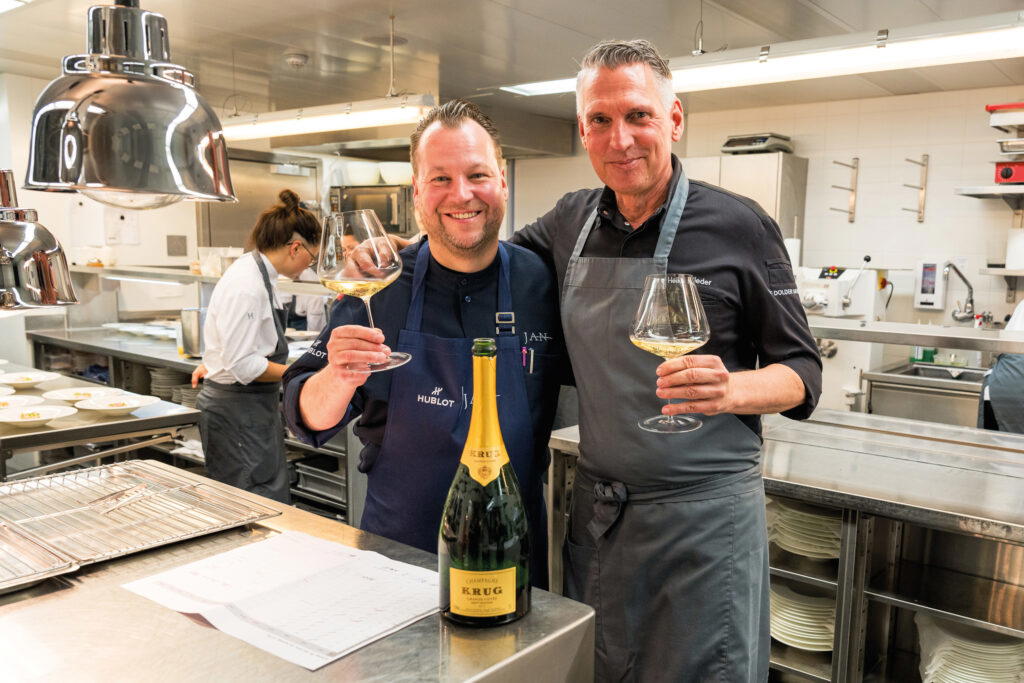
This was a delectable start to the four-hands dinner with Heiko Nieder. Hartwig’s restaurant went straight to three Michelin stars in 2023 within months of opening, and he is on a mission to boost his international reputation and elevate Munich’s standing as a gastronomic hotspot.
“Munich is growing as a food destination, and I’d like to put the city more firmly on the culinary map,” he said. “Events like The Epicure are a great opportunity for both guests and chefs.”
Nieder shares a common homeland with Hartwig. Both hail from Germany, a connection that seemed to infuse their dinner with a particularly harmonious quality. Each dish built seamlessly upon the previous one, creating a symphonic dining experience that marked the culmination of five spectacular evenings at The Epicure.
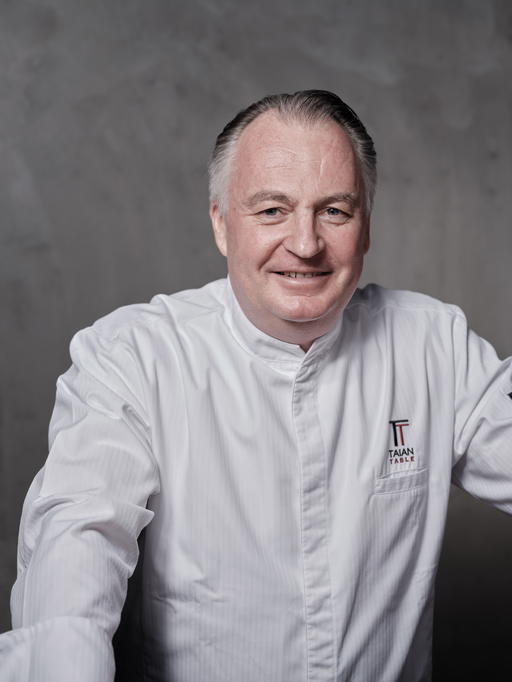
Stefan Stiller
Hartwig was not the only guest chef of German heritage participating in the ninth edition of The Epicure. Stefan Stiller of the three-Michelin-starred Taian Table in Shanghai, and his two Michelin-starred outposts in Guangzhou, cooked alongside Nieder the night before.
Known for bringing an Asian touch to European fine dining, Stiller saw cooking in Zurich as an opportunity to indulge in the region’s finest ingredients. “We picked dishes for which we can’t find ingredients in China,” he said. “It’s hard to find turbot—at least wild and of the size you can find here—and veal sweetbread.”
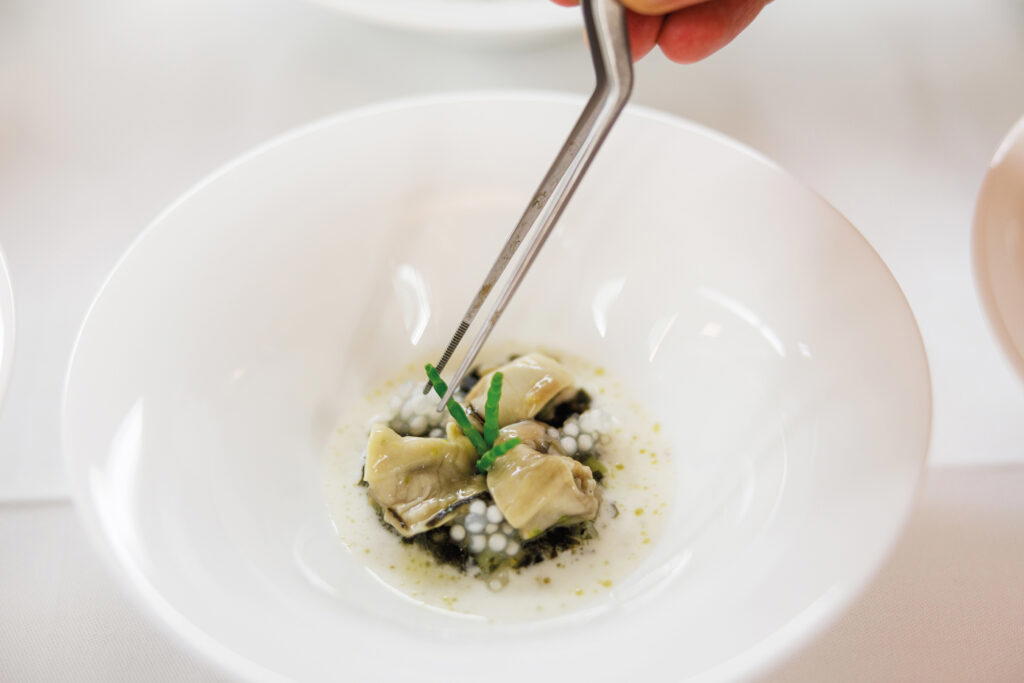
Stiller retained a whisper of Asia in his dinner at The Epicure. His starter, Gillardeau Oyster No. 2, presented the oyster in multiple ways: a layer of oyster custard topped with fresh oyster, frozen nitro pearls of oyster, a seaweed salad, and tapioca pearls infused
with dashi, a Japanese stock made from bonito flakes and kombu.
While Stiller revelled in Europe’s fine ingredients, he also brought a taste of China to Zurich, using eel he carried from home in a dish served at The Final. The daytime event featured 11 top chefs, including Kristian Baumann of modern Korean restaurant Koan in Copenhagen, Konstantin Alexander Filippou of his eponymous restaurant in Vienna, and Tamás Széll of Stand Restaurant in Budapest—all two-Michelin-starred.
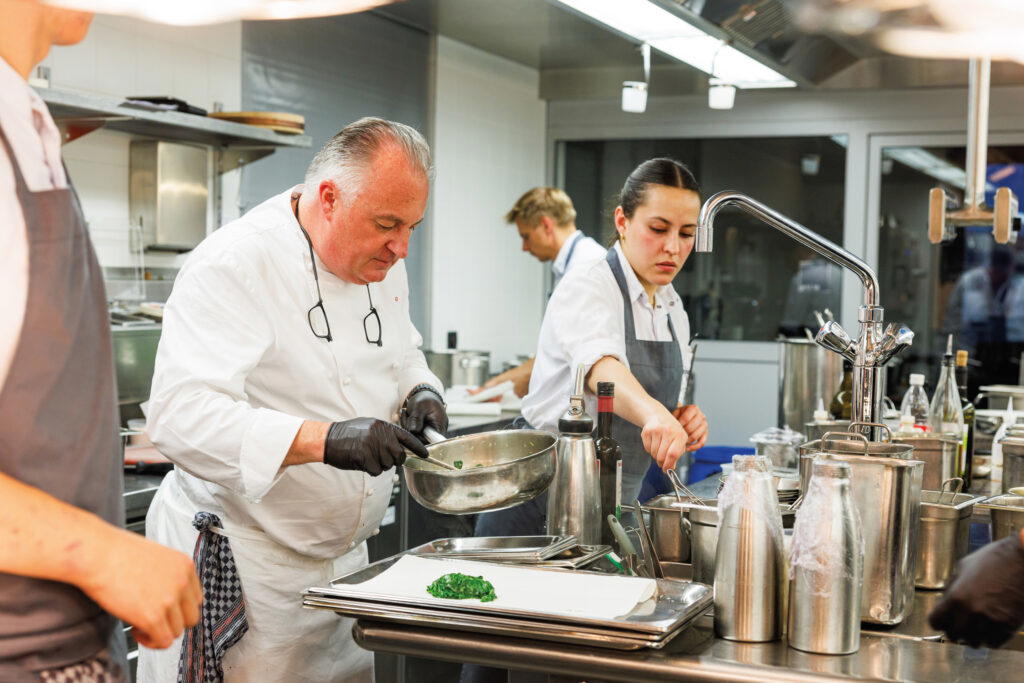
“Some things are good enough to smuggle,” he says. “The eels are farmed in Guangdong. After getting them alive, we kill, cure, and smoke them ourselves. They’re a special product.”
Stiller has lived in China since 2004 and has run his own restaurant since 2008, giving him extensive experience in sourcing ingredients across the country. For Taian Table, he works closely with farmers from Guangdong and the southern regions, as well as Yunnan in the southwest and Fujian on the east coast. For a chef, he said, China is a boon: “The beauty is that it’s so vast. We not only have four seasons, but a range of micro-seasons, too.”
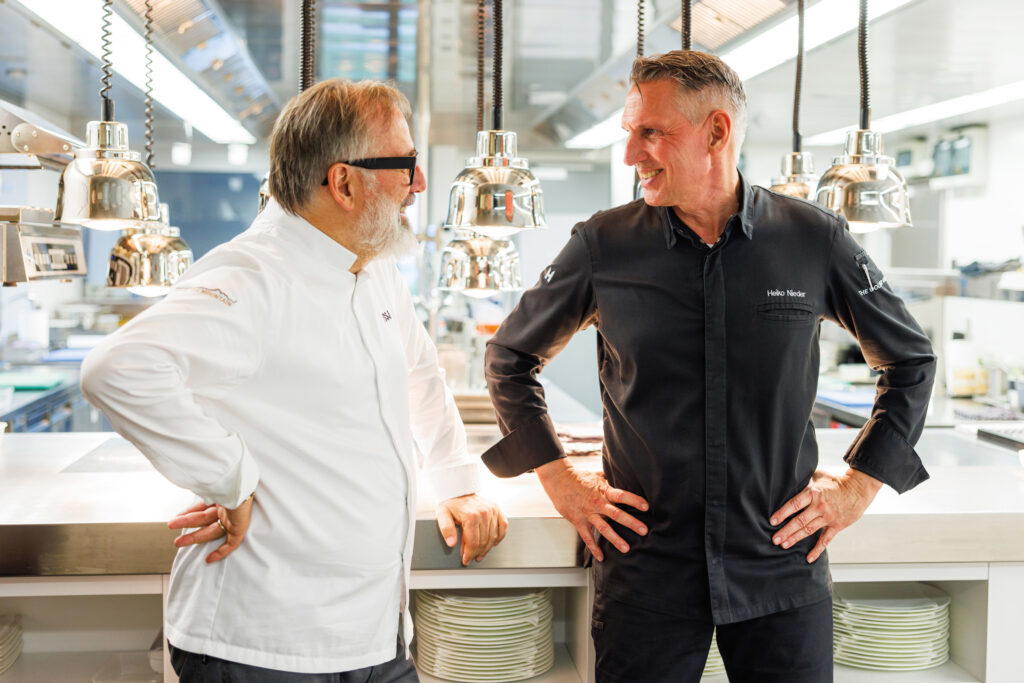
Norbert Niederkofler
Norbert Niederkofler, who cooked on the first night of The Epicure, has a different approach to ingredients. He pioneered ‘cook the mountain’, using only ingredients from the Dolomites mountains of northern Italy, his birthplace and the location of his restaurants. Last year, he moved his fine dining establishment to a new location in the Dolomites, a 19th-century villa in Brunico that was once a textile factory. Atelier Moessmer by Norbert Niederkofler retained its three Michelin stars and a green star for sustainability in its stylish new home.
Niederkofler also owns AlpiNN, a glass-sided space perched on stilts at an altitude of 2,000m. There, he serves a more casual menu while retaining the philosophy of creating a symbiotic relationship with the surrounding mountains and their dwellers.
His cooking is deceptively simple and strikingly self-assured sans fuss or gimmick. Strictly seasonal, his menu at The Epicure was a celebration of summer—full of colour, fruits and flowers.
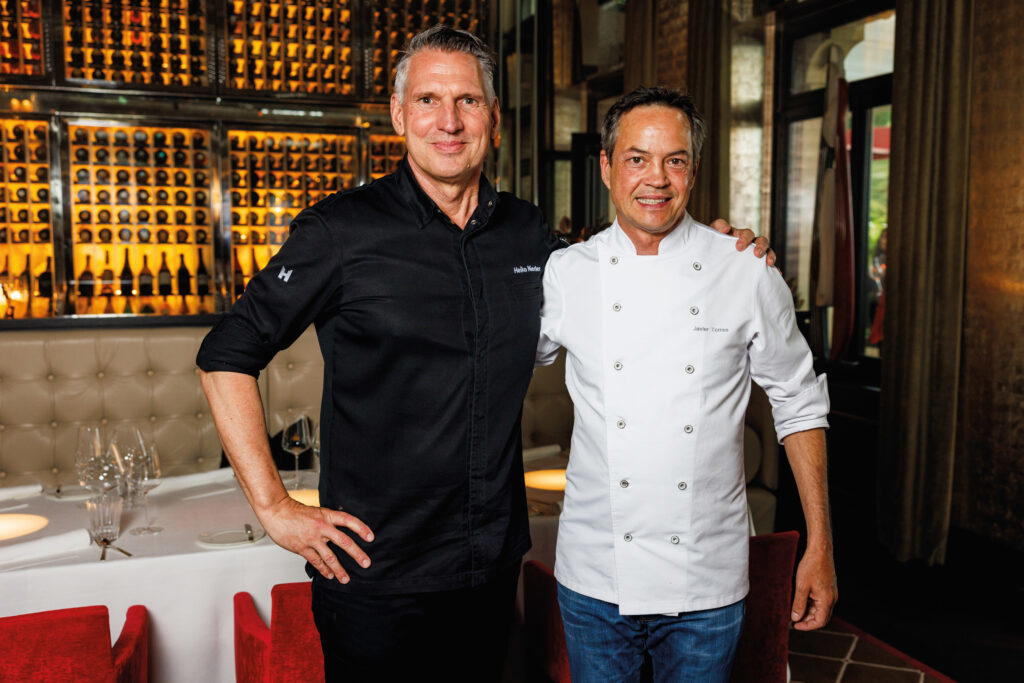
Javier Torres
Javier Torres, one of the twin brothers behind the three-Michelin-starred Hermanos Torres in Barcelona, points out that for chefs using local, seasonal ingredients, bringing their cuisine to another kitchen is no easy feat. “It’s much easier for a team to come in and cook, rather than move ingredients elsewhere,” he said.
“My brother and I are so focused on the products, we only use seasonal and regional ingredients. Products, flavour, and childhood memories are the basis of our philosophy.”
“My brother and I are so focused on the products, we only use seasonal and regional ingredients. Products, flavour, and childhood memories are the basis of our philosophy.”
Javier Torres
Torres began his night with Nieder by serving a dish of cured squid with poultry consommé and caviar. The signature dish at Hermanos Torres was a stunning combination of balance and restraint. Their interpretation of the traditional Catalonian dish of mar y montaña (sea and mountains) was likely the most elegant surf and turf ever served.
Another dish, a traditional cod stew with spicy chorizo gnocchi, cured lemon, and beans from Ganxet, was beautifully presented with a delicate potato lattice balancing on top. Although contemporary in style, the dish was designed to evoke memories of a grandmother’s cooking.
Vaughan Mabee
Vaughan Mabee, the talented chef behind New Zealand’s multi-award-winning Amisfield, travelled the farthest to arrive at The Epicure. Despite the distance, he brought his brand of earthy unexpectedness to Zurich, showcasing dehydrated Paradise Shelduck Feet (known as pūtangitangi in Māori). The feet were boiled, dehydrated, puffed up, fried, and then given what Mabee calls a “VIP manicure”.
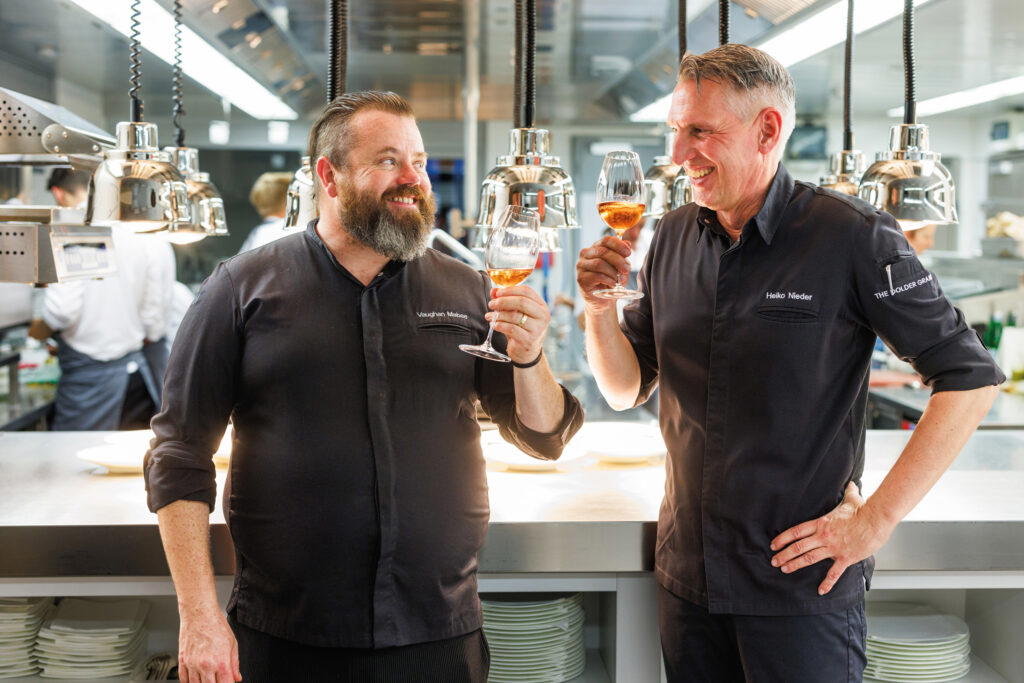
Truffle claws were injected back into their natural place on each foot, held with a caramel made from the native horopito, or pepper, tree. He also served a dish of deer milk ice cream shaped into an antler and stuck on a deer skull.
Mabee’s global reputation is growing. At Sunday’s final event, his stall’s goat tacos garnered the longest queues. However, he recognises that running a top restaurant in New Zealand can have its drawbacks.
“We’re at a disadvantage as we’re far away from most critics, writers, voters, and judges. But that keeps me hungry to create something that can’t be unseen, something so different, so original, and creative that it stands out across the world. We have many interesting, unseen ingredients. It’s where I’m from, where I have deep roots,” he says. “People see New Zealand as views with hobbits and dragons, but we have some of the best products to eat in the world.”