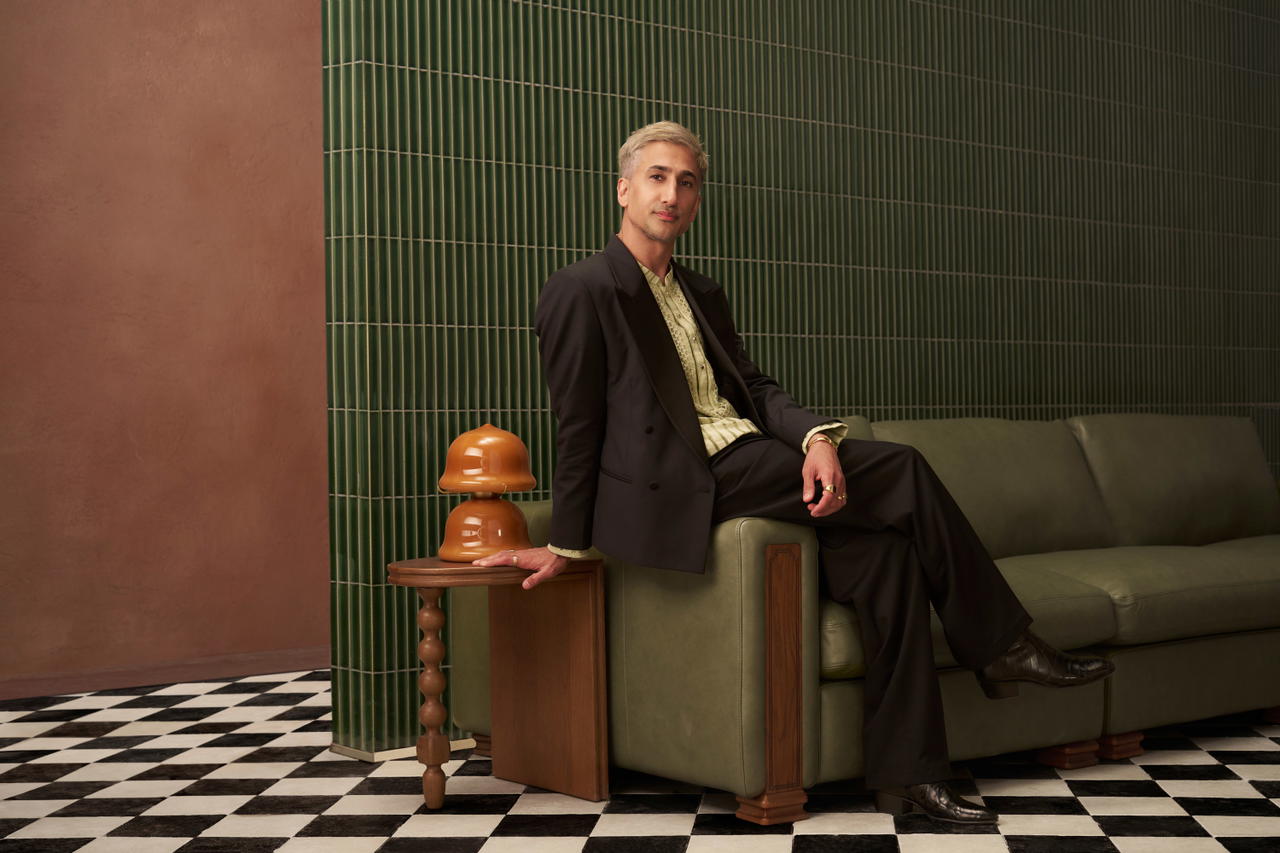
Tan France has spent much of his career helping people discover themselves through what they wear. Whether as a fashion designer or the sharp-witted style authority on Queer Eye, his philosophy has always been the same. That the best style isn’t about following trends; it’s about expressing who you are.
Now, he’s applying that same philosophy to the home. His debut furniture collection with homegrown furniture company Castlery marks a deeply personal evolution, one that swaps tailoring for timber and silhouettes for sculptural forms. For France, the transition from fashion to furniture is a natural progression. After all, both are about creating spaces where people feel comfortable being themselves.
Over nearly two years, France worked closely with Castlery’s design team to develop an 18-piece collection rooted in his British and South Asian heritage, balancing contemporary design with cultural references that reveal themselves subtly.
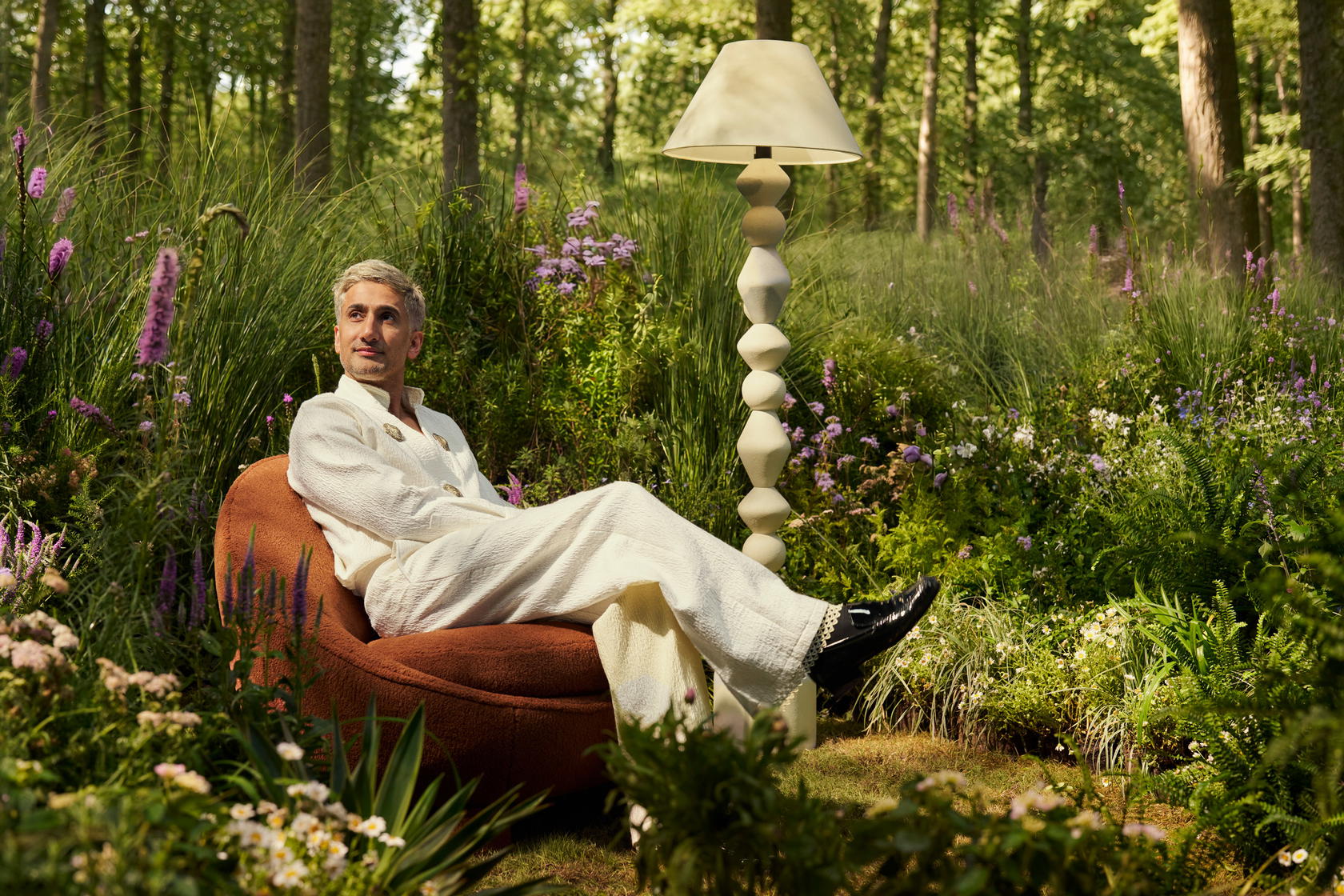
For instance, the Reya Vase was inspired by the movement of draped sari fabric; while the Tarin Side Table is an ode to traditional turned woodwork with its stacked geometric forms crafted from solid oak. The result is a collection that champions individuality over trends, inviting people to create homes that reflect their own stories.
Find out why France fell in love with furniture design, the one rule he happily breaks at home, and why designing for Instagram is the fastest way to lose sight of what home should really mean.
Congratulations on your first furniture collection! What surprised you most about designing for a home instead of a wardrobe?
Thank you! Honestly, the greatest surprise was discovering how much more I loved designing for a home than for a wardrobe. When I’m designing clothing, I’m thinking about one person for a certain moment in time. With a home, I’m designing for everyone who occupies the space, and hopefully for many, many years to come.
How did this collaboration with Castlery come about?
Quite simply, they reached out to my agents, and I jumped at the chance. They agreed to let me design whatever I wanted, rather than asking me to choose new colours or fabrics for pieces they already made. That was a major plus for me.
Is there a design rule you happily ignore in your own home?
Absolutely. The idea that you have to stick to one design theme for a space to feel cohesive. I love blending different design eras to create a home that feels unique and personal.
What’s one lesson from fashion that translated beautifully into furniture, and one that absolutely didn’t?
Scale definitely didn’t. I can look at a body and instinctively know what the proportions need to be. Figuring out the scale of furniture for a home was much harder. What translated beautifully, though, was understanding how colours work together to create a complete look.
Do you have a favourite item from the collection?
It’s incredibly difficult to choose because I only designed pieces that I genuinely love. But I am obsessed with the Anika Table Lamp. I think it’s the perfect balance of playfulness and sophistication, and it brings something fresh to any room. I’m also crazy about the Kagan Sofa—I think the wooden detailing makes it feel so incredibly unique.
Walk us through the design process behind one of the 18 pieces.
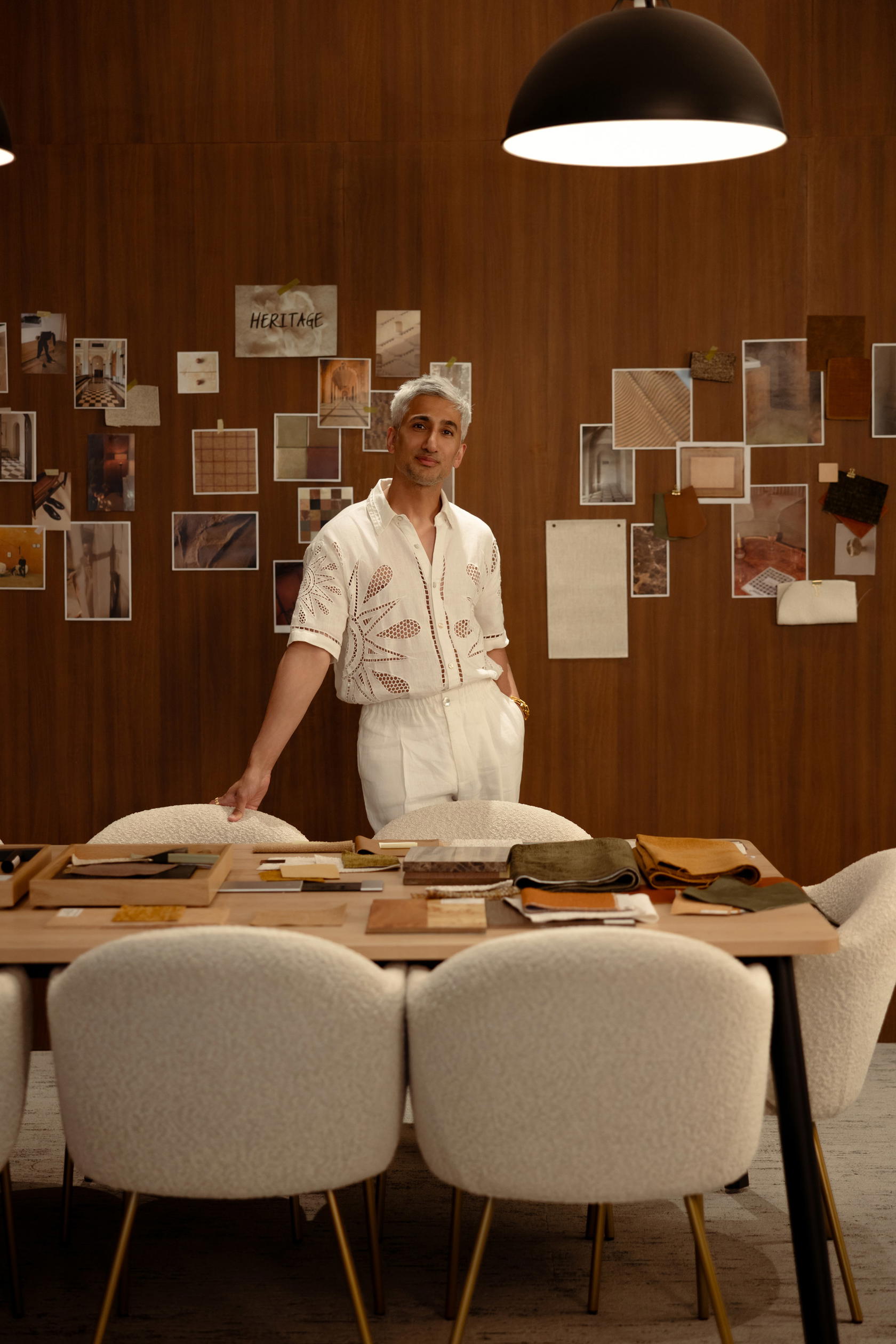
Every piece influenced the next. I started by deciding on the thread that would connect the entire collection, and for me, that was culture. I wanted to blend my British and South Asian backgrounds. In many ways, the two cultures share visual references because of history and colonisation, so bringing them together felt surprisingly harmonious.
You’ve spoken about living between cultures. Has your definition of “home” changed over the years?
It definitely has, especially since I had my babies. Home now means wherever they are and wherever we’re together. But what makes our house feel like our home is filling it with things that represent who we are, which is proudly multicultural.
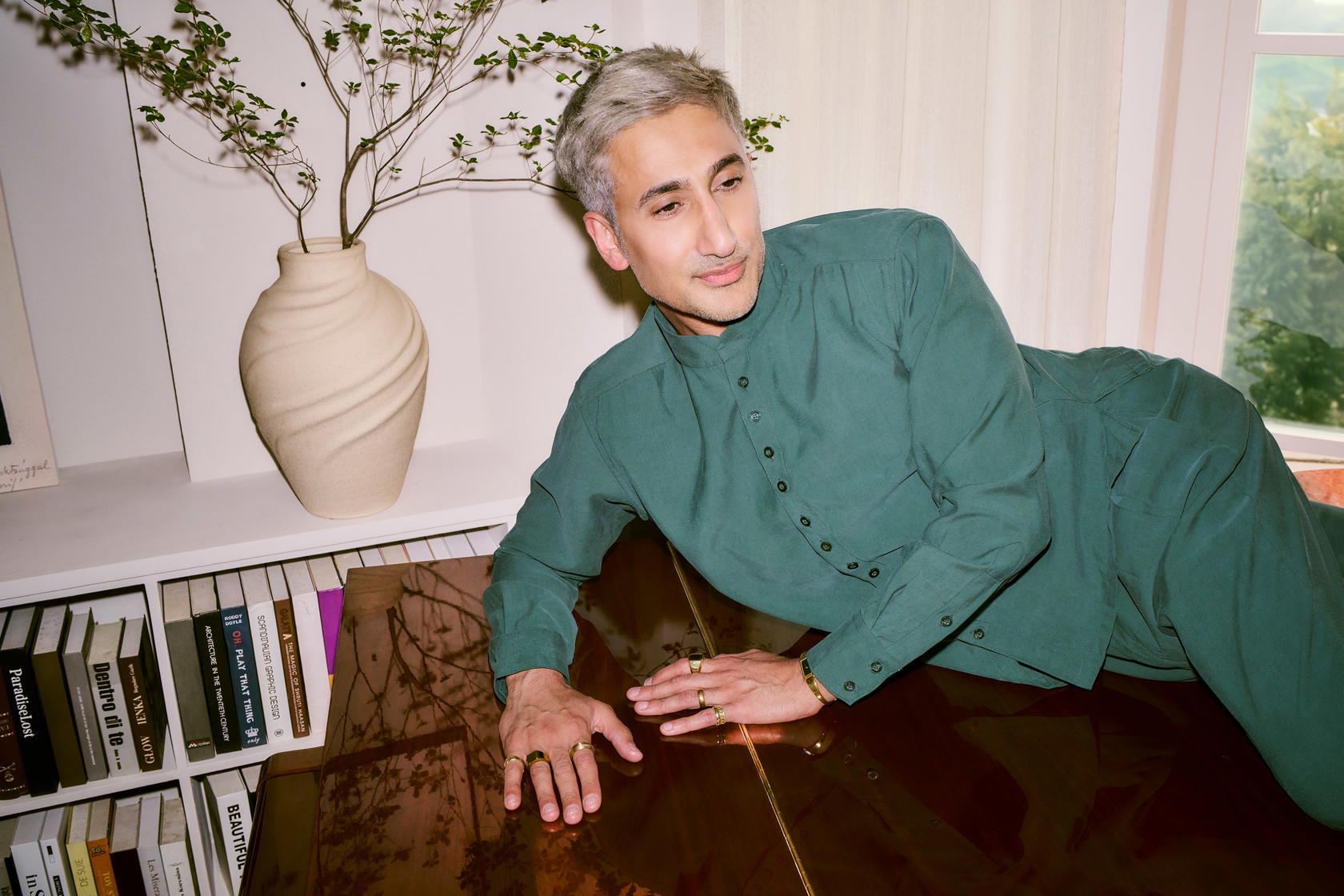
What’s one design choice people are overthinking today?
Trying to make a space feel current, cool, or Instagram-worthy. Who cares if other people don’t love your home? If you’ve designed your space intentionally and thoughtfully, that’s all that matters. The cool kids on social media aren’t going to live there—you are.
Were there moments when the Castlery design team challenged your instincts and ultimately made the collection better?
For the Rumi Accent Chair, the team pointed out that my original idea wasn’t particularly practical. We worked together to redesign it, and I genuinely think it’s perfect now. It reminds me of a teddy bear. And honestly, who doesn’t want to feel like they’re being hugged by a teddy bear?
Shop the collection here.