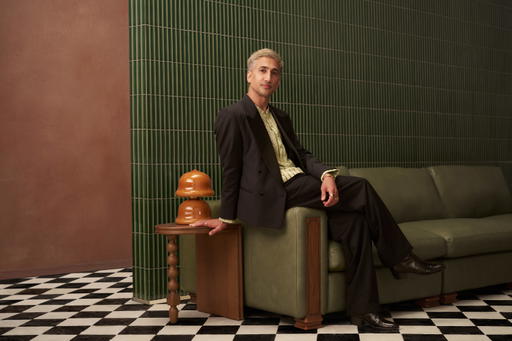
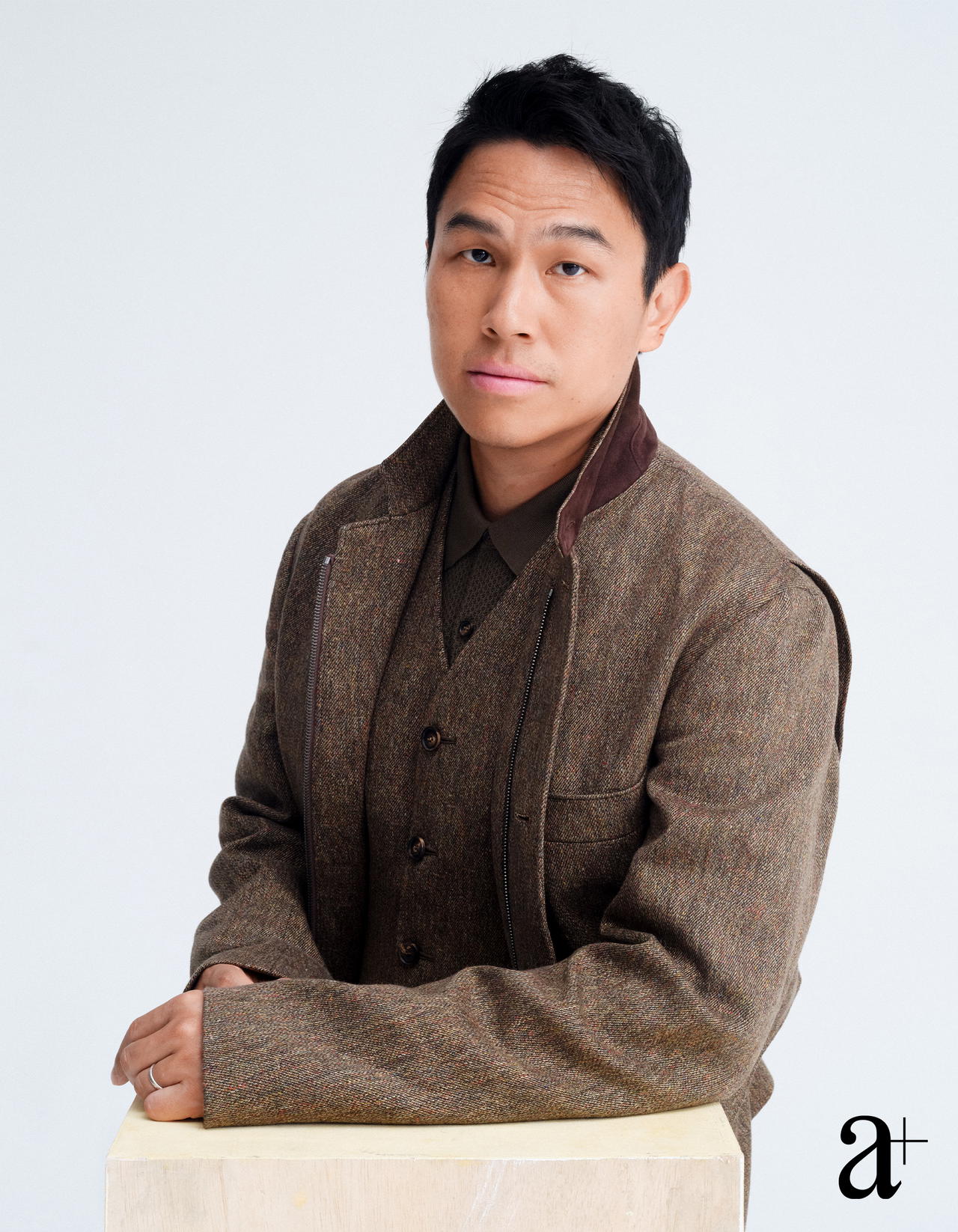
Gabriel Tan left Singapore for Portugal in 2020 not to abandon home but to get closer to some amazing sources. Within an hour’s drive from his studio lie workshops in wood, leather, textiles, stone, and ceramics—a landscape he likens to living next to a fresh food market for a chef. Although Portugal has become the place in which ideas are born, distance has sharpened his understanding of what these ideas are.
Tan’s Singaporean instincts—born of multiculturalism and a deep sense of responsibility—continue to define Gabriel Tan Studio. His practice works closely with internationally renowned brands such as B&B Italia, ClassiCon, Herman Miller, Louis Poulsen, and CondeHouse. These align with his original aim to work with historically significant design names.
In 2025, he received the Singapore President’s Design Award for Designer of the Year and was named Louis Poulsen’s first Designer of the Year. He believes the best design is almost invisible—objects that reveal themselves slowly, reward long-term use, and endure beyond trends. We spoke to him about living between cultures and why sustainability begins with asking whether the world needs another object at all.
Has living across cultures made you more Singaporean as a designer or less?
More, actually. Moving to Portugal gave me the distance to notice how growing up in multicultural Singapore had shaped the way I think and work. Singapore is a city at the crossroads of cultures, so I was “trained” early to read and connect different cultural nuances.
Therefore, when I encountered new ones travelling through Europe, I already had the instinct to translate them into my work. It also made me appreciate the strong work ethic and sense of responsibility I grew up with—qualities I didn’t fully register until I was working outside that context. Distance gave me the perspective to better understand my own design instincts.
Is restraint a design choice for you?
Having restraint is hard. It is about discipline and having the right judgement to know what to leave out, weeding out anything that does not deserve its place.
What advice would you give your 25-year-old self?
Don’t worry about developing a signature style. Over the years, I’ve learnt that the work gets more honest when you stop performing a point of view and just solve the actual problem in front of you. Your style will emerge from your habits, instincts, and thinking—not from forcing it.
Has the industry become too focused on materials, overlooking the greater environmental cost of producing yet another item?
Yes, and I count myself in that critique. It is easy to greenwash a chair by saying it is made from recycled ocean plastic and call it a day without asking the core question: does the world need another chair? The most sustainable object is typically one that replaces two or three others in a home. It could also be one built to be repaired instead of replaced, meaning overall consumption is reduced over time.
Have you found parallels between Portuguese and Southeast Asian craft traditions?
More than I expected. Cork harvesting in Portugal and rattan weaving in Southeast Asia both rely on renewable materials that regenerate with patience; rushing or over-harvesting damages the source for future generations.
There is a shared ethic of working with, not against, imperfection in natural materials rather than just machining it into uniformity. This gives handmade objects their beauty.
Portugal, in my view, is at greater risk of losing its craft traditions than Southeast Asia. For example, basket-weaving is rapidly fading as craftsmen retire and successors are scarce.
What role does design play in Singapore’s cultural identity?
Design is a reflection of a society’s thought processes, aesthetic influences, and ideas translated into tangible form. For a young nation like Singapore, design holds particular significance as it shapes and expresses local identity.
My hope is that my work endures beyond my lifetime, remains available in the market, and becomes part of Singapore’s evolving history.
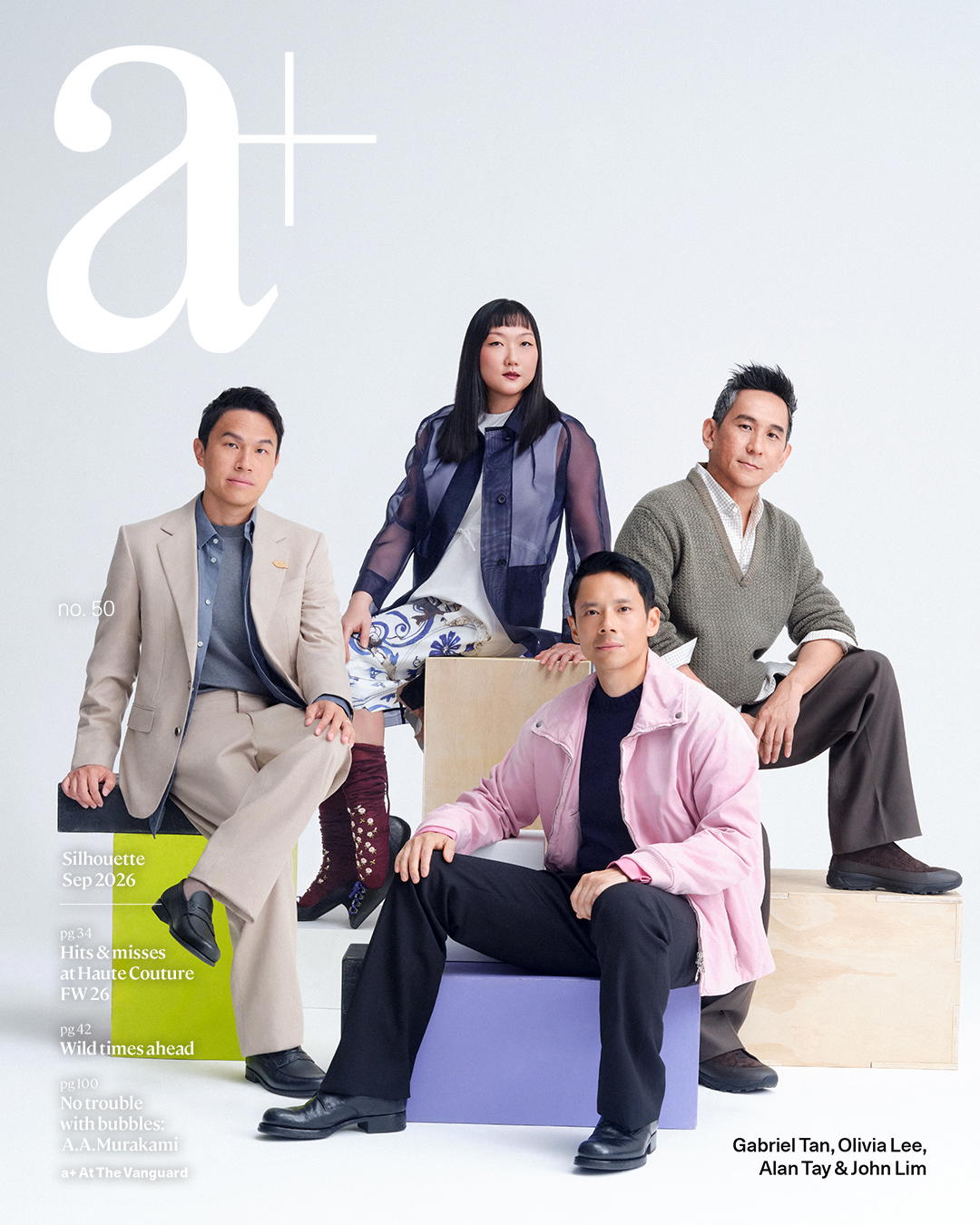
Photography Stefan Khoo
Styling Chia Wei Choong
Hair & Grooming/Makeup Keith Bryant Lee, using Kevin Murphy and Lancome
Fashion assistant Megan Lim
Photography assistant Alif