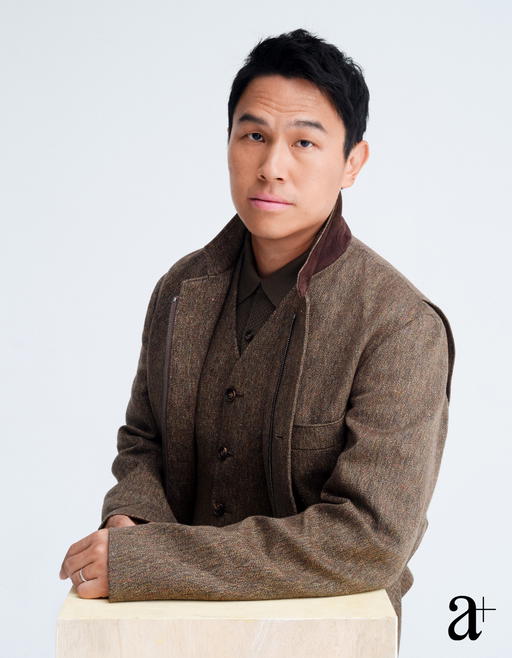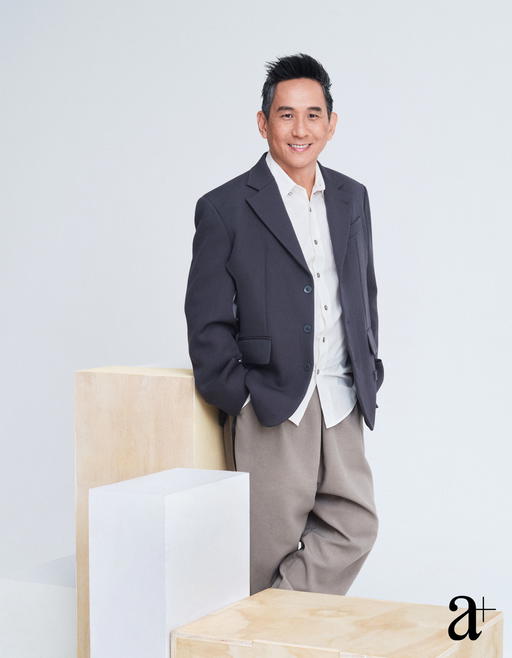
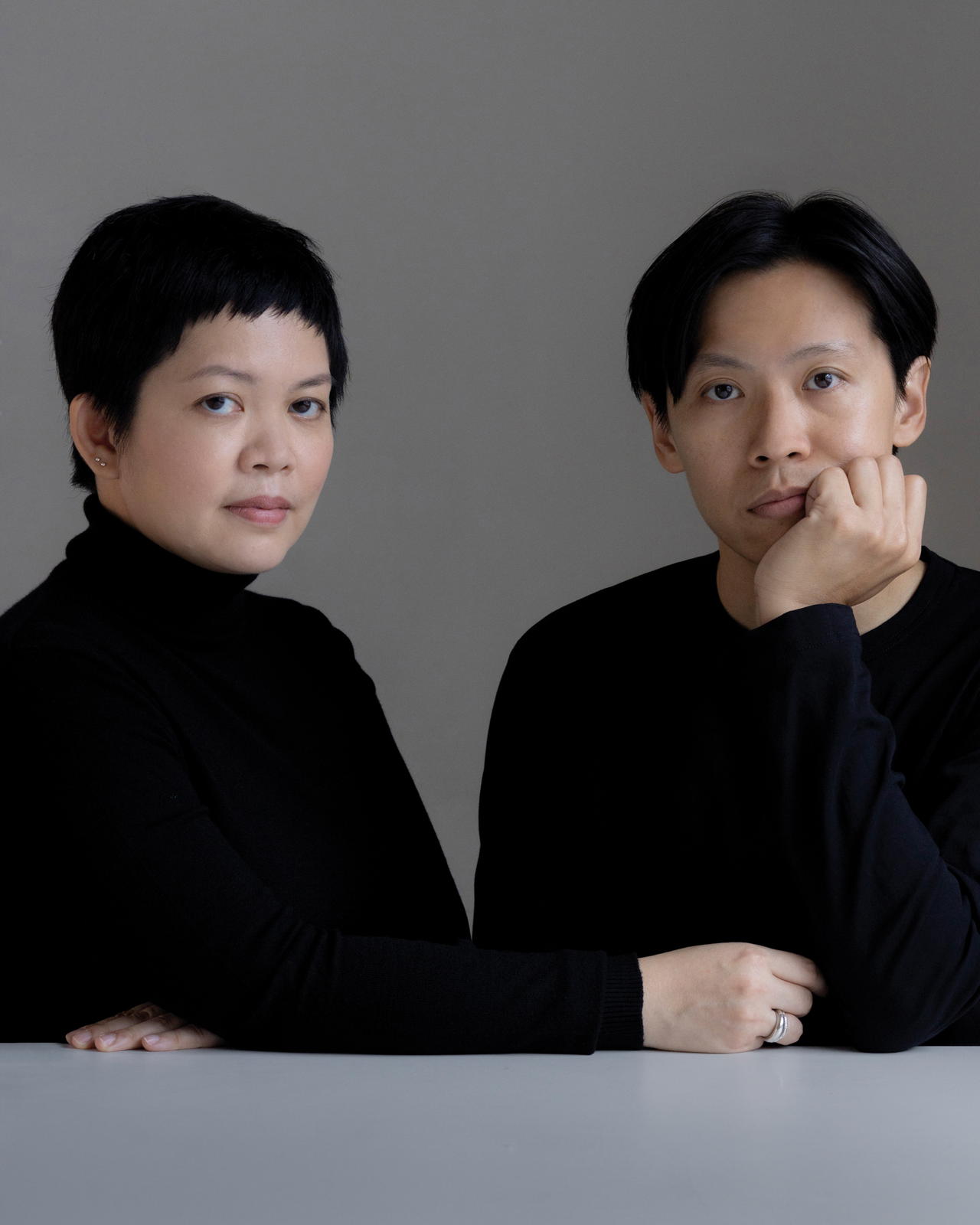
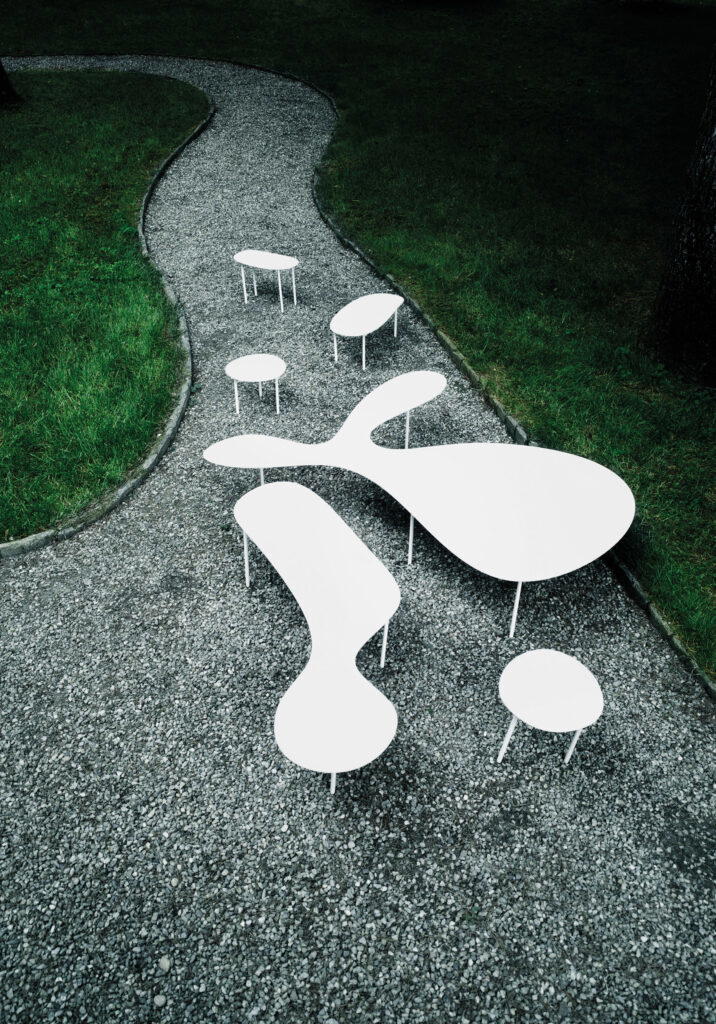
You might have noticed ‘The Big Round’ and ‘The Tall Long’ wall sculptures at Tampines MRT station or admired Living Divani’s The Rabbit and the Tortoise series, which redefines the concept of a table. Inspired by childhood paper animal cutouts, the sinuous tables invite spontaneous interaction and are just a few of the creations by Singaporean husband-and-wife duo Timo Wong and Priscilla Lui.
Studio Juju was founded in 2010 after the two met at NUS’s Design Incubation Centre. As they were working on Objects Around the Tablescape, a boundary-pushing label of tabletop objects that explore materiality and emotions, Patrick Chia, then director of the centre, encouraged them to collaborate on a presentation for SaloneSatellite, the emerging designers section at Milan Furniture Fair.
In the beginning, they planned to divide the booth to showcase their individual works, but Chia persuaded them instead to present as one entity. Embracing this collaborative approach, they registered as Studio Juju and won SaloneSatellite’s Design Report Award for Best Newcomer in 2011. In the same year, they were named Designers of the Future by Design Miami/Basel.
Earlier this year, Studio Juju was featured in a global survey of 100 of the most innovative product designers working today in the Phaidon book, Designed for Life: The World’s Best Product Designers.
“We have distinct, complementary abilities, but we share a common sensibility when it comes to design,” says Wong. “It’s a lot of trust and understanding. At one point, we felt like we were working as one person. We enjoy making decisions, attending meetings, and sketching together, but we make better decisions and design better when we do it together.”
Studio Juju’s designs are characterised by a clean aesthetic. While some minimalist designs may seem cold and stark, its designs exude warmth and a human touch. Through the combination of simplicity and emotion, the duo creates designs that are visually appealing, inviting, and approachable.
“Our design process consists of identifying the most appropriate elements of form to enable function and to articulate emotion. Form is the greatest quality of emotional resonance,” says Wong.
Since empathy plays a crucial role in their process, every design begins with determining the objectives, functions, and scenarios users will encounter. Sometimes, however, the design process begins with a particular colour or finish, which then intuitively guides the development of the entire piece.
The impact Studio Juju has had on Singapore’s design scene has been profound, contributing to the development of a distinctive design identity for the city-state. During the pandemic, it created New Optimistic Works, a research project aimed at collaborating with local artisans. It showcased local production and sought to build a resilient creative community despite the challenges of cultivating a sustainable culture of making products in Singapore.
Lui notes that while Singapore has manufacturing capabilities that support major industries, such as construction and semiconductors, it also boasts expertise in woodworking, sofa-making, metal works, glass processing, and pottery.
Many manufacturers, however, have relocated to neighbouring countries due to high costs, and those that remain often specialise in parts rather than complete furniture or final products. “Everyone knows that achieving the highest level of craftsmanship takes years, and local crafts can only thrive when there is a market for them,” Lui explains.
Determined to create a brand for products designed and made in Singapore, Studio Juju enlisted craftsmen, manufacturers, and suppliers. “Keeping the skills of local artisans alive requires deliberate efforts in a rapidly evolving nation. As Singapore advances, there is a fallback on designs and experiences that appeal to our senses, heritage, and culture,” says Lui.
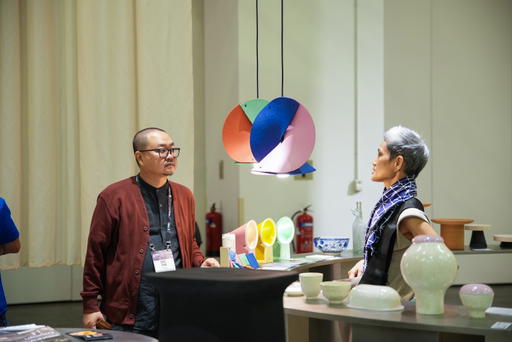
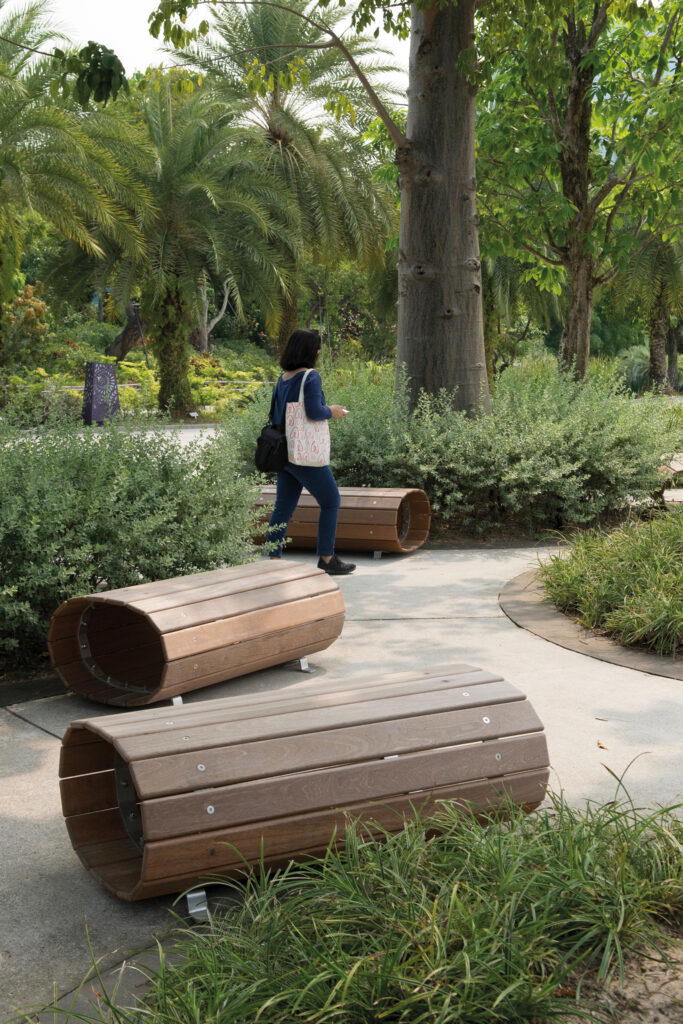
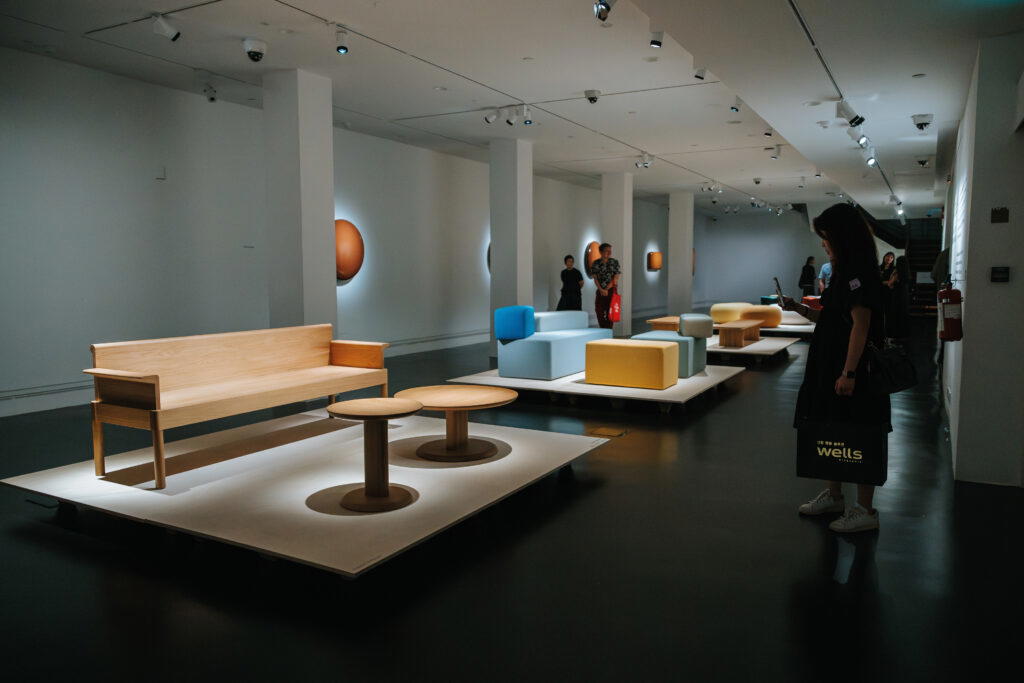
‘Galvanised Lamp’, which was created in collaboration with tinsmith Jimmy Chin, demonstrates Studio Juju’s commitment to local craftsmanship. Additionally, at the 2022 exhibition at the National Design Centre—‘Case Study: Design & Made in Singapore’—the studio also invited local designers Hans Tan, Kim Choy, Nathan Yong, Forest & Whale, and Tiffany Loy to present their work. The showcase featured homeware, including a bent-steel coat stand, pressed glass platters, stools with hand-carved wooden seats, and rectilinear clay vessels.
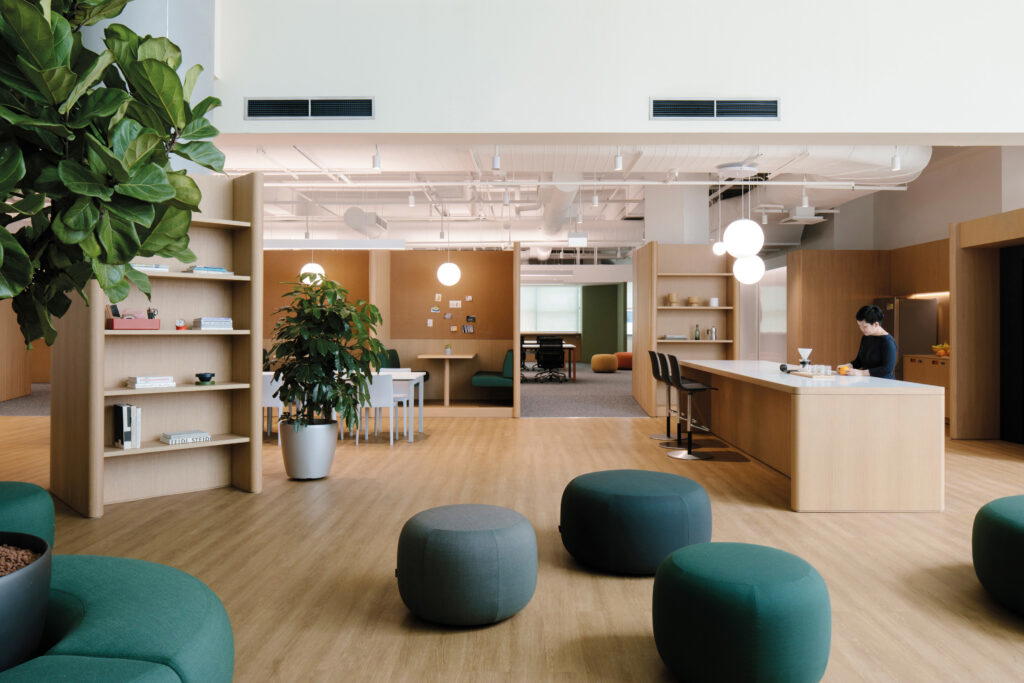
Reflecting its versatility and growing demand, Studio Juju founded a second outfit—O Design Office—last year to focus on interior design. It has since completed projects across residential, workplace, retail, and exhibition spaces.
Singapore Design Week 2024 featured its series of four exhibitions focused on responsible fabrication, waste reduction, and material circularity—’Design’, ‘Heal’, ‘Plant’, and ‘Display’. By distilling designs to their essence, the studio shows its ability to thoughtfully consider every detail.
According to Wong, simplicity, thoughtfulness, and emotional resonance in design are a result of clarity of thought and empathy. “People don’t need more complexity in their lives. Our designs should simplify and ensure every interaction is pleasant.”