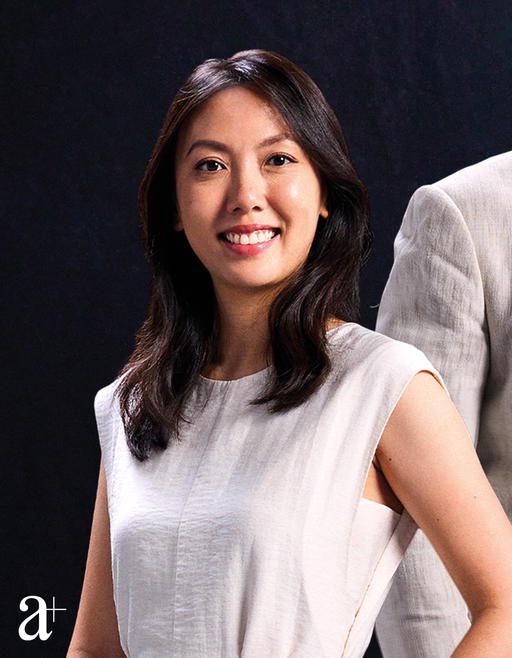
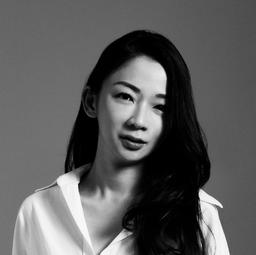
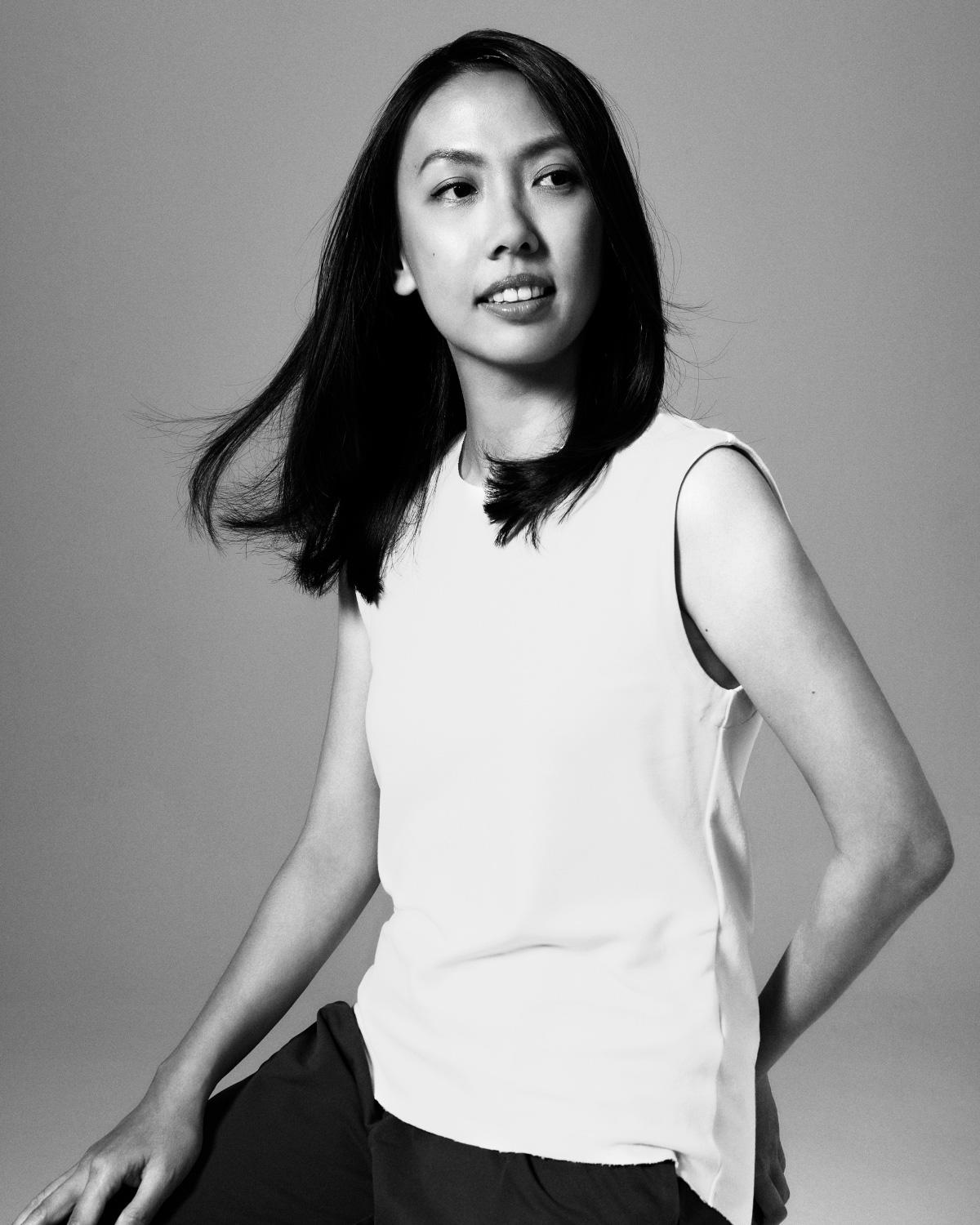
You can call it serendipity. Samantha Soh-Tann was teaching music and movement to neurotypical two- to four-year-olds when she was asked if she could conduct one-to-one lessons for a boy diagnosed with autism spectrum disorder.
“I was young and gung-ho, so I agreed. I began working with special needs children completely by chance,” says the 34-year-old.
A gradual observation of the impact she was helping to create eventually led to a decision to only coach neurodivergent students. So, she flung open the doors to The Radiant Spectrum, and what began as a home studio is now a centre that serves over 140 students with the support of 12 teachers.
While most of the students have been diagnosed with autism spectrum disorder, others have global developmental delay, attention-deficit hyperactivity disorder, cerebral palsy or intellectual disabilities. There are also students who are partially blind.
At the school, the piano is the instrument of choice as it is autism friendly. In terms of colour and size, it is visiually clear, and the keys can be played with just one finger because they are sequential. On the contrary, the violin, flute or saxophone require greater coordination between the hands and the mouth.
To break down concepts with careful precision, the school adapts music theory into non-writing worksheets so that students can learn without the need to speak or write. Soh-Tann emphasises that music classes are as beneficial for those with special needs as they are for the neurotypical: they generally improve memory, sharpen concentration, refine listening skills and increase fine motor dexterity. Moreover, some melodies not only influence cognition and behaviour, but also physical and emotional health.
The principal would go as far as to say that they can enhance a student’s quality of life. “Music is an important tool for communication and expression. Although some of them have gaps in their communication, they show us the songs they want to listen to and learn,” she explains.
Most significantly, The Radiant Spectrum does not just teach music—it also imparts valuable skills that help students stay productive throughout their lives.
“This is important because several students aren’t able to find employment outside, so music becomes a leisure activity for them. Instead of watching TV or using the iPad, they can now do something constructive at home.”
Samantha Soh-Tann on the pivotal role music plays in the lives of children with special needs
Despite the challenges of running a specialised school, in particular hiring the right people, Soh-Tann is committed to staying the course. As it is, she can’t imagine doing anything else.
“If you get to see children with difficulties succeed on a regular basis, and you know that you have made a difference in their lives, you carry these experiences with you for the rest of your life. It’s an amazing feeling that fuels an upwards and uplifting cycle,” she says.
Her hope for our society? That more among us will demonstrate graciousness to the special needs community, particularly when their families go through so much.
“It’s not something they have a handbook for. A little kindness goes a long way. When a special needs child approaches you, just say hello and smile or give him or her a high five! It’s that simple, no further expectations.”
Art director: Chia Wei Choong
Photographer: Mun Kong
Photographer’s assistant: Hizuan Zailani
Videographer: Alicia Chong
Styling: Chia Wei Choong
Makeup: Keith Bryant Lee using Bobbi Browbn
Hair: Christvian Goh using Keune Haircosmetics