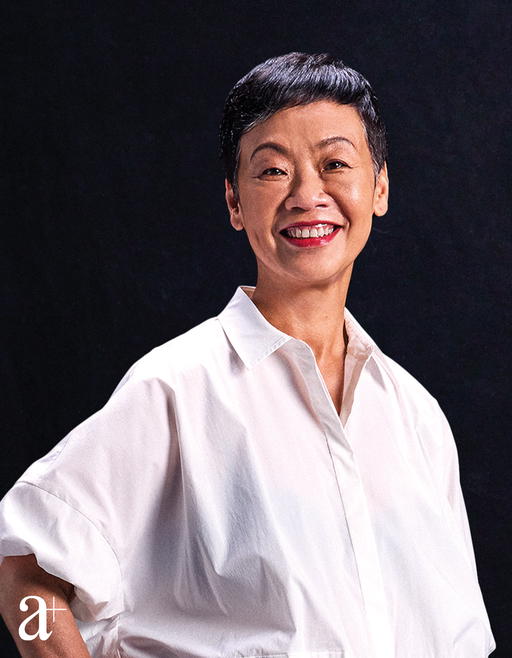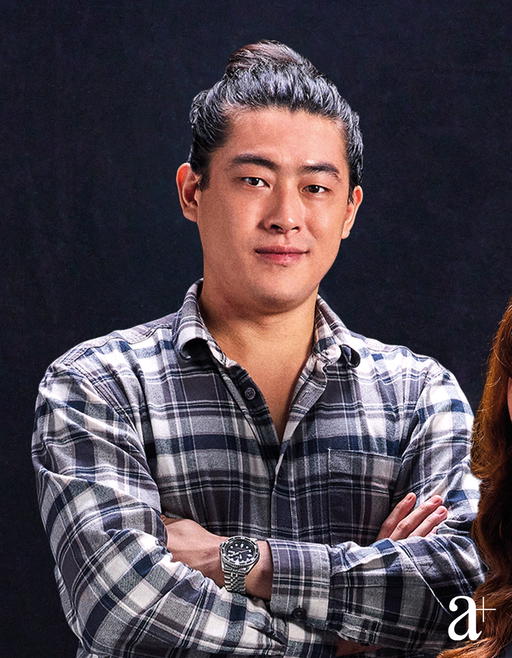

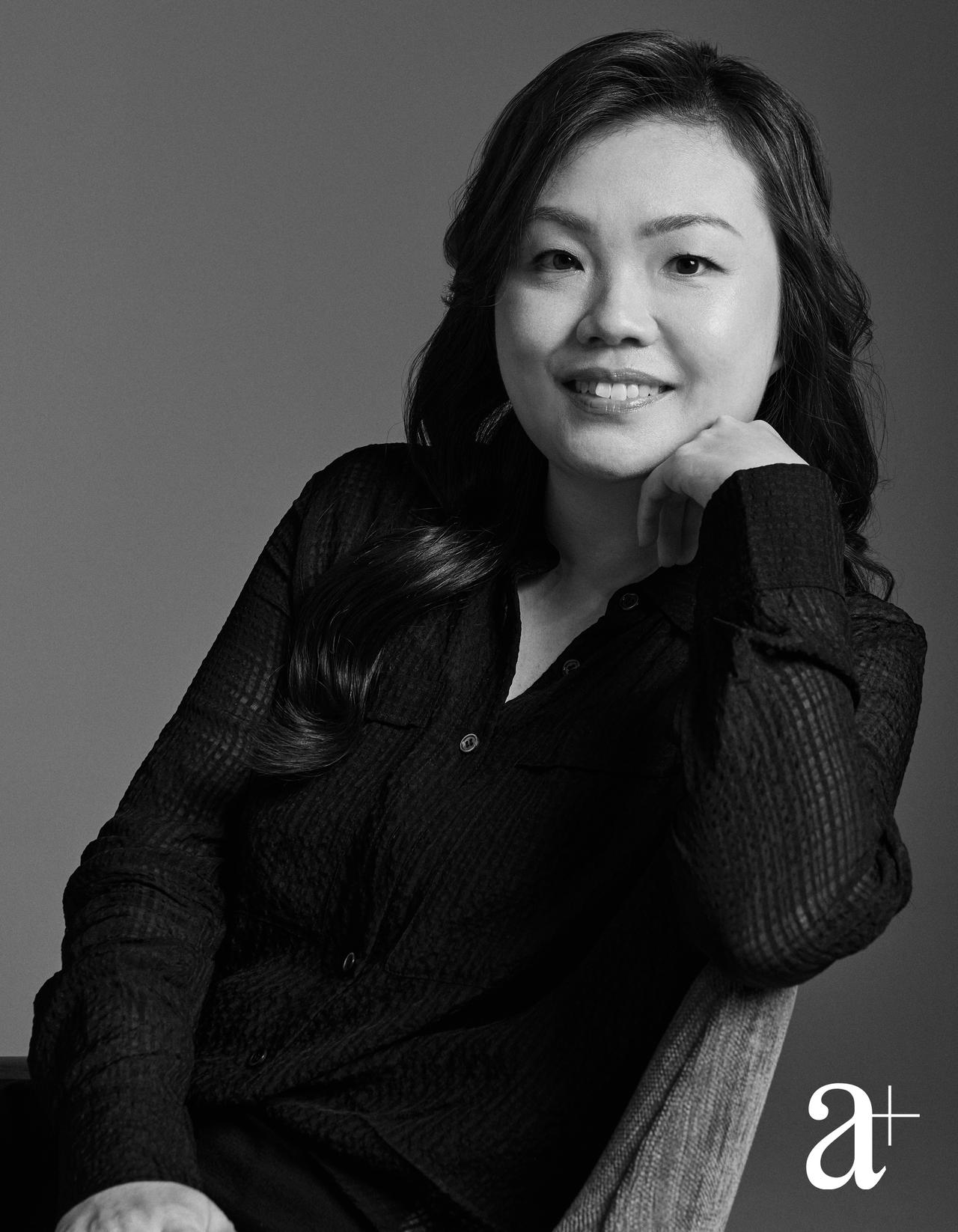
A search for help for her son with apraxia (a motor disorder in which the brain has difficulty communicating with the parts of the body that produce speech, such as the lips, tongue, and jaw) and global developmental delay was what opened Janice Tay’s eyes to a fragmented system of care.
“We had to coordinate speech therapy in one location, occupational therapy in another, and seek educational support elsewhere. Each came with its own waitlist, schedules, and methodologies,” Tay recounts. She also observed little to no communication between professionals and that she often received conflicting advice.
Unable to find an early intervention facility that collaborated with professionals, implemented holistic interventions, and viewed families as partners rather than bystanders—at least according to her standards—she opened Bridging the Gap in 2017.
“I did it not just for my son, but for all of the children and parents who are falling through the cracks,” she explains. She and her husband Max Lee started small, with just their personal savings. Today, they operate two centres with 30 staff, including therapists, educators, and support personnel.
Bridging the Gap supports primary conditions such as autism spectrum disorder (ASD), global developmental delay (GDD), attention-deficit/hyperactivity disorder (ADHD), speech and language delays, sensory processing difficulties, and social communication challenges.
“I did this not just for my son, but for all of the children and parents who are falling through the cracks.”
Janice Tay on what drives her
Unlike supplementary therapy services, it provides a comprehensive daily intervention programme and offers speech therapy, occupational therapy, educational therapy, social skills training, and school readiness training. Designed to intervene during a child’s most critical developmental stages, it works with children between the ages of 18 months and eight years.
As part of Bridging the Gap’s integrated multidisciplinary approach, speech and language therapists, occupational therapists, behavioural specialists, and early intervention educators work hand-in-hand. By personalising plans, aligning goals, and conducting case reviews together, they ensure every child receives coordinated support.
However, fighting a good fight has not been easy. One of Tay’s biggest challenges has been in attracting and retaining qualified professionals as demand in this field vastly exceeds supply. Moreover, the work is emotionally demanding, which can lead to burnout if not supported properly, and is resource-intensive, as it requires ongoing training and small therapist-to-child ratios, all of which are costly.
Another hurdle has been the stigma and lack of awareness surrounding early intervention. “Many parents hesitate to seek help as they fear judgement or misunderstanding. Society still tends to view intervention as a response to something wrong rather than a proactive way to support a child’s development,” Tay says.
She acknowledges that there have been significant improvements in recent years, but support for children with special needs remains inadequate, especially in terms of accessibility, early diagnosis, and sustained intervention.
Despite subsidies, many families face long wait times, limited access to specialised professionals, and financial hardship. “The system is trying, but gaps remain—especially for children who fall outside the eligibility criteria of mainstream or government-funded programmes.”
Furthermore, she hopes for quiet zones in malls, sensory-friendly events for children, staff trained in basic special needs awareness, and clearer signage and accessible pathways in public spaces. She emphasises, however, that society needs a mindset shift in addition to physical changes. “We need to see differences as part of the human experience and not as deficits. When a child has a meltdown in public, for example, we need people offering compassion, not stares.”
Bridging the Gap has plans in the pipeline. A few of Tay’s initiatives include introducing new services like art therapy and music therapy, holding virtual workshops and online parent support programmes, and collaborating with hospitals and paediatricians to build referral networks.
Her goal is to help her students maximise their potential. “I want to create a safe environment where every child, regardless of their developmental challenges, has the opportunity to grow and eventually reintegrate into society with confidence.”
Photography Mun Kong
Art direction Ed Harland
Hair Yue Qi, using Ghd
Makeup Sarah Tan, using Shu Uemura
Photography assistant Alfred Phang