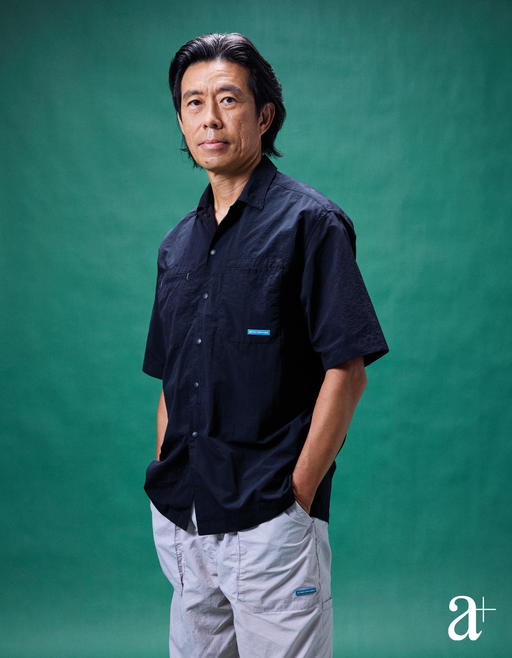


Youths in Singapore not only face adversities like neglect, poverty, and school disengagement, but are also increasingly vulnerable to mental health issues, poor digital wellbeing, social reclusiveness, and misuse of prescribed drugs over the past decade, says Narasimman “Narash” s/o Tivasiha Mani.
It was while working at the Singapore Boys’ Hostel and Community Rehabilitation Centre that he witnessed both the transformative power of institutional support and its rapid decline once a young person exits the system. Wanting to ignite change, he left a stable naval career in 2017 to co-found Impart, a charity that supports youths in adversity.
At Impart, education, mental health, and community services are woven into a social prescription model that surpasses traditional medical and counselling referrals. Essentially, youths are ‘prescribed’ non-clinical interventions like academic mentoring and sports group therapy to meet their emotional, psychological, and developmental needs holistically.
“We recognise that healing and growth don’t just happen in therapy rooms, but also in classrooms, gyms, boxing rings, and everyday relationships.”
Narasimman s/o Tivasiha Mani on non-clinical approaches
To develop a participatory and proximity-based care ecosystem, Impart also runs a pilot traineeship initiative that provides work-study qualifications to youths with lived experiences, as well as a training programme that empowers youth advocates as both volunteers and partners in care.
Some 20 percent of the people it works with usually return to serve as mentors, facilitators, and staff. Advocates who emerge from within the community tend to initiate care that is more relatable, sustainable, and grounded in trust, Narash explains.
Impart has served over 1,500 youths to date, and identifies those in adversity through door-to-door outreach, school and hospital partnerships, social service referrals, and word of mouth. “Many wouldn’t have access to care otherwise. Some don’t know they’re struggling while others don’t know where to turn to.”
Care cannot just be in the form of clinical consultations in communities where formal mental health resources are limited or inaccessible, he avers. “Sometimes, it involves a knock on the door, a conversation over a meal, or a shared walk to the bus stop.”
This is particularly important as his biggest challenge has been in making mental health services accessible to marginalised groups. In his experience, protocols intended to safeguard our youths may unintentionally exclude those who most need care. For instance, minors estranged from their families may be ineligible for institutional services requiring parental consent.
Besides systemic limitations, there is also resistance from key stakeholders when it comes to addressing mental health issues. This is typically manifested by parents in denial, schools that are unsure of how to react, and vulnerable youths who have been conditioned to distrust.
Narash’s other major challenge is in optimising the mental health of his volunteers, who currently number over 200. In addition to burnout, they can also suffer from breakdowns if their unprocessed traumas come to light through the course of their work. For this reason, Impart provides clinical support to volunteers and pro bono therapy whenever necessary.
To Narash, caring for carers is an essential part of doing this work with integrity and sustainability. His biggest takeaway thus far is that consistency matters more than charisma. “Youths don’t remember the person who spoke best. They remember the one who kept showing up,” he makes.
He hopes to shift the larger narrative from “What’s wrong with you?” to “What happened?” in our shared support of youths.
“Every one of them embodies a certain strength. It may be buried under layers of adversity, but when we help them identify the strength, they can begin to live it.”
Photography Mun Kong
Art direction Ed Harland
Hair Yue Qi using GHD
Makeup Sarah Tan using Shu Uemura
Photography assistant Melvin Leong