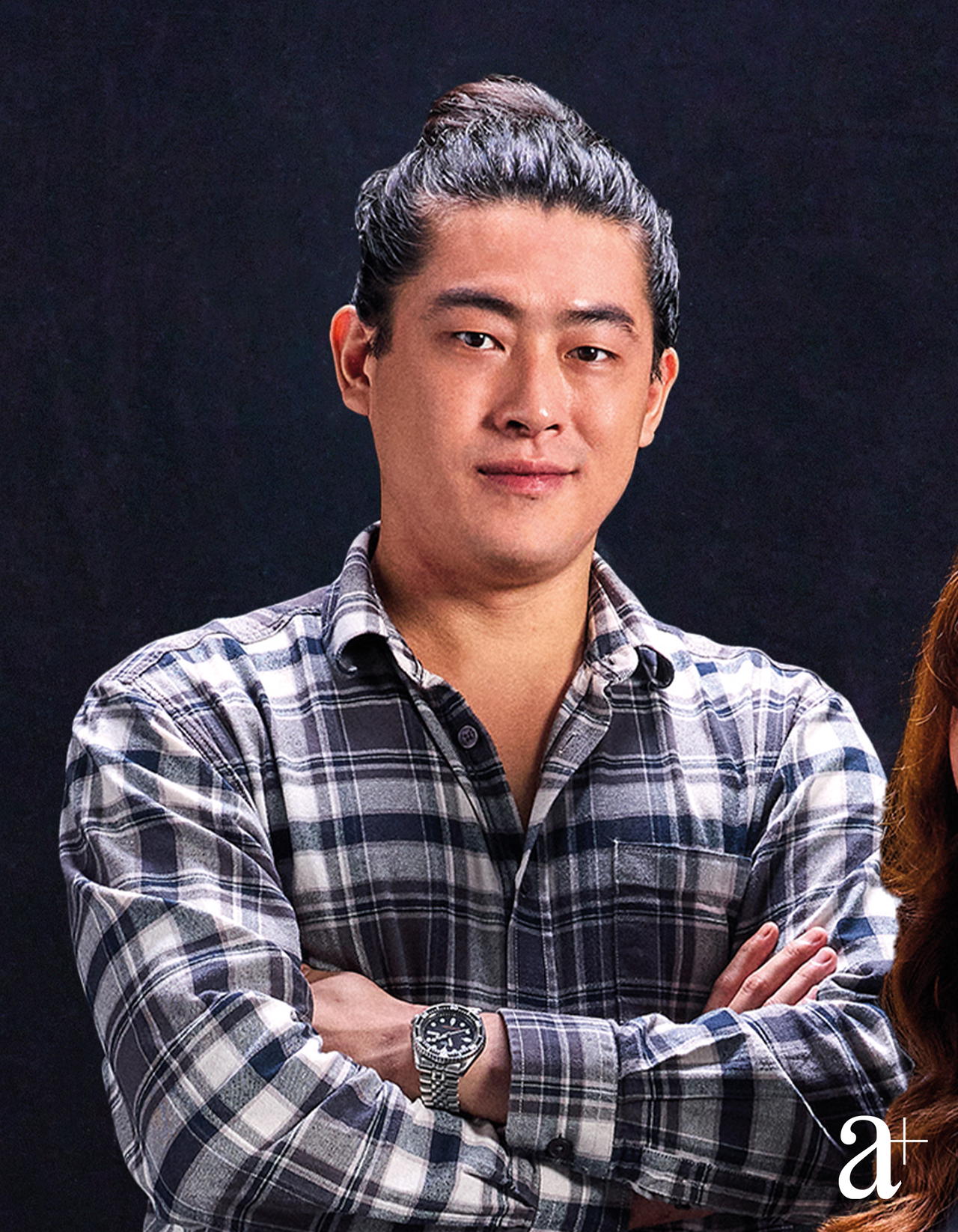
Fogo Fungi has entered a new phase of growth since we last spoke with Ryan Ong in 2024. The homegrown mushroom producer is building Singapore’s largest mushroom farm at Sungei Tengah, expected to be completed by mid-2027. The 1.5-acre climate-controlled facility will cultivate more than 10 varieties of mushrooms using sawdust from locally sourced trees, while supporting the company’s expansion into retail, mushroom supplements, and agritourism.

In what ways has Fogo Fungi challenged your assumptions about entrepreneurship and impact?
Building Fogo Fungi has taught me that entrepreneurship and impact are deeply intertwined. The more sustainable and resilient the business becomes, the more effectively we can create meaningful impact through education, food security, environmental stewardship, and community engagement. I’ve also learnt that meaningful impact requires patience. Instead of overnight breakthroughs, we hope to see changes gradually through consistent efforts.
What kind of Singapore do you want to build, and what are you doing to
shape that future?
It is no secret that Singaporeans love food and our food culture is vibrant. But our connection often stops at the dining table, without considering where it comes from or how it is produced. Because of our land constraints, Singapore is yet to develop a truly iconic national mushroom and farm brand, and I’d love to help change that. Hopefully, our mushroom farm helps people feel more connected to the source of their food and appreciate the journey behind what they eat.
when we spoke in 2024, Fogo Fungi planned to expand from B2B into B2C. What updates have been made since then?
We have partnered with some of Singapore’s top hotels like Hilton Singapore Orchard, as well as restaurants such as Butcher’s Block and Fiz. We have also received incredibly encouraging feedback from chefs about how much their guests enjoy our mushrooms. Making our mushrooms more directly accessible to consumers felt natural. We are now exploring opportunities across online grocers, supermarkets, and other retail channels.
How do you balance commercial realities with your sustainability mission?
I believe a business must first be financially sustainable and work within its available resources. Without a strong and viable business model, even the best sustainability intentions become difficult to sustain over the long term. Commercial discipline allows us to continue investing in and innovating around sustainability initiatives, while sustainability helps us build a stronger, more resilient, and future-ready business.
How do you see Singapore’s relationship with food, farming and sustainability evolving in the years ahead?
I believe Singaporeans will only grow closer to food, farming, and sustainability in the years to come. In a world increasingly filled with ultra-processed foods and endless choices, consumers are becoming more intentional about what they put into their bodies. They’re asking more questions about where their food comes from, who grows it, and what impact its production has on the environment.
As a result, I think we’ll see stronger connections between consumers and producers, greater appreciation for local farming, and more transparency across our food systems. Sustainability will become an increasingly important part of everyday purchasing decisions and, over time, a natural part of everyday life rather than a niche concern.
Photography Mun Kong
Art direction Ed Harland
Hair Sarah Tan, using Goldwell
Grooming Keith Bryant Lee, using Laura Mercier
Photography assistant Hizaun Zailani