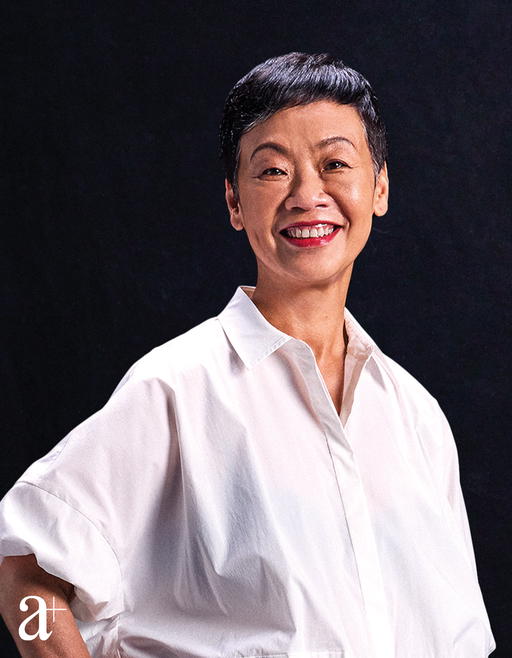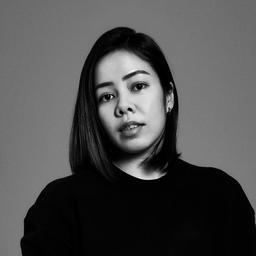
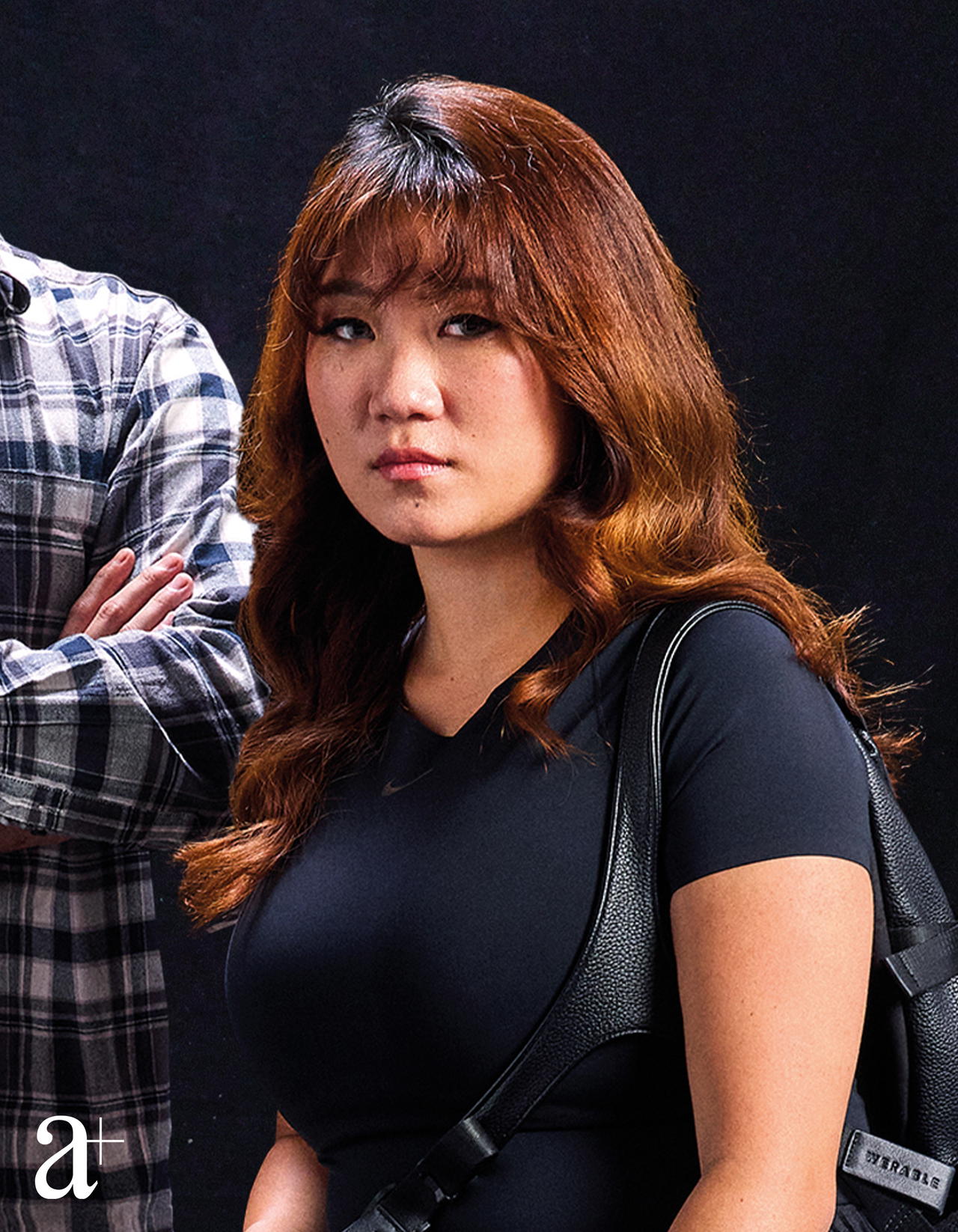
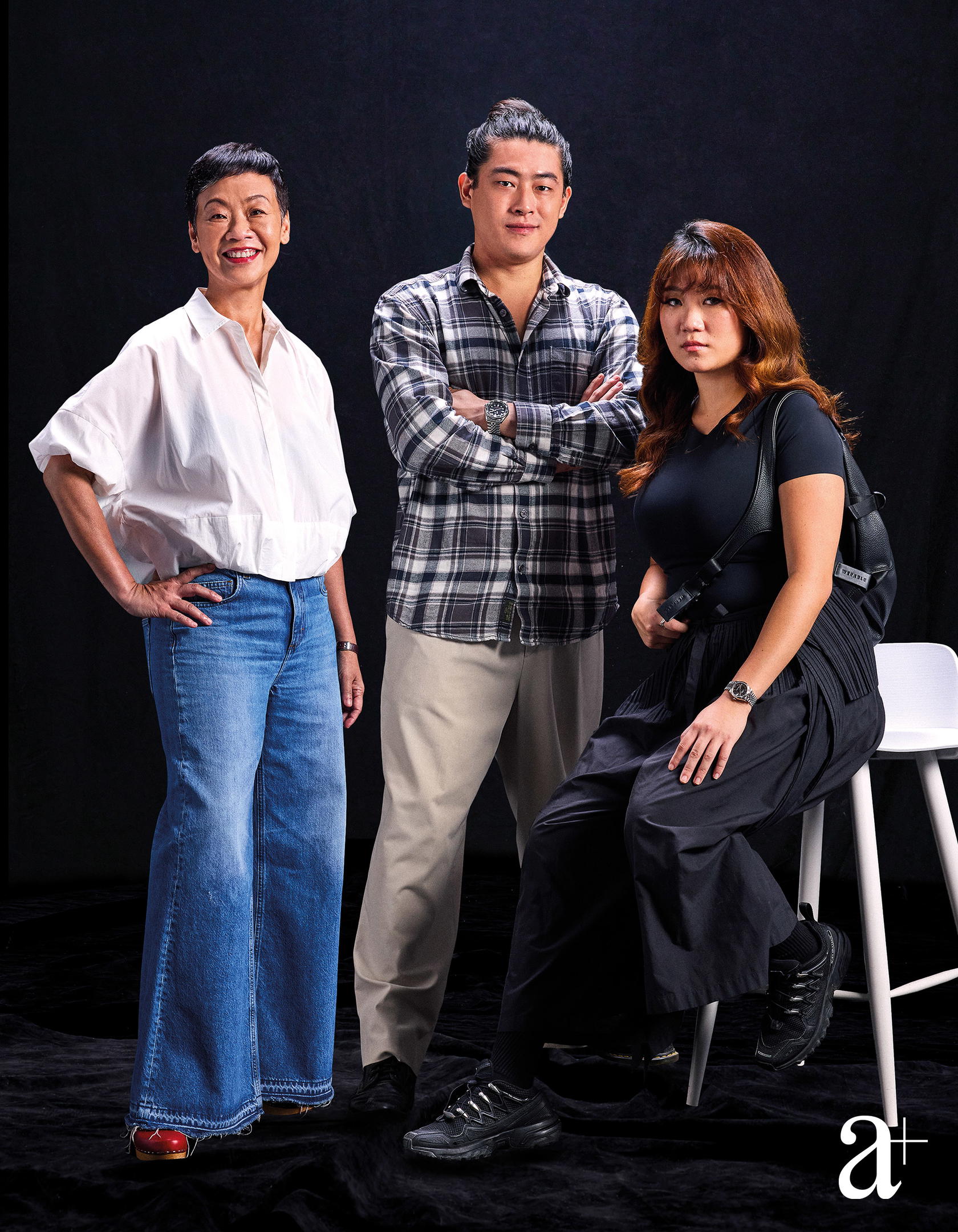
In the two years since a+ first profiled Claudia Poh, Werable has evolved from a purpose-driven startup into a design studio redefining how fashion responds to the realities of everyday movement.
As a result of its success, the brand has been showcased at Milan Design Week, appeared in The New York Times, expanded internationally, and reframed its philosophy from adaptive design to what Poh calls “body-led design”.
Amid all this, she has kept her vision firmly fixed on creating products based on lived experiences and sincerity.
How has your understanding of accessibility and inclusion evolved?
When I trace back to why I started Werable, I am reminded of one belief: my creations should be sincere. That throughline remains the same. What’s changed is how I view inclusion itself. Every product has an emotional and physical impact on its users. Design ethics for me is about inclusion. It’s less about whether you experience disability and more about whether you value your movement and autonomy.
What has shaped Werable’s growth over the years as a result of the people you design for?
Werable has become more honest. The people I design for have pushed my work into places I would never have gone alone and shown me that the most important problems are often the ones nobody pays attention to until we need those solutions. By then, it’s usually too late.
How do you envision adaptive design changing Singaporeans’ lives in the next five years?
Adaptive design alone won’t change the everyday lives of Singaporeans, and that’s okay. My hope is that the way we shop will change. It would be great if we stopped treating purchases as acts of charity. “Support local” and “support persons with disabilities” are phrases I hear often, and I understand the intention behind them.
The best thing anyone can do for Werable, or any business trying to solve real problems, is not to open their wallet out of solidarity. Be honest about what they need and invest in solving that problem.
How do you measure impact today, compared with when you first started your journey?
I’m not a non-profit. “Measuring impact” is something I hear about frequently, but over time I’ve found that it’s not a KPI I care for or rely on as a form of validation. What I do find value in, however, is a feedback loop. Curiosity about the work we do is a good sign. Even better if people write in to complain that our shipping is expensive, or ask whether we could issue invoices for NDIS claims. (NDIS, the National Disability Insurance Scheme, is an Australian government programme that funds disability-related support and equipment.) When someone asks me that, it gives me a tangible way forward in building ecosystems that matter.
You shared with us previously, “I dream of a future where fashion is kinder and more inclusive, where it allows everyone to fully partake of experiences they value the most, holistically and authentically.” How do you think we can get to this future?
Good communication and trust. Don’t get me wrong—I’m not saying trust everybody. Find people who care in the same way you do, and don’t take that for granted. That kind of psychological safety opens up our ability to listen and understand. We need that if we’re going to start solving the right problems. Design can be a useful tool, but it’s not enough, especially when the knowledge or good functional designs already exist out there in the world, and we’re simply blind to them.
Photography Mun Kong
Art direction Ed Harland
Hair Sarah Tan, using Goldwell
Makeup Keith Bryant Lee, using Laura Mercier
Photography assistant Hizaun Zailani