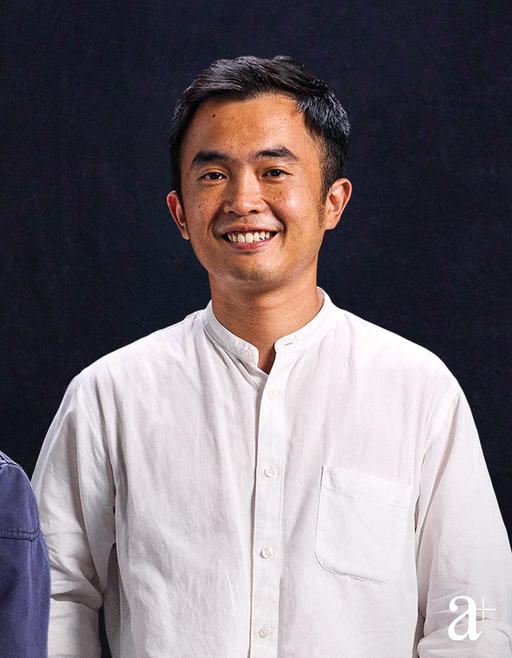


Gourmet mushrooms have short shelf lives. As such, there is often a lack of quality, freshness, and variety in the region even though they are excellent sources of food and medicine. “Not many people realise that importing food can take weeks to months from the time they are harvested until they appear on our supermarket shelves,” says Ryan Ong. “Some apples in our supermarkets are over a year old.”
Eager to change the game, the 28-year-old decided to try his hand at growing them. As part of his research, he volunteered at a local vegetable farm for three months and worked at an insect farming startup dedicated to valorising food waste for a year.
His maiden attempt was through a grow kit he received as a gift. Then, he took to experimenting with propagating exotic varieties that are hard to find here, choosing the types to farm based on flavours popular in Singapore, the US, and Europe. These include pink oyster mushrooms, which Ong says taste like bacon, as well as lion’s mane mushrooms, said to have a lobster-like taste and texture.
Last year, he launched gourmet mushroom farm Fogo Fungi with Felix-Constantin Dorner from the confines of his three-bedroom apartment. Every inch of space, from the top of his microwave and the Maggi noodle storage space in the kitchen cabinets to the bathroom, was utilised to incubate the products.
Ong says their proprietary technologies—a substrate recipe and a modularly designed controlled environment system—allow their mushrooms to have better colours, textures, and flavours. Their mushrooms also grow three to five times faster with two to three times greater yields.
But the duo didn’t have to deal with the inconveniences of a home-based farm for long. Bootstrapping $200,000 from friends and family, in addition to government grants and startup competition funding, allowed them to shift into a pilot facility measuring 4,000sqft in Tuas earlier this year.
That said, they’ve had to make their fair share of sacrifices to get here. Operating as a lean team meant they had to do everything themselves. Keeping the business afloat meant they didn’t draw salaries.
Fogo Fungi’s operations are environmentally sustainable. They require very little land and resources and use automatic humidification systems to provide the mushrooms with the exact amount of water and moisture they need. They also upcycle food waste and industrial waste like sawdust by growing mushrooms from them.
“In nature, there is no such thing as waste. The role of fungi is to break down waste and enrich other ecosystems.”
Ryan Ong on natural productive utility
While the company currently imports most of the waste materials, it is working to use waste materials like coffee or soybean waste from local manufacturers.
Convincing people he is the right guy for the job, he lets on, has been his biggest hurdle so far. However, he reckons perseverance and networking have allowed him to earn his stripes.
Although Fogo Fungi currently adopts a B2B model and serves hotels and restaurants, there are plans to dive into B2C channels, such as online platforms and supermarkets. Time to start bookmarking some mushroom recipes.
Art director: Ed Harland
Videographer: Alicia Chong
Camera assistant: Yvonne Isabelle Ling
Photographer: Zaphs Zhang
Photographer’s assistant: Jaron Tay
Hair: Michael Chiew
Makeup: Sarah Tan
Location: PARKROYAL COLLECTION Marina Bay, Singapore