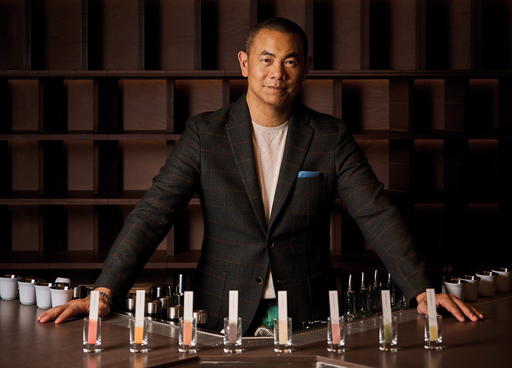

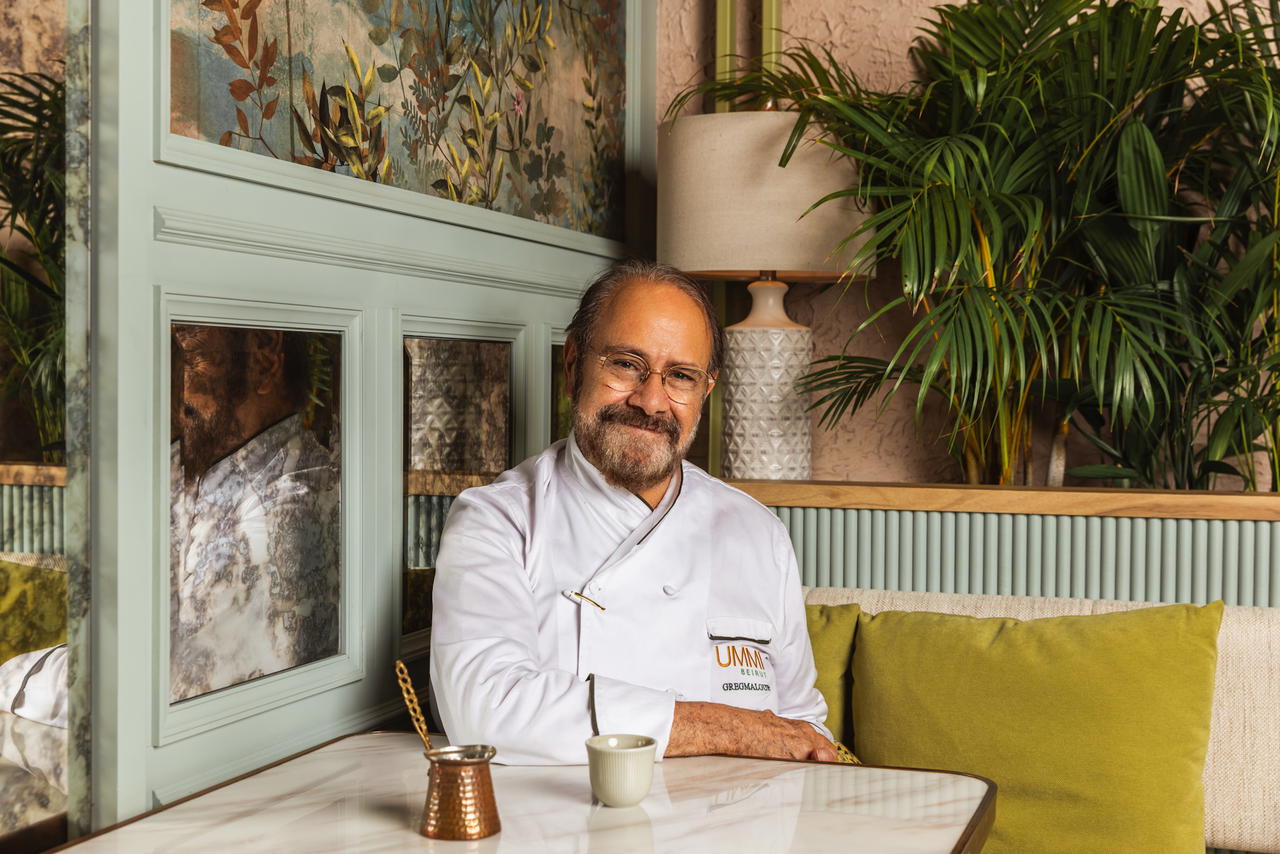
In the short 15-minute chat that I had with Greg Malouf; tabbouleh was mentioned at least five times. The chef’s love for the fresh Lebanese salad was infectious. Made of shredded parsley, mint, tomato, cracked wheat, spring onion, and a brightly flavoured lemon dressing, the dish is what he considers “a staple”.
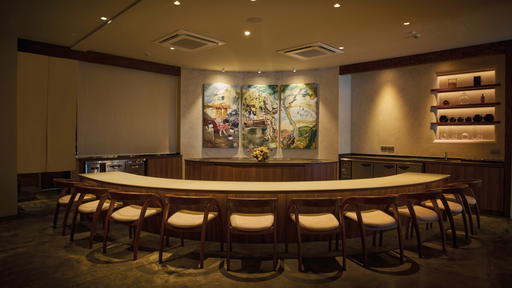
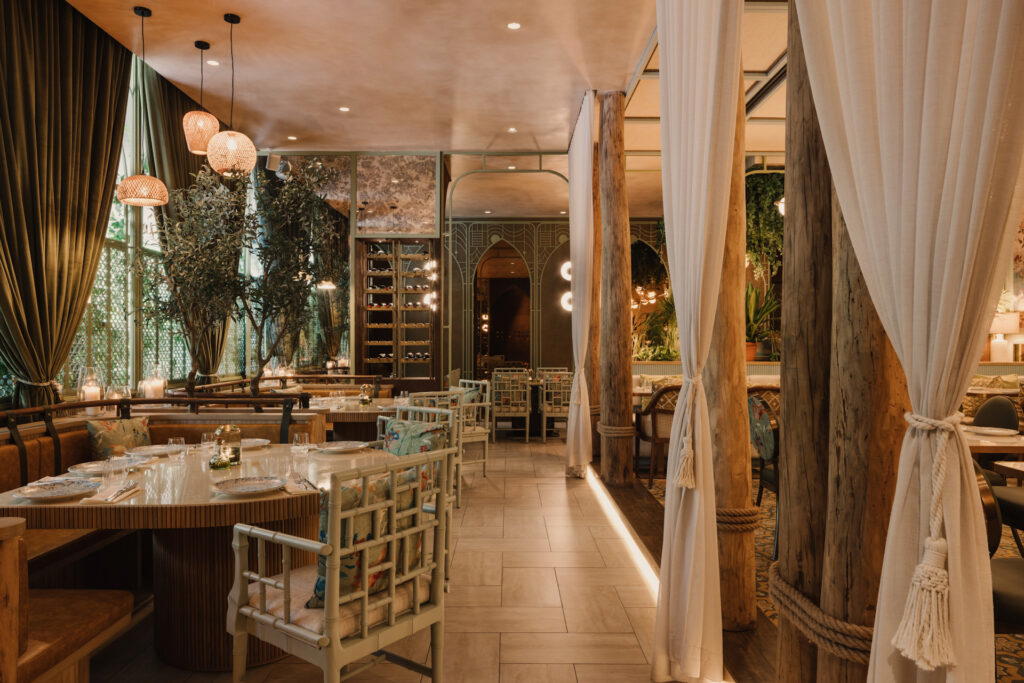
The Australian chef of Lebanese descent was in Singapore for the week, to celebrate the launch of a new menu at Ummi Beirut. Located in Robertson Quay, the restaurant pays homage to the outdoor cafes and courtyards typically seen in the Lebanese capital. Rattan furniture, elegant arches, and mosaics add a touch of glamour, while custom wallpaper featuring motifs of the Beirut rose symbolise the tenacity of the city.
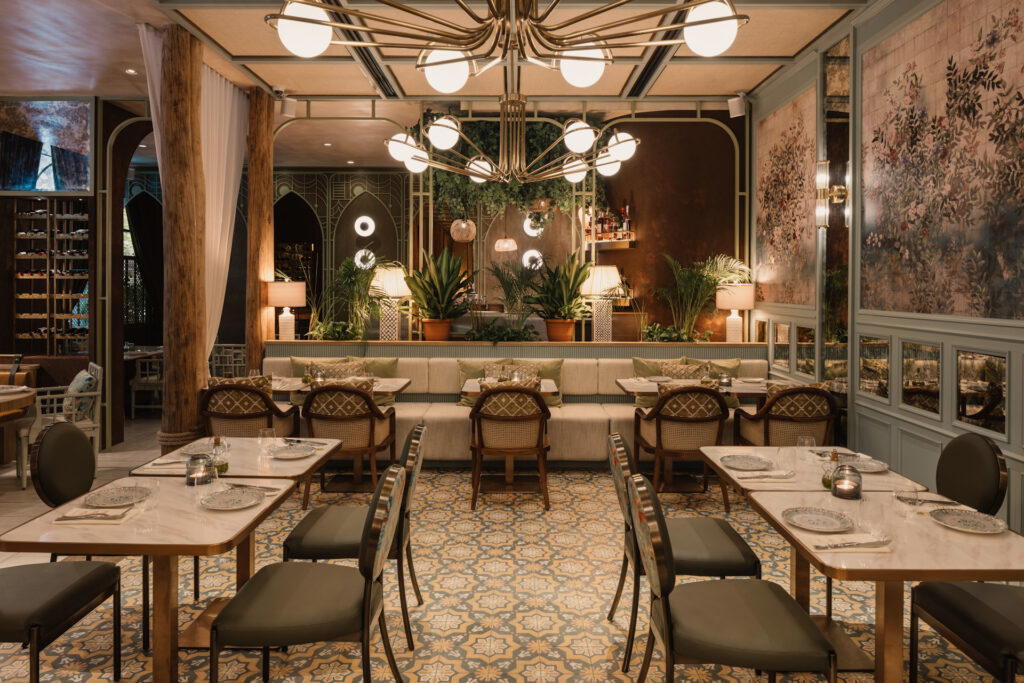
Ummi stands for “my mother” in Arabic and is an ode to the central role of the matriarch in Lebanese families. “Many Lebanese people grew up seeing the mamas in their lives—mothers, grandmothers, aunts—preparing food in the kitchens and all the way to the backyard on special occasions,” says Sara, the Lebanese-born co-founder of Ummi Beirut who has been living in the Lion City for six years.
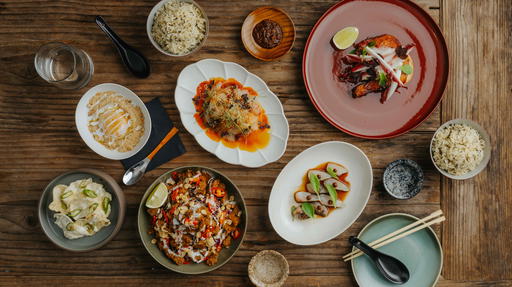
The desire to draw people around the table is expressed in the dishes, which are designed for communal dining. Among the small dishes, Malouf’s mezza to share stands out with its platter of minted yogurt cheese, dried wild thyme, olive oil and hazelnuts, house-made shankleesh cheese, and marinated kalamata olives with chili. Generously sliced cucumbers and bread sticks made wonderful vessels for these appetising dips.
Likewise, the silky hummus with French lentil dressing is a treat thanks to its mousse-like consistency. It is best paired with crispy feta bread, which has a puffed interior and lightly charred surface. The bread “pocket” can be stuffed with the hazelnut falafel to create a crisp and hearty sandwich.
While Middle Eastern cuisine is often grouped together as an entity because of common ingredients like olive, dates, sumac, mint, and chickpeas, each country has its unique nuances. Malouf explains that Lebanese food is more than just hummus, tabbouleh, and skewered grill. “Lebanese cuisine is very refreshing with herbs like coriander, parsley, and mint. It is also explosive in terms of flavour thanks to the use of lemon and yoghurt,” he says. The acidity and sourness of the dishes sets Lebanese food aside from other Middle Eastern cuisine. Plus, there’s less heat and chili compared to other parts of the Arab world.
Lebanon’s fertile land means that the country enjoys four seasons, unusual in the Middle East. The historic influence of the Ottoman empire and the Persian empire has also given Lebanese food much cultural impact. Malouf acknowledges that because of this, Lebanese food remains largely traditional, with little progression.
As such, he hopes that Ummi Beirut can offer a contemporary take on his native cuisine. The saayadiya, a traditional Middle Eastern dish of fish and rice is a great example of this. Instead of basmati, risotto rice is cooked in warm spices and caramelised onion, before being topped with farmed sea bass and crisp onions. Malouf also put a modern spin on shish tawouk, a popular chicken kebab dish. His rendition features fork-tender marinated chicken wrapped in wafer bread, along with yoghurt, chili, cinnamon, and cardamom.
Another highlight is the eggplant fatteh. Inside a deep bowl, fried eggplant, chickpeas, yogurt, Arabic bread, and nuts are layered and topped with pomegranate for a hint of tang. It bowled me over with its simplicity and depth of flavour.
The desserts didn’t make much of an impression, although the kunefe with apricots is worth a try for those unfamiliar with Lebanese sweets.
The restaurant is Malouf’s love letter to his culture. He says: “Ummi Beirut is a tribute to the old world interwoven with new dreams. We invite diners to be a little less bound by tradition, and to realise that you can modernise elements of your culture without destroying its authenticity.”
Ummi Beirut, Intercontinental Robertson Quay, 1 Nanson Rd, Singapore 238909