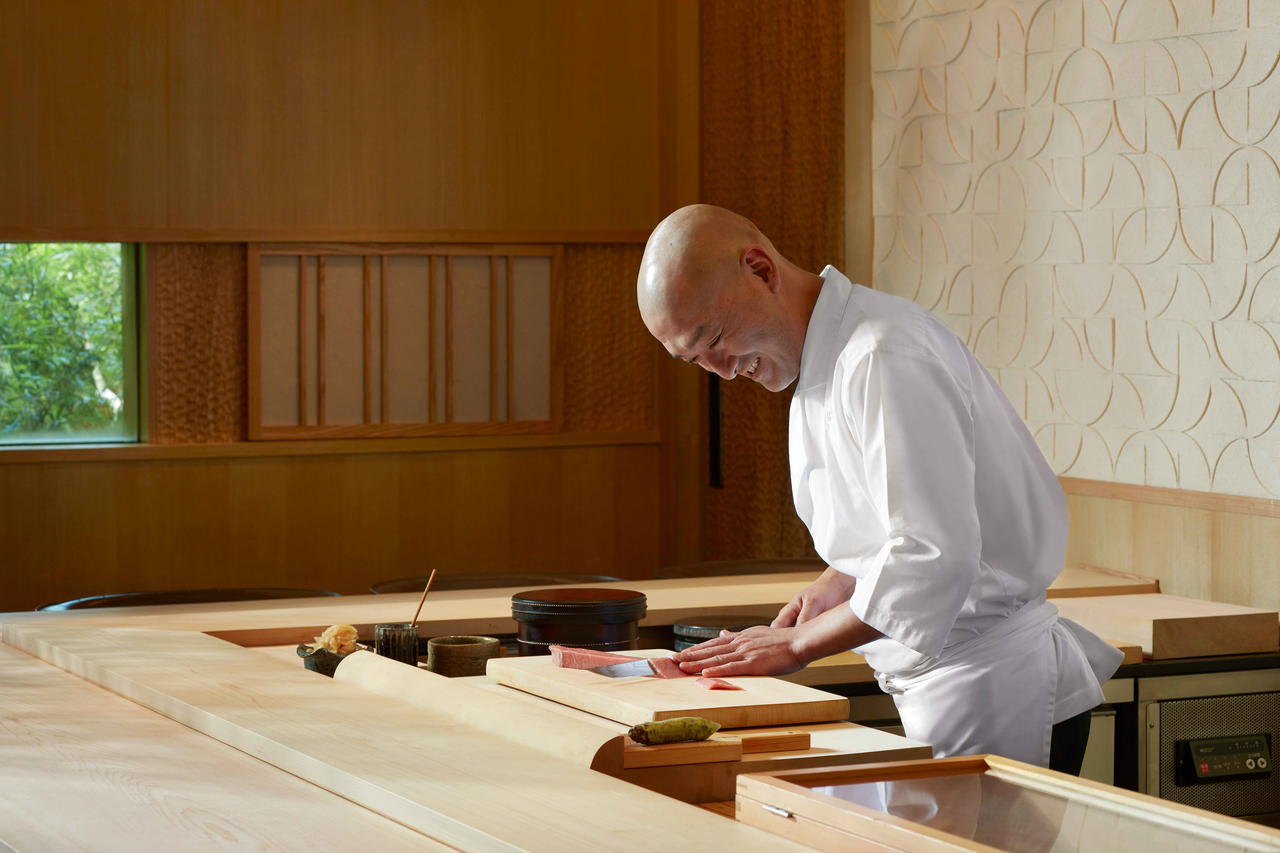
Omakase restaurants in Singapore are having a tough time, I’ve been told several times by friends in the know. Months-long waiting lists have whittled down to hours. Some less popular places even have empty seats available if you walk in on a whim just before dinner. Only the best can survive. So, I know that Sushi Sato will walk through this tempestuous climate unscathed.
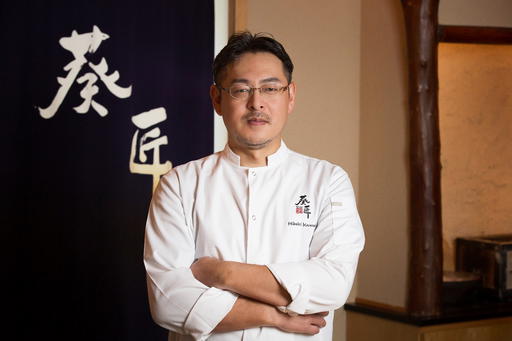
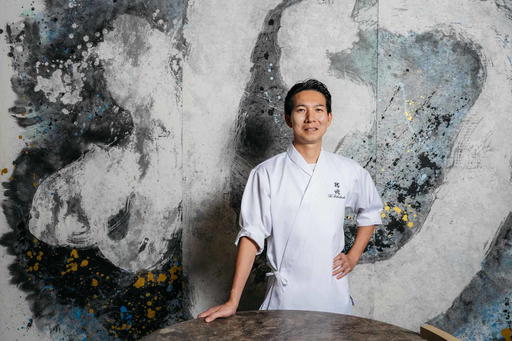
Turning two years old this year, Sushi Sato has gathered several die-hard fans, thanks to Yuji Sato’s cooking philosophy and warm demeanour. I’ve always believed that the best omakase restaurants are those where you feel a connection with the chef. In between our courses in its new Summer menu, Sato casually asks about the best places we’ve eaten at in Singapore and tells us about a large snake that was slithering around the miniature Zen garden outside the restaurant.
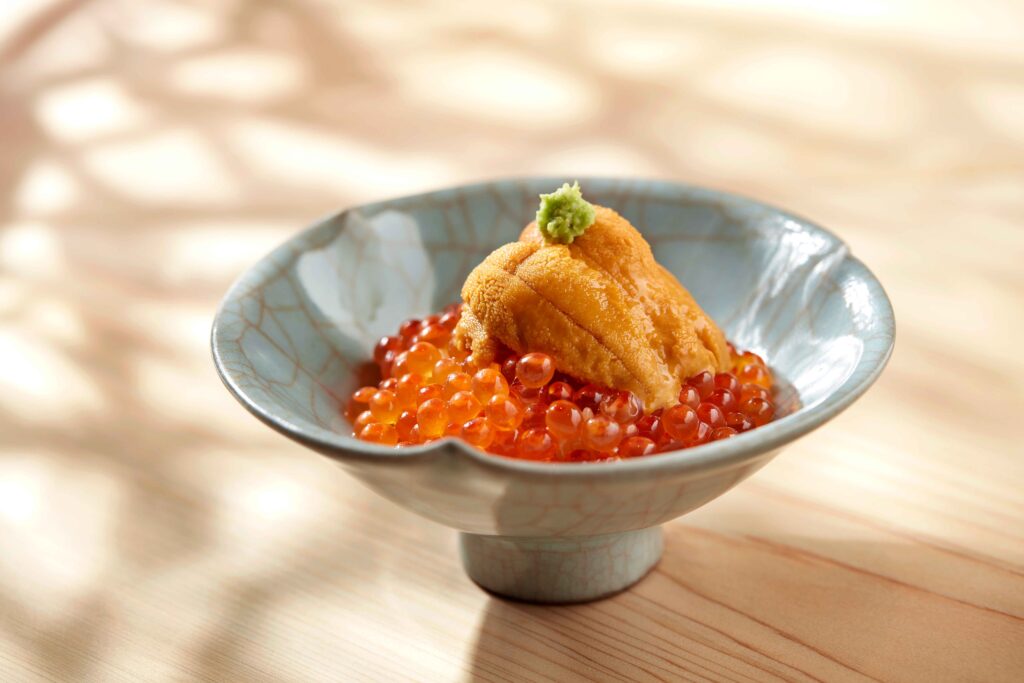
Unlike many others I’ve been to, Sato doesn’t believe in frills, just simplicity in presentation and perfection in temperature. Every nigiri sushi served was sliced beautifully and meant to be eaten immediately. Sato’s shari is light on the palate and hides in the background, letting the core ingredient shine. His public relations team tells me that Sato’s shari comprises “three distinct Japanese red vinegars”. His Tsuyahime, which directly translates to glossy princess in Japanese, rice from the Yamagata Prefecture is loosely pressed and has a couple of grains dangling for dear life when you pick it up. But none ever falls off the sushi. It’s one of the few places that uses this variant. Most omakase restaurants use Koshihikari rice. In my opinion, both are equally delicious.
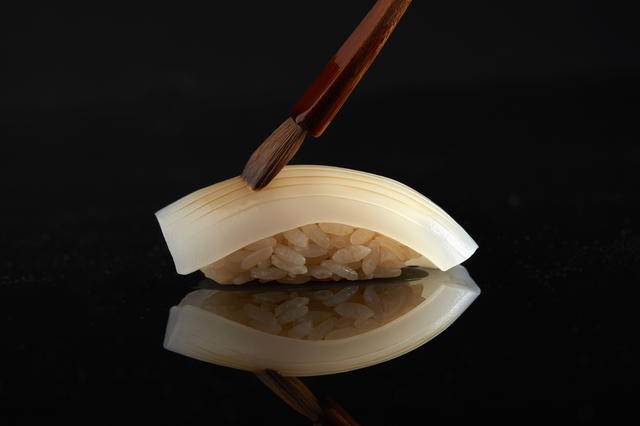
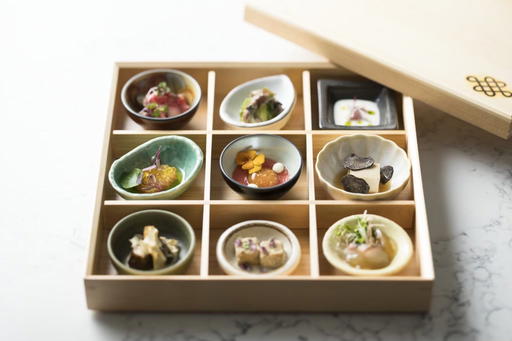
Golden cuttlefish. 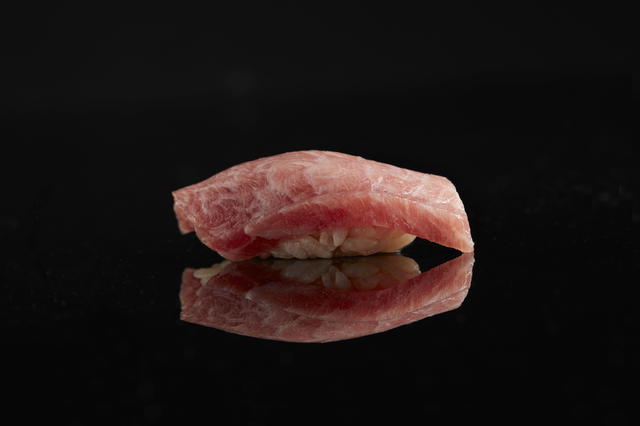
Shimofuri otoro, cut from the underbelly of the bluefin tuna. 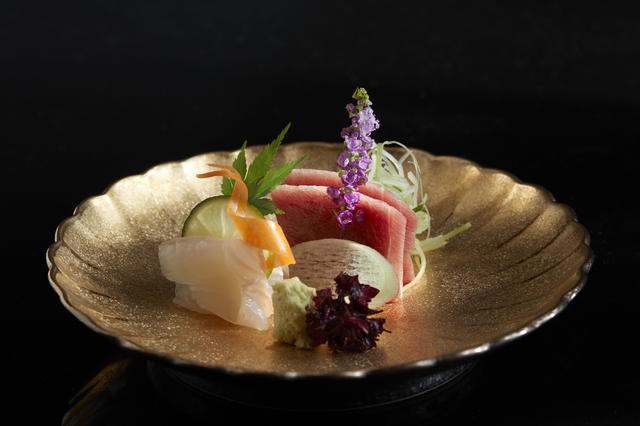
Seasonal sashimi.
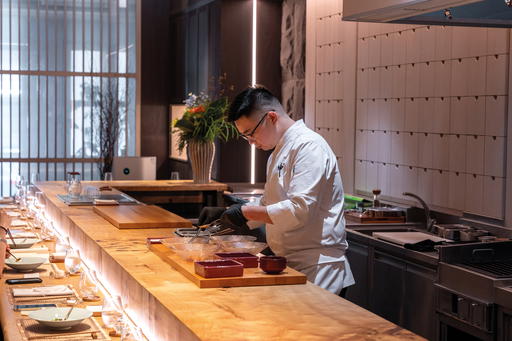
Sato also has a unique presentation. A large wooden box sits on the 200-year-old hinoki wood counter when I sit down. Inside, several varieties of fish sit patiently, waiting to be sliced by Sato. He only removes them from their resting place when it’s time to be eaten, in accordance with his “hot is hot, and cold is cold” approach. The idea is simple. Every dish at the correct time, never a second too soon, or too late, so that the diner can appreciate the fish’s nuance. It’s beautiful and separates chef Sato from many others out there.
If you haven’t been to Sushi Sato, I highly recommend it. Just be careful of the snakes. Also, one of my omakase pro tips, go for lunch. It’s cheaper, but you enjoy the same ingredients, bar a couple of hot dishes (usually).