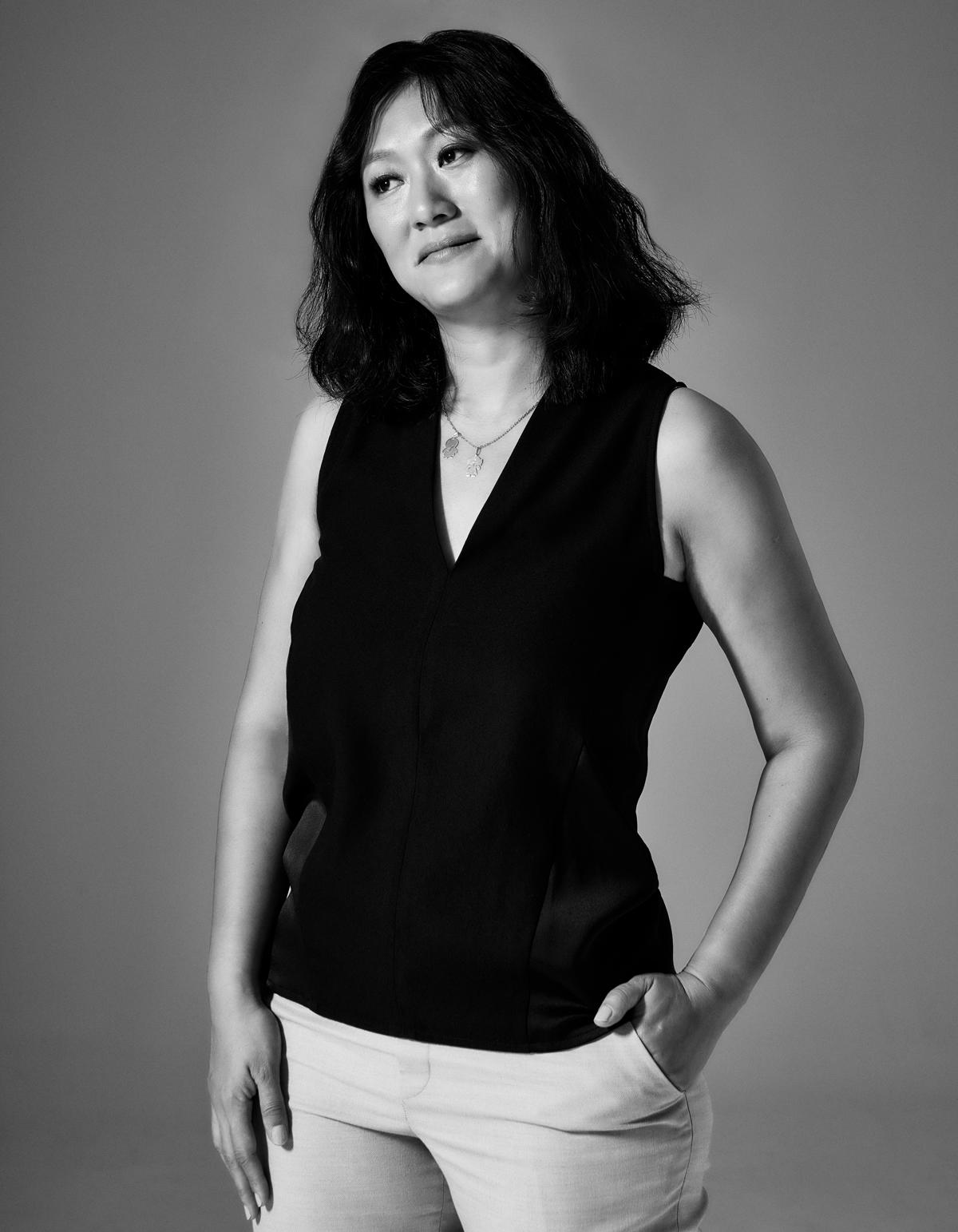
Leviathan carbon capture sites with the capacity to hoover up millions of tonnes of carbon dioxide annually are among the futuristic climate solutions investors and oil majors alike are jostling to pump their funds into. Impact investor Patti Chu regards this trend with circumspection.
“Part of me is sceptical that the challenges we see today are anthropogenic. As a species, we want the easy way out — either through technology or hoping others will solve them. The reality is that it requires behavioural change.”
While green finance levers may currently be skewed in favour of high-tech renewables and carbon sequestration markets, Silverstrand Capital — where Chu works — goes against the grain by focusing on restoring and conserving natural ecosystems and biodiversity via nature-based solutions. A Singapore-based Hong Kong investor with a background in agricultural commodities trading established the single-family office.
In its portfolio is a 5,000-ha farm in Australia slated to transition from conventional to regenerative practices. They’re hardly rudderless endeavours. Recent findings discovered that food systems generate 34 percent of all manmade greenhouse gas emissions.
“By regenerative agriculture, we mean less use of pesticides, chemicals and fertilisers, less tilling, more cover crops are planted, and more diversity in crops rather than monoculture.
“The rationale is that we can improve soil health, reduce emissions, support more wildlife and improve communities through a fairer and more inclusive model of farming,” Chu shares.
There is “no silver bullet” to fix the climate crisis, according to the Argentinian, adding “nature has many intelligent ways of resolving the issue.” Her career path reflects a similarly multidisciplinary bent, with appointments at Asian Venture Philanthropy Network, Siemens Wind Power, and Citibank. As part of her latter role, she architected the bank’s corporate social responsibility strategy.
Like many industry counterparts, she’s motivated by noblesse oblige. “My family moved from China to Argentina in the 1940s, so I’ve always been aware of how lucky we are and assumed I would give back to society at some point,” she shares. “Working in New York during 9/11 made me realise that life is short, and you can’t wait years to do something.”
A decade ago, Chu moved to Singapore with her Danish husband who was posted to the country. The 43-year-old started her own impact investment and advisory firm, Mana Impact Partners, as “a one-stop shop to support family offices, foundations and organisations that want to start their impact investment journey.”
Despite a groundswell of interest in green investment triggered by Covid-19, there is a yawning chasm in climate finance. A new World Economic Forum report urges the closure of a $4.1 trillion financing gap in nature-based solutions. Moneyed states haven’t even touched the sides of a pledge to channel $100 million annually to fewer wealthy nations by 2020.
Chu opines that the way forward is by demonstrating that the sector can provide financial, ecological and social returns. Silverstrand aims to validate the cause through the farm. It plans to bake crop rotation and reforestation programmes into its operations and reintroduce threatened native species to the landscape. Its investment runway may be longer than tech-led ventures, but Chu says impact takes precedence over profit.
“What we have in assets is a drop in the ocean, so we need to mobilise other family offices and investors. Only then will we be able to push systems change. You can preach about it, but most people are only convinced when you showcase.”
Videography: Belle Chew
Photography: Mun Kong
Producer: Cara Yap
Styling: Chia Wei Choong
Hair & Makeup: Rick Yang/Artistry, assisted by Alycia Tan, using Shiseido and Keune