
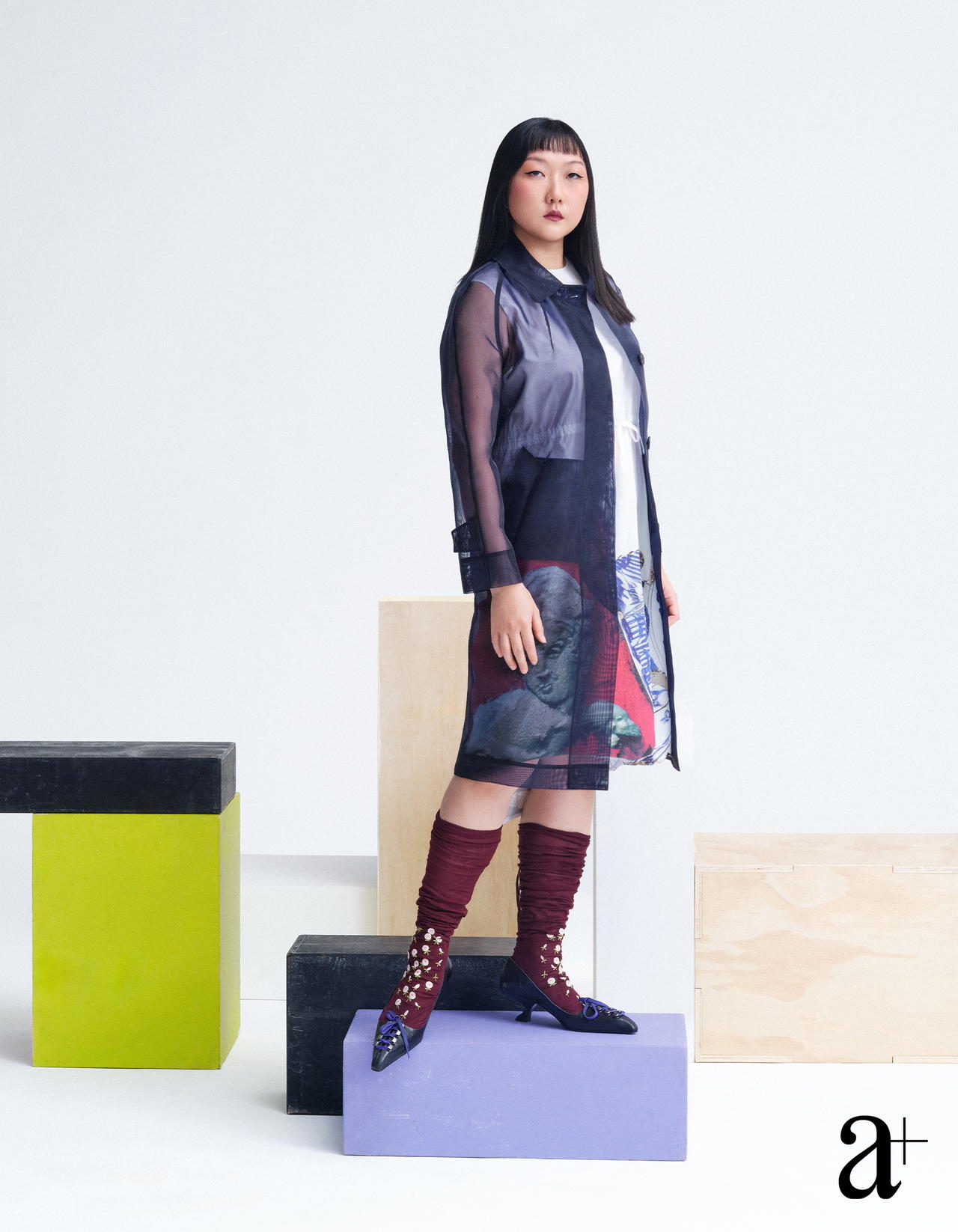
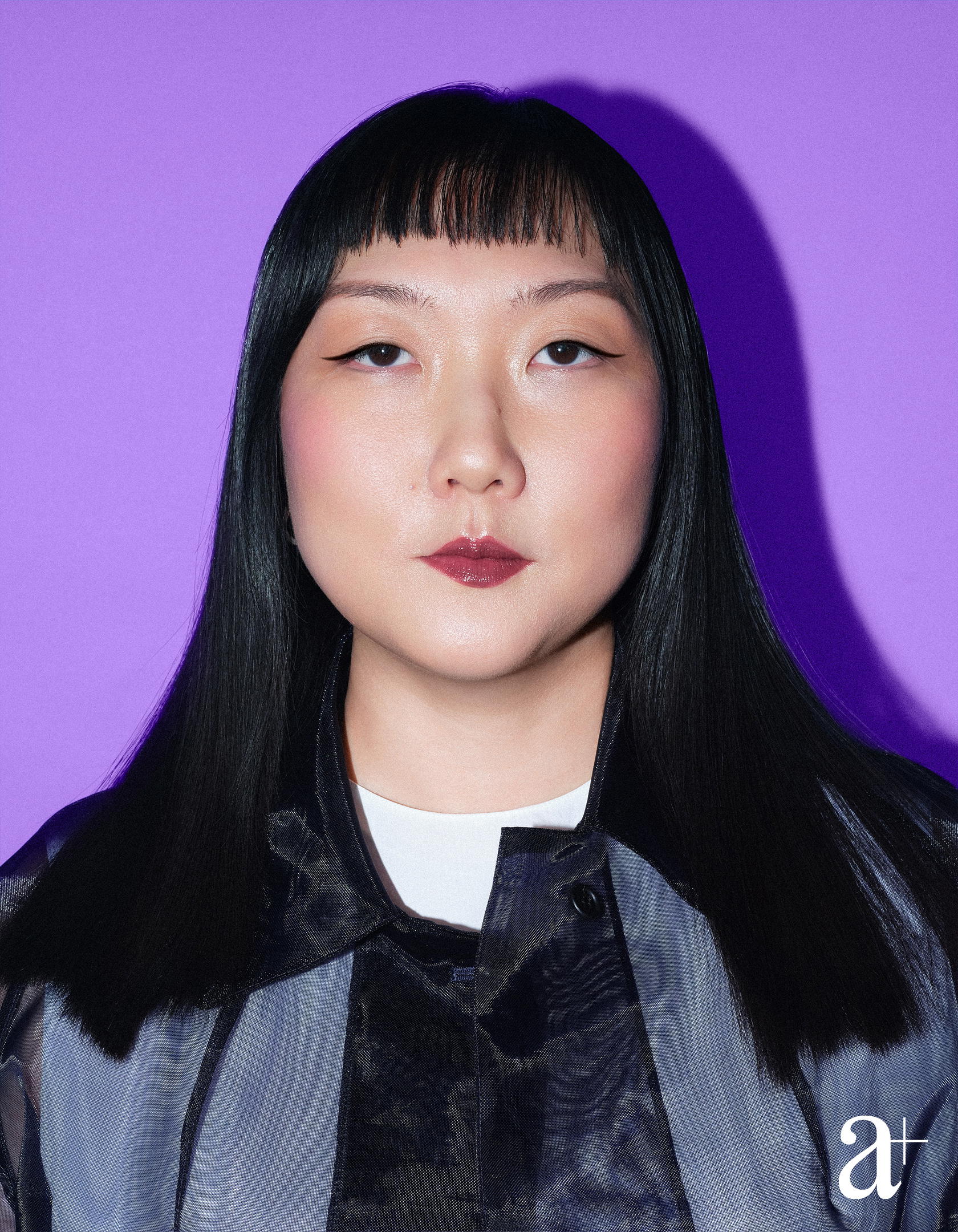
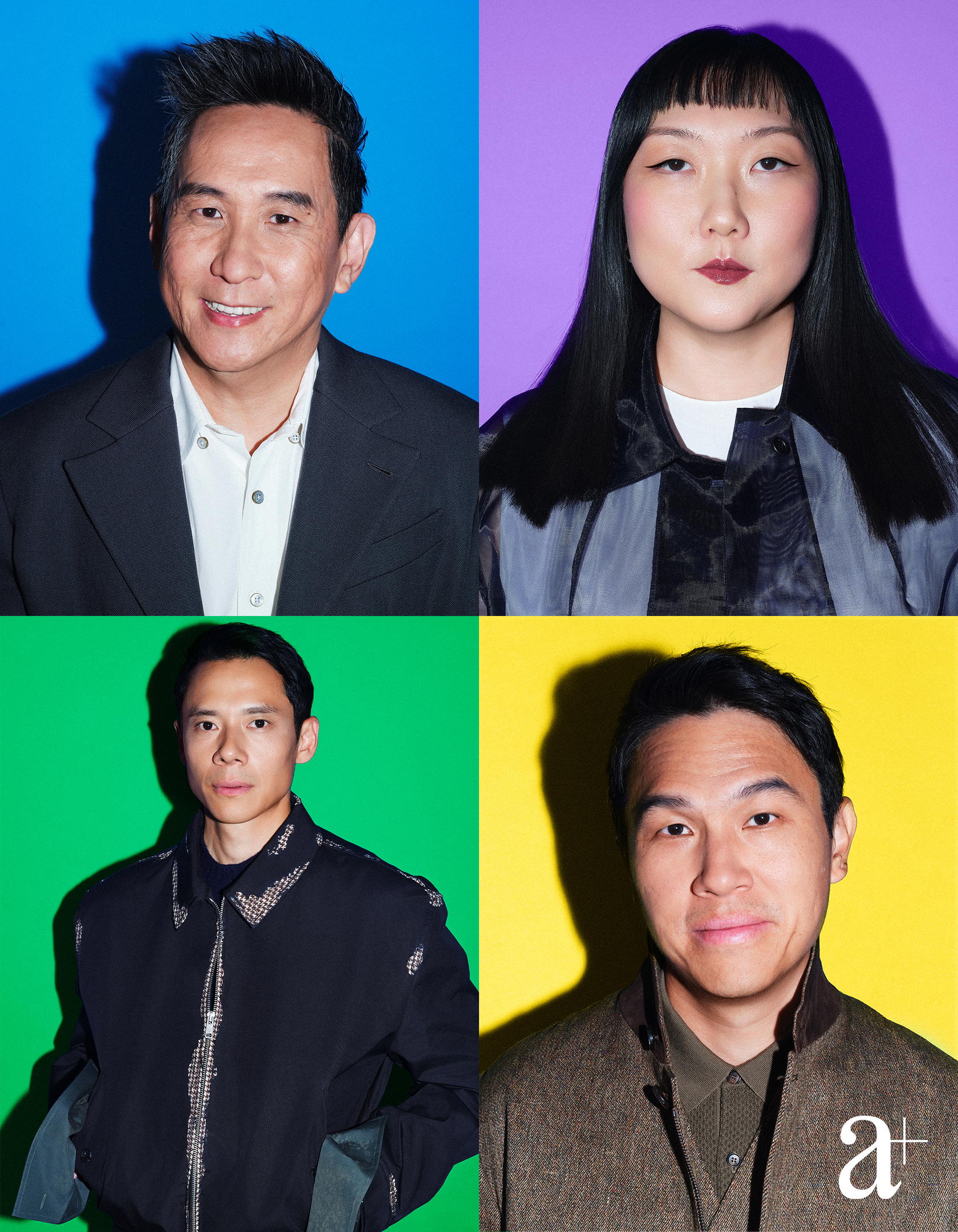
Whether Olivia Lee is transforming Hermès windows into a whimsical Museum of Wonders, imagining an analogue smart home through The Athena Collection, or designing OurAir to make intelligent air tangible via indoor air purifiers, her work begins with ideas that resist physical confinement.
As the founder of multidisciplinary design studio Olivia Lee, she collaborates with global brands including Hermès, Cartier, Vacheron Constantin, and Samsung, cultivating a practice defined by intelligence and a sense of wonder.
Her approach has earned recognition from some of the design world’s most influential institutions and publications. These include being named by Dezeen as one of the top emerging designers to watch following her SaloneSatellite debut. Financial Times also recognises her as one of eight female design names disrupting the industry. In addition, Lee was most recently commissioned as one of 100 global creatives for Cartier’s Trinity100 centennial celebration.
As AI and climate evolve design’s role, she argues that its true purpose is to make ideas tangible. Here, she touches on authorship, cultural influence, and why children remain her most honest design critics.
Is the traditional definition of an industrial designer becoming obsolete?
The powerful thing about industrial design is that it evolves constantly in response to technology changes. Born during the industrial revolution, the definition shifted numerous times, from designing mass-manufactured standardised goods to embracing systems thinking to viewing services and experiences as products. It is shifting again as we recalibrate our relationship with tools like AI. You could say industrial design stays ahead of obsolescence.
What’s the hardest intangible idea you’ve ever tried to bring to life, and what did you learn from it?
Creating my studio. Specialised creative agencies face the challenge of articulating their unique design philosophy and translating that into a working practice. I learnt very quickly that it doesn’t matter how big my actual studio is, who’s on my team, or how thick the card stock of my name card is. My mind is my real studio.
How do you measure success when the outcome isn’t necessarily commercial?
One of the greatest joys and measures of success for me is how well children respond to my work. They keep you honest as a designer. If a child understands my work without instruction or explanation, I know I did my job.
In addition to your professional practice, you have taught design theory. What beliefs do today’s students have about design that you find most challenging?
I want today’s students to remember that friction or feedback that opposes their design goals does not mean their hunch was wrong or their time was wasted.
Somewhere along the line, the joy of iteration began to become a cost, and students stopped having fun experimenting and began to worry when the journey wasn’t smooth instead of enjoying it. Design transforms failure into wisdom, detours into opportunities. You are not lost; you’re taking the scenic route.
Is Singapore still underestimating the influence of design on its culture?
Singapore understands the economic value of design and its role as a driver of innovation well. That’s the demonstrable, pragmatic side of design. Design consolidates cultural influence, which is a soft power. Embracing good design that originates from Singapore confers “cool by association” on the country. There is no doubt that design plays a significant role in shaping culture, but it is more difficult to measure. Even so, this doesn’t make it any less important or worthy of resources.
When has a moment in your career changed the way you think about design?
There have been several pivotal moments. In my first job at British industrial designer Sebastian Bergne’s London studio, I learnt that living well and designing well work hand in hand. Sebastian never worked past 6pm, leaving time for family meals, and he expected the same of us. Overtime didn’t exist; his work is consistently joyous, witty, and charming—no surprise why it resonates.
At the Singapore Economic Development Board, I witnessed design’s power at the scale of policy and systems thinking. I learnt that design can exist without a tangible form and still drive immense impact. When I launched my own studio, design became an even more fluid practice for me—a versatile toolkit that lets me tackle the most wondrous and complex projects. For someone who dreams between the lines, design now feels like a dynamic method for turning wild ideas into tangible realities.
What would industrial design look like if it were invented today—from scratch, in a world shaped by AI and climate change?
Industry and society influence the field, but the pressing question is how the profession would look if AI and climate issues were central.
There would be an urgent global effort to direct resources and AI compute towards reversing climate change. Industrial designers would collaborate in interdisciplinary teams to translate climate solutions into tangible form. Once that challenge is addressed, we might inhabit a post-consumer civilisation where designers have fun creating utopian services and solving wicked problems with AI.
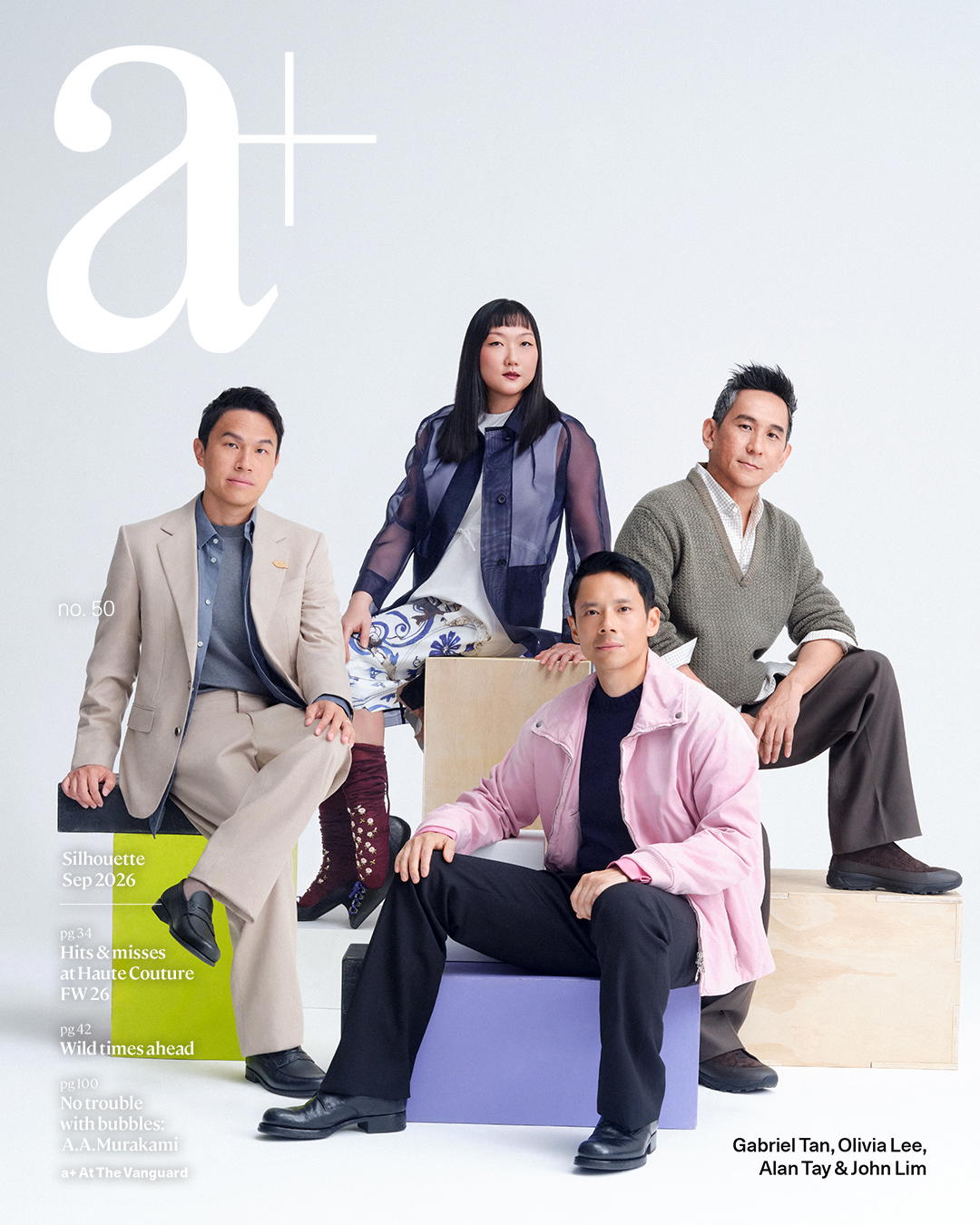
Photography Stefan Khoo
Styling Chia Wei Choong
Hair & Grooming/Makeup Aung Apichai, using Kevin Murphy and Tuft
Fashion assistant Megan Lim
Photography assistant Alif