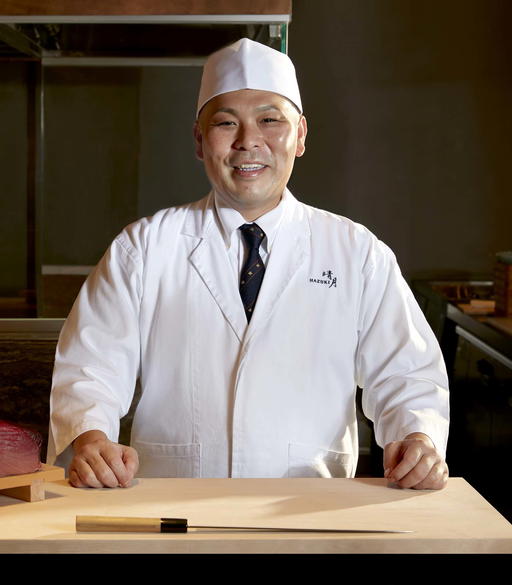

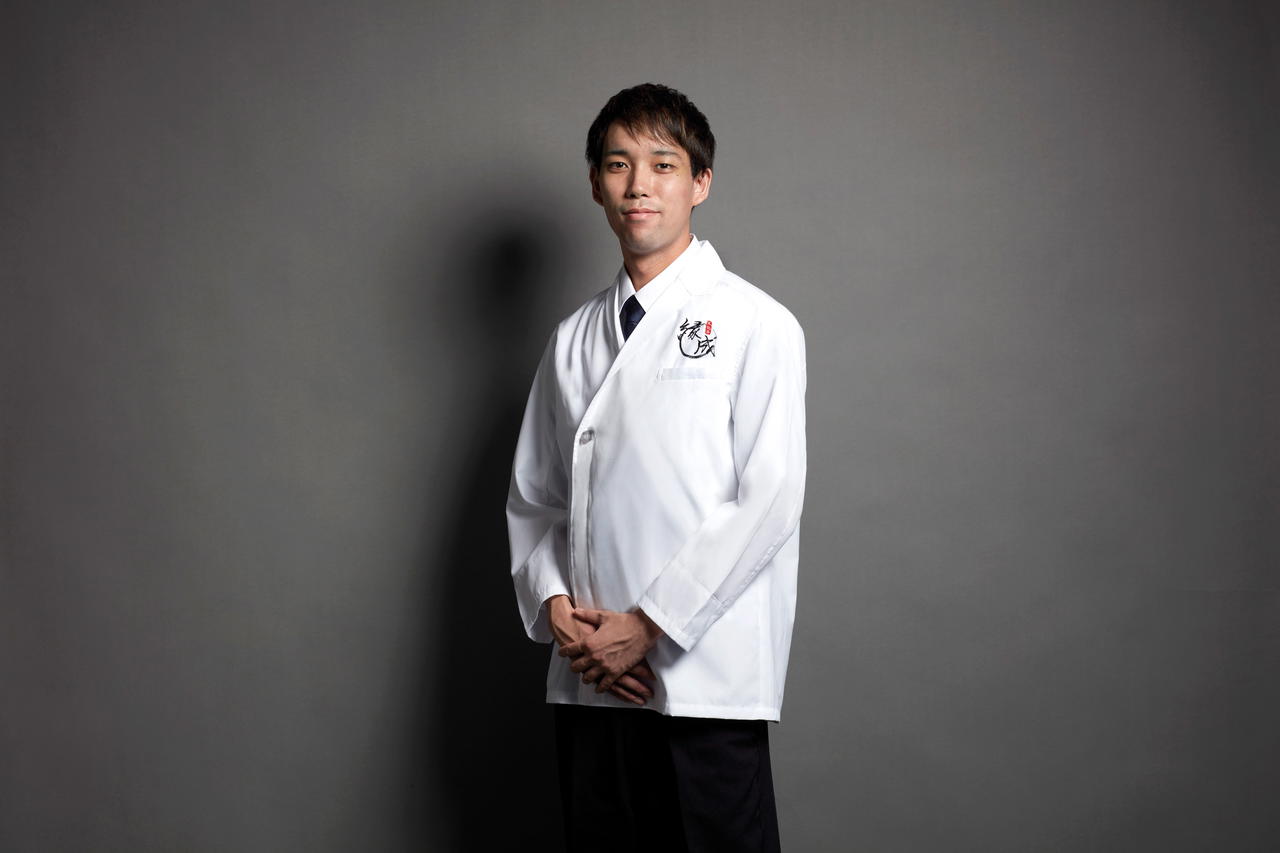
On your first visit to Tempura Ensei, you might think Executive Chef Naruki Takeshima doesn’t do much behind the counter. Well, when I looked closer, I realised he was truly an artist at work. With long chopsticks, he skilfully dips each peeled tiger prawn into a thin batter and then gently immerses it in hot oil.
Watching them carefully, he swoops in only when the coating turns golden and the edges become crispy. Tempura Ensei, which opened in March at Palais Renaissance, specialises in Edomae-style tempura. Takeshima honed his cooking technique during his six years with Tenkane in Shinjuku, Japan, a favourite for four generations dating back to the Meiji period.
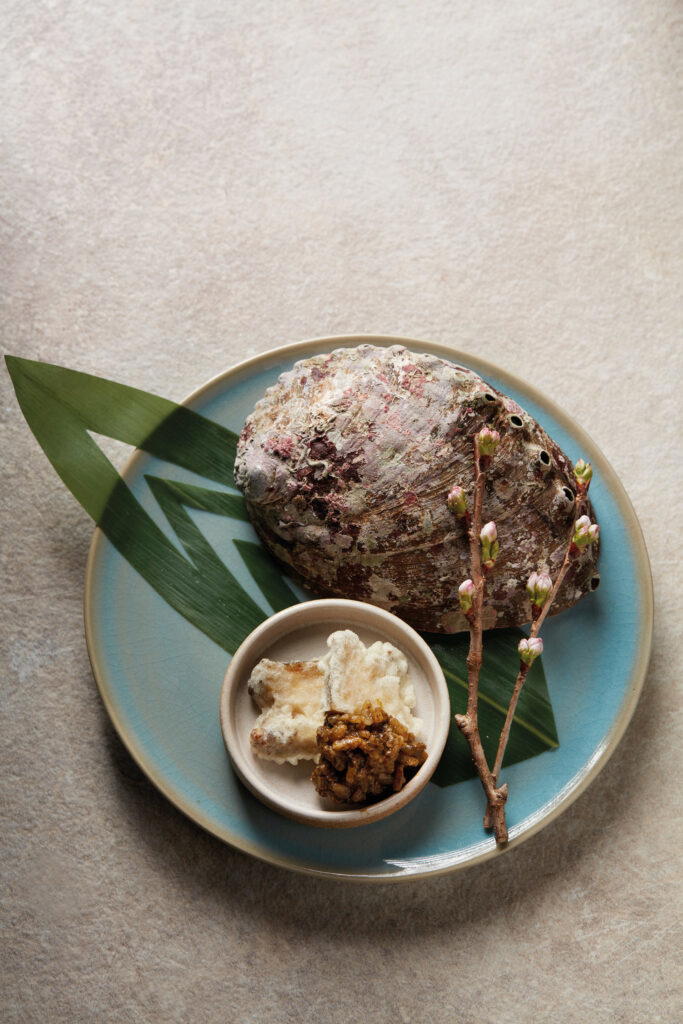
IN THE HEAT OF THE MOMENT
Delicious as it is, the art of tempura is often misunderstood. Many assume it’s simply deep-frying at high heat, but as Takeshima explains, precision is everything. “The slightest deviation in oil temperature can alter the texture and flavour,” he says.
To gauge the perfect frying heat, Takeshima relies on his senses and forgoes the use of thermometers. He drops a small bit of batter into the oil, watching the bubbles and listening to the sound they make to know when it’s just right.
With delicate ingredients like prawn or sea urchin, even a one-second delay can mean overcooking. “That’s why the restaurant tends to be on the quieter side—it helps me hear the cues, a skill I picked up while training at Tenkane.”
Each ingredient demands a different approach depending on its moisture content, size, and thickness. Environmental factors like humidity and room temperature also come into play. Flour, for instance, is kept in the freezer to stay dry and fine, ensuring the batter remains light and crisp.
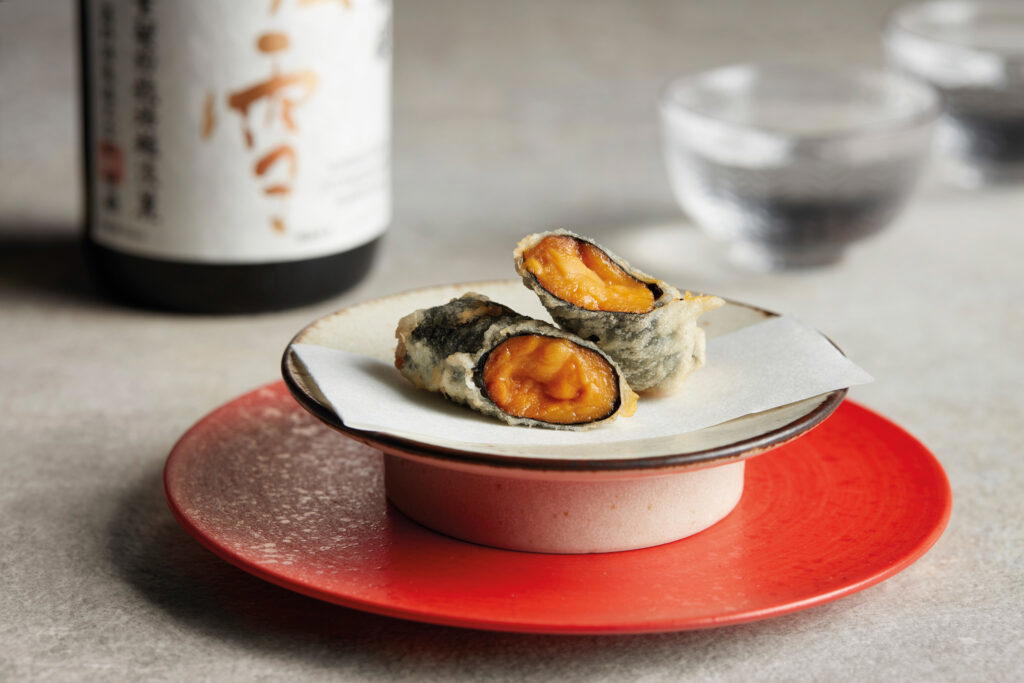
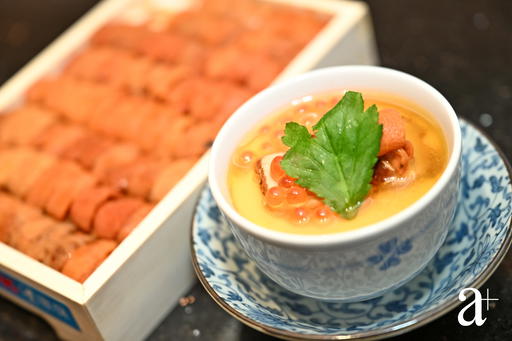
Takeshima’s bafun uni tempura, quickly crisped at 180 deg C, showcases his technique, which produces a perfect fusion of buttery sweetness, airy batter, and crunchy nori. The asparagus tempura, made with produce specially harvested in Kyushu, is equally exquisite.
Indeed, Takeshima takes great care to procure the best ingredients for his fabulous fritters. Items such as sea bream, kisu fish, and strawberries are imported from different parts of Japan, including Osaka, Fukuoka, and Tokyo’s Toyosu Market, where Tsukiji Market used to be.
Oil is another cornerstone. Takeshima uses Taihaku Goma Abura, a premium sesame oil prized for its clean finish and toasty aroma, to enhance the natural flavours of each ingredient. To avoid overwhelming the palate, he tempers it with canola oil, which has a lighter, more neutral profile. The blend allows the batter to fry to a feather-light, golden crispness without feeling greasy or heavy.
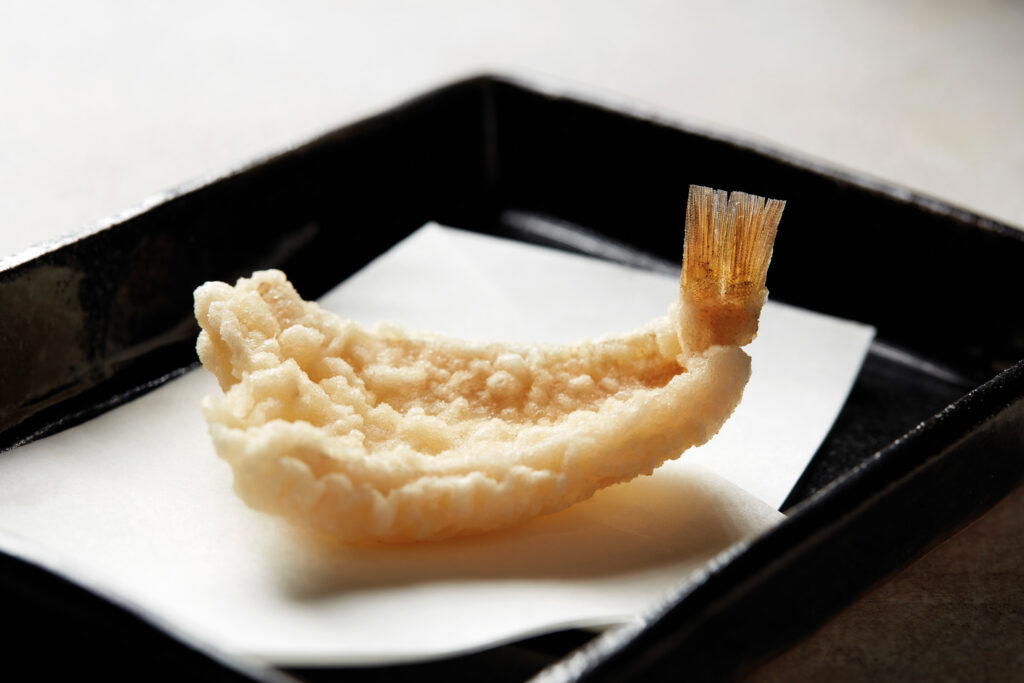
Even the batter is a carefully crafted house recipe, made with chilled water, eggs, and flour. It’s not just about the ingredients, but the precise proportions that make all the difference. Developed through rounds of finetuning and tasting with his team, the batter strikes the perfect balance.
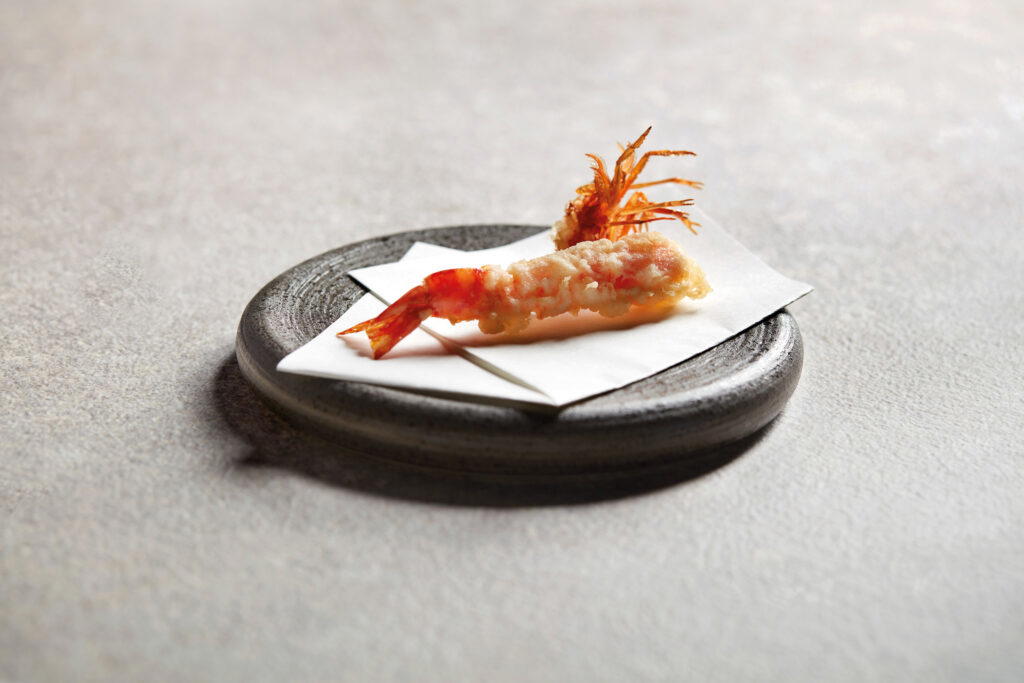
As for Takeshima’s personal favourite? Shrimp tempura—made only with live shrimp, to preserve its natural sweetness. “This is the only way to preserve its distinctive flavour profile,” he insists.