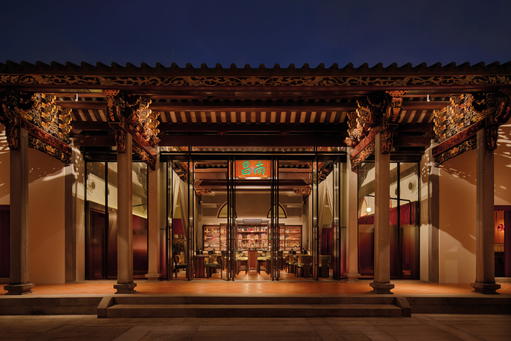

At Loca Niru, you feel as if you are straddling the past and present. It is the only F&B establishment located at the House of Tan Yeok Nee on Penang Road. Renowned for its Chinese architectural heritage, the site is the sole remaining mansion from Singapore’s Four Grand Mansions built by Teochew tycoons in the 19th century.
Declared a national monument in 1974, it was purchased by the Karim Family Foundation for more than $100 million in 2022 and then restored. Today, it is a cultural and lifestyle hub with a Heritage Gallery.
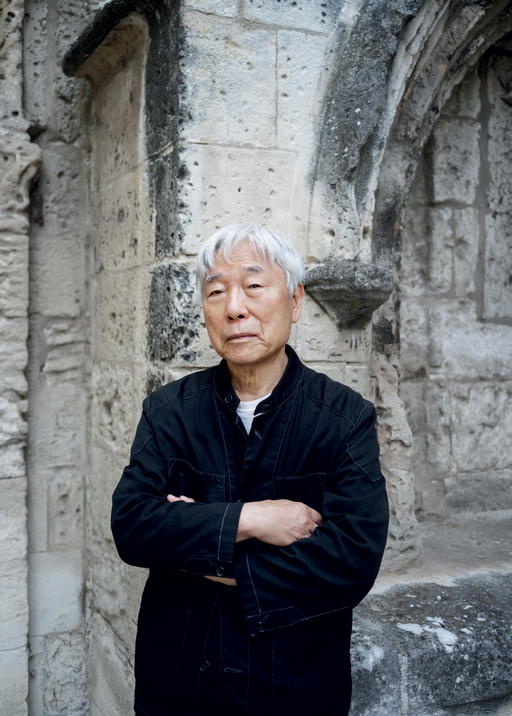
As a dinner-only restaurant (it opens Tuesday to Saturday), Loca Niru’s eight-course menu reflects the Japanese concept of kotan, a way of contemplative peace and subtlety. According to Executive Chef Shusuke “Shu” Kubota, the restaurant’s name was derived from the Zen Buddhist idiom “hakuba roka ni iru”, which depicts a white horse blending seamlessly into a field of white reeds. “Our goal was to achieve harmony between the heritage building and modern dining,” he says.
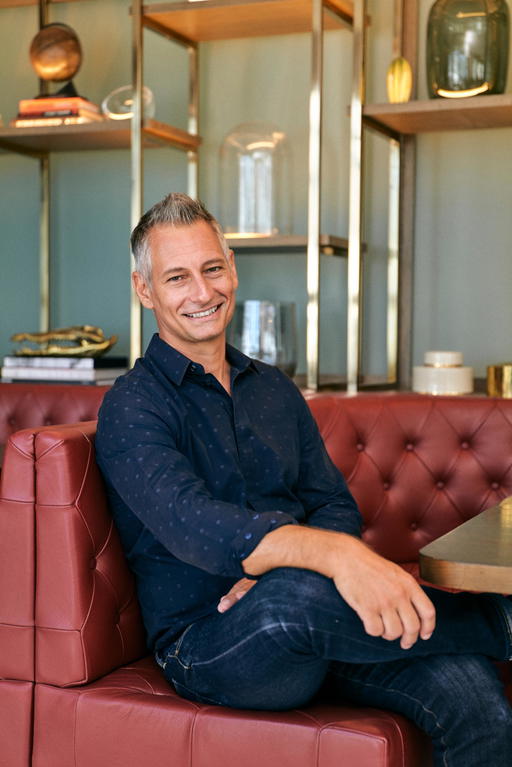
The space was designed by Japanese architect Keiji Ashizawa to celebrate craftsmanship and natural materials with an elegant aesthetic, which also reveals Kubota’s hometown heritage through woven straw works. Additionally, the 36-seat dining room fosters interaction with chefs and appreciation of their culinary artistry, while two private rooms provide an intimate setting for meaningful conversations.
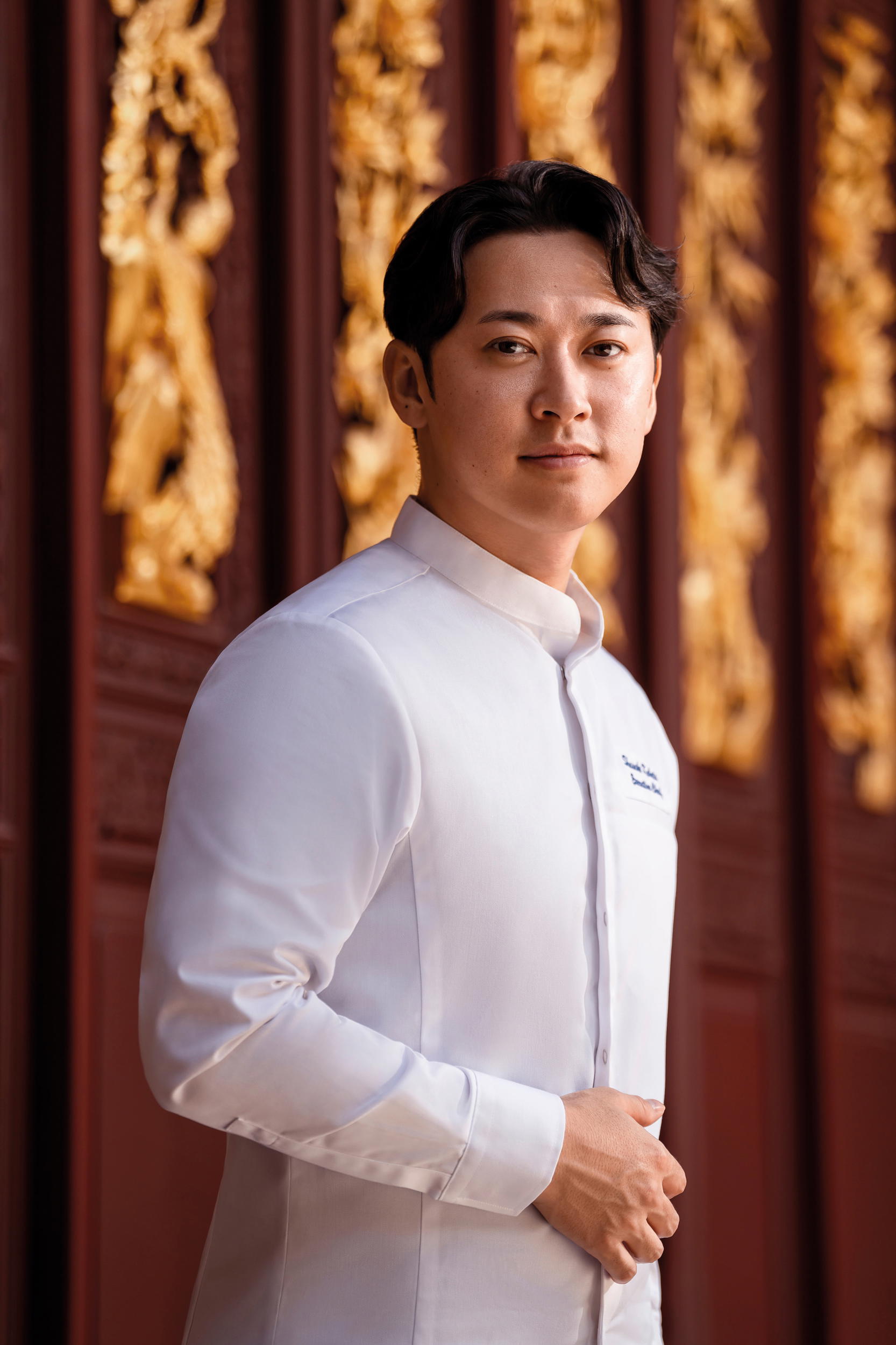
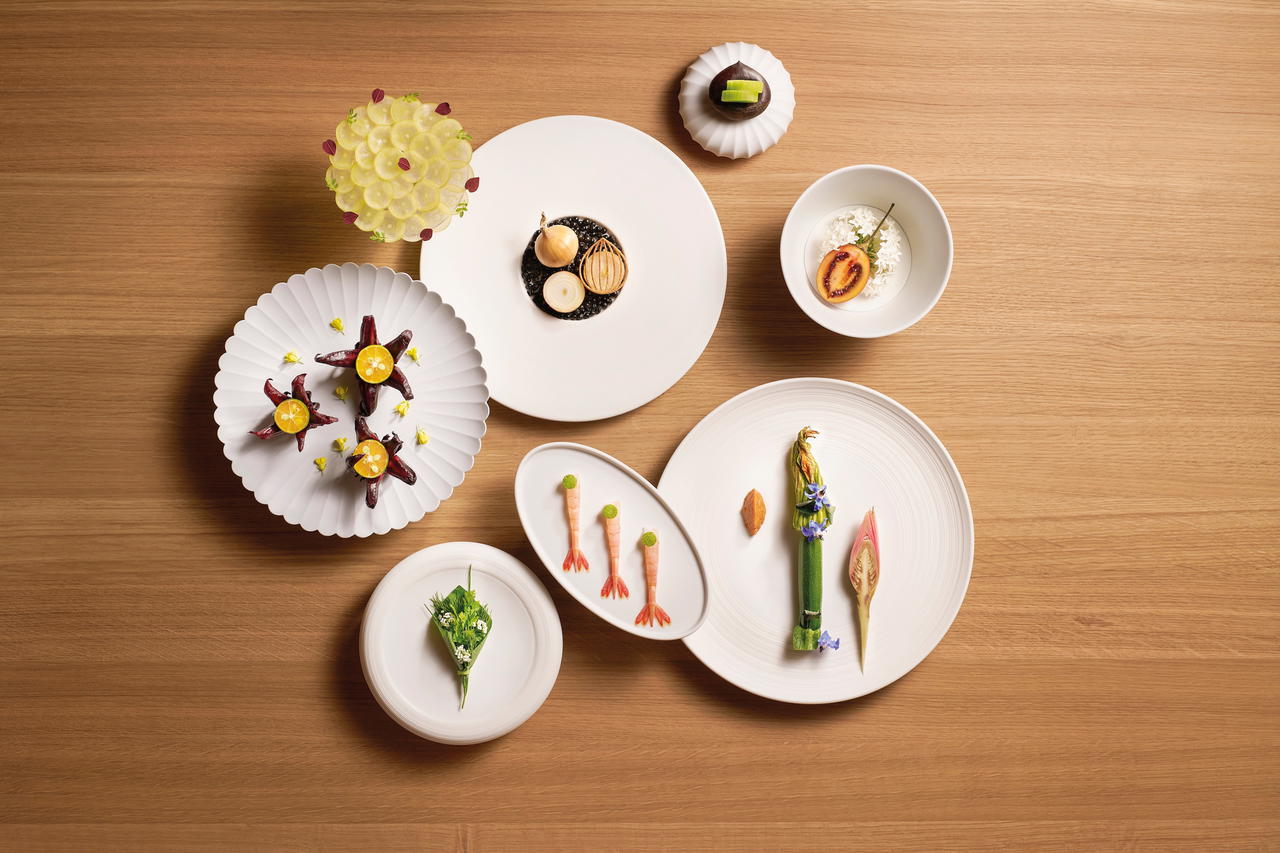
Loca Niru’s “contemporary innovative” cuisine demonstrates Kubota’s belief that learning from the past is essential to creating the future. Instead of adhering to one genre, he combines Japanese flavours with French techniques and Southeast Asian ingredients.
Alongside classic Japanese ingredients like chutoro and wagyu, you’ll find regional ingredients like sugar cane, calamansi, curry leaf, and kedondong.
“It’s not just a matter of copying classic dishes. We create new combinations like Nyonya-style beurre blanc with Japanese fish or frog’s leg wrapped in kadaif, finely shredded filo dough. This makes the dining experience unique,” he explains.
Born in Matsumoto City, Nagano Prefecture, Kubota graduated from Osaka’s Tsuji Culinary Institute before working at various restaurants, such as Domaine Les Crayères in Reims, France, and Parlour Ekoda in Tokyo.
In 2020, he moved to Singapore to join Omakase @ Stevens. Then in 2024, he was presented with the opportunity to co-develop a fine dining concept with Gaia Lifestyle Group, and so Loca Niru was born.
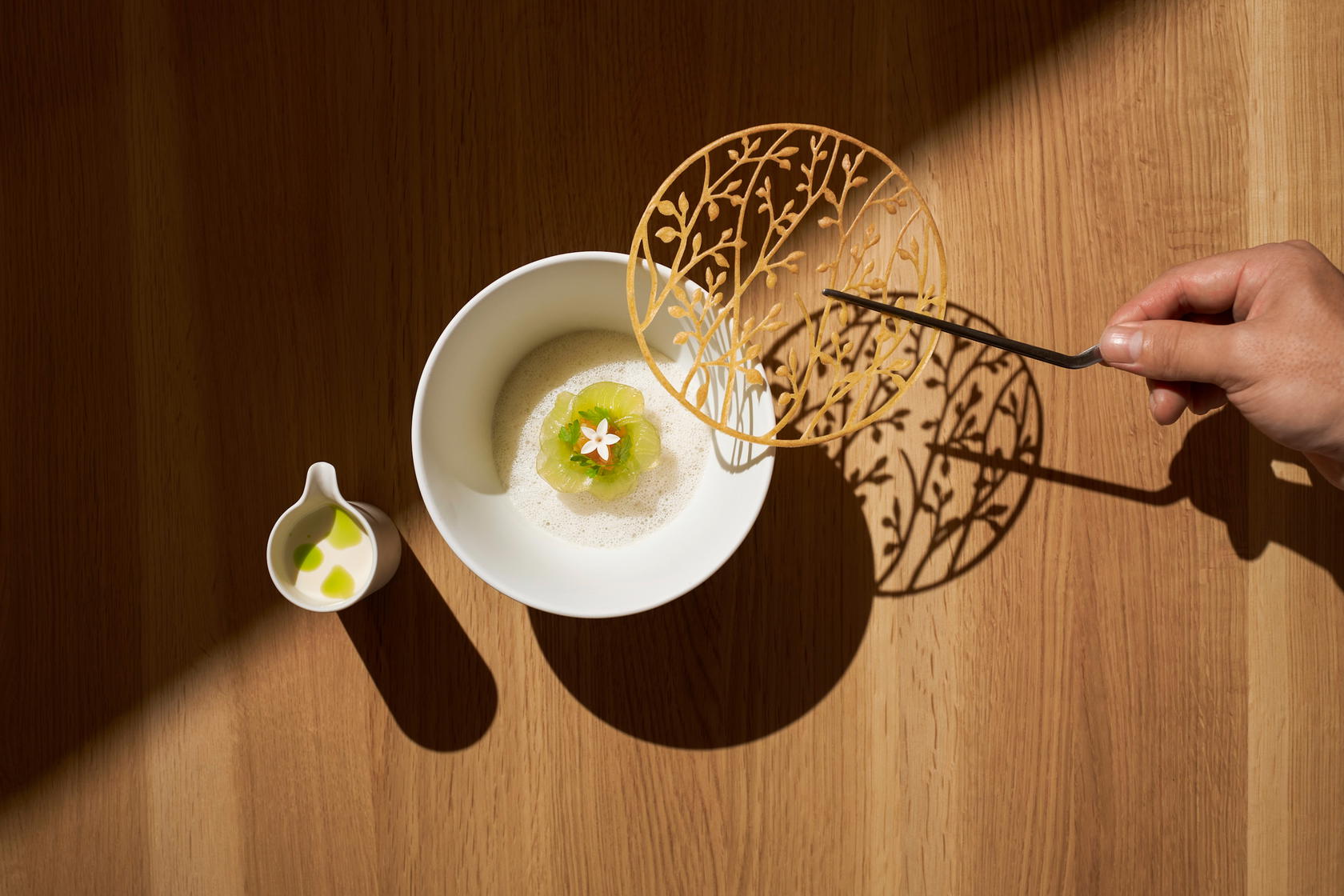
The concept of kotan also guides the executive chef’s cooking, reflecting the restaurant’s minimalist design. For instance, Oyasai, a steamed dumpling filled with seasonal vegetables like burdock, jicama, and yacon, is prepared without heavy sauces to highlight the produce.
“This shows respect for humble local ingredients. I want guests to see that even simple vegetables, when treated with care, can tell a story and become something special,” he says.
Kombu (edible kelp) milk adds clean, natural flavours with a hint of umami to Oyasai, whose vegetable trimmings are simmered in the broth for the dish Awabi. It features Wando abalone, prized for its sweet, briny taste, along with egg custard, seasonal mushrooms, and yuzu.
Of all the eight dishes, Isaki is the standout. It was created by Kubota for Japan’s prestigious culinary competition RED-35 in 2022, where he finished runner-up. Finished with Nyonya beurre blanc, it consists of pan-seared sustainably farmed Japanese grunt fish served with zucchini flower stuffed with scallop mousse and pickled zucchini.
A Kubota original, Nyonya beurre blanc combines ginger flower, lemongrass, and galangal paste in a silky, warm sauce created by whisking butter into the wine reduction,
using emulsification, a French technique.
Nyonya beurre blanc draws on his understanding of Peranakan culture as a blend of influences that took root in Singapore—much like black bass, which was not native to Japan’s lakes but became part of the ecosystem. “That idea made the dish meaningful for me,” he says.
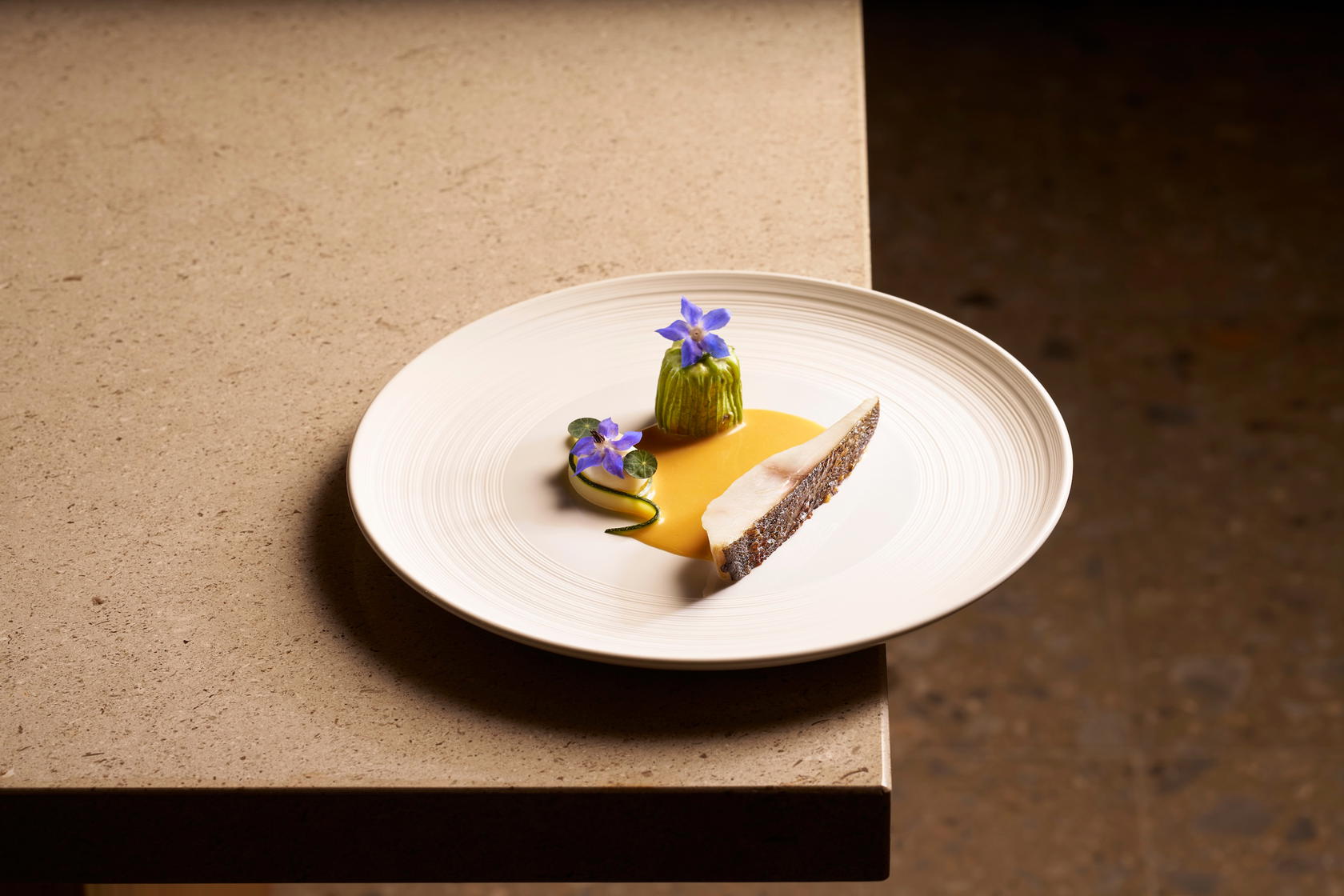
Isaki is served with airy buah keluak buns to soak up the sauces. They reveal the bread-making training he received from Parlour Ekoda that uses only natural yeasts. “It gives a deep, earthy flavour. Most people know buah keluak from traditional Peranakan dishes, but not with bread. We want to demonstrate how versatile this ingredient can be.”
Muscat Kedondong is a Kubota favourite at Loca Niru. His first taste of kedondong, a crisp and juicy tropical fruit also known as ambarella, convinced him that it would make a great pre-dessert. He pairs it with coconut and shiso to make it refreshing.
For dessert, Chocolate Nutmeg is inspired by the chef’s love of tiramisu. It layers cookie crumble with gula melaka sabayon, 68 percent dark chocolate ice cream, Japanese plum jam, and cacao cookie tuille dusted with dehydrated cherries and roselle powder.
As Loca Niru continues its journey, Kubota is eager to deepen his culinary expertise. “Food carries so much history and culture. To craft genuine and heartfelt dishes, I aim to learn and understand more.”