
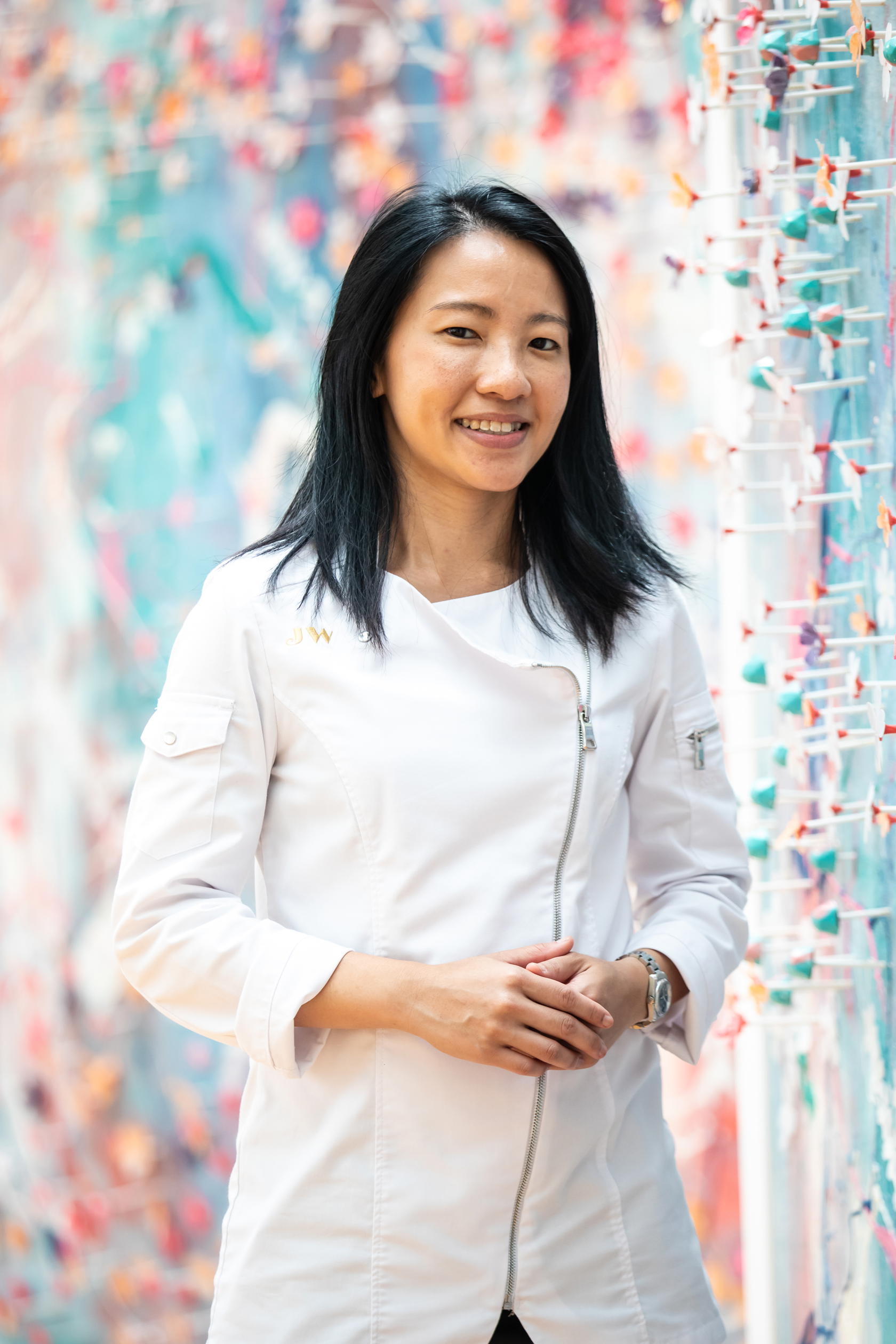
“I wanted to prove it’s possible to do this differently, and that it’s meaningful,” says Janice Wong. For two decades, the Singaporean chef-artist has built a career on questioning the conventions of pastry and chocolate, turning them into edible art.
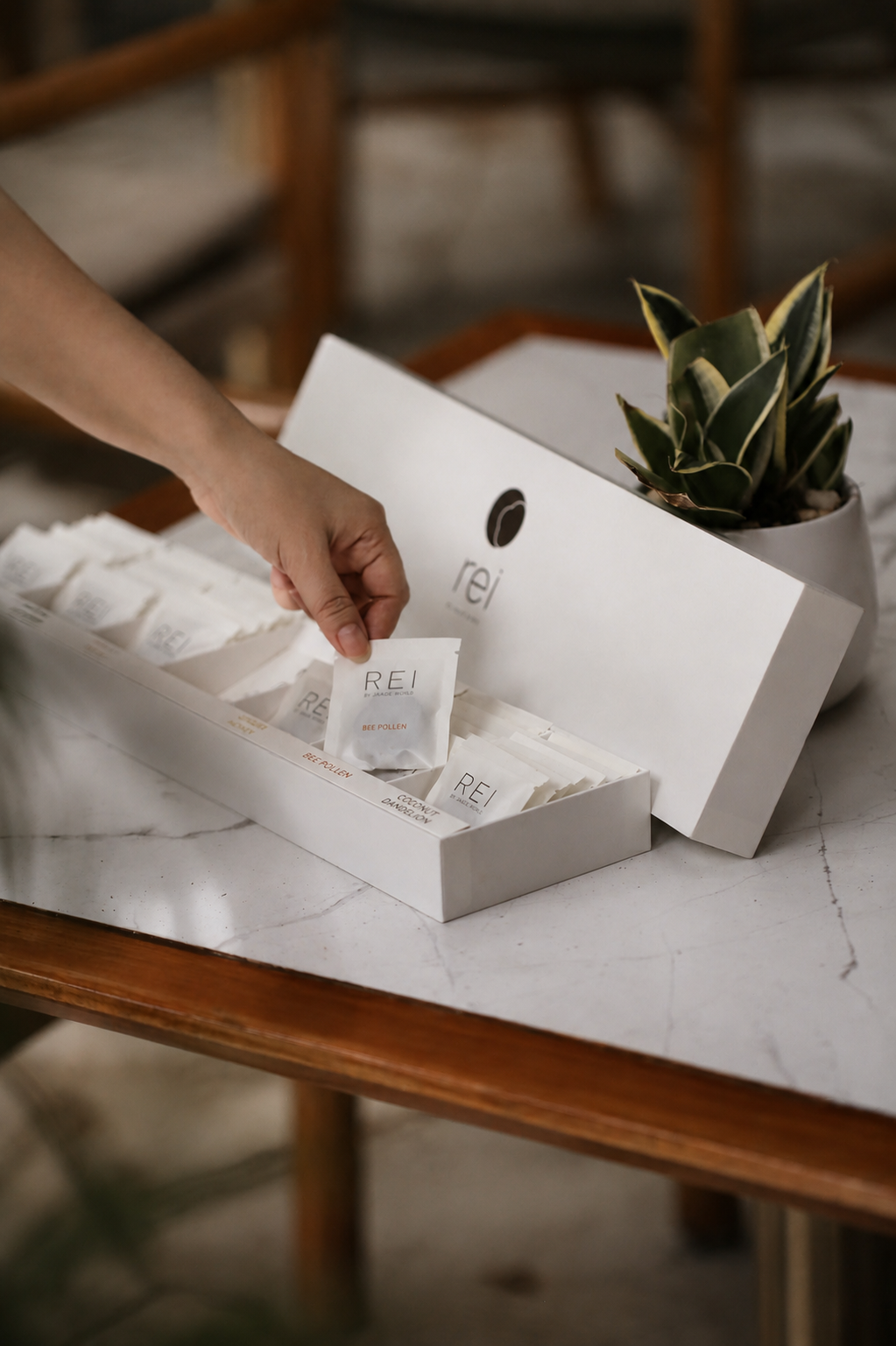
With Rei, Wong turns that instinct towards one of patisserie’s most fundamental ingredients, sugar. Her new wellness confectionery brand is founded on a demanding proposition—no refined sugar or zero sugar substitutes. Sweetness comes from ingredients such as raw honey, maple, dates, and whole fruit.
The name captures the thinking behind it. In Japanese, “rei” signifies both “zero” and “gratitude”. “Zero” speaks to what Wong has chosen to leave out, while gratitude reflects a more considered relationship with ingredients and indulgence. Rather than replacing caster sugar with an alternative, Wong rebuilds each creation from its foundations, reconsidering texture, structure, acidity and flavour through the lens of fine patisserie technique.
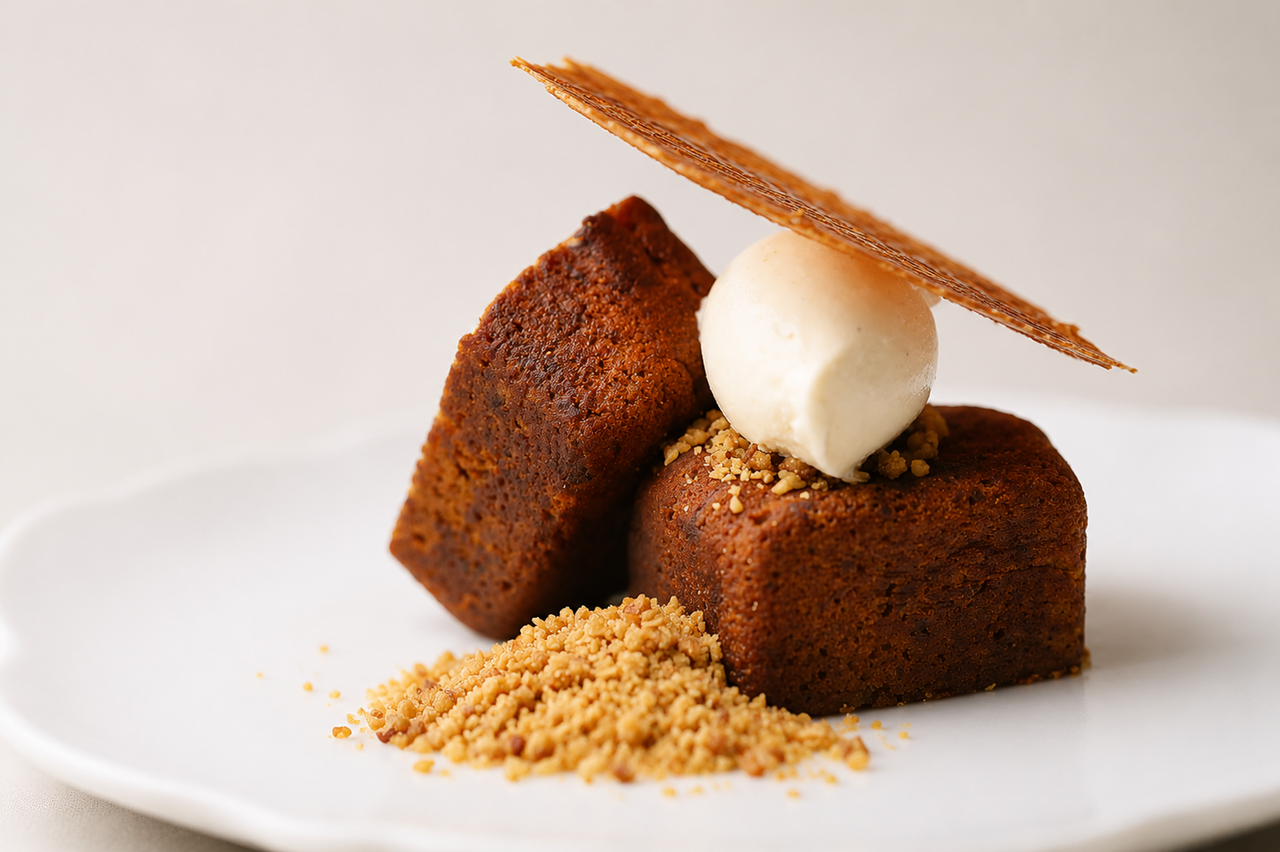
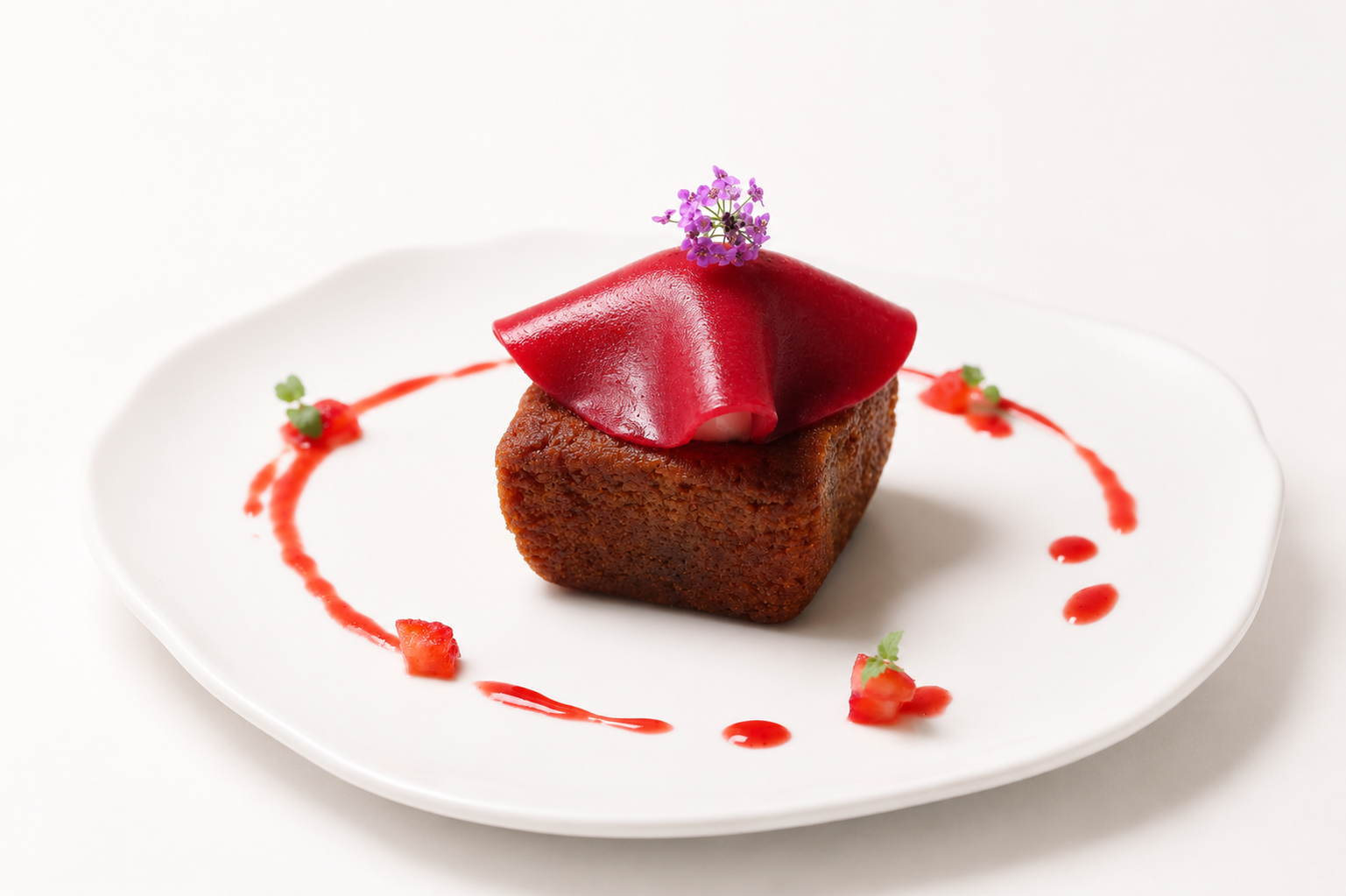
Debuting at Le Jardin at Raffles Sentosa Spa, Rei arrives with creations including Honey Basque Cheesecake, Sticky Date Pudding, and a 100 percent Dark Chocolate Water Mousse Tart. We chat with Wong about unlearning the rules of pastry, finding complexity in natural sweetness, and why indulgence need not begin or end with refined sugar.
Is there a story behind the name?
The duality of zero and gratitude is everything. The zero represents our commitment to zero refined sugar, zero compromises, zero shortcuts. But the gratitude piece is just as important. We’re grateful for the opportunity to rethink how indulgence can be more intentional and nourishing.
I’ve spent 20 years refining my craft, developing techniques and understanding ingredients at the deepest level. After two decades, I realised I wanted to take on one of the biggest challenges in pastry: creating genuine confectioneries without refined sugar and without artificial sugar replacements. When I look at what’s out there in the market, I see so much reliance on maltitol, stevia, and one-to-one sugar replacements that end up putting excessive amounts of artificial sweeteners into a single confection. That’s not indulgence; that’s compromise.
If this inspires others around the world to think differently about sweetness and ingredient integrity, then Rei has already succeeded.
Can dessert be a part of “wellness” without losing the joy of indulgence?
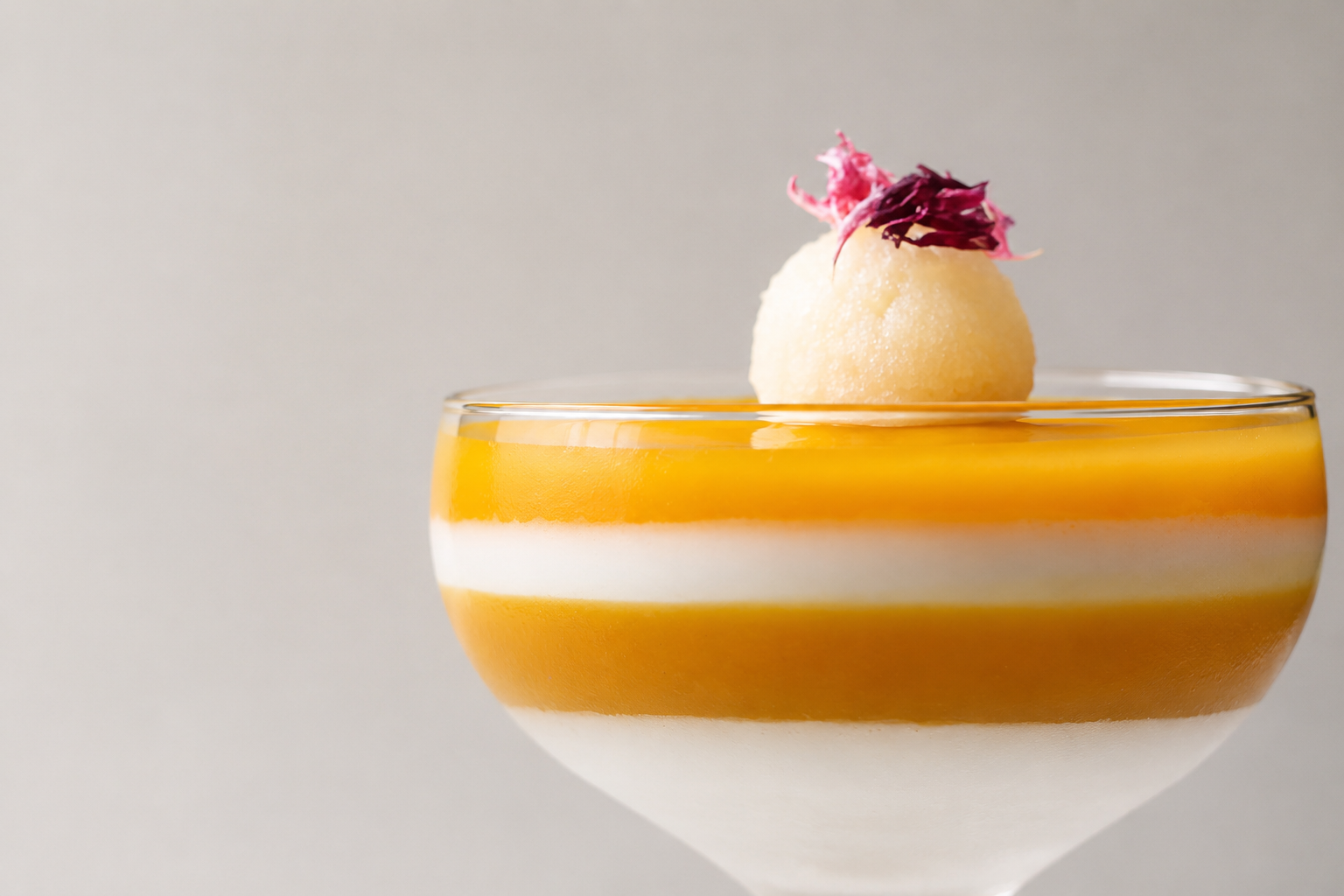
Absolutely. Take a 100 percent dark chocolate creation: pure cacao, whipped up with water to create this incredible mousse-like texture with real depth and richness. No sugar, no artificial sweeteners, just chocolate and skill. Or our sticky date pudding, made with buckwheat flour and cashew, is completely gluten-free and incredibly moist, sweetened only by the dates themselves. Or a yuzu and raw honey panna cotta with fresh citrus curd, or a Basque cheesecake sweetened only with raw honey that caramelizes in the oven. That’s wellness and indulgence in the same bite.
What does removing refined sugar force you to rethink as a pastry chef?
Everything. Structure, texture, browning, shelf life, flavour development, hydration, and fermentation. Sugar does so much invisible work. But when you strip it away, you’re forced to become a better chef. After twenty years in this craft, I had to unlearn some things and rebuild my entire technical foundation.
You have to understand your ingredients at a deeper level. How does date syrup caramelise differently than caster sugar? How do whole fruits contribute moisture and structure? It’s like learning to cook all over again, but with more integrity and more precision. It forces you to rely on genuine technique, not shortcuts. And when I see how much maltitol and artificial sweeteners the market is using as quick fixes, I realise how important this work is.
What do you want someone to feel after their first dessert here?
I want them to be surprised by how alive their palate feels. I want them to taste the actual ingredients: the floral notes in the honey, the citrus brightness, the real cocoa. And I want them to understand that this isn’t about deprivation; it’s about a different way of approaching indulgence.
your favourite creations from the current menu?
The sticky date pudding. It’s moist, rich, and completely gluten-free with the buckwheat flour and cashew base, and sweetened only by the dates themselves. The texture is perfect s that when you bite into it, you feel the indulgence without any of the sugar crash. The other is our cheesecake, sweetened with raw honey that caramelizes beautifully in the oven, creating this incredible depth and richness. Both of these desserts prove that you don’t need refined sugar to create something truly memorable and satisfying.
But honestly, one of my favourite desserts to eat is actually a chiffon cake. A good one offers lightness, airiness, and a delicate crumb. But a traditional chiffon cake typically contains 15 to 20 percent sugar, which is why I kind of stay away from it. That’s exactly why rei exists. It’s not that I don’t love chiffon cake; it’s that I wanted to create an alternative where I could enjoy that same experience without the guilt or the excessive sugar. That’s what drives this work. It is personal.
Is there an ingredient you’ve discovered through rei that changed the way you think about sweetness?
Goji berries and dates. People think of them as just dried fruit, but they’re so much more than that. Goji berries carry this incredible complexity, this subtle tartness and earthiness alongside their natural sweetness. Dates have this deep, almost caramel-like quality without any refined sugar involved. When you work with them as primary sweeteners rather than fillers, you discover they each have their own terroir, their own story.
Single-origin dates from different regions taste completely different. Some are buttery and rich, others are more floral. And when you’re not hiding behind refined sugar or artificial replacements, you taste all of it. The goji berries add dimension and antioxidants; the dates provide structure and that satisfying richness. Together, they completely changed how I think about sweetness. It’s not just about hitting a sweetness level on a scale. It’s about using whole ingredients that carry their own flavor profiles, their own nutritional value, their own soul.
It opened my eyes to the fact that sweetness itself is an ingredient with as much complexity as any savory component. That shifted my entire approach.
Tell us about the biggest challenges YOU HAD TO OVERCOME.
The biggest challenge was realising that twenty years of technique weren’t enough; they had to be completely reimagined. Every formula had to be rebuilt from zero. Shelf life and consistency are massive. Refined sugar is a preservative, and artificial sweeteners come with their own stability profiles. We solved it through obsessive technique: better tempering on the chocolate, understanding humidity and storage dynamics, investing in the right packaging, and testing relentlessly.
The second challenge was cost. Good ingredients cost more, and you can’t use excessive amounts of cheap sugar replacements to hit a price point. We decided early on that Rei wouldn’t compete on price; it competes on integrity. If you want the best ingredients and the best technique, that has a price tag.
The third challenge, honestly, was the mental one. Taking on something this difficult when I could have taken easier routes. But that’s exactly why it felt necessary. This is a challenge worth taking on, and if it inspires the industry and home cooks globally to think differently about sugar and confectionery, then it’s meaningful work.
Where do you think pastry is heading over the next five years?
Away from artifice and toward authenticity. People are asking harder questions about what they consume. I think we’ll see pastry move toward cleaner ingredients, but not in a restrictive way. In an expansive way. As chefs get better at working with whole foods and understanding fermentation, hydration, and natural sweeteners, pastry will become more interesting, not less. The high-skill work is not in using cheap ingredients and chemical shortcuts; it’s in using real ingredients and making them sing.
After so many years of experimentation, what still makes you curious in the kitchen?
How to create texture without relying on the shortcuts that refined sugar and artificial substitutes offer. How to make something shelf-stable and beautiful without compromise and honestly discovering the intersection of art and food. How do you make something that tastes incredible but also looks like it belongs in a gallery? That’s the question that still drives me.
With Rei, it’s about proving that meaningful, mindful confectionery can inspire people around the world to rethink everything they thought they knew about sweetness.