
Although children make up less than a third of the world’s population, they account for more than half of the total number of people living in extreme poverty. A Unicef-World Bank analysis estimates that there are currently 333 million children living in extreme poverty.
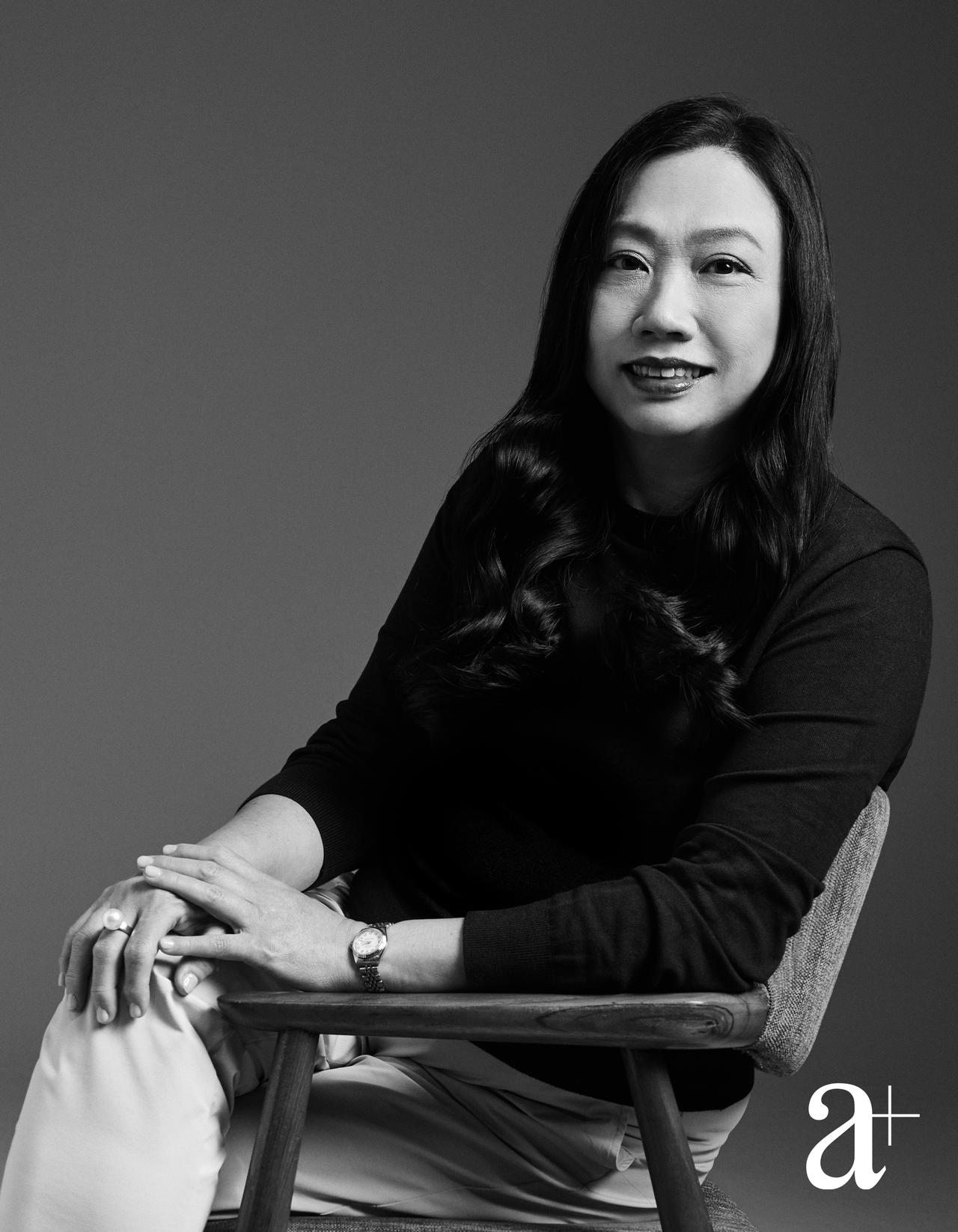
Compassion International is a Christian global child development charity founded in 1952. Headquartered in Colorado Springs, United States, it recently opened an office in Singapore and appointed Irene Chong as its first employee and Partnership Director.
Chong built a career in banking and real estate investments, but in yearning to serve the community, later became a grassroots leader and a tutor for children from low-income families. In time, she was invited to sit on the boards of a number of large charities, which led her to pursue a Master’s degree in Public Policy at the Lee Kuan Yew School of Public Policy in 2019. “I wanted to better understand the complexities of policymaking and community leadership so I can lead more effectively in this space,” she explains.
Compassion International typically partners with churches, businesses, schools, and individuals, and a significant part of its programme entails child sponsorship. As poverty affects all areas of a child’s development, the organisation employs a holistic approach, ensuring provision of not just nutritious food and clean water, but also education, emotional support, and a safe environment.
As Singapore’s non-profit sector is mature, Compassion Singapore doesn’t run programmes for children locally and instead raises funds for children in neighbouring developing countries. As of now, more than 60 million children in South Asia live in extreme poverty. Singapore was chosen as a hub because of our strong economy, global mindset, and generous culture.
But challenges still abound. While Singaporeans are amenable to aiding those in our backyard, they tend to be less willing to extend support to children beyond our borders, Chong says.
The idea of giving to children whom we may never meet can feel less urgent. As such, donors are discouraged from viewing their contributions as neither a local nor global effort.
“Poverty may look different in Singapore than it does in parts of Africa, Asia, or Latin America, but at the heart of it, every child deserves the chance to grow up healthy, safe and full of hope.”
Irene Chong on a shared cause
“We are part of a global community, and with the privileges we enjoy here, we have a responsibility to look beyond ourselves. Raising awareness helps shape a culture of empathy, generosity and justice—values that are essential for any society that wants to thrive not just economically, but morally as well.”
Then there is the complexity of navigating a highly competitive fundraising landscape. With multiple worthy causes vying for attention, it can be difficult for a new organisation like Compassion Singapore to gain ground, Chong lets on.
All that said, she recognises that children living in poverty also make up a segment in Singapore and that it is a social issue exacerbated by our widening income gap.
While the government has made big strides with initiatives like Kidstart, Comlink, and MOE’s Financial Assistance Scheme, she adds, financial aid alone cannot bridge the divide. In her experience, there should be relationship-based support that includes mentoring, mental wellness, accessible role models, social inclusivity, and wraparound care for families to truly help the children in our community.
This is especially when poverty in Singapore has low visibility. “We may not actually see children going to school hungry or doing their homework in a one-room rental flat shared with multiple family members. But while their circumstances might be different from the extreme poverty in other countries, these children still require our attention and compassion.”
Photography Mun Kong
Art direction Ed Harland
Grooming Keith Bryant Lee using Shu Uemera & Keune Hair Professional
Photography assistant Melvin Leong