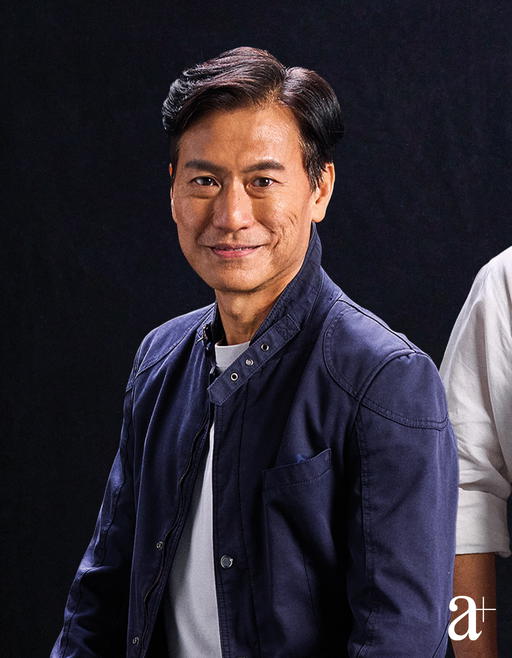
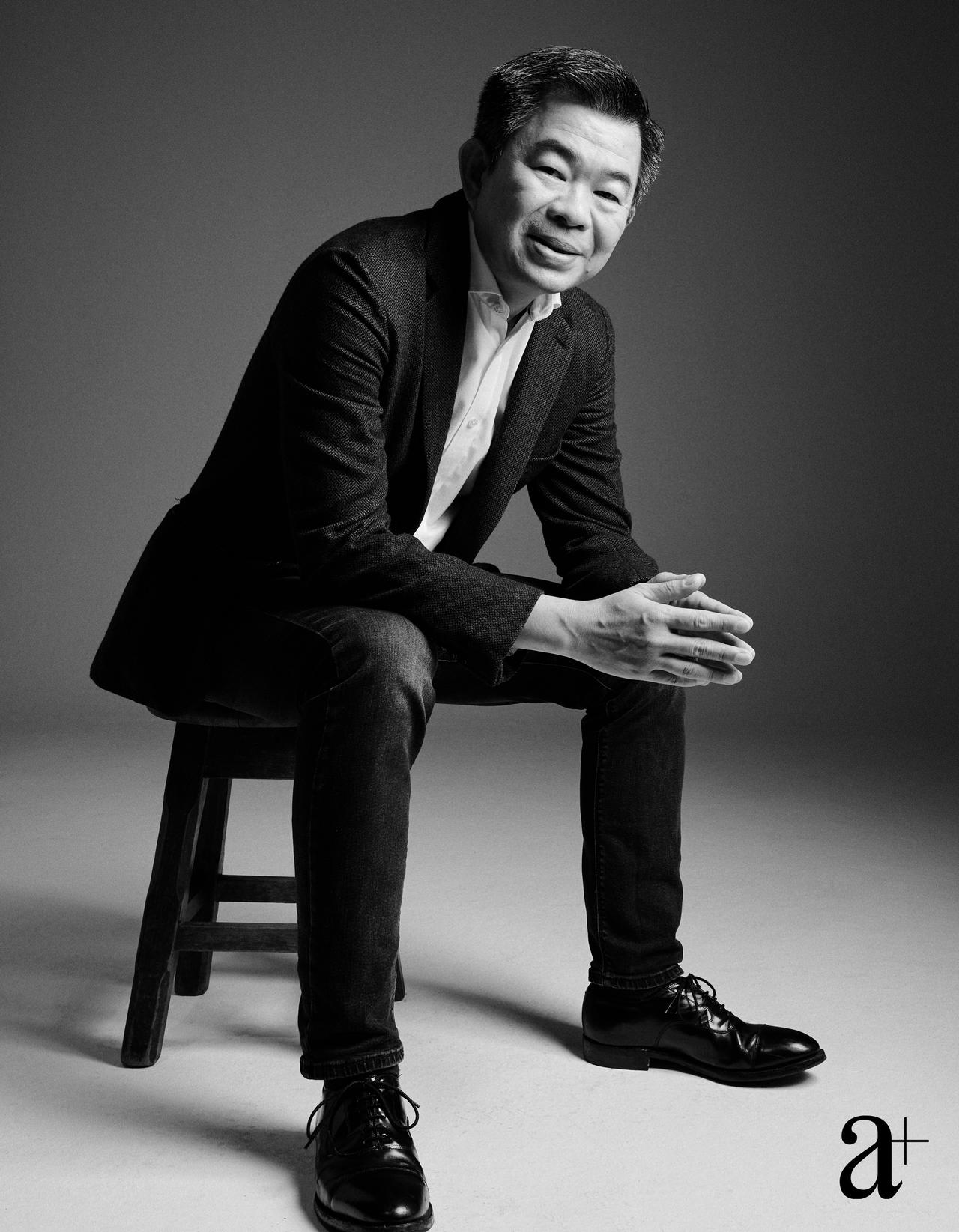
Free or subsidised hospice care doesn’t necessarily translate into compromised quality of care, says Dr Tan Boon Heon. As it stands, hospice care isn’t about limitation, but possibility. Specifically, it involves finding comfort and connection in one’s final chapter, explains the CEO of HCA Hospice.
Because the registered charity views care as a gift, HCA Hospice does not charge for any of its services. The government covers a fraction of the costs while and fundraising activities and donations cover the rest. Tan, who holds a PhD in business from SMU, was previously Asia Pacific President of a Japanese pharmaceutical company.
As Singapore’s largest home hospice care provider, HCA Hospice serves about half of the country’s home hospice patients, and is the only provider of home palliative care for children here through its Paediatric Advanced Life Support (Star PALS) programme. It also offers medical intervention and psychosocial support to patients and their families. This includes bereavement services, which Tan says are crucial for several reasons. For one thing, death presents an unsettling uncertainty: people often feel emotionally torn in the face of death, such as when they want to spend more time with loved ones, but don’t want to prolong their suffering caused by illness.
Then there is also the burden of guilt, which occurs when they feel they haven’t done enough or struggle with giving their loved one ‘permission’ to leave. But grief is not a problem to be solved, Tan notes. Instead, it is a journey to be taken at one’s own pace. “There are no right or wrong ways to grieve, only healthy ways of navigating the process.”
Having spent the bulk of his former pharmaceutical career focusing on markets outside Singapore, Tan reckons that getting acquainted with the local healthcare system and its players is his biggest challenge right now. “I’ve lost count of the number of networking engagements, coffee sessions, site visits, and award and recognition ceremonies I attended in just my first month. But what drives me is knowing that my efforts will help me serve beneficiaries more effectively.”
His other hurdle is striking a balance between corporate performance and beneficiaries’ benefits.
“For instance, do we spend on providing better service to a patient today or on investing in staff productivity so more patients benefit over time? If it’s a complex problem in for-profit organisations, considerations are compounded when taxpayers’ and donors’ funds are involved.”
Dr Tan Boon Heon on the considerations when dividing resources
Volunteers have been an extremely valuable resource and their responsibilities include befriending patients and their families, assisting with activities, and raising awareness about end-of-life care. Last year, HCA Hospice’s volunteers contributed almost 27,000 hours across various services, reducing costs by an estimated $570,000. This allowed the funds to be channelled into patient care.
Tan aims to both change perceptions and push the boundaries of end-of-life care. As it stands, death remains a taboo subject; some people prefer not to discuss it at all while others don’t know how to broach it. In addition, there is a common misconception that hospice care revolves around passively waiting and that not much can be done to make the remaining days meaningful.
In Tan’s view, society can develop greater compassion for those at the end of their lives by fostering openness in a discussion about mortality, and by recognising the multifaceted challenges patients and caregivers face. Also, by shifting the narrative that end-of-life care is about living fully until the very end.
“With this perspective, fear becomes empathy and avoidance becomes acceptance.”
Photography Mun Kong
Art direction Annalisa Espino Lim
Hair Sarah Tan using Goldwell
Makeup Keith Bryant Lee using Shiseido
Photography assistant Melvin Leong