The voracity at which legions of hyper-wired students transitioned to virtual lessons over the pandemic belies its overall disruption to education worldwide. A joint report by UNESCO, UNICEF and World Bank cautioned that the illiteracy rate in children could soar by 20 percent. This is largely due to a paucity in connectivity and equipment that prevents at least a third of learners from pursuing remote learning.
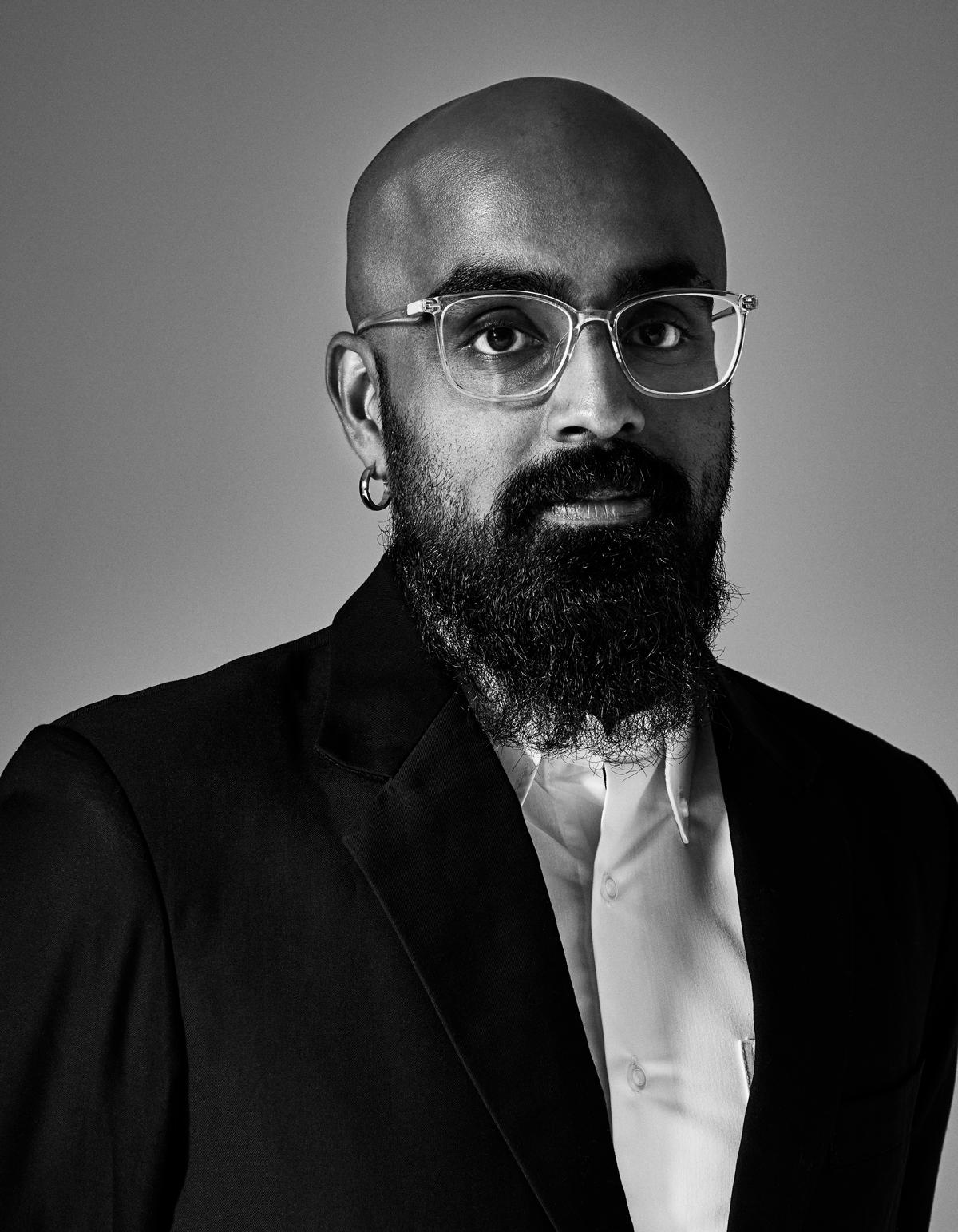
Deevak Premdas believes that technology can still benefit this segment, despite patent limitations. In 2021, his startup, Edsy Bitsy, introduced a data- and memory-lite mobile app that enabled distance learning without an Internet connection. The software allows educators to create, share, and co-opt interactive lessons and has been downloaded by some 1000 users in South Africa, Kenya, Uganda, and the Philippines.
“It works in an offline setting. Parents can go to a cafe and use the Wi-Fi to save assessments for their kids to work on at home even if they don’t have a connection,” he explains.
Lessons mimic the cadence of those delivered in a physical classroom, incorporating teachers’ voice notes to prompt students at each question, which they subsequently answer verbally through their own recorded clips.
It’s an intuitively structured concept dreamt up by two individuals who, interestingly, don’t have a background in education. Premdas and his co-founder Edwin Ho met as freshmen studying finance at the Singapore University of Social Sciences (SUSS).
Like many aspiring entrepreneurs, they’ve walked through a revolving door of startups, including a social enterprise that facilitated group buys. Only, Premdas’ upbeat countenance doesn’t betray the attendant and inevitable weariness of scuppered ventures.
“We both grew up in lower-income families, so finance was always a consideration. We want to empower underserved learners as we realise that education is the only thing that can create generational impact,” enthuses the fast-talking 27-year-old.
Engendering meaningful impact in an education system crimped by resource deficiencies, however, doesn’t pan out as smoothly as their mission statement may read. Premdas reveals that attempts to test their product in coordination with parents and overwhelmed public school teachers have hit logistical snags.
“They reply at a different speed than what we are used to in Singapore as they have a lot of things going on at one time, such as food shortages.” Not to mention, Internet connectivity issues that trip up video calls.
Edsy Bitsy also partnered non-profit organisations that “don’t have to follow strict regulations in terms of curriculum and give us more leeway to experiment with new learning content”.
For all the structural issues and twiddly communication glitches, positive feedback buoys the team. “Parents say that their children have become more confident after using our app. Students who didn’t want to speak in English because they were afraid of being judged are now better at structuring their thoughts and speech,” he shares.
Having won a DBS Foundation grant through the SUSS Impact Start-up Challenge, Premdas plans to further develop the app and introduce critical thinking and financial literacy skills. However, he acknowledges the challenges of balancing profit and impact in regions with limited funding and persistent inequality. While their business model isn’t watertight, they have identified an alternative revenue stream.
“Once we figure out the social return on investment, we approach companies to sponsor our programmes for schools, as large corporations fund non-profits, too.”
Videography: Belle Chew
Photography: Mun Kong
Producer: Cara Yap
Styling: Chia Wei Choong
Hair & Makeup: Rick Yang/Artistry, assisted by Alycia Tan, using Shiseido and Keune