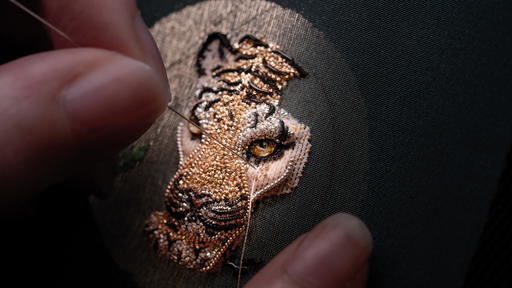

“Without art, the crudeness of reality would make the world unbearable,” wrote literary critic George Bernard Shaw. Art is one of the greatest expressions of culture because it can inspire and unite people. Fortunately, organisations such as the Michelangelo Foundation for Creativity & Craftsmanship recognise the vital importance of art to humanity. To ensure its survival and growth for generations to come, the foundation has taken concrete steps since 2016.
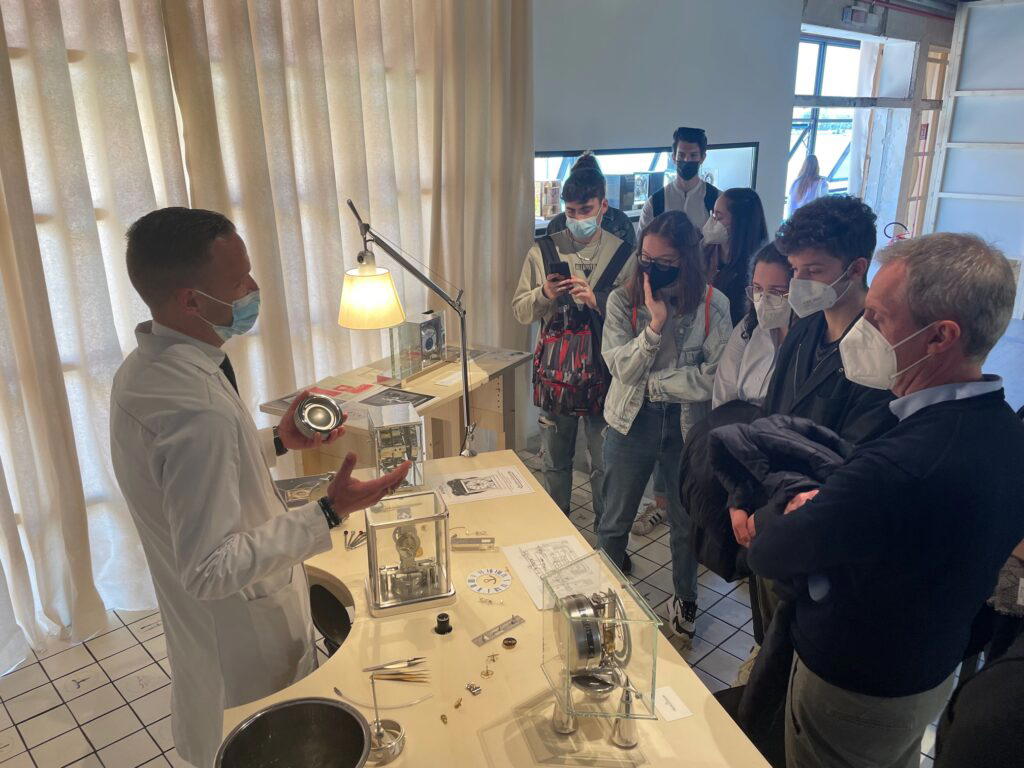
At the foundation’s Homo Faber event in Venice, artisans from multiple disciplines gather every two years. Some 350 designers and artisans from 30 countries participated in the 2022 edition, including Jaeger-LeCoultre watchmakers who showcased its Atmos Clock, a testament to the brand’s mechanical expertise.
Jaeger-LeCoultre participated for the second time, and it won’t be the last, especially since the maison recently announced a long-term partnership with the Michelangelo Foundation.
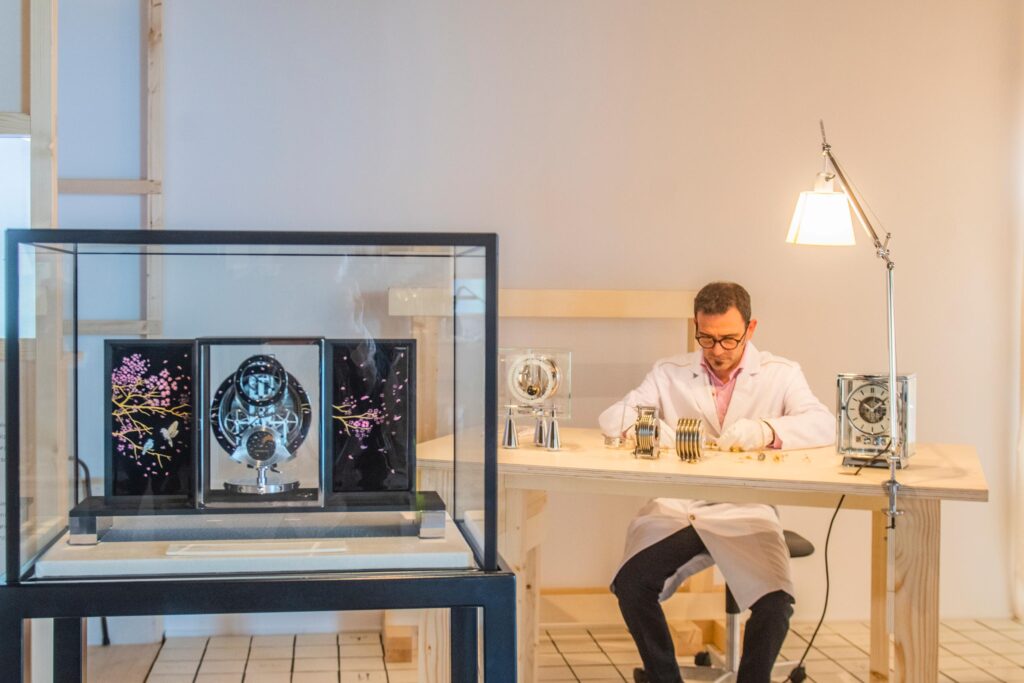
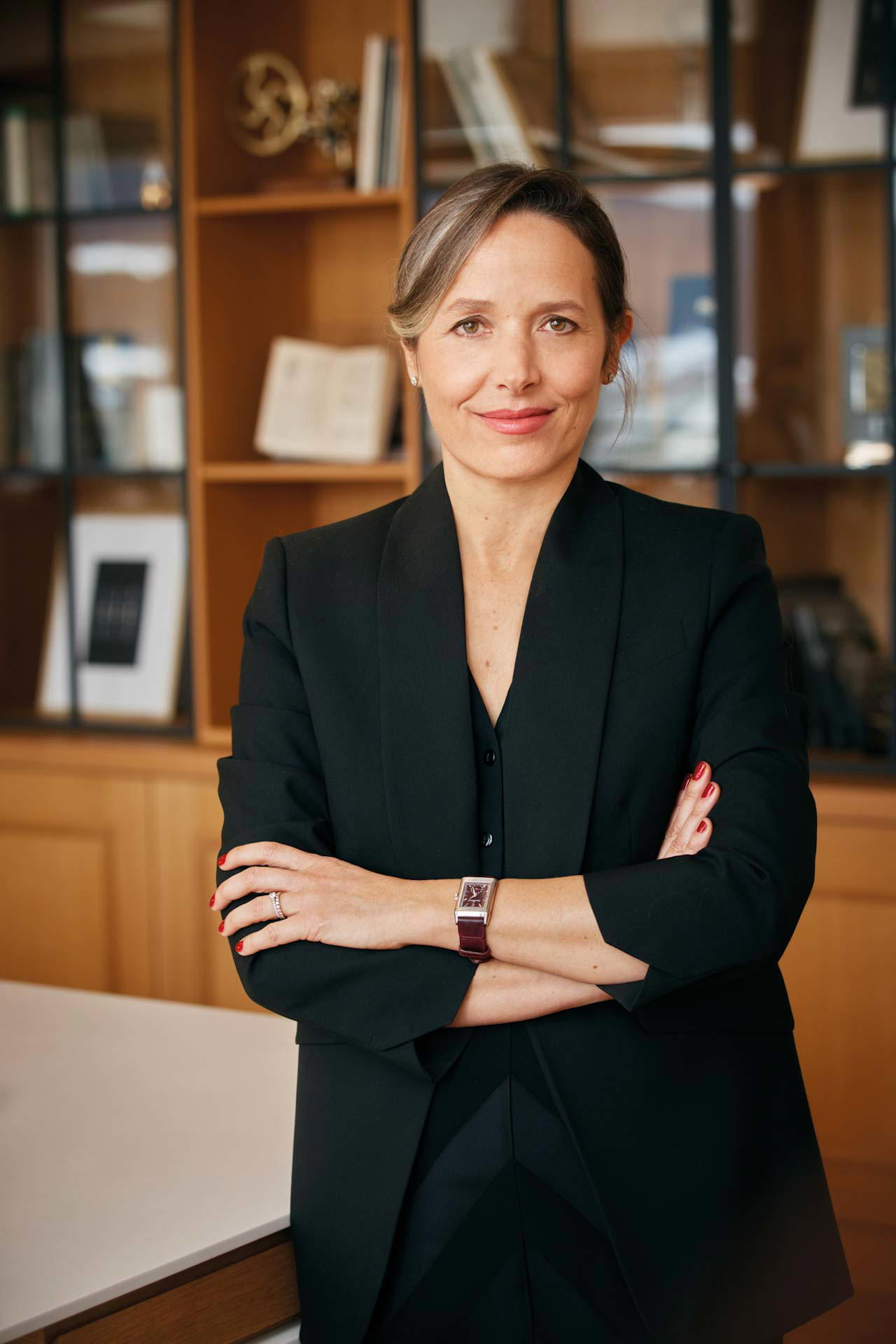
With its support, the foundation will expand its platform for emerging artists to develop their talents and passions into viable careers. “Our participation at both Homo Faber exhibitions left a lasting impression and ignited a desire to champion the future of artisanship. We share the same beliefs: protecting the craft, educating the younger generation, and giving them a chance to earn a livelihood from their craft. It’s also about promoting craftsmanship at large, which is important because it is about highlighting the work of the hand,” explains Catherine Renier, CEO of Jaeger-LeCoultre.
A key part of this collaboration involves securing mentorships for 20 young artisans—“maybe more in the future,” Renier lets on—and equipping them with basic business skills.
Apprenticeships are crucial to the development of artistic savoir-faire. By facilitating knowledge exchange between generations of artists, such initiatives serve as bridges between the past, present, and future.
“You can learn about craftsmanship in school. However, the best training comes from time, repetition, and watching experienced masters in action. The process takes time,” says Renier, who places a high value on education.
In her previous role as the Asia-Pacific president of Van Cleef & Arpels, she was responsible for the opening of the L’École School of Jewelry Arts in Hong Kong. In her current role, she ensures adequate resources are directed towards the brand’s apprenticeship programme, which has grown since she took over in 2018. Each year, the maison offers on-the-job training to about 30 students from watchmaking schools. “Investing in education is necessary to protect our world; it is a way of perpetuating our craft,” says Renier.
Jaeger-LeCoultre cultivates a culture of self-improvement as a company as well. Staff are encouraged to attend programmes to learn new skills or upgrade existing ones. In addition, it is one of the few watch brands that opens its doors to all watch enthusiasts. In its Atelier Antoine, a newly developed space at the brand’s original facility in Le Sentier, Vallée de Joux, educational programmes are led by the manufacture’s experts.
“The watchmaking industry has always been very secretive. Everything is done behind closed doors. I don’t believe that’s where the future should go. We need to open our doors to let people know more about our craft: what’s behind it, why we do it, and where it comes from,” she explains.
In September 2022, Jaeger-LeCoultre sponsored young artists from Europe at Morocco to attend the Michelangelo Foundation’s summer school, which taught craftsmanship and design courses. Renier hopes that with time, these initiatives will reach a broader global artistic community. She also hopes the maison will play a more active role in mentorship programmes in the future.
Adding watchmaking crafts to the curriculum, however, is not her goal. “If it happens, fine, but the most important goal is to protect craftsmanship in general. Our brand is already doing a lot to preserve watchmaking. I think it’s good to focus on other crafts with the Michelangelo Foundation.”
Ultimately, Renier wants be a patron to the arts. “Being an artist is difficult,” she says. “My goal is to give young creative individuals the opportunity to live through their art, have a career and be successful.”