A conductor joining an orchestra inherits more than a concert schedule—they inherit its sound and the audience’s expectations as well.
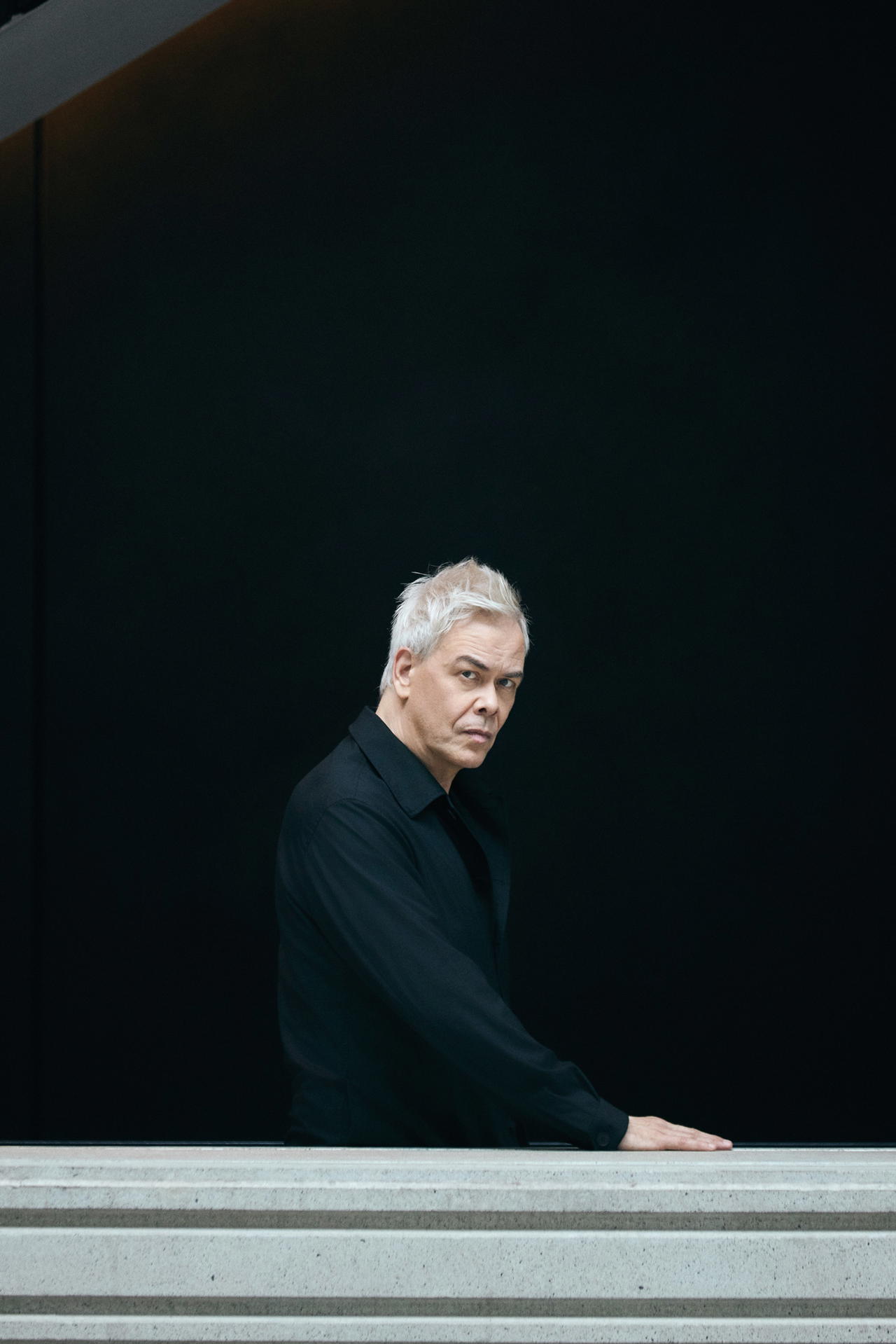
As the Singapore Symphony Orchestra (SSO) begins its 2026/27 season, Finnish conductor Hannu Lintu assumes the role of Quantedge Music Director, inaugurating the orchestra’s next artistic chapter. The title derives from a $3-million gift from a Singaporean donor linked to Quantedge Capital, the largest personal donation in the SSO’s history. Hans Graf was the first to hold the title; Lintu is the second.
Widely regarded as one of Finland’s foremost conductors, Lintu arrives in Singapore following leading roles with the Finnish National Opera and Ballet, Finnish Radio Symphony Orchestra, and Tampere Philharmonic Orchestra. In recent years, he has conducted many of the world’s leading ensembles. These include the Chicago Symphony Orchestra, New York Philharmonic, Berliner Philharmoniker, Cleveland Orchestra, and Boston Symphony Orchestra.
In this context of change, the SSO’s season offers a diverse programme featuring major symphonic works, contemporary pieces, and a significant China tour with soloists Chloe Chua and He Ziyu.
In the interview that follows, Lintu shares his artistic priorities, his approach to shaping orchestral identity, and the musical vision he has for the years ahead.
What attracted you to this position, and why now?
My first experience conducting the Singapore Symphony Orchestra in 2017 left an incredibly positive impression. I met an orchestra that was willing to work hard, and produced excellent results in a great atmosphere. I also met an audience that was extremely enthusiastic, and the concert hall was both beautiful and acoustically outstanding. That experience stayed with me over the years. On my subsequent visits, discussions about this role arose during a transitional period in my career—finishing a major position in Helsinki as Chief Conductor of the Finnish National Opera from January 2022 to June 2026.
I was fortunate to receive this invitation from the SSO, and I accepted without hesitation. The timing felt perfect. It offered a new cultural and geographical context, particularly in Asia, which I find most appealing. There are many things to learn here, and it felt like the right moment for a fresh artistic phase in my life and career.
How do you establish trust with an orchestra in the initial stages of your music directorship?
We are not strangers to each other, so we are not starting from zero. The key is to define how we create music together, and this is achieved through repertoire. It is especially important to begin with music that both the orchestra and I are familiar with. This process involves making music collaboratively and learning from each other. They will come to understand my approach, and I will gain insight into their preferences.
What do you hope audiences will associate with the Hannu Lintu era?
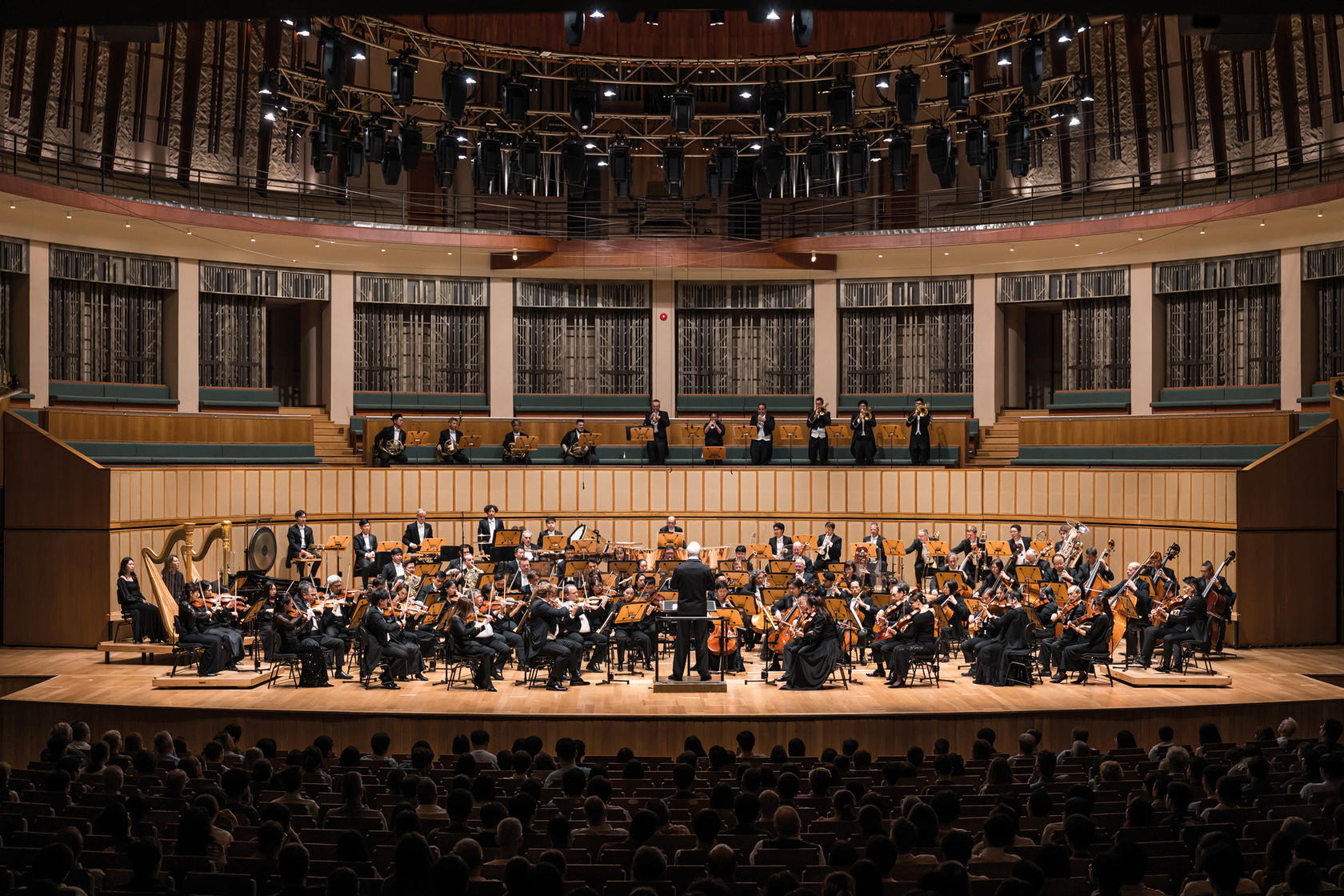
I am sure that by the end of my time, the orchestra will be somewhat different. I cannot describe everything in detail because I have a certain sound in my mind, and describing it in words is difficult. If I could, I would not need to be a musician. However, I am certain that audiences will experience a transformed orchestra, and will soon recognise my programming, which reflects my artistic vision.
Our work will centre on the standard repertoire while expanding into 20th-century music and contemporary music. I want to gradually incorporate more contemporary pieces and develop relationships with Singaporean composers. This could become an important artistic identity for the orchestra in touring and recordings. Additionally, Finnish music including Sibelius, and lesser known Finnish contemporary composers will play a significant role.
You mentioned composer friends of yours. Can you name some?
I am referring to people like Magnus Lindberg, Kaija Saariaho, a significant contemporary composer who has passed away but remains influential, and Sebastian Fagerlund, a close friend and a wonderful orchestral composer, among others.
Lindberg has composed some of the most important concertos of our time, Saariaho’s musical language is wonderfully scintillating, and Fagerlund’s orchestral works such as “Drifts” are mainstays in Europe.
For a conductor, working closely with living composers is essential. You learn valuable insights that enrich a conductor’s understanding as we are not creative in the same way. We interpret what is written in the score rather than create it. When I speak with composers, I learn things that also influence how I understand older repertoire, including Beethoven. This connection with living creative artists is extremely important to me, the orchestra, and the audience.
Are there composers or repertoire you feel especially excited to explore?
The standard classical repertoire remains significant, but I also feel a particular affinity for late 19th- and early 20th-century music. That period is especially central to my artistic identity, and it will be reflected in my upcoming programmes.
I feel a strong connection to that era—perhaps, whimsically, I might have lived in Central Europe in a past life. More seriously, I am drawn to its emotional intensity and psychological depth.
The early 20th century was a time of profound social and artistic change, with evolving styles such as impressionism, expressionism, late Romanticism. I find that fascinating. Works such as Strauss’s “Also Sprach Zarathustra” and Mahler’s “Symphony No. 5” reflect a sense of cultural and psychological transformation. It is also a time influenced by thinkers like Freud and Jung, and their understandings of the human mind.
It feels like the beginning of the modern world we live in today. I find that artistic decadence and complexity very compelling.
What risks should an orchestra be willing to take artistically?
An orchestra should always strive to perform at its best and remain true to the score and the composer’s language. At the same time, it should develop a distinctive sound. Many orchestras today sound similar, influenced by recording culture and the increasingly international backgrounds of musicians.
My goal for the SSO is to cultivate a recognisable sound that audiences can immediately identify as uniquely theirs, rather than hearing a generic international orchestra. This, paired with a high-level performance, is the most valuable artistic objective.