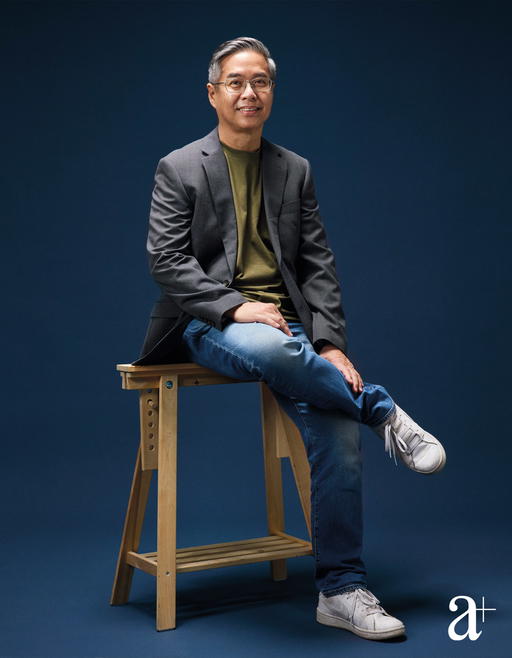

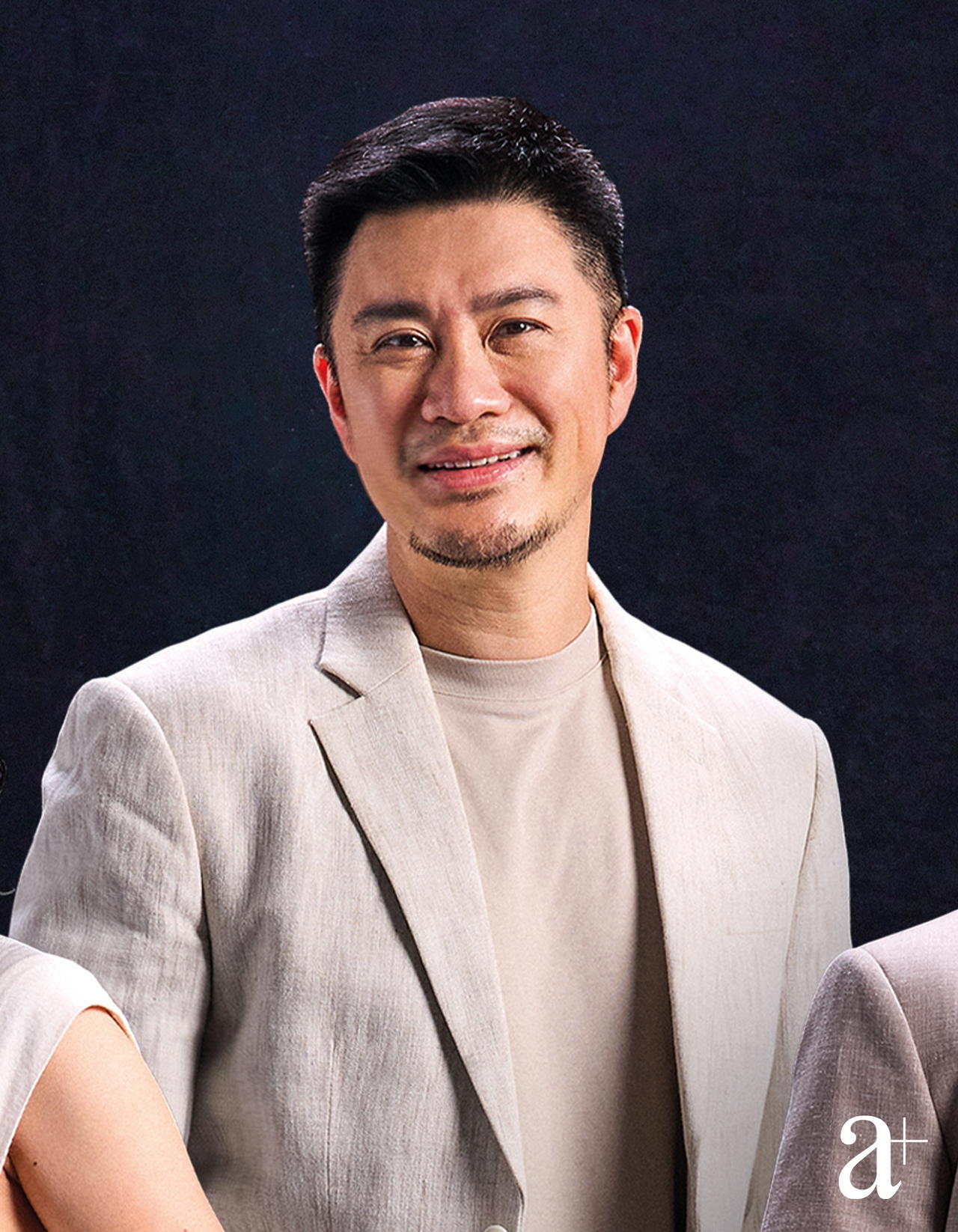
Dr Siew Tuck Wah stepped down as president of SOSD this year after 14 years but continues to volunteer as an advisor and serve on the medical subcommittee. For him, passing the baton (or leash) means allowing a new generation to lead while he supports the mission in a different capacity. He believes every organisation needs new blood, new ideas, and fresh energy to remain relevant.

Photo: Mun Kong.
How are animal welfare challenges different today?
Early on, much of our work focused on policy change. Following a successful trap-neuter- release programme, there are far fewer stray dogs and conflicts. The emphasis has shifted to maintaining harmony and balance. It is vital that sterilised stray numbers remain low and that abandonment does not cause populations to rise again.
Rehoming rescued dogs is another major challenge. Due to selection pressure, many of those rescued today are more skittish, requiring longer rehabilitation before adoption. We also need to find families that can handle dogs with specific behavioural issues.
When it comes to animal welfare, how do you measure success?
Historically, success was measured by numbers, including dogs rescued, sterilised, and adopted. Numbers still matter, but they are no longer the only measure. Every family that welcomes a rescue dog is a success today. The quality of life we provide for our shelter dogs is measured by the number we successfully rehabilitate.
Today, we measure success by every family that welcomes a rescue dog into its home. We also measure it by the number of dogs we rehabilitate for adoption and the quality of life we provide for those in our shelter. A shelter is still a harsh environment, and no dog should spend its entire life there.
To me, a shelter should be a bridge, not a destination. It should provide safety, care and rehabilitation before a dog moves into a loving home. Success is no longer just about numbers. It is about welfare, rehabilitation and giving every dog the best chance at a home.
Are there areas where you would like to see stronger collaboration between animal welfare groups, the public, and policymakers?
Certainly. Animal welfare groups have traditionally been fragmented, but initiatives such as Project Adore and the nationwide sterilisation programme have shown what is possible when organisations work towards a common goal. The more we collaborate, the more we can improve the lives of homeless animals.
Policymakers have also become more willing to engage with animal welfare groups, although they still tend to take a conservative approach. For example, we have been advocating for HDB households to be allowed to keep more than one dog, and that conversation is still ongoing. I hope continued engagement, data and public education will help move policies in a practical and compassionate direction.
The public also has an important role to play. Responsible pet ownership, adoption, sterilisation and a commitment not to abandon pets are essential. Animal welfare cannot depend on shelters and volunteers alone; it has to be a shared responsibility.
What is the Singapore you want to build through your work?
I want to build a Singapore that is kinder, not only to animals but also to people. How we treat the most vulnerable among us, including animals that have no voice, reflects the kind of society we are. Through SOSD, I hope we can help build a more compassionate and inclusive Singapore.
To me, animal welfare is ultimately about empathy. When we learn to care for animals with compassion, we also become more compassionate towards one another.
If we were to have this conversation again in another three years, what would you hope has changed?
I hope there will be improvements to our centre. Our current shelter is a significant improvement on the previous one, but it still has limitations. The dogs are housed close together in a noisy environment, which makes rehabilitation more challenging, and we do not have a dedicated space for educational talks or outreach activities. We have been looking for a more suitable site, but cost and availability remain challenges. A better facility would support rehabilitation, adoption, education and community engagement.
For street dogs, my hope is simple: that every one finds a loving home. No dog should have to spend its life, or die, in a shelter.
For animal welfare in Singapore, I hope to see stronger enforcement against animal abuse and neglect, as well as better regulation of pet registration and abandonment. I also hope Singapore becomes more like some European countries, where dogs are welcomed in more public spaces such as eateries and shopping centres.
More than anything, I hope we become a more compassionate society.
Photography Mun Kong
Art direction Ed Harland
Hair Sarah Tan, using Goldwell
Grooming Keith Bryant Lee, using Laura Mercier
Photography assistant Hizaun Zailani