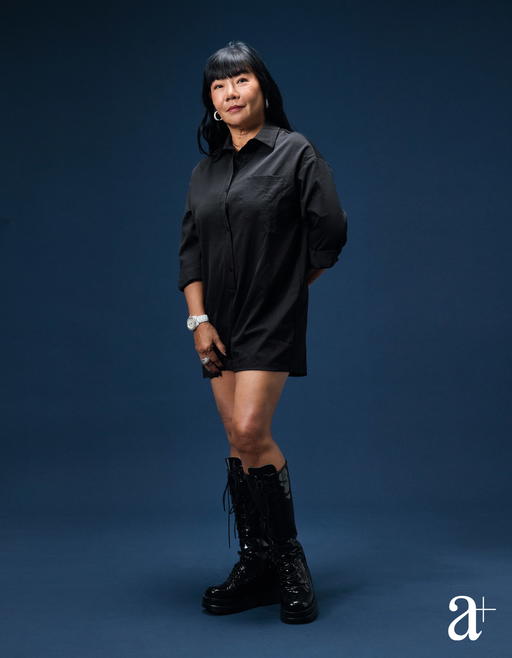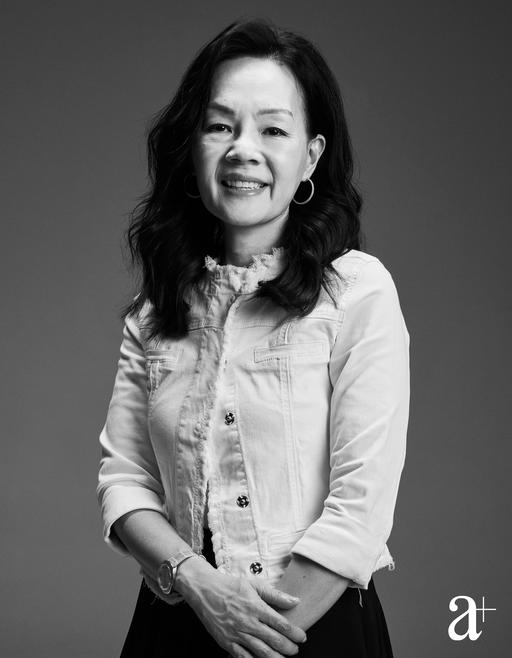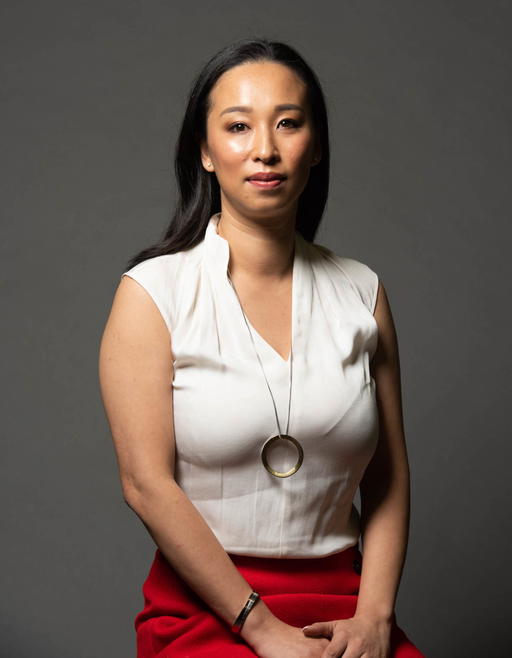
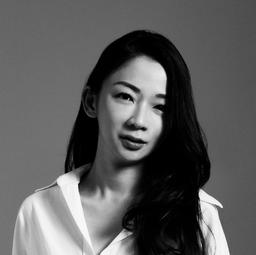
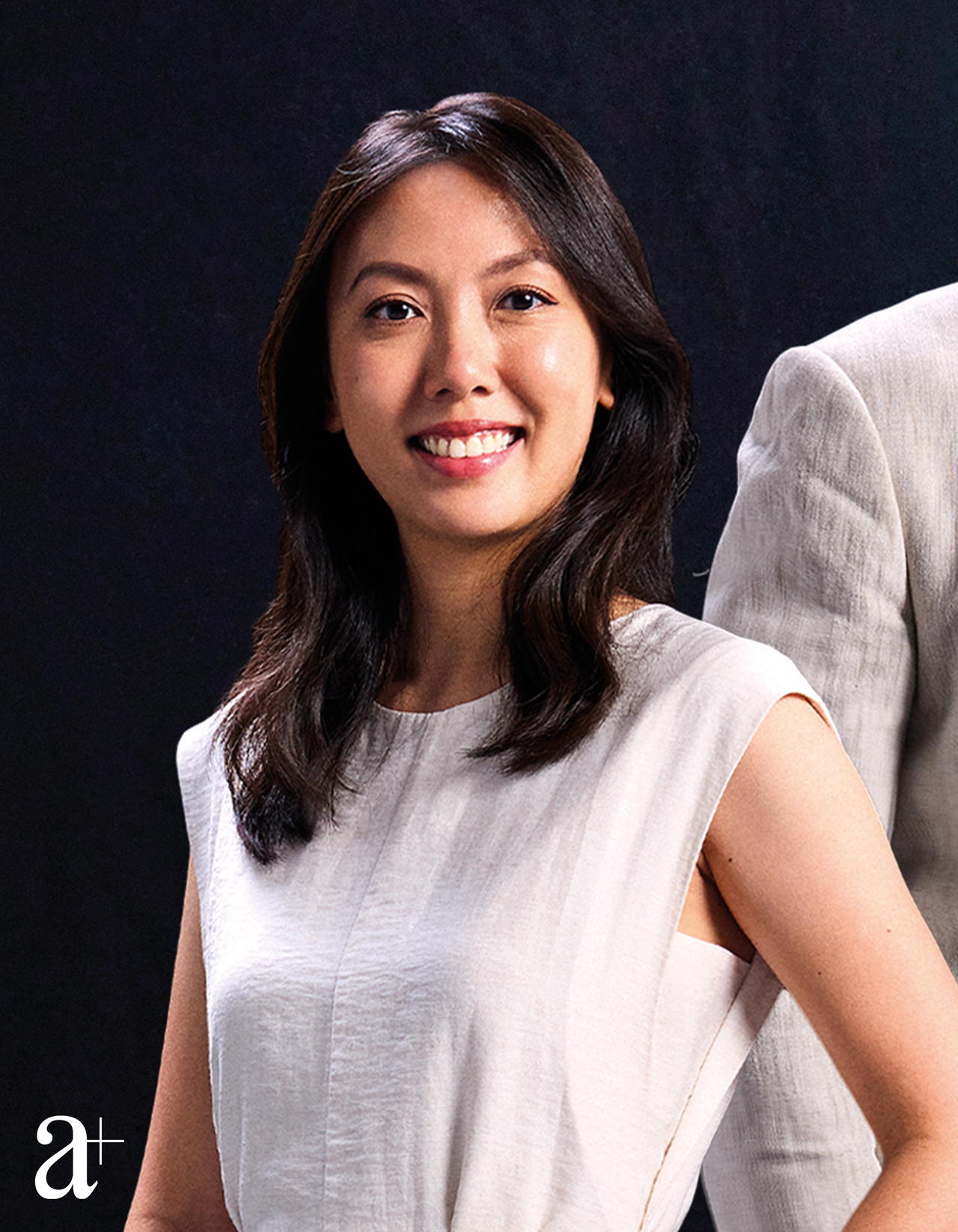
The Radiant Spectrum is a music education centre and social enterprise offering adapted piano and music lessons for children and young adults with special needs. Since our feature on Samantha Soh-Tann in 2023, it has grown to support more than 200 regular students and a further 100 through partnerships with special education schools.
Milestones include winning the President’s Challenge Social Enterprise Start-Up of the Year Award in 2023—the same year the company launched its inclusive hiring initiative. The school currently employs Sabitha Thamilselvan, a teaching assistant on the autism spectrum.
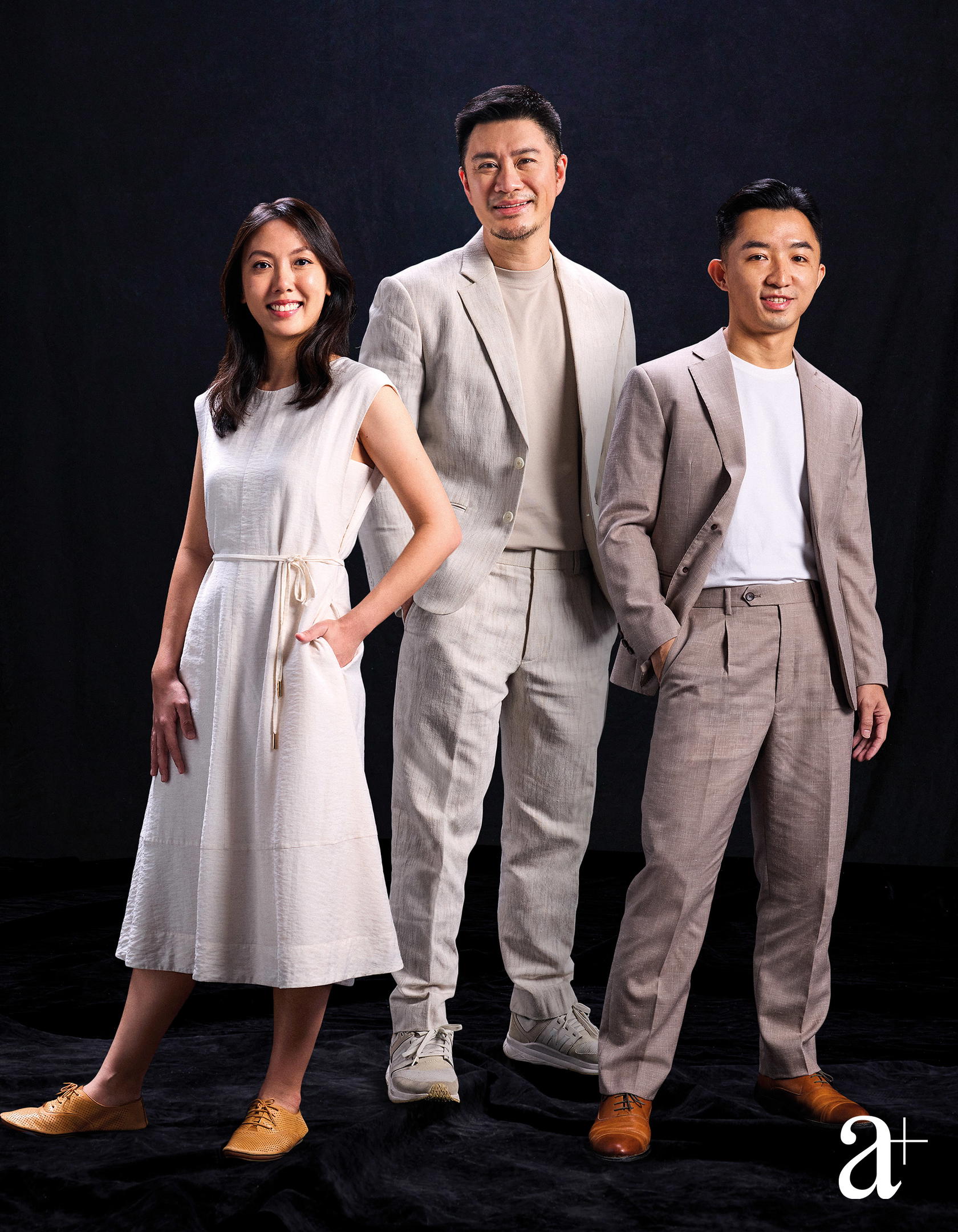
Photo: Mun Kong.
During our last chat, you spoke about creating opportunities that recognise the strengths of neurodivergent individuals. How does this show up through your work now?
One of the clearest examples is our annual student recitals. They celebrate every child’s progress, recognising that success looks different for everyone. Apart from celebrating students who achieve piano certifications or perform challenging repertoire, they also recognise milestones such as a student attending a 45-minute lesson independently, adapting to changes in routine, or finding ways to communicate through words, actions or music.
In 2023 and 2024, we also organised Christmas concerts featuring our more advanced students. Beyond performing, they introduced their pieces, spoke to the audience and became role models for younger students. Many of our students still remember those concerts today.
How has the public and employers’ understanding of autism and neurodiversity changed?
Singapore has made meaningful progress, with greater awareness of neurodiversity translating into everyday empathy. When students get overwhelmed or wander into offices, our neighbours are more understanding. While these small moments show growing acceptance, there remains a gap between awareness and true inclusion. The Radiant Spectrum prioritises hiring neurodivergent individuals. An inclusive hiring process involves more than just opening a position; it includes being supportive, adaptable, and flexible.
What has been the most significant decision you’ve made to grow the school?
Most music schools expand by opening branches across different parts of Singapore to reach new markets. We chose to do it differently. Instead of opening branches across Singapore, we chose to expand within the same building in Tanjong Pagar. Keeping the team under one roof allows teachers to support one another, respond quickly when students need extra help, and maintain consistency in the quality of support. Although this has resulted in slower growth, it has helped us preserve the culture and standards that are central to our work.
What does a truly inclusive workplace look like to you?
Hiring neurodivergent team members has changed my understanding of inclusion. Sabitha’s mother reached out because her daughter had a Grade 7 piano certification but couldn’t find employment due to her moderate needs. I couldn’t be a hypocrite who rejects an autistic applicant while teaching those with special needs.
Instead of expecting Sabitha to fit an existing job description, we redesigned a teaching assistant role around her strengths. To help her thrive, we made practical adjustments, providing a quiet space to regulate and investing heavily in coaching alongside working with her mother.
What is the Singapore you want to build through your work?
I hope to build a Singapore that is understanding, accepting and, more importantly, optimistic about disability. Too often, conversations focus on limitations, support needs, or what people may never be able to do. I would like us to spend more time talking about potential, possibility and participation.
Much of the conversation today centres on employment and how neurodivergent individuals can contribute. However, many of the students I work with have high support needs and may never be able to find employment. Their parents often worry about regression after they leave school. Even if they cannot contribute through work, we should be asking how they can continue to participate in their communities and have a sense of belonging.
I hope society moves beyond viewing neurodivergent individuals through the lens of charity or sympathy, and instead finds ways to include them in their communities.
Photography Mun Kong
Art direction Ed Harland
Hair Sarah Tan, using Goldwell
Grooming Keith Bryant Lee, using Laura Mercier
Photography assistant Hizaun Zailani