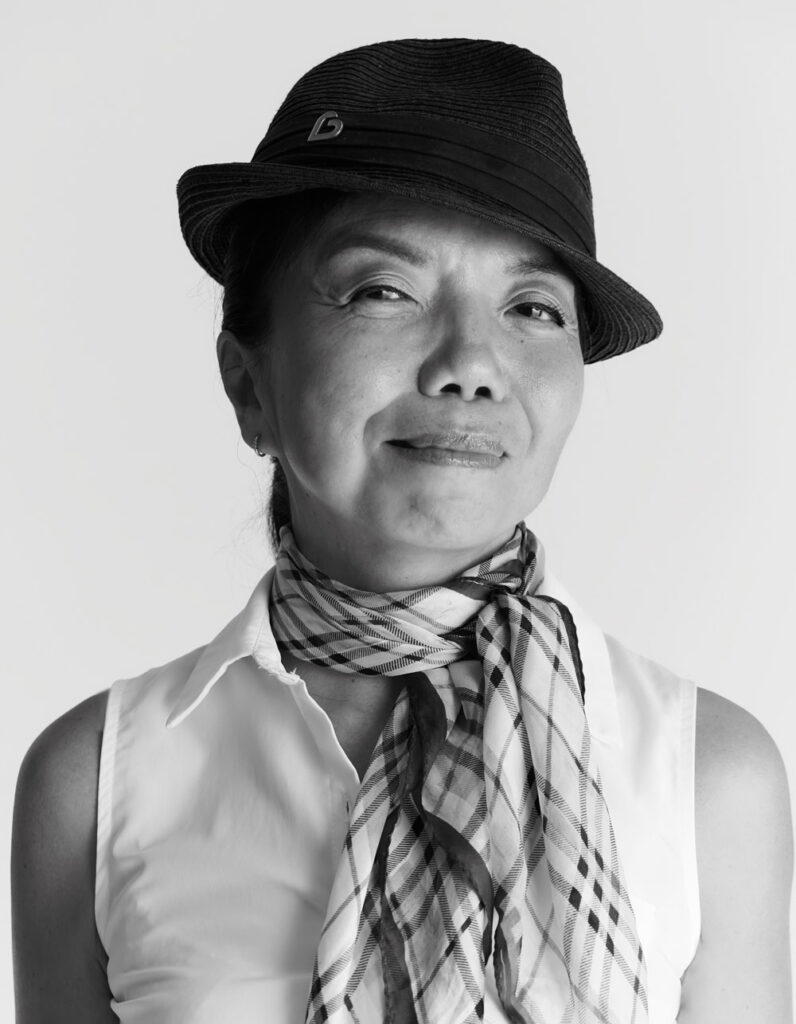
Speaking for the Trees in Parliament, by Faizah Jamal
“All those in favour say Aye….” Just as the all-too-predictable majority voices were to reverberate in the House, Low Thia Khiang of the Workers’ Party (WP) rose, and said, “Madam Speaker, I call for a division.”
Amidst a puzzled buzz in the House, Speaker Halimah Yaacob called for the Serjeant-at-Arms to ring the bell and lock the doors. The Serjeant At-Arms’ voice boomed dramatically in the House, “Doors locked, Madam!”
As the Speaker called for members who supported Mr Low’s request to stand, my first thought was, “Thank goodness for Constitutional Law class all those years ago in law school!”
Not even a regular Member of Parliament (MP), never mind the Nominated Members of Parliament (NMPs), would have heard those words too often in a House dominated for so long by the same party.
At that moment, I thought, “If I don’t stand up now, I can never look at myself in the mirror, or look my children in the face, ever again.”
So I stood up.
I could not see who else was standing. All the Opposition MPs and NMPs were either behind me or to my left. I resisted the temptation to turn around and see who else was standing because I thought it would not be a very MP-ish thing to do.
To this day, I wish I did!
That choice of standing up to support the call for a division was not just the single most defining moment of my short two-and-a-half years in Parliament; it was also one of the most memorable moments in my life.
Putting My Hat In The Ring
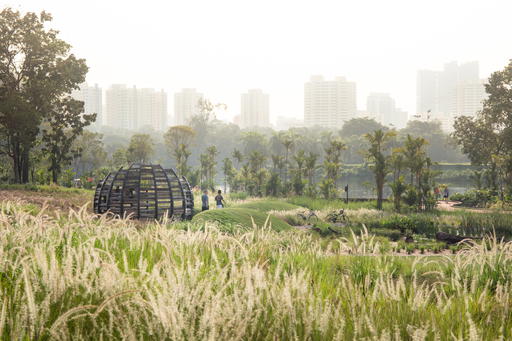
The Nature Society of Singapore had been approached to consider putting in a name for the nature conservation and advocacy community, under a new platform — the “Civic and People Sector”.
“We at Nature Society would like to nominate you for the Nominated MP position,” they told me in a phone call.
“Why me?” was my incredulous reply.
Like all Singaporeans, especially after the watershed 2011 General Election, I had my own armchair criticisms of the political scene but being in Parliament had never been on my radar.
I told my two children I would not agree if they did not think I should do it.
“You mean you get to teach them all the environment stuff you taught us and your students? Say ‘Yes’, Mama. We can totally see you in Parliament!” they said, as if being in the highest law-making body of the land was the same as facilitating problem-based learning environment education classes.
So I put my hat in the ring.
At the interview, when asked what I would wish for as NMP if I had three wishes, I cheekily said, “Only three? EIA laws, EIA laws, EIA laws,” and explained why.
I did not know it then, but demanding Environment Impact Assessment laws was to become a recurring theme in many of my speeches, including at the Population White Paper debate.
In the middle of class on 2 February 2012, my audible gasp of “Oh my God” alarmed my students. I had received an email from the Parliament Office confirming that I had been selected.
My work of raising consciousness among young people, not just about the environment but also about being politically aware, had just taken on a whole new level.
I was terrified.
Are Elected MPs Enough?, by Anthea Indira Ong
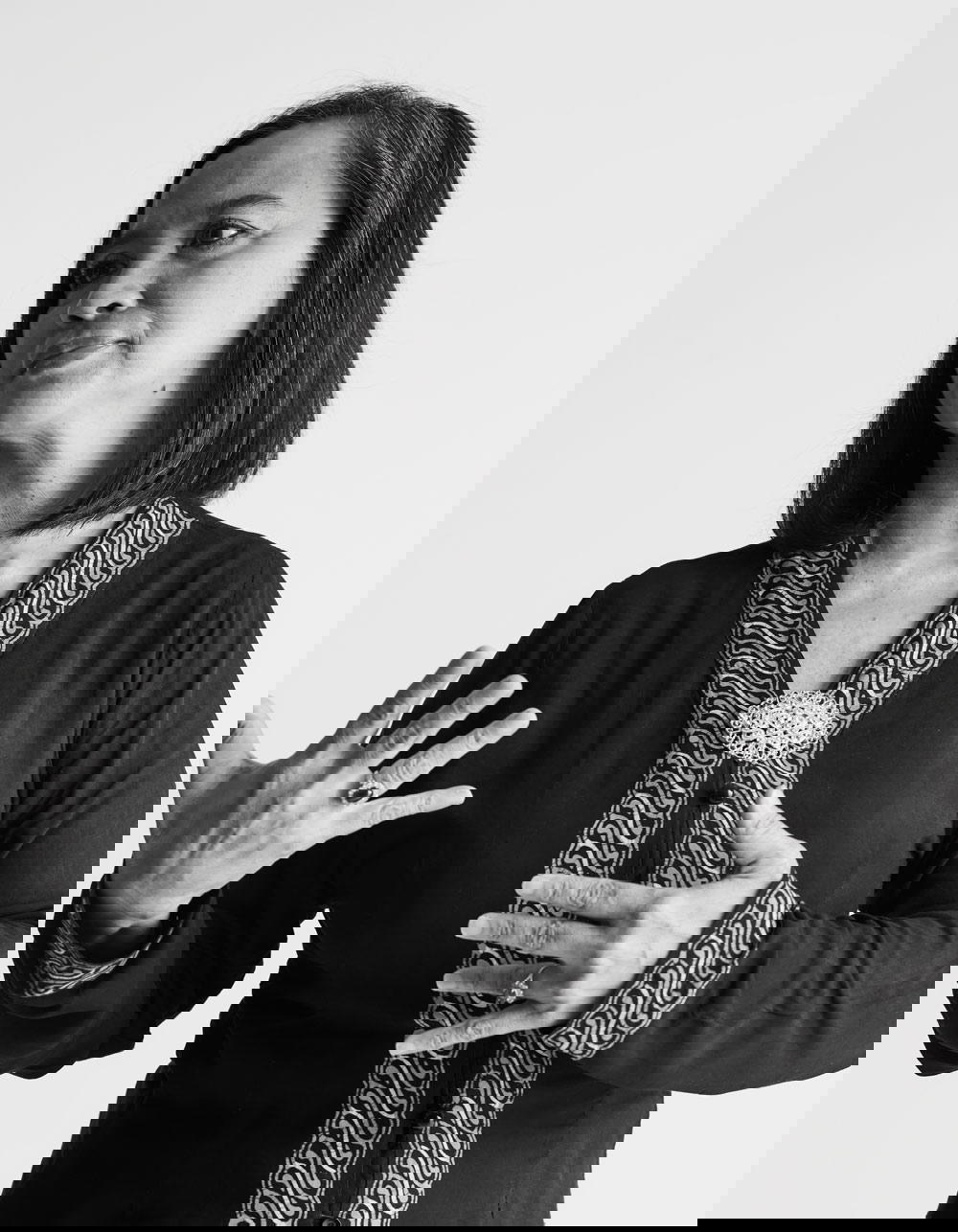
“The Nominated Member of Parliament or NMP scheme is a parliamentary innovation in a unicameral system that is uniquely Singapore…,” was how I began my earnest sharing on a wintry morning in London at the UK Commonwealth Parliamentary Association’s 68th Westminster Seminar on Effective Parliaments on 25 November 2019. Representing Singapore with MP Murali Pillai, I found myself as an NMP — and my choice of that Prussian blue cheongsam — the subject of much curiosity for my fellow parliamentarians from all over the Commonwealth. Through the week of many questions and conversations, I was shamelessly self-justifying and zealously defending the merits of this feat of electoral engineering, peculiar to the political context of my country with its supermajority Parliament and single-party dominance since independence.
Yet it was only eight years before, following the 2011 “watershed” General Election, that I had promptly turned down a nomination invitation from a civic sector luminary. I was not suitably convinced then of the usefulness of the NMP scheme in an electoral democracy. Nor was I persuaded that being an NMP could be more impactful for the communities that I care about than being a social entrepreneur solving problems directly with people on the ground.
Notably, in those eight years, nothing about the NMP scheme changed, nor did the parliamentary supermajority held by the People’s Action Party (PAP). Unfortunately, neither did the mounting challenges facing mental health, marginalised communities (including migrant workers) and Mother Earth (I call these the “3Ms” of my heart) that we were and are still grappling with as a society.
So my mind changed when the second invitation came from the National Volunteer & Philanthropy Centre (NVPC) in early 2018. I stepped forward, no longer asking whether unelected voices should be in Parliament but determined to serve the “3Ms” and curious to find out if elected MPs are indeed enough in a supermajority Parliament amidst rising inequality.
Of “Hobby Horses” and “Unvotables” in a Majoritarian Democracy
I sometimes forget that this supermajority Parliament we have had since independence came as a result of the “extra parliamentary struggle” boycott of elections by the Barisan Sosialis in 1968. It prompted a slew of parliamentary innovations, including the Group Representation Constituency (GRC), Non-Constituency MP (NCMP) and NMP schemes.
During the heated 1989 debate on the NMP scheme, amongst other reasons, then-PAP MP Dr Tan Cheng Bock argued against the scheme on grounds of NMPs “peddling self-interest”, quoting then-Prime Minister Lee Kuan Yew by his use of “hobby horse”. Dr Tan also added that “…we must beware of the eager-beavers who are supporting this scheme because they want to get into this House to serve their own ends and not the interest of Singaporeans”.
I must say I am happy to have proved him right 29 years later — about the “horse” part, not the “beaver” (“eager” would have seen me say yes the first time round)!
“How are you able to speak about mental health in just about every bill?”, asked a fellow NMP earnestly midway through our term. Indeed, I was relentless in surfacing my “hobby horse” of mental health during the two years to underscore the widespread impact that policies have on the mental health of the population.
My volition in championing mental health began in 2006 following my own brush with depression. For too long (and in some quarters even today), mental health was merely deemed a “medical” issue but where and how we learn, live, play, work and age clearly impacts our mental well-being. Social inequalities are also associated with increased risk of mental disorders.
Therefore, everything we do — or do not do in Parliament — affects the mental health and well-being of our people.
The absence of a robust mental health discourse in Parliament when I joined was thus deafening and disturbing, so was the lack of public engagement on mental health policies. My team and I conducted a public consultation on mental health that informed and substantiated my Budget 2020 debates.
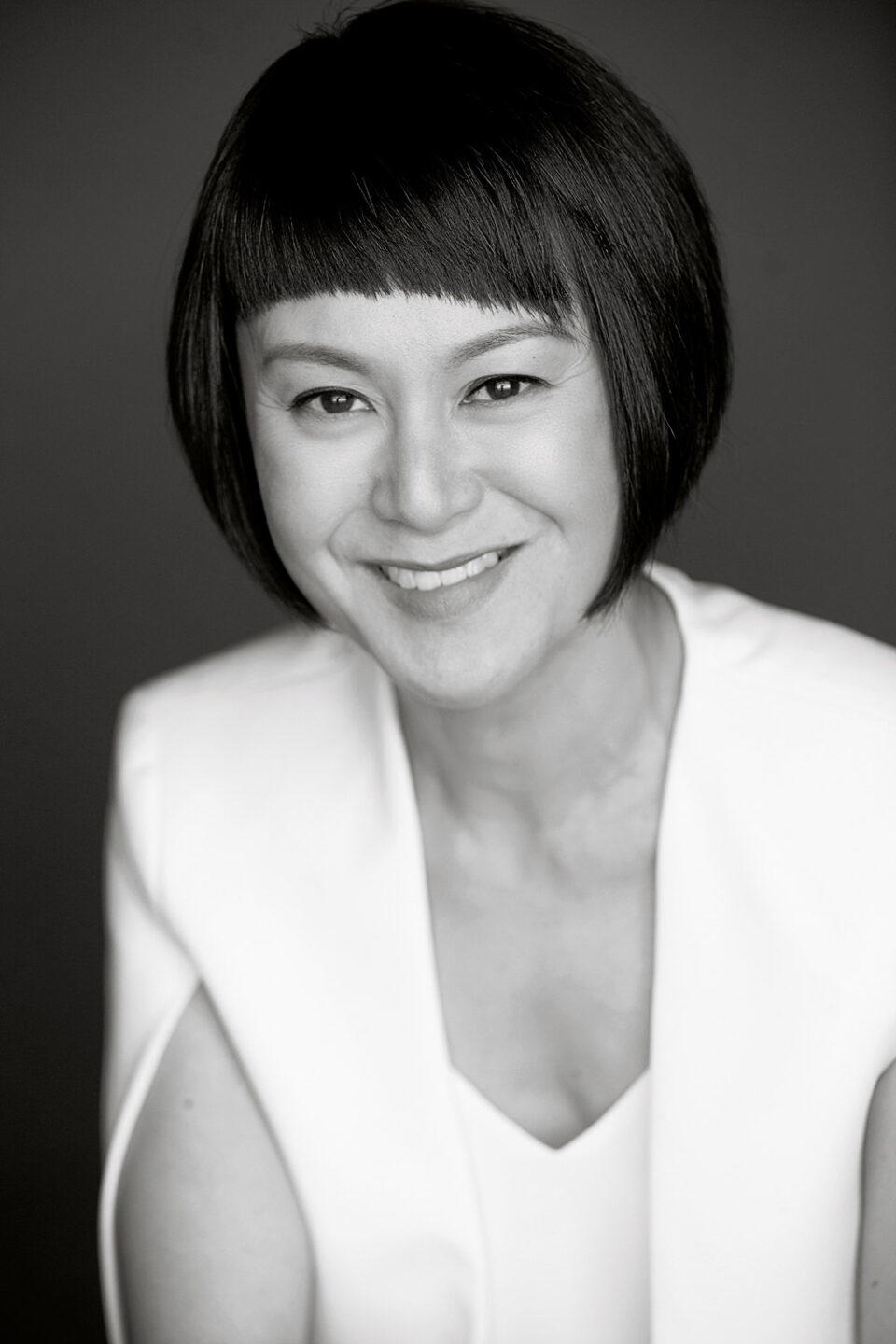
Choosing an NMP for the Arts: A Unique Process, by Janice Koh (pictured) and Audrey Wong
The atmosphere in the airy warehouse space that was the headquarters of Singapore theatre company, TheatreWorks, was abuzz with anticipation and conversation. Over a hundred actors, visual artists, dancers, theatre designers, production managers, curators, arts managers, stage managers and ardent supporters of the arts chatted with old friends, greeted acquaintances and eagerly discussed what was about to happen. A few veteran arts practitioners sat quietly and intently, aware of the significance of this gathering and perhaps thinking about the pressure on the three people that the crowd had gathered to meet in this specially convened town hall to select the new Nominated Member of Parliament (NMP) for the Arts.
The three candidates about to enter this room had stepped forward in the bid to represent the arts in Parliament. They had considered their readiness to speak for the diverse groups of arts and creative practitioners conveniently lumped together as the “arts community”, and considered the issues they were prepared to champion in the parliamentary arena. They had met a previous Arts NMP to chat about the NMP selection process, the expectations of the role and what it was like to be a member of the august chamber and be counted as a peer to elected MPs who include Ministers and Parliamentary Secretaries. They were now nervously waiting in a separate room, preparing to meet their “constituents”, answer questions and clear any doubts that the arts community might have about their suitability as representatives.
Each candidate made a short campaign speech to the room, which was followed by an intense question-and-answer session. Several people in the crowd sought clarification about each candidate’s values and preferred causes as well as their stance on controversial issues. A couple of hours later, the community cast their vote for their preferred candidate who would have just a matter of days to prepare and submit the application to the Parliamentary Select Committee.
That year in 2011, the choice of the arts community was Janice Koh, who would be interviewed by the Select Committee and appointed as the second Arts NMP, after Audrey Wong in 2009.
There is of course, no pre-requisite for the NMP nominee from any functional group to come from a voting process. Uniquely, the arts community initiated their own ground-up process of finding a candidate in 2009. It is a process that runs in parallel to the mainstream nomination one often led by sector representative organisations or sector champions.
The Singapore Business Federation, for instance, would typically put forth their candidate to represent the business and industry sector and likewise, the National Trades Union Congress (NTUC) for the Labour Movement. In the case of the arts which is part of the “media, arts and sports organisations” functional group, the search for candidates is usually spearheaded by the Chairperson of the National Arts Council (NAC). As such, after the arts community has made their choice, the candidate would try to seek endorsement from the NAC before submitting their application to Parliament.
However, the arts community’s choice is not necessarily the choice of the Parliamentary Select Committee. In 2014, the Select Committee did not choose the arts community’s nominee Kok Heng Leun, the Artistic Director of Drama Box, though Kok was eventually appointed an NMP in the next round of selections.
In 2018, the two nominees put forward by the arts community, visual artists Dr Woon Tien Wei and Dr Felicia Low, were not selected.
Instead, the NMP appointed was Terence Ho, Executive Director of the Singapore Chinese Orchestra, who had not gone through the arts community’s town hall nomination process.
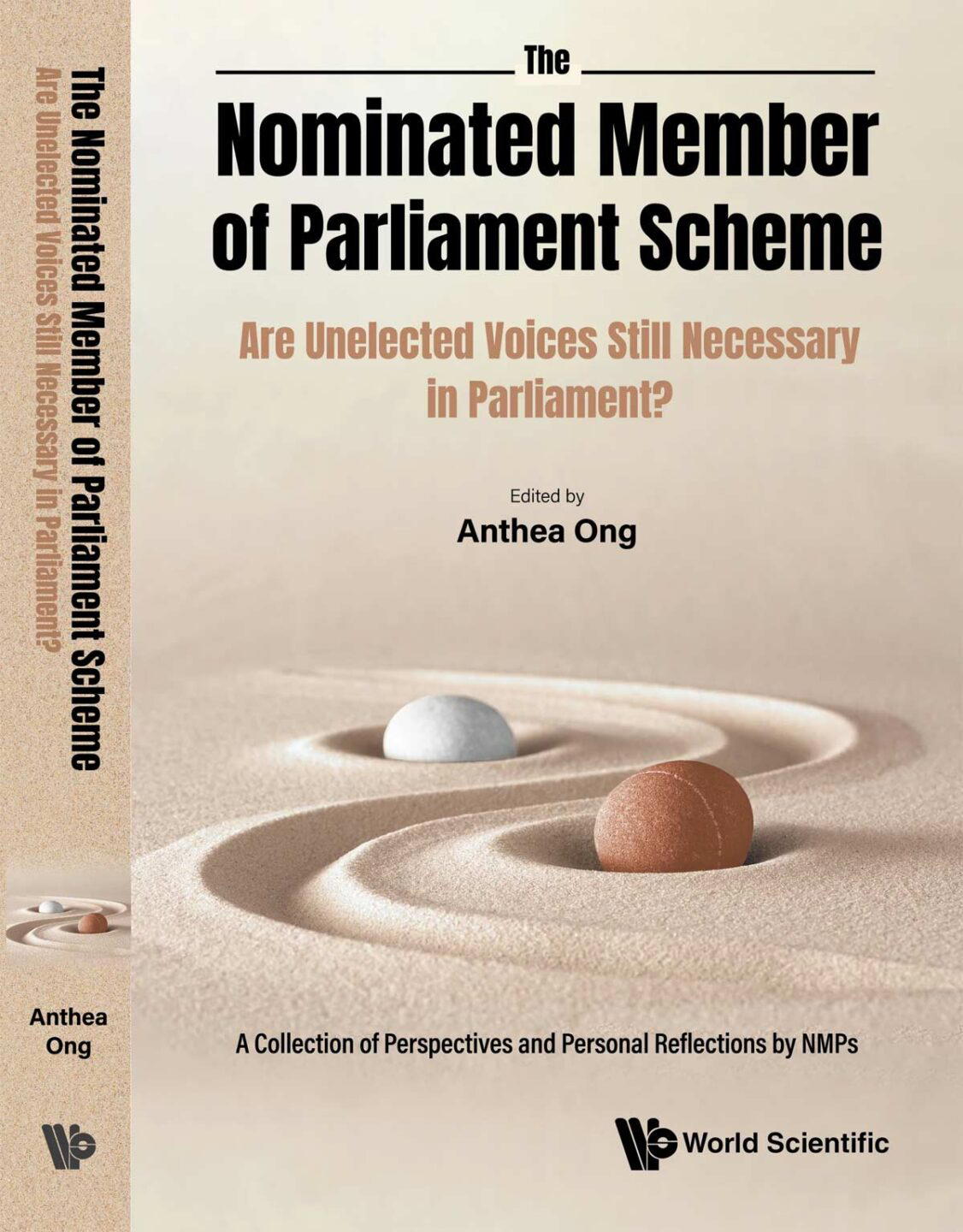
The NMP Scheme: Are Unelected Voices Still Necessary In Parliament? is now available.