Singapore has achieved what few other urban centres have: integrated care into the very fabric of society. As a result of careful urban planning, architecture, and design, it has created an environment where health and longevity are paramount, becoming the world’s first Blue Zone 2.0.
Blue Zones, originally coined by American author Dan Buettner, are longevity hotspots where people lead longer, healthier lives. Examples include Sardinia in Italy and Okinawa, Japan. They are distinguished by a strong sense of community, nutritious diets, active lifestyles, low chronic disease rates, and minimal stress levels.
The original Blue Zones were naturally occurring, shaped by tradition and culture, but Singapore is quite different. Health and well-being are fostered in a modern, urban setting.
Blue Zone 2.0 status was awarded to the city-state because its leaders supported policies and environmental strategies to ensure the physical and mental well-being of residents simply by living in the community. Instead of powerful supplements, special diets, quick fixes, or hacks to attain the fountain of youth, we are modifying our surroundings and lifestyles to make healthy choices easy in the long run.

For example, Healthier SG, implemented in 2023, helps Singapore’s health system cope with its ageing population and rising chronic disease rates. As the focus shifted from long-term healthcare to managing and improving one’s health, collaboration across governmental organisations became an essential part of the process.
At hawker centres—regarded as primary convening points among locals, regardless of socio-economic status—the Health Promotion Board nudges healthier consumption habits. Now you can choose a meal with fewer calories and less oil, sugar, and salt.
Rooftop Gardens, Green Spaces & Building Friendships
DesignSingapore Council (DSG) has also been instrumental in incorporating care into the design ethos of the country. “With a more affluent society, along with better healthcare and nutrition, we started seeing chronic illnesses linked to a certain urban lifestyle,” explains Dawn Lim, Executive Director.
“We started to evolve our thinking along with the science. We needed to look at longer-term, upstream interventions to empower individuals to own their health journeys, instead of waiting for the government’s intervention at the therapeutic or disease level, which could be too late by then.”
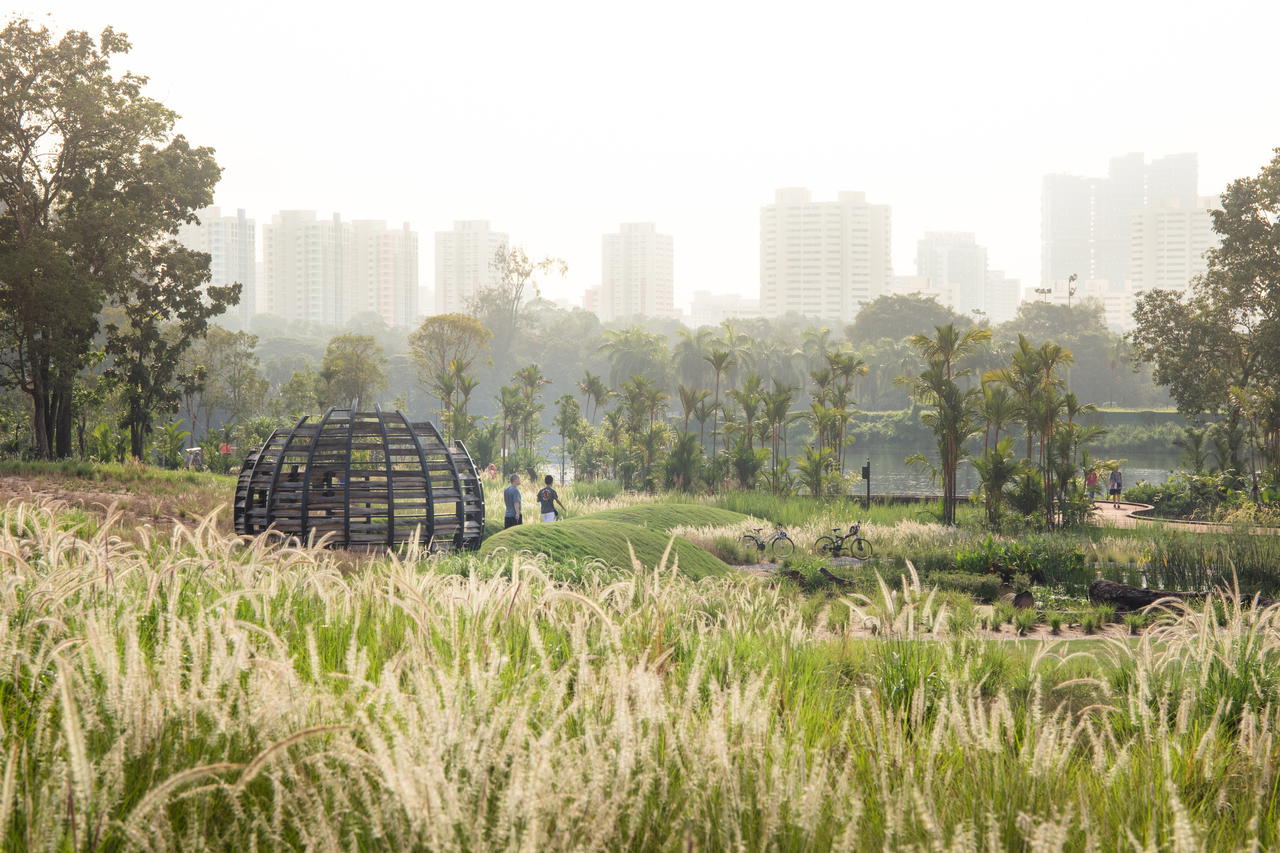
Singapore’s holistic approach to care is also evident in its urban planning and infrastructure, which aims to foster a healthy, sustainable environment for its citizens. A significant aspect of this transformation is integrating nature into the cityscape. Its City in Nature vision includes stress-reducing green spaces and parks throughout the island, implemented not as an afterthought but as an integral part of the urban design.
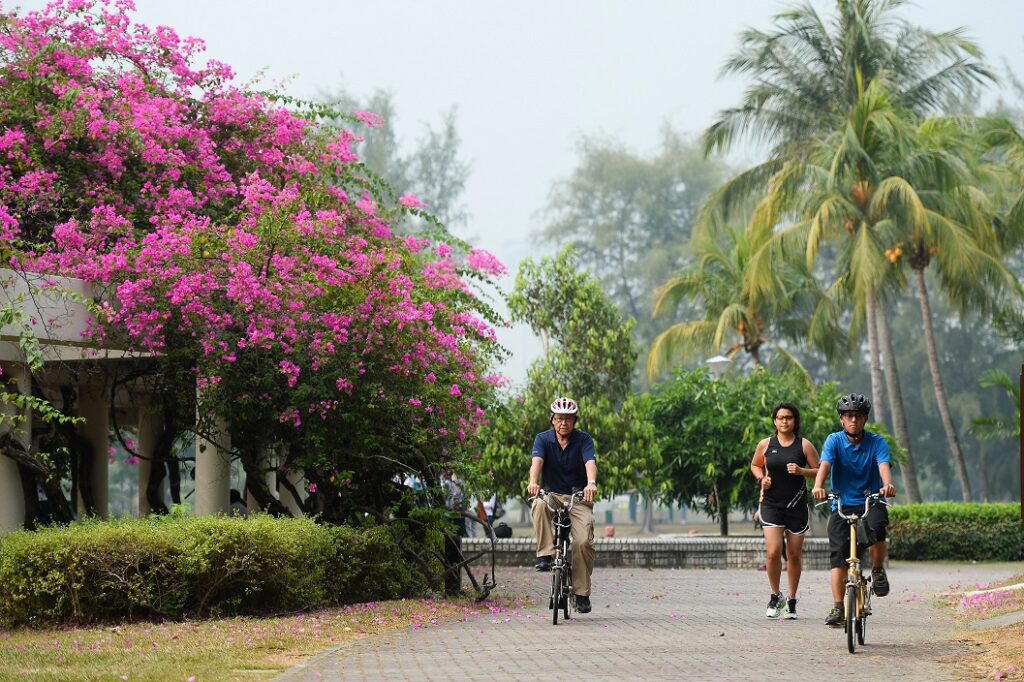
This strategy includes the Park Connector Network. It consists of 380km of trails linking parks, nature reserves, and waterfront areas via green corridors that make it relatively easier for residents to integrate exercise into their daily routines and reduce their dependence on automobiles.
National Parks Board has also created healing gardens in public spaces, including Woodlands Healing Garden. It is the first healing garden attached to a hospital and the most extensive therapeutic park featuring carefully selected plants and landscaping that evoke tranquility and mindfulness.
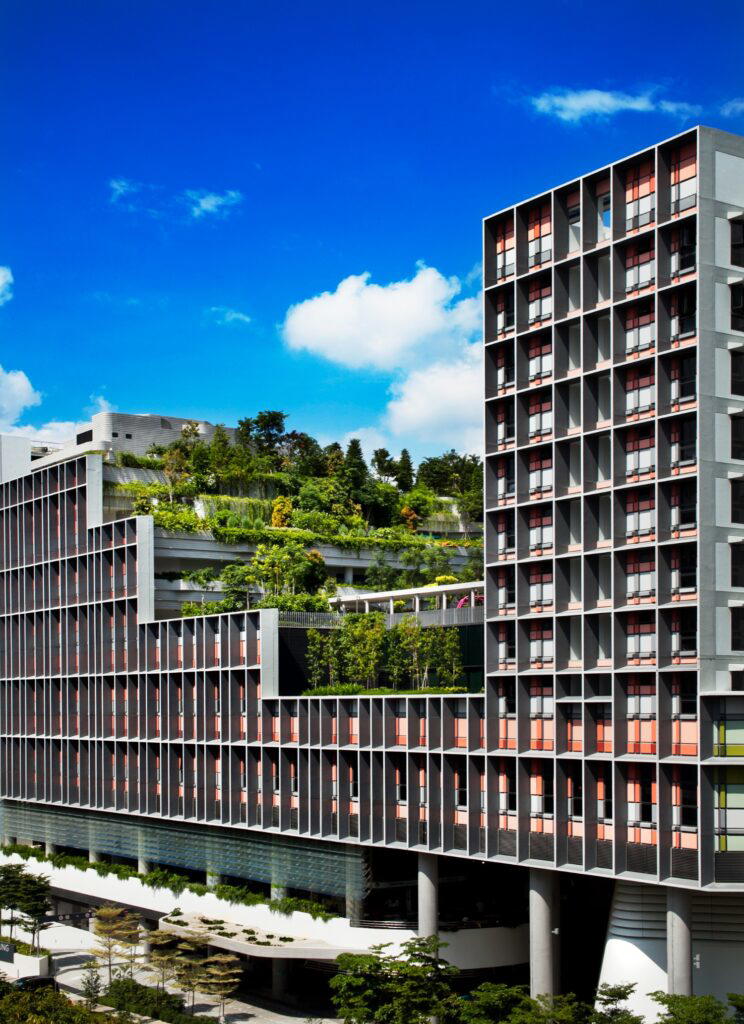
Kampung Admiralty, meanwhile, is a multigenerational vertical village designed by Singapore-based architecture firm Woha. A one-stop integrated complex that redefines ageing in place, it combines public housing, healthcare facilities, eldercare and childcare centres, retail spaces, a food court, communal areas, and rooftop gardens to ensure residents remain socially connected and live active, independent lives.

Among Singapore’s most innovative projects, it promotes health and wellness for seniors through architecture. “The holistic approach to Kampung Admiralty looks at how the development positively impacts residents, the wider district, and nature,” says Wong Mun Summ, Co-founder of Woha.
Architecture can make cities more liveable and delightful by considering how they can increase amenities for the district, bring nature into the city, and promote an active and healthy lifestyle, rather than just as a standalone building, says Wong.
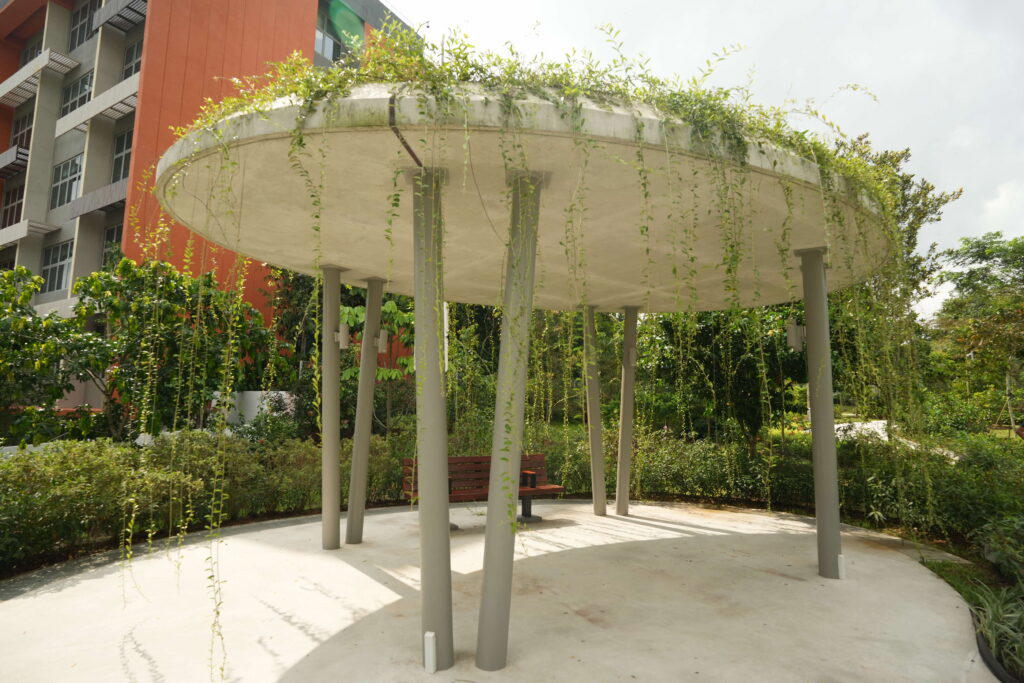
From the smallest to the largest, you can expect a wide variety of social spaces: buddy benches that span apartment entrances to promote friendships and build a support system for neighbours; green outdoor areas where you can enjoy fresh air, catch up with a neighbour, or exercise; a community-run urban farm; cross-programming between the old and the young; and a sheltered plaza for group events like aerobics classes, exhibitions, markets, and celebrations.
The plan is designed to encourage residents to spend time outdoors in nature, and to engage in activities that promote well-being.
Singapore’s vision of health will expand as it evolves. Through initiatives like DSG’s School of X, a classroom without walls dedicated to solving real-world problems through design thinking, design is pushing the boundaries of wellness.
“Understanding how to motivate and meet the needs of people as they age, and designing services or interventions that align with their personal situations, would benefit from a design-led approach,” says Tamsin Greulich-Smith, Director of School of X.
“It will allow us to determine effective measures for preventative health that could reduce the gap between health span and lifespan (the number of years spent living healthily). Making it easier and more appealing for people to make healthier lifestyle choices is a critical opportunity for design.”
Repair & Recovery
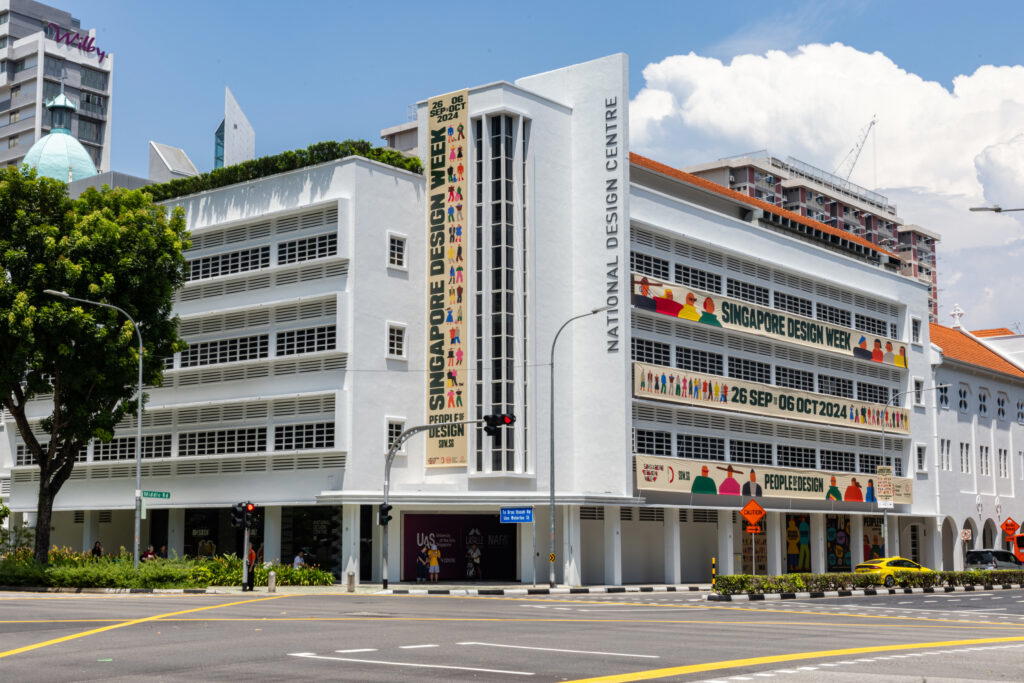
Singapore’s focus on well-being extends beyond physical health to include emotional resilience. One notable project was designer Hans Tan’s “Heal: Repair+” exhibition in the Bras Basah.Bugis Design District, which merged the concept of object repair with mental health.
Part of Singapore Design Week, which attracted more than 190,000 visitors and 700 creatives to over nearly 80 events from 26 September to 6 October this year, it invited people to donate broken items of personal significance, which were subsequently fixed by eight Singaporean designers.
The act of repairing served as a metaphor for emotional healing, reflecting how repairing objects can represent mending lives, from refinishing wedding shoes to turning a grave medical report into a party popper.
Tan questions: “What if the stories we tell ourselves shift when the objects associated with them change? Could we externalise an internal breakdown into an object, repair the object and then internalise that restoration back into our personal experience? This exhibition aims to blur the boundaries between design and mental wellness, exploring how design can enrich life and alleviate suffering.”
During Singapore Design Week, Forest & Whale’s ‘Sleep’ installation at Naumi Hotel also explored everyday rituals. With design playing a crucial role in improving sleep, Forest & Whale addressed various factors related to poor sleep, such as light, temperature, and stress.
The team developed a sleep hygiene routine through self-guided instructions, including physical exercise, a warm foot bath, an infusion of chamomile, lavender oil aromatherapy, and banana eating. Drawing on clinical research and real-life accounts of insomnia, a VR experience explored struggles with disrupted sleep patterns in five individuals, from a breastfeeding mum to a night-shift taxi driver.
“Design paints narratives that allow us to see with new eyes,” says Wendy Chua, Co-founder of Forest & Whale. “Empathy is the first step to becoming a more caring society. We learn to extend a word of kindness to the security guard as we leave our office building or empathise with the less-than-cheerful doctor who may be completing a work shift from 28 hours ago. Sleep is not to be taken for granted.”
“The first step towards being a more caring society is to empathise.”
Wendy Chua, co-founder,
Forest & Whale
As urban centres around the globe grapple with the challenges of ageing populations, mental health crises and environmental sustainability, Singapore’s approach to care can offer valuable lessons for other cities.
By engineering care into its urban landscape—through green spaces, smart architecture, inclusive design, and innovative healthcare—it has demonstrated that physical and mental wellness can be intentionally cultivated in an urban environment.
Of course, what works in Singapore may not work in all countries because of the political system and cultural acceptance differences, Lim admits.
“However, as urbanisation, ageing, and climate change continue to affect every major capital, what we are trying to say is that Singapore, as a microcosm of a city facing all of these problems and with a very diverse population, can perhaps serve as a prototype nation for other countries to see what is possible.”