It is elegant and airy in the main dining room at Tian, Vienna’s lauded vegetarian fine-dining restaurant, with sweeping overhead arches and a stuccoed ceiling in shades of sandstone and ivory.
In the basement, it’s a different story. Jars filled with items reminiscent of mediaeval apothecaries line the floor-to-ceiling shelves in the different rooms. In a liquid the colour of iodine, strange roots float alongside dried leaf buds labelled with unrecognisable names. In the pastry kitchen pantry, pink magnolia petals macerate slowly next to the alien shapes of kombucha fermentation cultures.
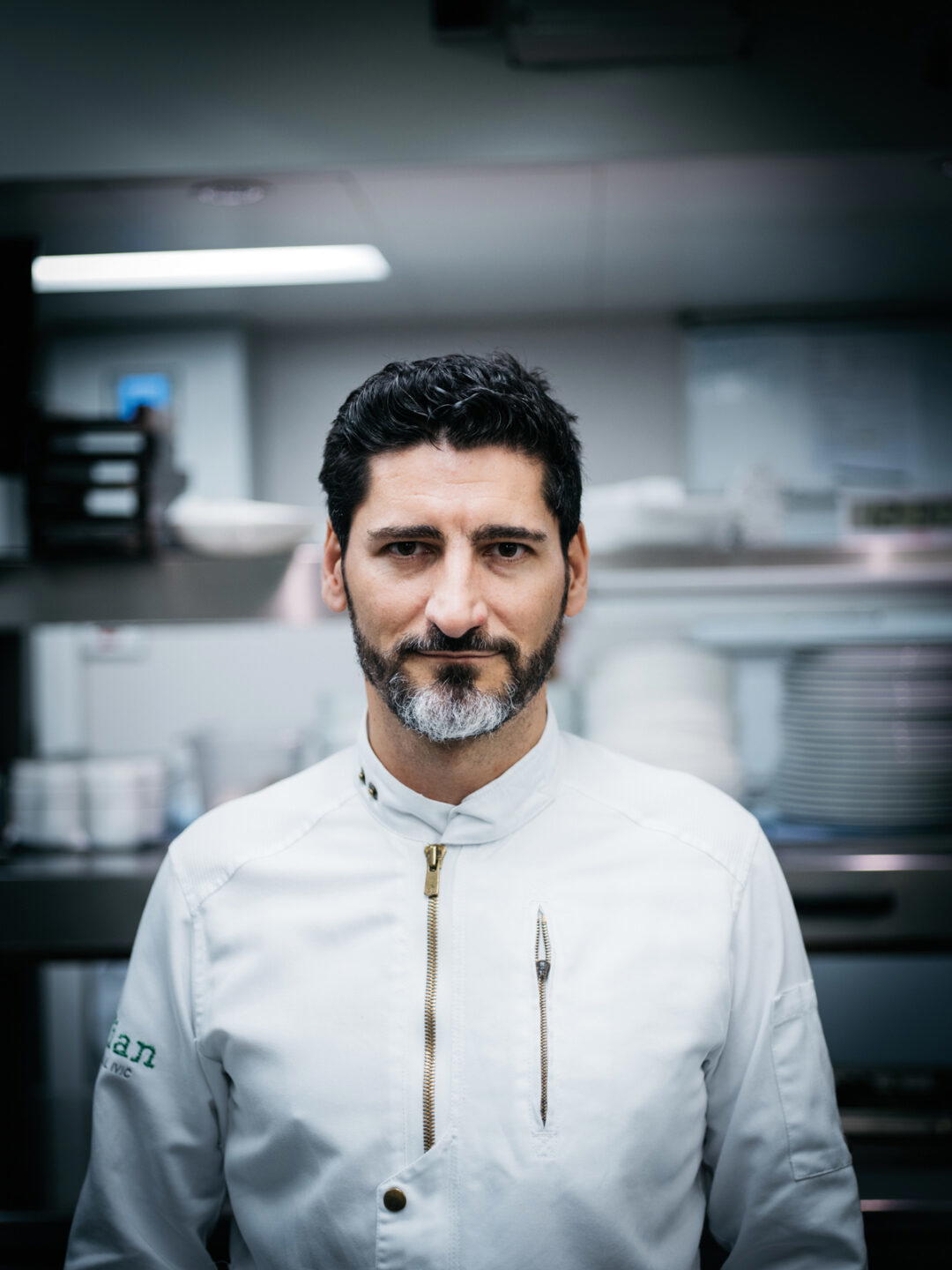
Photo: Ingo Pertramer.
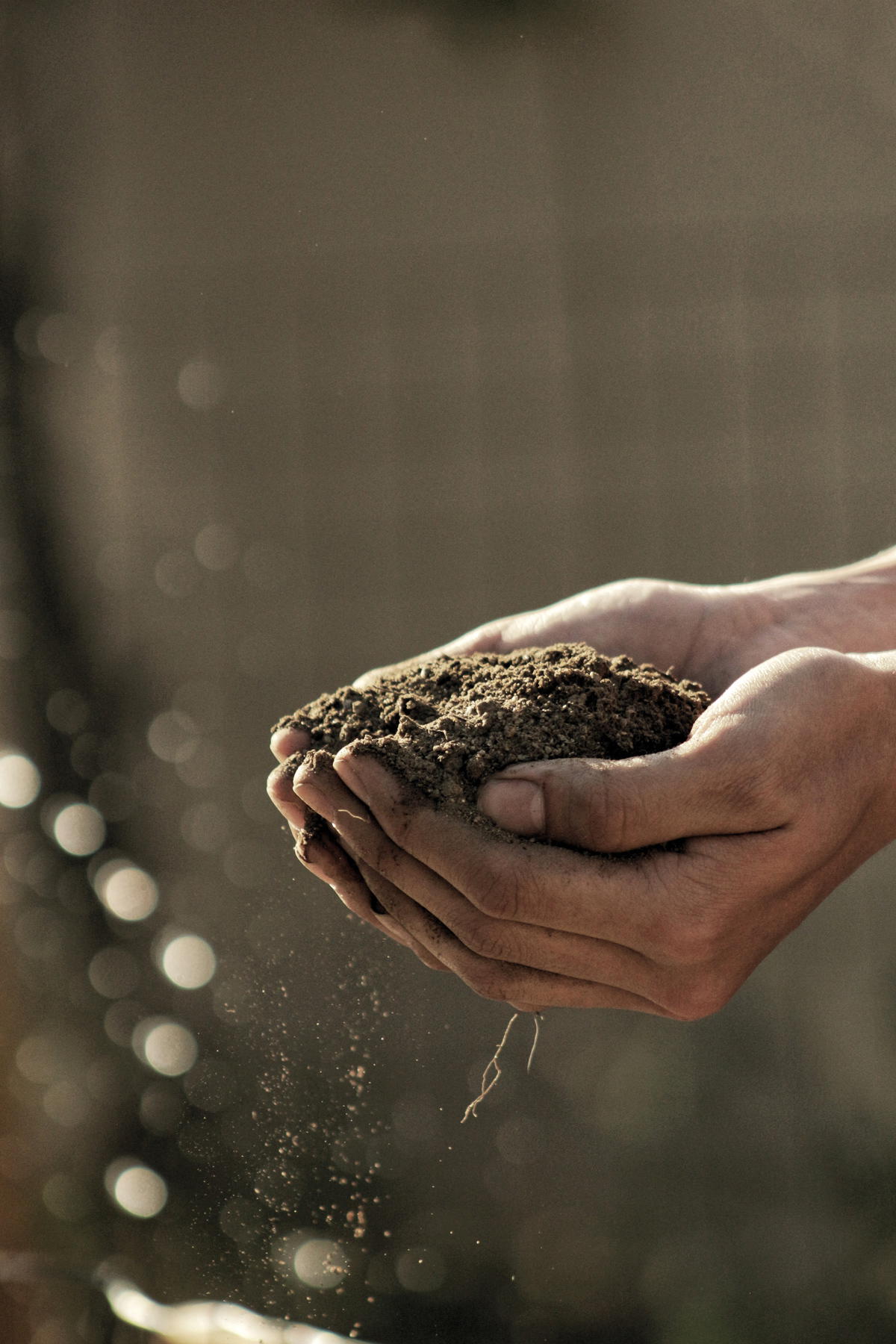
This is chef Paul Ivić’s domain. He pickles, preserves, dehydrates and sautés, steams and roasts, root to leaf, a vast library of plants for the dishes he serves upstairs. Although Ivić turns raw ingredients into Michelin-starred marvels, he also understands that flavour begins much earlier than when the produce even reaches his kitchen. A plant’s roots go back to the soil where it grew. “If the soil is bad, there is no taste and no nutrition,” says the softspoken, deep-thinking chef.
“I expect high standards from myself, my producers and their products, and my team. Taking an interest in my food’s origin, and those who produce it, is my way of showing respect for nature, plants, and animals, and those who care for their well-being.”
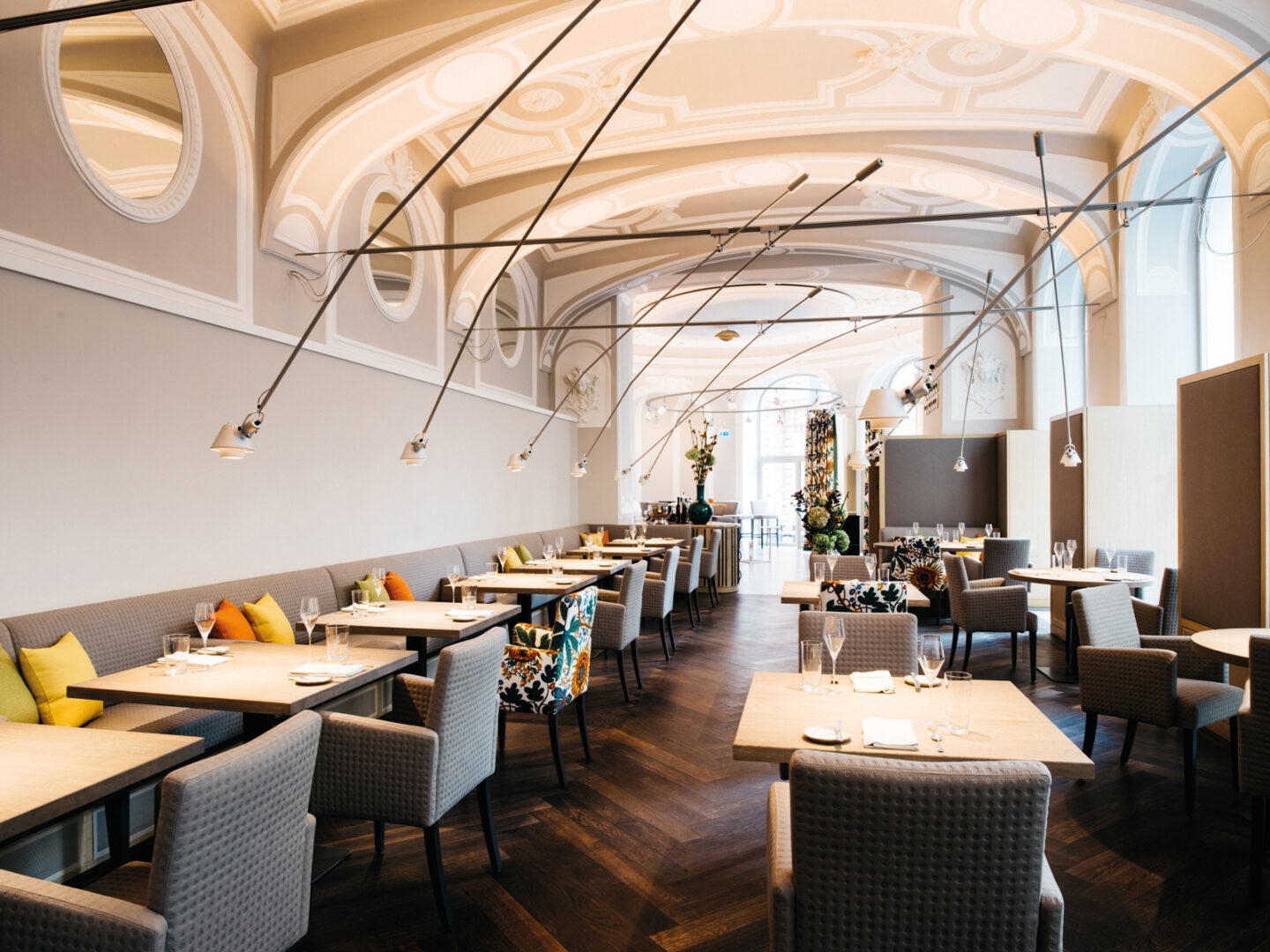
Photo: Ingo Pertramer.
Ivić has been running Tian for over a decade, earning it four Gault & Millau toques and Michelin’s new Green star for sustainability in recognition of his uncompromising approach to healthy farming, low waste, and social ethics.
According to him, this is the only viable option; otherwise, “in the long run, we will destroy our planet.” Globally, 33 per cent of soils are already degrading while over 90 per cent could degrade by 2050, according to the UN’s Food and Agriculture Organisation.
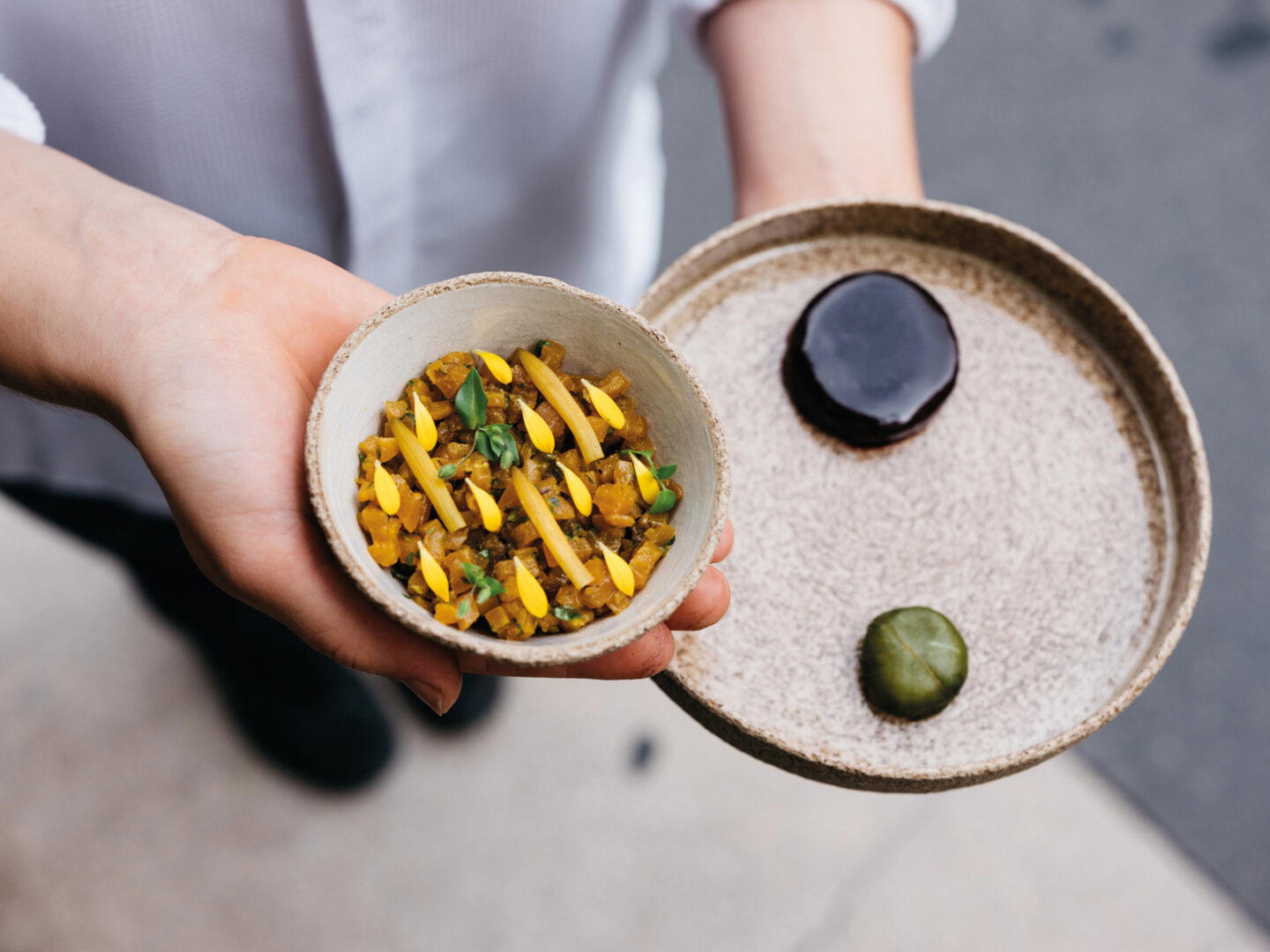
Photo: Ingo Pertramer.
Soil is not only important for food. Studies have shown that it stores large amounts of carbon. As an example, British soil holds around 10 billion tonnes of carbon — roughly 65 times the country’s annual carbon emissions. Increasing soil carbon has the potential to absorb CO2, one of the largest contributors to global warming. In recent decades, local, seasonal, and organic produce have become increasingly popular, but soils supporting those crops have been neglected.
There is, however, an increase in awareness. Ivić has long recognised the importance of soil health. He advocates biodynamic agriculture, a farming system founded on the principles espoused by Austrian polymath Rudolph Steiner in 1924 and based on the earth’s natural rhythms, similar to organic but with more esoteric elements. Through the years, he has built a network of farmers, fermenters, foragers, and winemakers who share the same philosophy of taking care of the land.
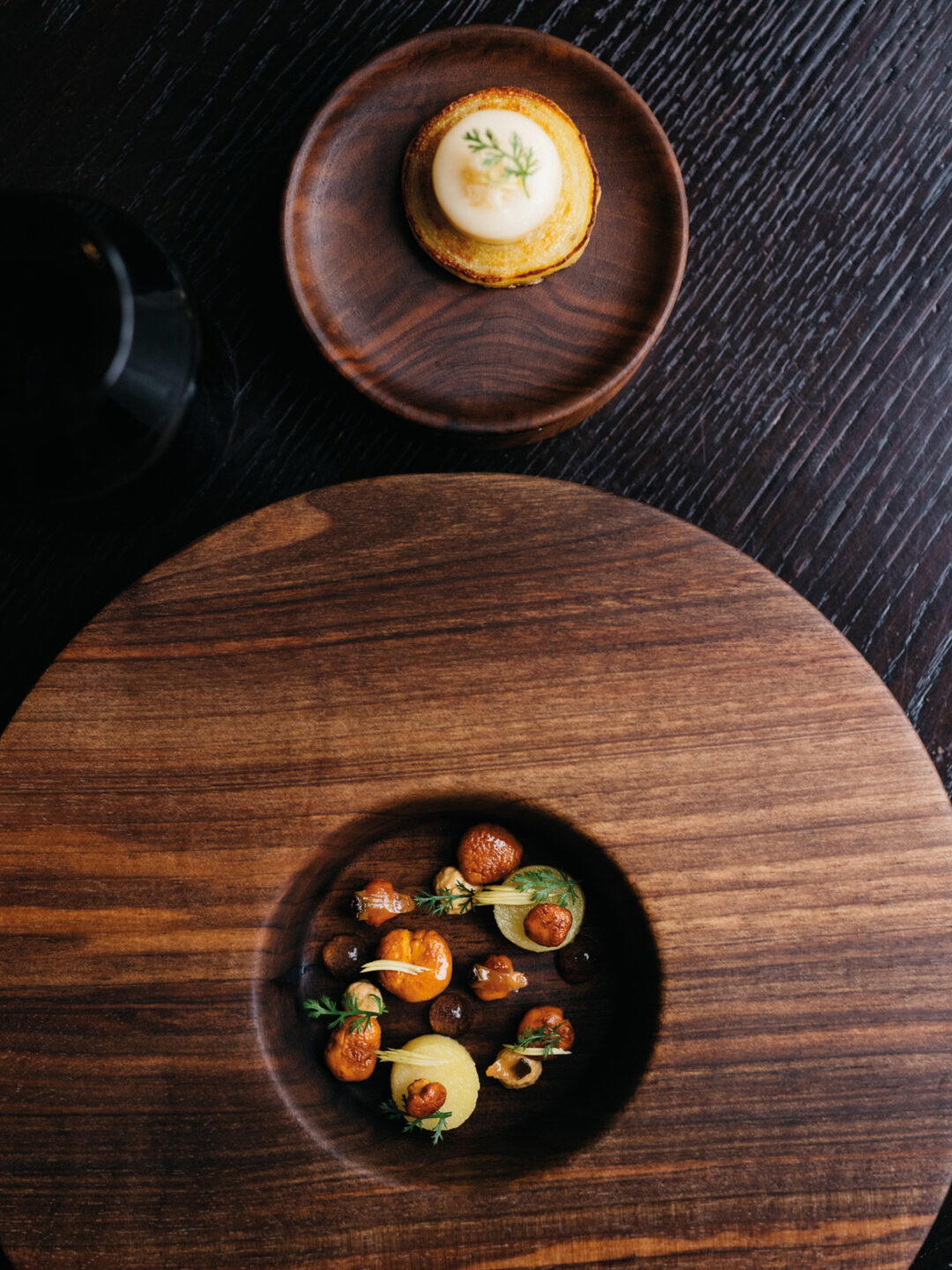
Photo: Ingo Pertramer.
Erich Stekovics, a churchman turned farmer who refers to his vegetables as his “children”, is one of those kindred souls. While he loves Paradeiser tomatoes, he also grows chillies, peppers, basil, onions, and more. Despite his humble beginnings, he now grows over two million garlic plants in the fertile, flat plains of Eastern Austria, contributing 50 per cent to the country’s consumption of garlic. In addition to being a vocal critic of industrialised agriculture, which infuriates him, he collects and preserves heritage seeds, and he has archived more than 4,500 species.
Additionally, he farms organically and leaves weeds because “the symbiotic relationships between all these plants keep them healthy”. Horse manure is the only natural fertiliser he uses in his farming, as he avoids monoculture farming. “The soil treats you just as well as you treat it,” says Stekovics.
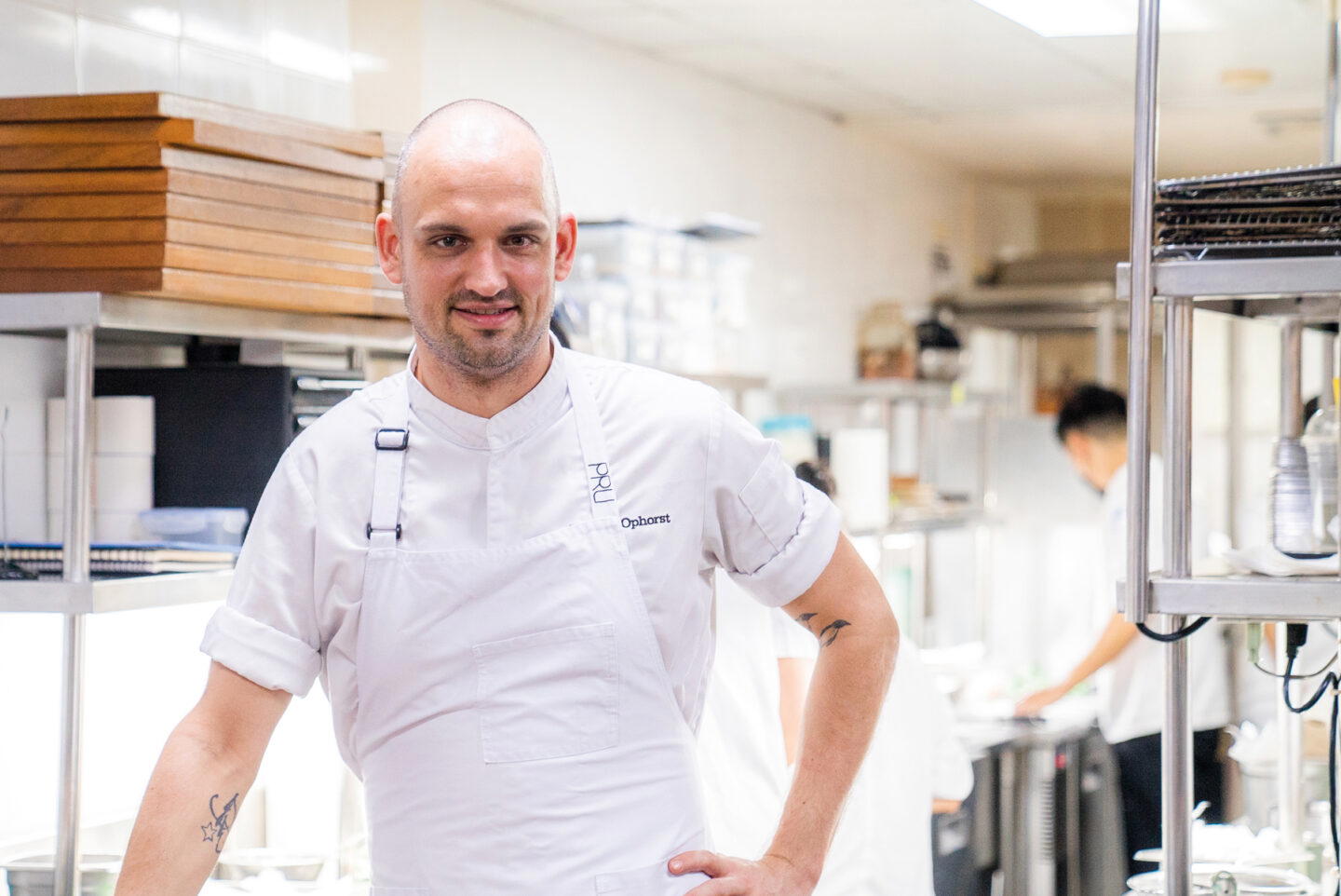
Chef Jimmy Ophorst, the chef of PRU, Phuket’s first-ever Michelin Star restaurant at five-star Phuket resort, Trisara, shares this sentiment. While he has established an experimental garden, 90 per cent of the restaurant’s fresh produce comes from local, mainly organic farmers.
Farming has its challenges. In Phuket, the soil is largely sand, with some red stone clay in the interior, both of which require fertilisers. Initially, Ophorst tried making compost from kitchen waste, but it was too limited. To supplement it, he added elephant and buffalo manure. He donates kitchen leftovers to a local elephant sanctuary that provides dung in exchange. After mixing coconut fibre and compost with the sandy soil, he leaves it for a month to ensure the pH level is optimal.
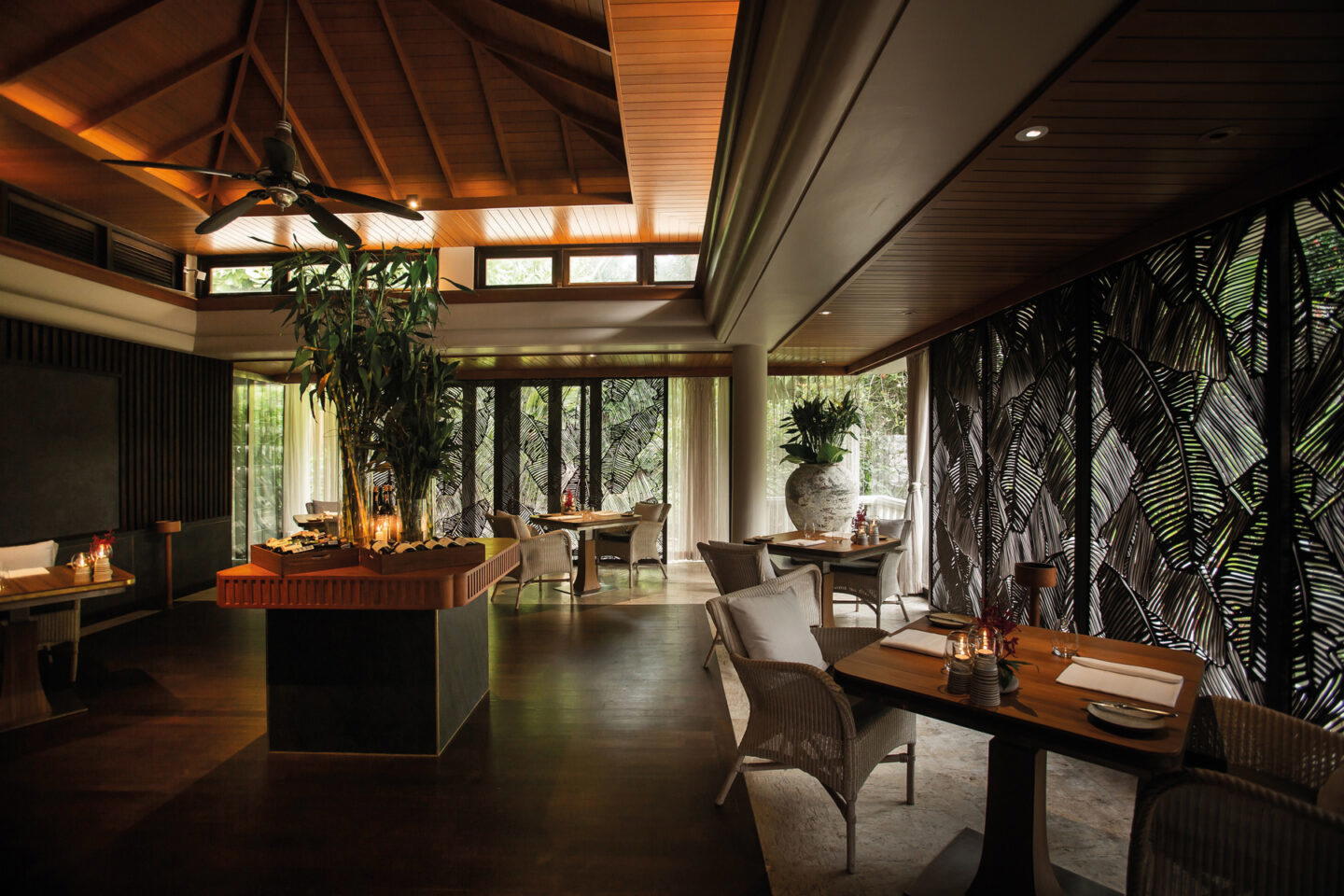
“The better the soil, the better the produce. Three different types of soil will produce three different types of beetroots,” he says.
However, there are no seasons in the tropical climate, so establishing a garden and gathering knowledge have taken a lot of time. Ophorst is keeping the farm experimental for now. Ivić and he are just two of the many chefs around the world who are either working closely with soil-conscious farmers or taking on the responsibility of farming themselves with the goal of improving the soil.
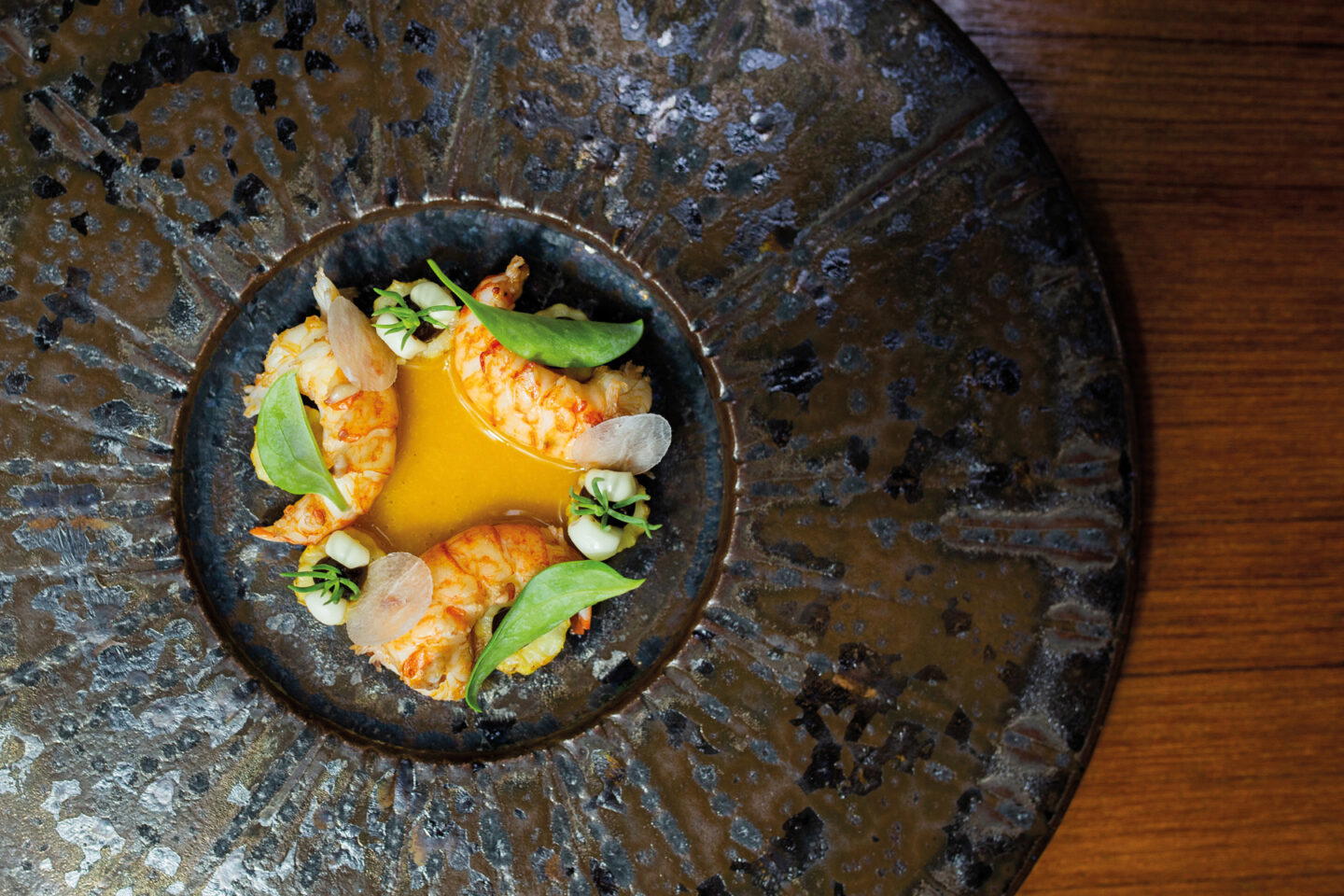
Simon Rogan established an organic farm in northern England to supply his hyper-seasonal restaurant L’Enclume, which just won its third Michelin star. He brought a similar philosophy to Roganic, one of two Hong Kong restaurants with a Michelin Green star, where he obsessively sources vegetables from local organic farms.
Sustainability maven Richard Ekkebus at Amber, the other Hong Kong recipient of a Green star, does the same, along with Uwe Opocensky, who revitalised Petrus at the Island Shangri-la, Hong Kong.
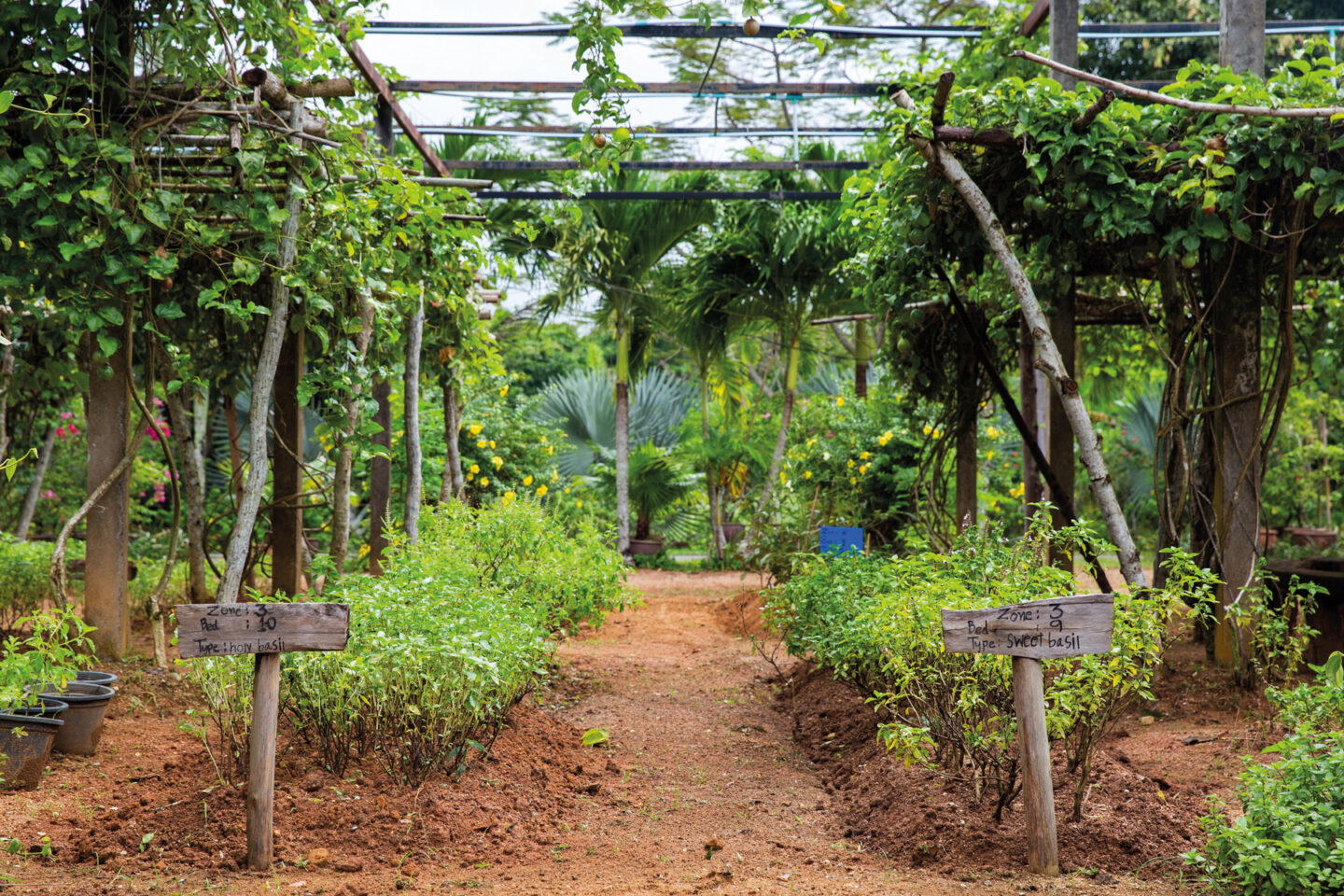
There are several initiatives in Singapore that are devoted to farm-to-table farming, but Open Farm Community remains one of the most prominent. In Beijing, three-Michelin-starred King’s Joy sources all of its green seasonal produce from organic farms in the area.
At the two-Michelin-starred Narisawa, one of the three best restaurants in Tokyo, chef Yoshihiro Narisawa honours the soil. His dish, Soil Soup, is made from burdock, a medicinal plant native to Japan that still has soil attached to its roots. To ensure that it is chemical-free and safe for use, he had it tested. He got the inspiration for the soup after visiting an organic farm and feeling the energy of the land. With Soil Soup, he hopes to connect customers with nature in a way that gives them a sense of coexistence.
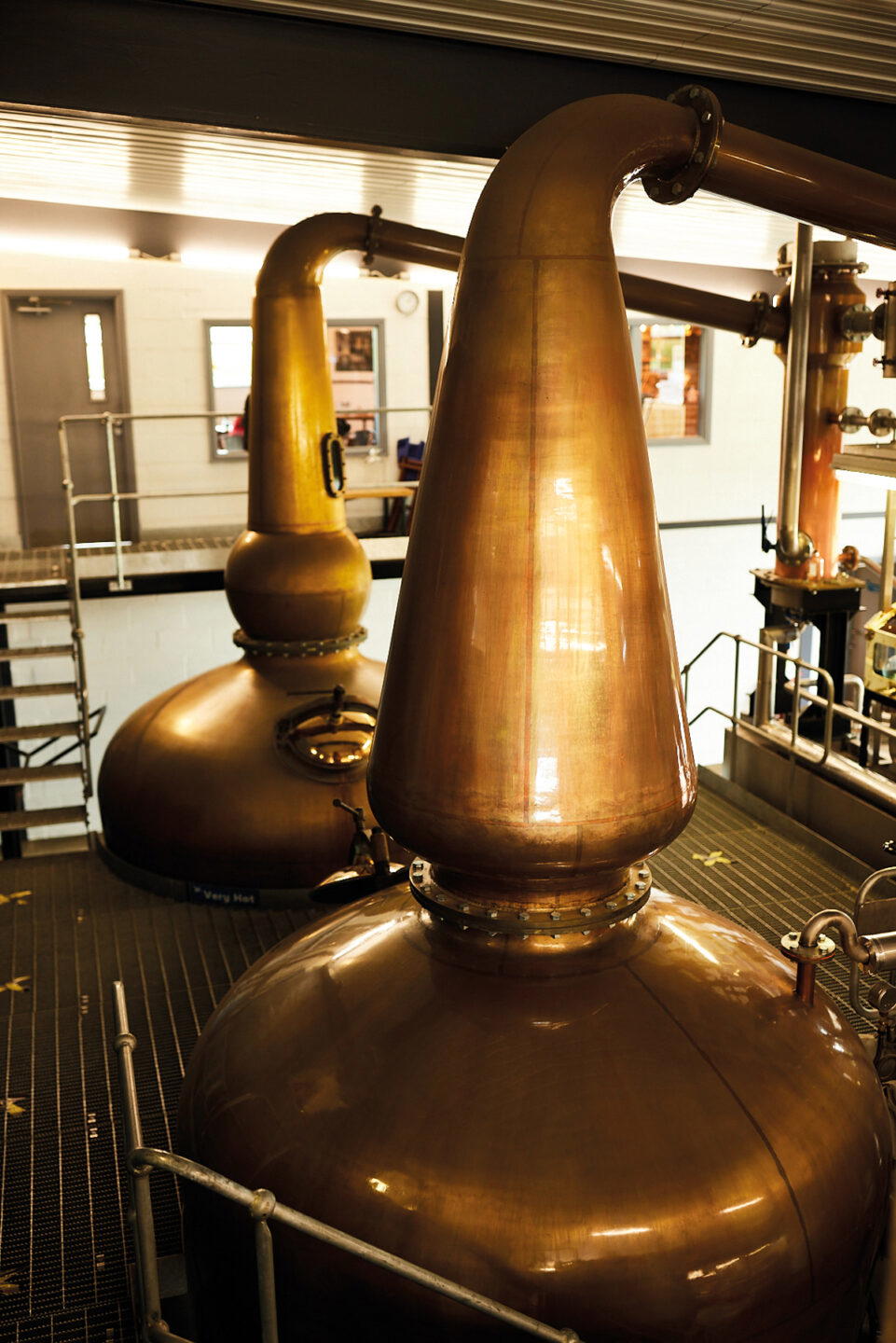
Currently, the biodynamic movement isn’t just a trend in the world of fine dining, but also in the world of wine, with prestigious names, such as Romanée Conti, Lafite, and Yquem making the switch to biodynamic methods.
There is also an increase in awareness in the world of whisky. Set up by David Thompson and Tom Mellor, the Spirit of Yorkshire distillery in northern England takes care of the barley that goes into its Filey Bay single malts.
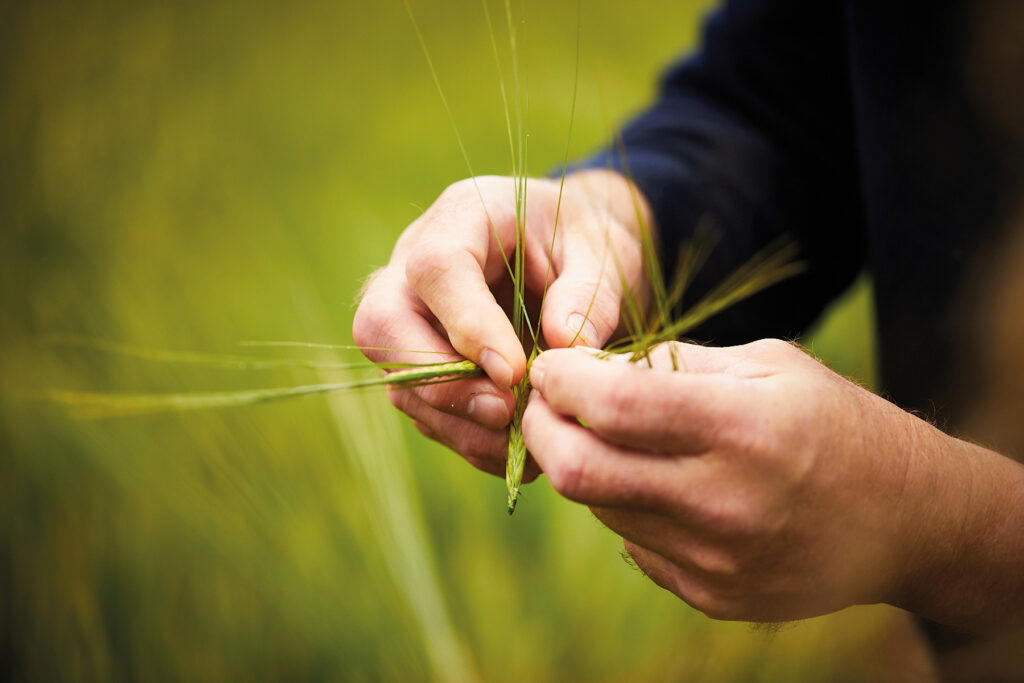
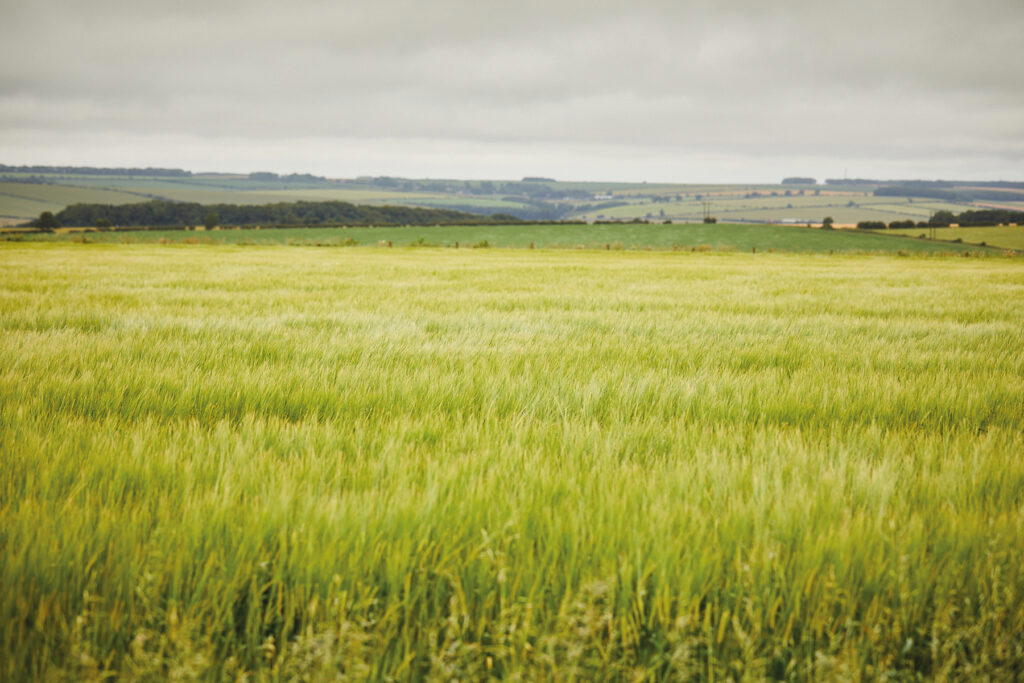
Thompson and Mellor come from farming backgrounds. The distillery uses barley grown on Mellor’s family farm, allowing them to manage the whisky making process from field to bottle. They also use various regenerative farming approaches to preserve biodiversity, and three years ago stopped turning the soil over before planting. Instead, they use a technique called direct drill or no-till.
“Direct drill means that we don’t disturb the ground at all when we plant our barley. This has many environmental benefits, from keeping carbon inside the earth to reducing our tractor-miles to strengthening soil structures. It also means our earthworm population is flourishing,” says Thompson. “We’re focused on preserving the soil for future generations.”

For these chefs, farmers, and producers, their work is about more than just getting food on the plate or a drink in a glass. It is about understanding that we are part of a system bigger than ourselves — and one we have skewed dangerously out of balance.
“Food is more than just sustenance,” says Ivić. “It’s about taking responsibility for all the resources and the people involved in producing it. Food is about connecting people. It doesn’t need a specific language — all it needs is a loving soul.”